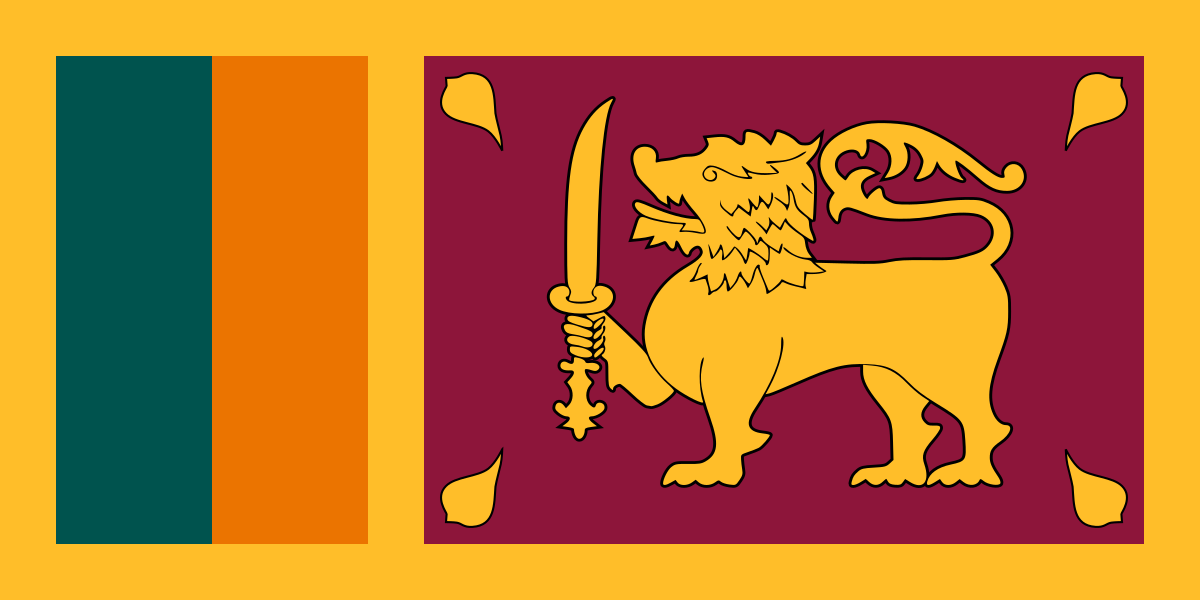
Sri Lanka
LKA tropical island in the Indian Ocean that packs ancient Buddhist temples, hill-country tea estates, leopards in the jungle, surf breaks and colonial forts into a small space. Sri Lanka is one of the most varied countries in Asia: two weeks can take in beaches, mountains, the ruins of ancient cities and serious wildlife. The country is recovering from the economic crisis of 2022, and prices remain low.
Where to go #
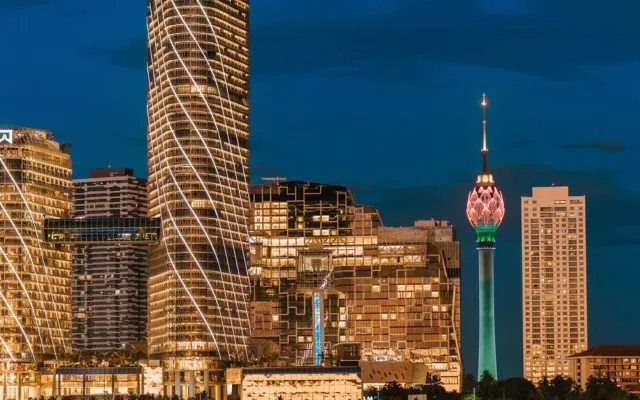
Colombo
The capital of Sri Lanka — Galle Face Green, the Fort, the Pettah bazaar and the tea boutiques.
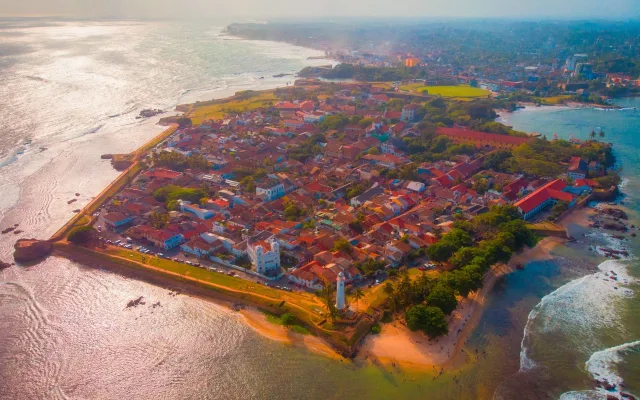
Galle
The UNESCO-listed Dutch fort — ramparts above the ocean, colonial streets and the surf coast nearby.
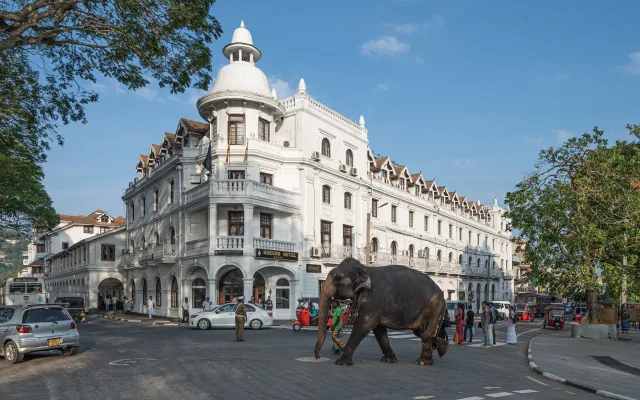
Kandy
Sri Lanka's cultural capital — the Temple of the Tooth, the Peradeniya botanical garden and Kandyan dance.
Ella
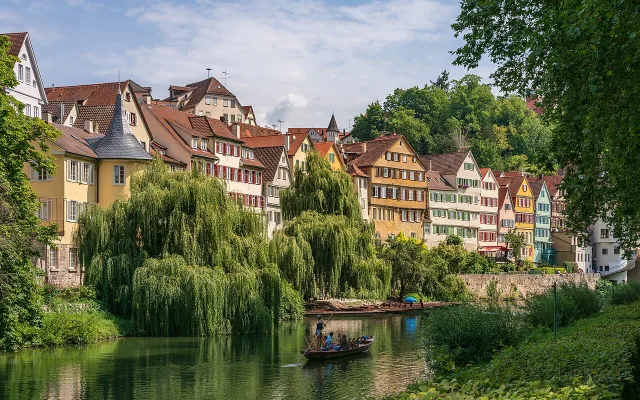
A hill village among the tea plantations — the Nine Arch Bridge, Little Adam's Peak and the train from Kandy.
Sigiriya
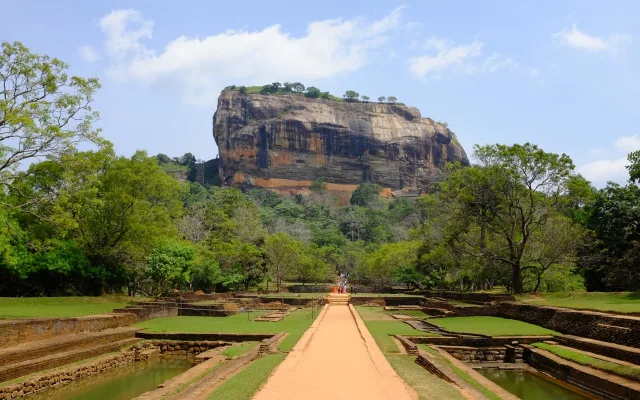
The 5th-century rock palace on the UNESCO list — frescoes, the lion's paws and a panorama of jungle from the summit.
What to see #
Sigiriya rock: The island's headline site, with frescoes and the remains of a palace on top. The ticket is not cheap, so arrive at seven in the morning to skip the queue in the heat. The climb is oversold as comfortable, but the views over the surrounding jungle repay the effort.
The hill train: The Kandy to Ella route is considered one of the most beautiful railway journeys anywhere. Take second class with the doors open for the shot everyone comes for, hair flying against the tea slopes. It's a cheap thrill that delivers more than most paid excursions.
Yala safari: In Yala you have a realistic chance of seeing leopard and elephant in the wild. Take a jeep at dawn, when animals are active rather than hiding from the sun. Expect dust and heavy jolting, since the park tracks are rough dirt.
Adam's Peak: People climb at night to reach the summit above two thousand metres for sunrise. Five thousand steps is punishing, but the cloud below your feet and the ceremony at the top make up for it. The pilgrimage season runs December to May; outside it the summit is usually wet.
Whale watching: In winter, boats leave Mirissa for the open ocean to look for blue whales. It's a spectacular thing to witness, but the swell is serious, so take motion sickness tablets. Your chances are good if you book with an experienced skipper in advance.
Galle Fort: Walking the seventeenth-century ramparts is free and gives you the colonial history for nothing. Look into the small museum or just browse the antique and jewellery shops. It's the best place on the island for an unhurried evening watching the sun drop past the lighthouse.
Prices #
Currency: Prices are in Sri Lankan rupees, though tours are often quoted in dollars. In 2026 the rate hovers around three hundred rupees to the US dollar. Keep small notes for buses and for buying fruit from roadside sellers inland.
Cash: Cash rules on Sri Lanka, especially at guesthouses and roadside shops. Bring US dollars or euros in newer notes, which change everywhere. Older notes attract a poor rate or get refused outright at official exchange counters.
Exchange: You can change money on arrival at the airport, where rates are often among the best on the island. Keep your exchange receipts, which you may need to convert leftover rupees back before flying home. In the bigger cities, jewellery shops sometimes beat the bank rate.
Cards: Visa and Mastercard are accepted at chain supermarkets, larger restaurants and city hotels, but not at small guesthouses or roadside places. American Express is rarely taken. ATMs are plentiful but usually charge a fee on foreign cards, so withdraw larger amounts less often.
Tipping: Restaurants normally add ten percent service, but waiters still expect a little on top. A couple of hundred rupees for a safari jeep driver or a hotel porter is the norm. It isn't obligatory, but it noticeably changes how you're treated.
| Item | Price (USD) |
|---|---|
| Rice and curry at a local place | 2.50 |
| Dinner for two by the sea | 18.00 |
| Bottle of Lion beer | 2.80 |
| Roadside coconut | 1.00 |
| Sigiriya ticket | 41.00 |
| Yala park entry | 45.00 |
| Hill train, second class | 5.00 |
| Tuk-tuk, 5 km | 1.50 |
| Scooter hire per day | 12.00 |
| Litre of petrol | 1.10 |
| Guesthouse night | 20.00 |
| Whale watching trip | 70.00 |
| Surf lesson | 25.00 |
| SIM with 20GB | 4.50 |
| Bottle of water | 0.50 |
Getting around #
Trains: The railway is the most characterful way to move between towns. Book reserved seats thirty days ahead online or you'll be standing in an unreserved carriage. It's slow but extraordinarily scenic, particularly in the hill country.
Local buses: Brightly painted buses tear around the island at terrifying speed with the music at full volume. Fares are trivial and you pay the conductor on board. Expect to be crammed in and hot, since only the occasional intercity express has air conditioning.
PickMe: For short hops, install PickMe, the local ride-hailing app. It calls a car or a tuk-tuk at a transparent price with no haggling, and takes the direct route without argument.
Tuk-tuks: Three-wheelers are the answer along the coast when you need to go a couple of kilometres. Agree the fare first; around a hundred rupees a kilometre is fair in 2026. If a driver quotes in dollars, that's a reliable sign of a tourist markup.
Scooter hire: A bike gives you total freedom, but traffic is left-hand drive and genuinely chaotic. You need a motorcycle licence and a local permit, or police at checkpoints will fine you repeatedly. It's great on the coast and risky on mountain hairpins if you're inexperienced.
Car and driver: If your budget stretches, hire a car with a driver for a long cross-island transfer. It saves time, since public transport rarely runs to schedule, and you can stop at waterfalls and viewpoints that buses drive straight past.
Flying in: Colombo has direct flights from London, Frankfurt, Paris, Doha, Dubai, Istanbul, Singapore and much of India, with the widest choice from Gulf hubs. Fares are highest over the December to March peak.
Where to stay #
Guesthouses: Small family-run houses are the standard budget option. The owners usually live in the next wing, cook breakfast and help arrange transfers. It's the best way to get a feel for local life and useful advice from people who live there.
City hotels: Colombo and Kandy have plenty of hotels that suit a one or two-night stop. Pick well-reviewed places to avoid poor ventilation or noise from busy roads. Central hotels are often handily placed near the station and bus stands.
Booking: The usual international platforms work fine here. Many travellers pick the pay-on-arrival option, which keeps things flexible, since plans on the island change constantly.
Jungle villas: In the south you can rent a whole house in the greenery for a longer stay. It's excellent for privacy, though be prepared for insects and the constant noise of the forest. Most have a kitchen, which saves money if you shop at the markets.
Practical points: Air conditioning is a necessity here rather than a luxury, given the heat and humidity. Always check there's a mosquito net over the bed. Without those two things a trip turns into a nightly fight with the climate.
Prices and location: Beachfront costs more even when it's a simple hut. Walk five hundred metres inland and you'll find a decent place with a pool for noticeably less. Always read the most recent reviews, because rooms deteriorate fast in the tropics.
What to eat #
Rice and curry: The national dish is a huge plate of rice with five to seven small bowls alongside. You get lentil dal, vegetables, fish or meat in thick sauce and crisp poppadoms. It's filling and cheap, and locals eat it with their hands, though you'll always be offered cutlery.
Kottu: Try kottu, chopped roti stir-fried with vegetables and egg on a steel plate. You'll hear the rhythmic clatter of the blades in any village after dark. It's very rich and heavily spiced, and it's the signature of Sri Lankan street food.
Hoppers: Thin bowl-shaped rice flour pancakes, usually served at breakfast or dinner. The best version has an egg in the middle and comes with hot onion and chilli sambol. It's a light snack you'll find at small roadside places for very little.
Seafood: At the southern resorts the day's catch goes out on ice in front of the beach restaurants every evening. Tuna, prawns and squid are affordable and grilled with garlic and lemon. It's the obvious choice for dinner with the surf going in the background.
Fruit: Mango, papaya and pineapple are sold at roadside stalls everywhere. Try a king coconut, which is superb in the heat and costs almost nothing. Buy at markets locals use, where prices are lower and the fruit riper.
Heat: Sri Lankan cooking is among the hottest anywhere, so always ask about the spice level. Saying "no spicy" won't eliminate chilli but will cut it substantially. If your mouth catches fire, eat plain rice or bread rather than drinking water.
Safety #
Health: Mosquitoes here carry dengue, so use strong repellent during the day as well as at night. No specific vaccinations are demanded, but carry a basic medical kit. Healthcare in the big cities is decent, though you'll need insurance to use it.
The ocean: Vicious rip currents occur even at the popular southern beaches. Never ignore a red flag; the waves can look harmless and drag you out in seconds. Swim in known bays without heavy surf or submerged rocks.
Wildlife: Monitor lizards and monkeys live alongside people, but feeding or touching them is a bad idea. Wild elephants on roads in the centre of the island can be aggressive towards vehicles, so stay inside. Keep your distance and remember these are wild animals.
Scams: Tuk-tuk drivers often offer to take you to "the best spice garden" or a free mask factory. It generally ends with high-pressure selling at five times the real price. Decline politely and use a map app so you know the route.
Drinking water: Never drink from the tap, and don't use it to brush your teeth in cheap guesthouses. Buy bottled water and check the seal on the cap. That one habit prevents most stomach trouble in the tropics.
Personal safety: The island is broadly safe for independent travel, but basic care is still needed. Don't leave valuables unattended on the beach or carry large amounts of cash after dark. Use hotel safes and keep copies of your documents in the cloud.
Etiquette and culture #
Buddhism: It underpins life on the island, so respect the shrines and the conventions around them. Never turn your back on a Buddha statue for a photo and don't imitate his poses, which causes real offence. People here take their faith seriously.
Temple dress: Cover shoulders and knees, remove your shoes and take off any hat. Bring a light sarong and clean socks, since the stone underfoot gets scorching. White clothing is welcomed as a symbol of purity by Buddhists and Hindus alike.
Poya days: Every full moon is an official holiday given over to prayer and meditation. Alcohol sales are banned island-wide on those days, including in tourist bars and restaurants. Plan your shopping ahead unless you fancy an evening on coconut juice.
The head wobble: The Sri Lankan side-to-side head movement confuses newcomers constantly. It isn't a no; it's general agreement or confirmation that you've been understood. It signals friendliness, and you'll get used to it within a couple of days.
Tattoos: Buddha images on skin can result in refused entry or deportation. If you have such a tattoo, keep it covered with proper clothing. Photographing military installations and some government buildings is also prohibited.
Etiquette: The left hand is considered unclean, so pass money and food with your right. People are warm and value a calm tone; anger achieves nothing here. A smile and a couple of words of Sinhala open more doors than any complaint.
Connectivity #
Networks: Dialog has the best coverage, while Mobitel is slightly cheaper. The easiest place to buy a SIM is at the airport just past baggage reclaim, with only your passport needed. That gives you data for the trip and access to maps and messaging.
Mobile data: 4G is stable along the coast but drops out on mountain hairpins. Download offline maps in advance so you're not lost during long bike or bus journeys. Local data bundles are more dependable than hotel wi-fi.
eSIM: If your phone supports it, you can activate a data plan before you leave home. That saves hunting for a physical card and swapping SIMs on arrival. It's the quickest way to be connected the moment you land.
Hotel wi-fi: In cheap guesthouses it's often slow or works only near reception. If connectivity matters for work, don't rely on free networks and keep data on your phone. Some owners switch the router off overnight, so ask them to leave it running.
Apps: Install Google Maps for navigation and PickMe for rides. WhatsApp is how you'll communicate with locals and property owners. A currency converter is handy for market prices.
Access: The internet is unrestricted and every major service works normally. Colombo airport has free wi-fi, but it's often congested and needs a login. Your own SIM gives you independence and lets you order a car to the terminal door.
Phrasebook #
| English | Sinhala | Pronunciation |
|---|---|---|
| Hello | ආයුබෝවන් | ah-yu-BOH-wan |
| Thank you | ස්තූතියි | stoo-TEE |
| Yes | ඔව් | ow |
| No | නැහැ | NEH-heh |
| How much is it? | මේක කීයද? | MEH-ka KEE-ya-da |
| Too expensive! | මිල වැඩියි | MEE-la WEH-dee |
| Give me a discount | අඩු කරන්න | A-du ka-RAN-na |
| Not spicy | සැර නැතුව | SEH-ra NEH-tu-wa |
| Delicious | රසයි | ra-SIGH |
| Where's the toilet? | වැසිකිළිය කොහෙද? | weh-si-KI-li-ya KO-he-da |
| Hey, mate (slang) | අඩෝ | a-DOH |
| Bro (slang) | මචං | ma-CHANG |
| Water | වතුර | wa-TOO-ra |
| Tea | තේ | thay |
| The bill, please | බිල දෙන්න | BI-la DEN-na |
| Good | හොඳයි | HON-digh |
| Help | උදව් කරන්න | u-DAW ka-RAN-na |
| Sorry | සමාවෙන්න | sa-maa-WEN-na |
| Goodbye | ගිහින් එන්නම් | gi-HIN en-NAM |
| One / Two | එක / දෙක | E-ka / DE-ka |
| No problem | කමක් නෑ | KA-mak neh |
| Slowly | හෙමින් | HE-min |
Good to know #
Consular help: Most major countries have an embassy or high commission in Colombo. Save the address and out-of-hours number in your phone before you fly, since that's who you'll need if a passport goes missing.
Power: Sri Lanka uses British-style three-pin sockets. Most hotels can lend an adapter, but buy your own universal one at any supermarket. Forcing a European plug into the socket with a pen is a local trick and not a safe one.
Sun: Equatorial sun is fierce even under cloud or in the shade. Use factor fifty and wear a hat on any excursion. Twenty minutes on the beach is enough to burn badly and ruin several days.
Hill country clothing: Evenings in Nuwara Eliya and Ella drop to fifteen degrees or lower. Bring a warm layer and closed shoes, because flip-flops are miserable up there. The contrast with the hot coast catches independent travellers out constantly.
Navigation: For walking and finding hidden waterfalls, Maps.me is the best tool. It knows trails that other services don't and works offline once the maps are downloaded. It gets you to viewpoints without hiring a guide.
Daylight: It gets dark early here, around six in the evening, all year round. Village life goes quiet soon after, so plan travel and sightseeing for the first half of the day.