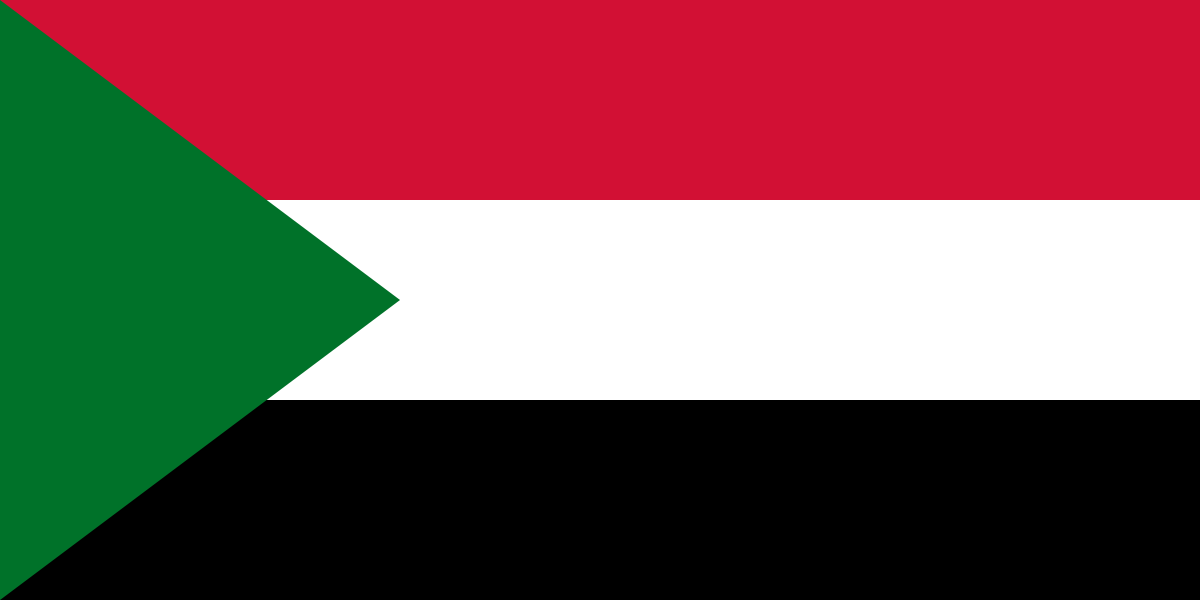
Sudan
SDThe country of the ancient Nubian pyramids, of the Sahara and of the meeting of the White and Blue Nile. Before the war, Sudan was one of the most hospitable and safest destinations in Africa for budget travellers. Since April 2023 it has been in full-scale civil war between the army (SAF) and the Rapid Support Forces (RSF). Khartoum is in ruins and the capital's airport is closed. Governments worldwide advise against all travel to Sudan.
Where to go #
Port Sudan
This coastal city currently serves as the main gateway to the country, since its airport is the only one reliably taking international flights. Come here for Red Sea diving and for an atmosphere of relative calm compared with the rest of the country.
Khartoum
Despite the destruction of recent years, the capital at the meeting of the two Niles remains a place only the experienced attempt. You can watch two rivers of different colours converge and get a sense of how life carries on through constant upheaval.
Karima
This small town at the foot of the sacred Jebel Barkal is worth the trip for its Nubian pyramids and ancient temples. The place is steeped in deep antiquity, and with no crowds you can cover every major archaeological site in a day.
Meroe
The famous necropolis of the Kingdom of Kush is the first thing to see in Sudan. Dozens of slender pyramids stand directly in the desert sand, giving you a perfect backdrop for photographs, security permitting.
Wadi Halfa
This northern border town on the shore of Lake Nasser is mostly used as a transit point. A day is enough to sort out paperwork and push on into Nubian territory after arriving on the ferry from Egypt.
Suakin
The old port on a coral island has become a ghost town of ruined Ottoman architecture, which any history enthusiast should see. It makes an ideal short trip from Port Sudan for a taste of the old maritime trade.
What to see #
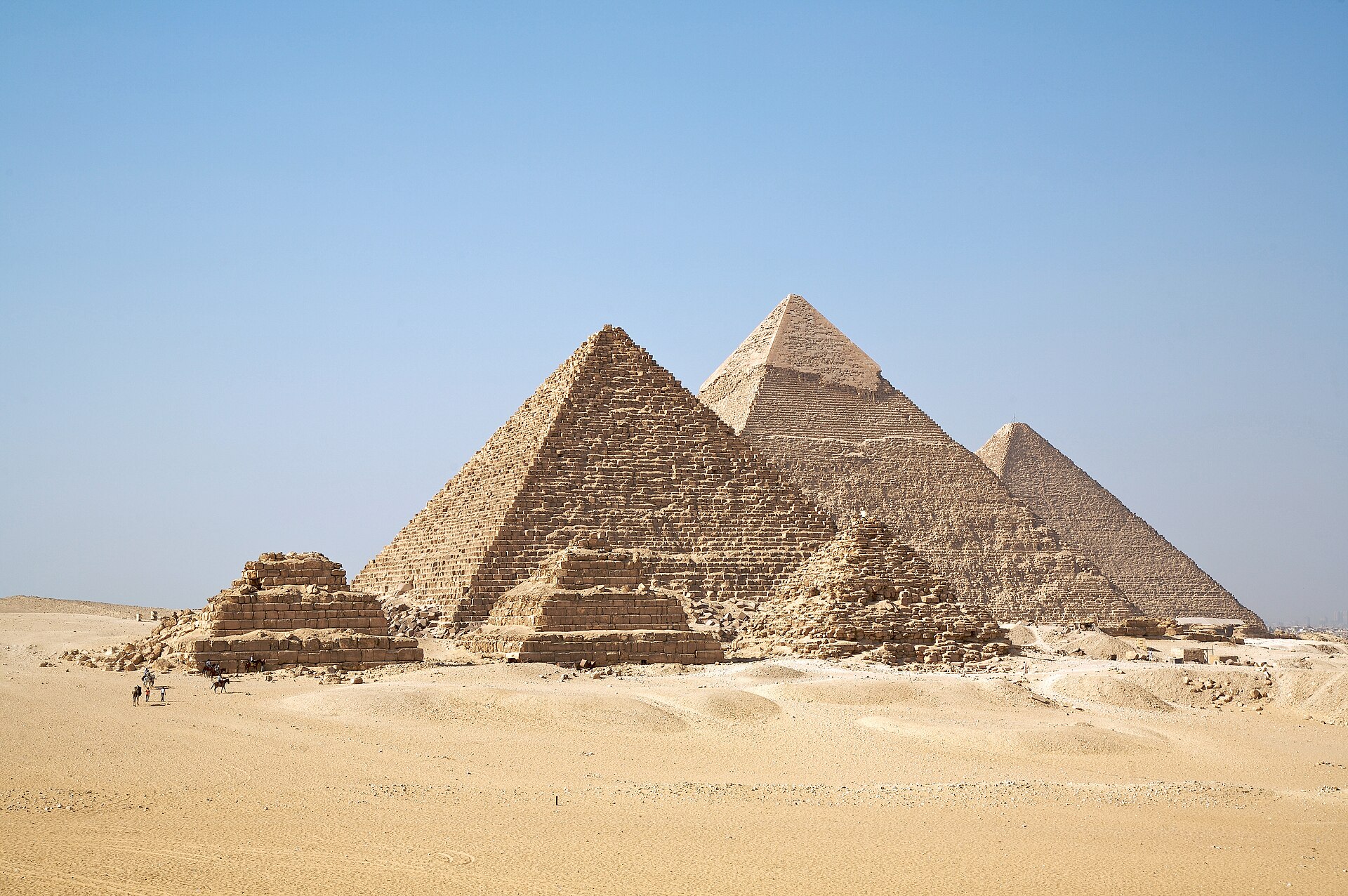
Meroe pyramids: The main reason anyone comes to this part of the world. The sharp dark silhouettes in the desert look more dramatic than their Egyptian counterparts precisely because there are no fences and no crowds.
Jebel Barkal: A sacred mountain with the ruins of a temple of Amun at its foot. Worth the drive for the panorama over the Nile and the ancient necropolises of the Kushite kings.
The confluence of the Niles: In the capital you can see the line where the Blue and White Niles meet. The best vantage points are Tuti bridge or a private boat hired from the bank.
Old Suakin: Striking for its coral-block houses, which the sea is slowly reclaiming. It's an ideal place to spend a day absorbing the scale of a vanished Ottoman world.
Sha'ab Rumi reef: Draws divers from around the world with sunken wrecks and exceptional visibility. Only trusted local skippers can tell you where the best diving is in any given season.
Nuri pyramids: Less famous than Meroe but more numerous, and some details have survived better. An independent visitor will want several hours at this ancient royal cemetery.
Prices #
Cash only: US dollars are the only dependable currency to bring. Take newer notes with no creases or markings, because worn ones get refused.
Cards: Cards from every bank, Western or otherwise, are effectively useless here — the financial system is largely cut off from the international network. Assume you will carry every dollar you spend.
Two currencies in circulation: A new pound has split the market, and in some areas old notes are no longer accepted at all, with payments moving to local electronic transfers. Ask before you accept change.
Exchange: Official bureaux operate consistently but the street rate is better. Keep bank receipts either way, as you may be asked for them.
Prices: Costs have risen sharply because of the war and fuel shortages, and imported goods are scarce. Budget more than you would for the region generally.
| Item | Price (USD) |
|---|---|
| Ful at a small shop | 0.80 |
| Street tea | 0.20 |
| Dinner at a cafe | 6.00 |
| Tuk-tuk ride | 1.50 |
| Intercity bus | 12.00 |
| 1.5l water | 0.40 |
| Kilo of mangoes | 2.00 |
| Meroe entry ticket | 10.00 |
| Jabana coffee | 0.30 |
| Shawarma | 1.80 |
| Night at a lokanda | 7.00 |
| SIM with data | 4.00 |
| Loaf of bread | 0.15 |
| Taxi to the airport | 20.00 |
Getting around #
Buses: Coaches link the major towns, but timetables bend to whatever is happening at the many checkpoints. Khartoum to Port Sudan can eat half a day and demands patience.
Tuk-tuks: Three-wheelers handle short hops around town. Settle the price before you climb in, because drivers don't run meters.
Hamla minibuses: Packed to the roof and running fixed routes, these are the cheapest way to cross a city or reach the markets.
River ferries: Crossings on the Nile remain an important link. In Khartoum they get you from the centre to Omdurman quickly, bypassing the traffic on partly damaged bridges.
Trains: The service from Wadi Halfa runs rarely and very slowly. It's more of an attraction for railway enthusiasts than a practical way to travel the north.
Ride-hailing apps: These operate in the capital with more transparent fares. Internet coverage is unreliable, though, so keep a couple of private drivers' numbers in your phone.
Getting into the country: Port Sudan handles the international flights, with connections through Istanbul, Dubai, Doha, Cairo and Addis Ababa. The overland ferry from Aswan in Egypt to Wadi Halfa is the other route in.
Where to stay #
Lokandas: Spartan by design — a simple bed on a veranda and a shared shower. It's the cheapest option for anyone willing to trade comfort and street noise for savings.
Guesthouses: In Nubia these often occupy traditional thick-walled houses. Expect breakfast and hosts who will help you sort out onward logistics.
Hotels: Port Sudan's hotels are currently full of staff from international organisations. Prices have climbed and free rooms are best found by phoning the manager directly.
Apartments: Rentals have become popular with anyone staying longer. They usually have air conditioning and a kitchen, which matters given the heat and the state of the restaurants.
Mosquito nets: Essential wherever you sleep. Malaria remains a serious threat, so check the net over the bed for holes before you settle down.
Power: Electricity is often rationed because of fuel shortages in the regions. Choose somewhere with its own generator if you need to work or charge a lot of equipment.
What to eat #
Ful medames: The staple, served in deep bowls with oil and vegetables. You eat the thick bean mash with your hands, scooping it up with pieces of fresh flatbread.
Kisra: Flatbread baked from sorghum with a characteristic sour tang. It comes with every meat and vegetable stew and functions as your cutlery.
Jabana coffee: Brewed with ginger and sugar in a special clay pot. The whole process is a ritual of hospitality, and refusing it in someone's home simply isn't done.
Nile fish: Fried in oil until crisp, often right on the riverbank. Watch the hygiene at these places, since the catch is rarely stored the way you'd want.
Karkade: Drunk by the litre against the sun. This cold hibiscus infusion is sold on every corner, quenches thirst properly and costs next to nothing.
Agashe: Spiced strips of meat rolled in peanut flour and grilled over coals. It's a popular street snack that easily stands in for a full meal.
Safety #
Armed conflict: Fighting between the army and the rapid support forces is ongoing. Front lines shift quickly, so keep current international news reporting to hand at all times.
Checkpoints: These are on every intercity road. Document checks are routine, but photographing anyone in uniform, any vehicle or any fortification is extremely dangerous.
Darfur: Darfur and the borders with the southern neighbours are closed to visitors because of the kidnapping risk. Don't go, even if you hold every permit on paper.
Drone strikes: These have reached even relatively calm Port Sudan. Stay away from concentrations of military personnel and administrative buildings, which are potential targets.
Crime: Urban crime has grown with the poverty the war has created. Pickpockets in Omdurman's markets are highly skilled, so keep expensive equipment out of sight.
Healthcare: The medical system is in deep crisis and many state hospitals are closed. Carry a supply of antibiotics and infection treatments, since buying them locally is close to impossible.
Advisories: Almost every government advises against all travel to Sudan, which also voids most standard insurance. Read your own government's advice and make sure any policy you buy explicitly covers a conflict zone.
Etiquette and culture #
Sharia law: Strict norms govern behaviour in Sudanese society. Alcohol is banned outright, and importing or drinking it carries legal penalties including corporal punishment or prison.
Right hand: Use it for eating, shaking hands and passing anything. The left is considered unclean and using it in public gestures gives real offence.
Hospitality: It's practically a creed here, and complete strangers may invite you to lunch. Accept at least a cup of tea to show proper respect to your host.
Dress: Modesty is expected. Men shouldn't wear shorts; women should choose loose clothing covering the shoulders and carry a scarf for the head.
Ramadan: Life shifts during the fasting month, with cafes closed during the day and eating or drinking in front of those fasting considered rude. The country goes quiet until sunset and the evening meal.
Photographing people: Always ask explicitly, especially with women. Sudanese are broadly warm, but a camera pointed too freely arouses suspicion.
Connectivity #
eSIM: An international eSIM gets you online the moment you land, which spares you hunting for an open phone shop under a curfew.
Local SIMs: Zain and Sudani cards are sold on production of a passport. Coverage is reasonable in the cities but the signal disappears for long stretches outside built-up areas.
WhatsApp: The main tool for dealing with locals and guides. Everything from booking a room to arranging a car happens through it.
VPN: Worth having for consistent access to familiar services. The authorities sometimes restrict social media to control the flow of information.
Outages: The internet is unstable and complete nationwide shutdowns lasting several days happen for political reasons. Keep offline maps and enough cash to survive a blackout.
Satellite: In remote desert areas satellite communication is the only reliable option. If your route runs into the sands, arrange a terminal before you set off.
Phrasebook #
| English | Sudanese Arabic | Pronunciation |
|---|---|---|
| Hello | السلام عليكم | as-sa-LAAM a-LAY-kum |
| Thank you | شكراً | SHOOK-ran |
| Yes | أيوه | AY-wa |
| No | لا | la |
| How much is it? | بي كم؟ | bee KAM |
| Expensive | غالي | GHAA-lee |
| Water | موية | MOY-ya |
| Tea | شاي | shy |
| Coffee | جبنة | ja-BA-na |
| Food | أكل | A-kil |
| Where is...? | وين...؟ | wayn |
| Market | سوق | sook |
| Good / fine | تمام | ta-MAAM |
| OK | كويس | KWAY-yis |
| Help me | ساعدني | SAA-id-nee |
| I don't understand | ما فاهم | ma FAA-him |
| Goodbye | مع السلامة | ma-sa-LAA-ma |
| Mate (slang) | يا زول | ya ZOL |
| No problem | مافي مشكلة | MA-fee MUSH-ki-la |
| Right now (slang) | هسّع | HAS-sa |
| Please | من فضلك | min FAD-lak |
| A little | شوية | SHWAY-ya |
Good to know #
Embassies: Diplomatic representation in Khartoum has been heavily reduced or relocated since the war began. Find out which mission covers your nationality now, often one in Cairo or Nairobi, and save the emergency number.
Vaccinations: Typhoid and hepatitis jabs are strongly recommended before you travel. Poor sanitation and unreliable clean water make food-borne infection a real risk.
Sun protection: High-factor sunscreen will save your skin. The Sudanese sun is merciless and finding decent imported cream in local shops is close to impossible.
Offline maps: Essential for the next time the network drops. Mark hospitals and functioning police stations along your route before you go.
Document copies: Keep them separate from the originals. If a passport or a photography permit goes missing, having scans in the cloud and on paper speeds the bureaucracy enormously.
Torch and power bank: Both belong in your bag. Power cuts are routine and city streets are barely lit after dark because of energy rationing.
Emergency numbers: Police 999, ambulance 333, fire 998. Be aware that reaching them in active conflict areas or during a network shutdown may simply not be possible.