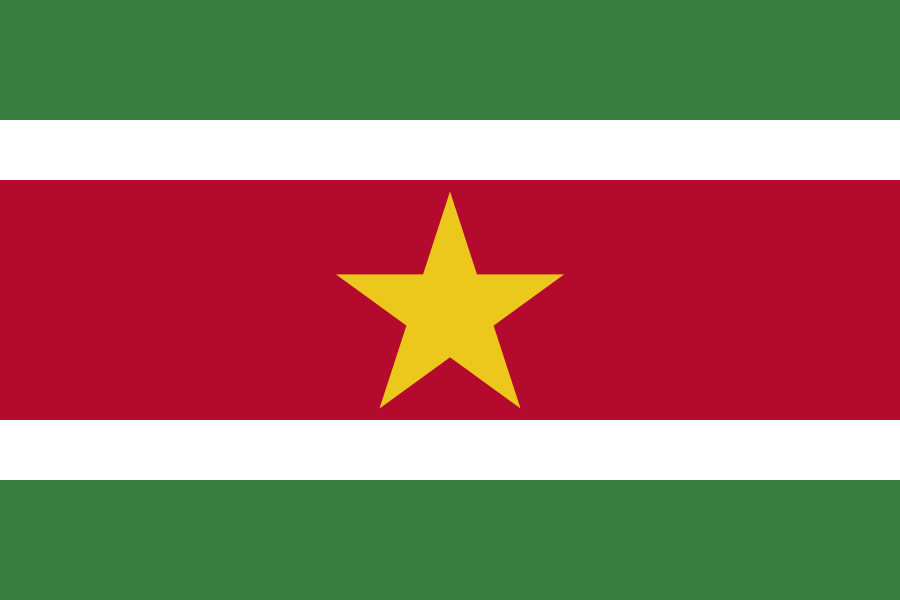
Suriname
SRThe only Dutch-speaking country in South America — a small state covered 93% by untouched rainforest. Paramaribo, with its wooden colonial architecture, is a UNESCO site and a startling mixture of Dutch, Indian, Javanese and African heritage. Suriname means eco-adventures in primeval jungle, river dolphins, turtles on the coast and one of the most multicultural societies in the world. A destination for anyone after a South America off the tourist map.
Where to go #
Paramaribo
The country's only real city greets you with a landscape of white wooden houses and the Waterkant riverfront, where life doesn't wind down until late at night. It is the one place where a mosque and a synagogue stand side by side on the same street and nobody thinks it odd. Two days here is enough to get your bearings before you head inland.
Nieuw Nickerie
The western border town is the base for exploring the Bigi Pan reserve, famous for its colonies of scarlet ibis rising over the rice paddies. Come at dawn, when the birds are moving. There is little else to do here, and that is rather the point.
Aurora
A Maroon village on the upper Suriname River, and the reason most travellers go inland at all. The descendants of escaped slaves kept their African roots here, along with a daily life you will not find anywhere else in the Americas.
Botopasi
Another Maroon village lost in the upper reaches of the river, with the same rhythms and the same woodcarving traditions. Worth a trip if you want a second village with fewer people around.
Albina and Galibi
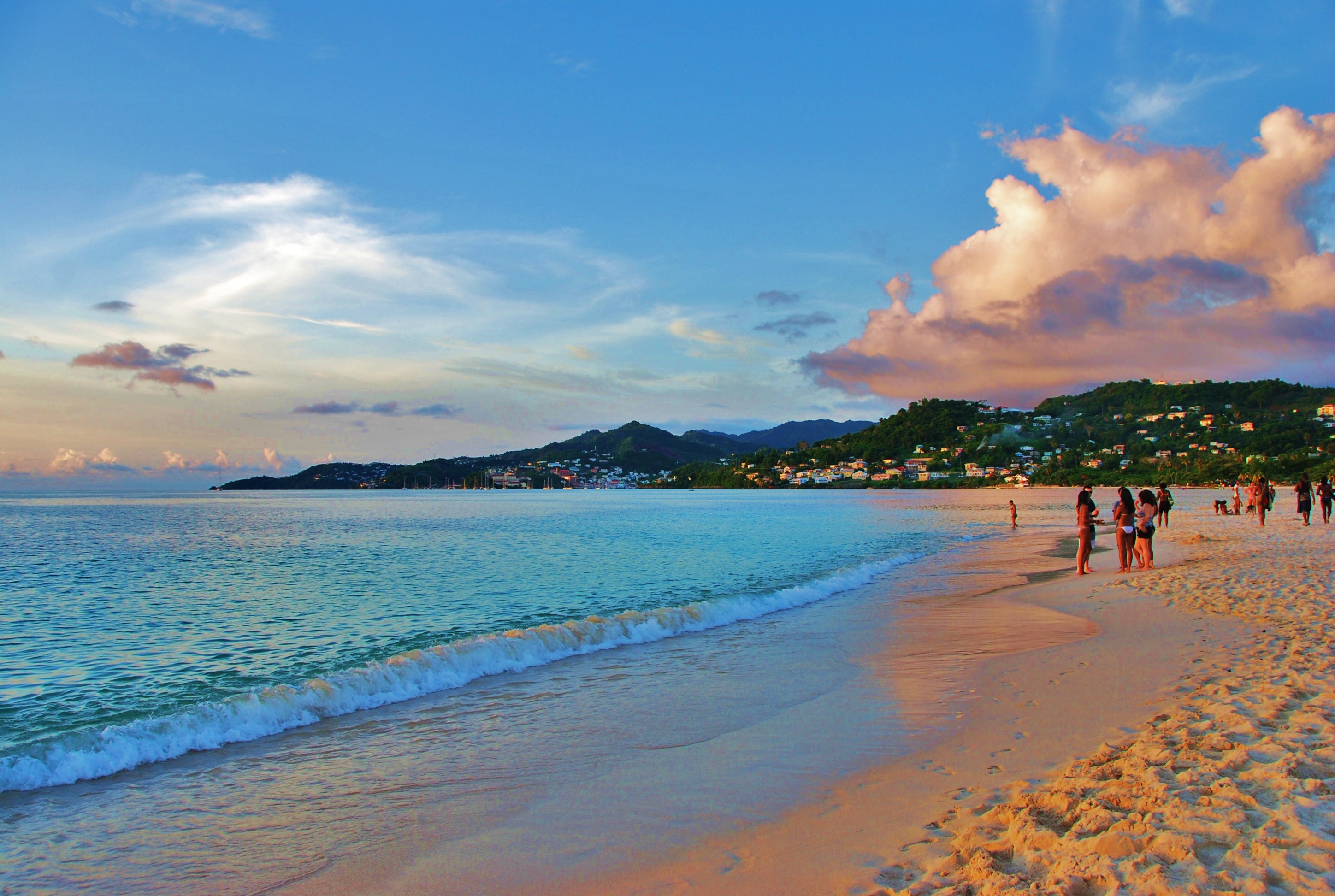
This stretch of coast draws wildlife people during the giant turtle nesting season. Getting there means a long road ride and then a boat, so plan an overnight rather than a day trip.
Brownsberg
Not a town in any formal sense, but the plateau looking out over the Brokopondo reservoir is a fixed point on any independent route. The sight of drowned forest standing in the water is what most people remember.
What to see #
Fort Zeelandia: the stone fortress on the river bank carries the history of the colonial wars and today works as the capital's main museum. Half a day covers it comfortably.
The wooden cathedral: the great church of Saints Peter and Paul is reckoned one of the tallest wooden structures anywhere in the world, and the interior justifies the detour on its own.
Brownsberg plateau: a jungle trail leads to the Mazaroni viewpoints, where the panorama opens out over flooded forest and the reservoir beyond.
Voltzberg: the climb up this granite dome inside the Raleighvallen reserve takes real legs, but pays you back with a full 360-degree view.
Galibi beaches: between February and July, at night, you can watch enormous leatherback turtles haul out onto the sand to lay their eggs.
Brokopondo lake: the surreal landscape of dead treetops poking out of the water is best explored from a dugout canoe.
Palmentuin: the palm garden behind the presidential palace is the easiest green break in the centre, and early evening is when it comes alive.
Prices #
Currency: everyday prices are in Surinamese dollars, but hotels and tour operators usually quote in US dollars.
Cards: bring cash and treat plastic as a backup. Visa and Mastercard are accepted at the pricier hotels and a few chain boutiques, and almost nowhere else, so plan to run the trip on notes.
Changing money: the cambios in the centre of the capital give a better rate than the big banks. Clean, unmarked US dollar bills go furthest; euros are taken too.
ATMs and apps: withdrawals are workable in Paramaribo and unreliable outside it, and the fees stack up. A Wise or Revolut card is worth having for the withdrawals you do make, but it will not replace cash inland.
Change: if you pay in US dollars you will nearly always get your change in local currency, at whatever rate the place is using that day.
| Item | Price (USD) |
|---|---|
| Roti at a warung | 4 |
| Saoto soup | 5 |
| Restaurant dinner | 45 |
| Parbo beer, 0.5 l | 2 |
| Bottled water, 0.5 l | 1 |
| Filled bara | 2 |
| Taxi across town | 6 |
| Taxi to the airport | 30 |
| Guesthouse, per night | 35 |
| Car hire, per day | 50 |
| Jungle tour | 100 |
| National park entry | 5 |
| Boat trip | 25 |
| Petrol, per litre | 1.5 |
Getting around #
City taxis: there are no meters, so agree the fare before you get in. Short hops around the centre run to fixed sums that every local already knows.
Private drivers: the usual way to move between towns. Drivers wait at stands near the markets and bus stations, and you simply ask around until someone is going your way.
River boats: inland, rivers do the job roads do elsewhere. Long wooden dugouts carry people and cargo up the Suriname River in place of buses.
Minibuses: the cheap way out to the edges of town. They run to no fixed timetable and leave only once every seat is taken.
Driving yourself: traffic keeps to the left. Roads in the capital are decent, but anything beyond them wants a 4x4 rather than a hatchback.
Domestic flights: small aircraft link Paramaribo with remote mining camps and Indigenous settlements deep in the Amazon interior. These are booked locally, not through the big aggregators.
Where to stay #
Guesthouses: old wooden buildings in central Paramaribo have been turned into comfortable guesthouses with shared verandas and gardens. This is the sweet spot for most independent travellers.
The top end: the Waterkant riverfront holds the larger complexes with pools and casinos, popular with business visitors more than with tourists.
Jungle lodges: cabins in the interior are expensive because the price includes the boat transfer and all meals on site. Read it as a package rate, not a room rate.
Hammocks: in Maroon villages you can rent a spot under a shelter and sleep in your own hammock, or a rented one, for very little money.
Booking: places in the capital are easy to find online, but for the national parks it is better to contact the owners directly.
One thing to check: make sure there are mosquito nets over the beds. Insects are active even in the more expensive hotel rooms.
What to eat #
Roti: a thin Indian flatbread wrapped around chicken curry and potato, and the fastest, most filling thing you can eat on any street corner.
Javanese warungs: these little eateries serve nasi goreng and saoto soup with chicken, bean sprouts and crisp fried potato on top.
Creole pom: a celebratory bake of pomtayer root with meat. If you sit down in a proper restaurant only once, order this.
Bara: deep-fried lentil dough, often split open and filled with spicy meat or vegetables, sold everywhere for pocket change.
Freshness: street food is cooked in front of you and is safe enough, but fruit and vegetables from the market should only ever be washed in bottled water.
Drinks: Parbo beer and Borgoe rum anchor every bar list, and the non-alcoholic side is enormous thanks to tropical juices.
Safety #
After dark: do not walk alone through the Palmentuin park or the empty lanes of the historic centre once the sun goes down. Take a taxi instead.
Valuables: leave the heavy gold jewellery and the professional camera rig out of sight, since visible wealth is exactly what pickpockets work from.
In the bush: stepping off the trail without a guide is genuinely dangerous because of snakes, and the rivers carry strong hidden currents that are easy to misjudge.
Sun: the tropical sun here is deceptive. Use high-factor cream even on cloudy days, and especially on boat trips where the water doubles the glare.
Police and soldiers: photographing police stations or military personnel is forbidden and can turn into a long argument and a fine.
Insects: malaria and dengue are the reason to carry a strong DEET repellent and to cover up in the evenings.
Advisories: conditions in the interior shift with the season, so check your own government's travel advisory before you commit to a route.
Etiquette and culture #
An ethnic melting pot: people of Indian, Indonesian, African and European descent live side by side here, each community holding on to its own traditions.
Religions as neighbours: the mosque and the synagogue standing next to each other in Paramaribo are the country's unofficial symbol, and the two congregations often mark festivals together.
Maroon culture: the descendants of escaped slaves built a distinct society in the jungle, with its own woodcarving style and its own ritual songs.
The Dutch layer: the official language and the architecture are colonial leftovers, but the rhythm of daily life is purely Caribbean.
Etiquette: always ask before photographing people in the villages. Sometimes you will be asked for a small payment, which is fair enough.
Festivals: the calendar is full of bright dates, from Hindu Holi to Keti Koti, the abolition of slavery day, on the first of July.
Connectivity #
Language: Dutch is the official language, but young people and anyone working in tourism speak good English, so you will rarely be stuck.
Street slang: Sranan Tongo is the shared language between all the communities. A few words of it will do more for you than perfect Dutch.
Local SIM: Digicel and Telesur cards can be bought at the airport, and you need your passport to register the line.
eSIM: if you would rather skip the counter, an eSIM from Airalo or a similar provider works fine in Paramaribo. Buy it before you land.
Coverage: 4G is steady within the capital, but in the interior the signal disappears completely for days at a time. Warn people at home in advance.
Messaging: WhatsApp is how the country actually runs. Guides, drivers and guesthouse owners all expect to be reached there.
Power: you can meet both 127 and 220 volts on the same trip, so carry a universal adapter and check before plugging anything in.
Phrasebook #
| English | Dutch & Sranan Tongo | Pronunciation |
|---|---|---|
| Hello | Hallo / Fa waka | HAH-loh / fah WAH-kah |
| How are you? | Hoe gaat het? / Fa a go? | hoo KHAAT et / fah ah GOH |
| Thank you | Dank u / Tangi | dahnk oo / TAHN-gee |
| Yes / No | Ja / No | yah / noh |
| Please | Alstublieft / Mi begi yu | AHLS-too-bleeft / mee BEH-gee yoo |
| Sorry | Sorry / Sori | SOR-ree / SOH-ree |
| How much is it? | Hoeveel? / Omeni? | HOO-fayl / oh-MEH-nee |
| Expensive | Duur / Diri | dewr / DEE-ree |
| Water | Water / Watra | VAH-ter / WAH-trah |
| Food | Eten / Nyanyan | AY-ten / nyah-NYAHN |
| Where is...? | Waar...? / Pe...? | vahr / peh |
| Toilet | Toilet / Kakrus | twah-LET / KAH-kroos |
| Shop | Winkel / Winkri | VING-kel / WING-kree |
| Friend | Vriend / Mati | freent / MAH-tee |
| Good | Goed / Bun | khoot / boon |
| Help | Help / Yepi | help / YEH-pee |
| Goodbye | Tot ziens / Odi odi | tot ZEENS / OH-dee OH-dee |
| Tasty | Lekker / Switi | LEK-ker / SWEE-tee |
| Beautiful | Mooi / Moi | moy / moy |
| Hotel | Hotel | hoh-TEL |
Good to know #
Getting there: the dependable route is through Amsterdam, where KLM runs daily flights to Paramaribo and connections feed in from London, Frankfurt, Paris and the rest of Europe. From North America the usual approach is a hop through the Caribbean, and from the south you can arrive by air or overland through Brazil.
Consular cover: plenty of countries keep no mission in Paramaribo and handle Suriname from neighbouring Guyana. Work out who covers your passport before you leave home.
Tour operators: for serious expeditions into the interior, book with an established outfit such as METS or Orange Travel rather than improvising once you arrive.
Offline maps: download your Google Maps data in advance. Beyond the capital, road signs are rare and navigation becomes a real problem.
Health: proper medical care exists only at the Academic Hospital in the capital, while villages have a nurse at best.
Time zone: the country runs three hours behind GMT, an easy adjustment from the Americas and a real one from Europe, so give yourself a day before any hard walking.