
Sweden
A Nordic country stretching from Arctic Kiruna to medieval Malmö, where design is a cult, the landscape is extraordinarily clean and living standards are among the highest anywhere. Stockholm spreads across 14 islands, with a royal palace, a metro that doubles as a modern art gallery and hipster Södermalm. Winter brings the northern lights and Lapland ski resorts; summer brings white nights, archipelagos and kayaking among thousands of islands.
Where to go
#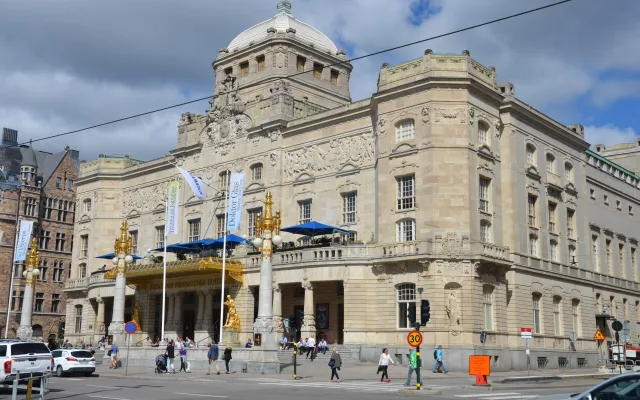
Stockholm
The Venice of the North — Gamla Stan, the Vasa Museum, Skansen, and the islands of the Stockholm Archipelago.
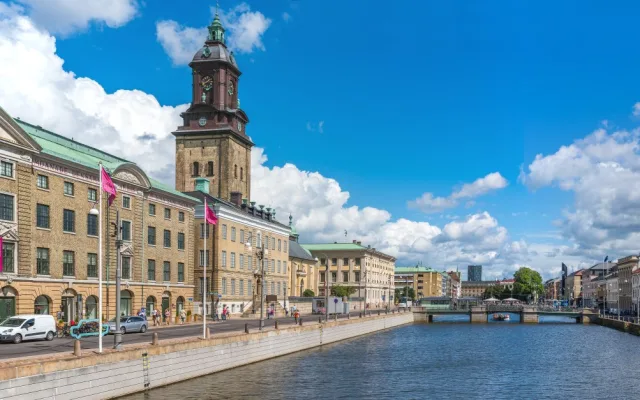
Gothenburg
Sweden's second city — the wooden houses of Haga, Liseberg amusement park, the Feskekörka fish market, and ferries to the southern archipelago.
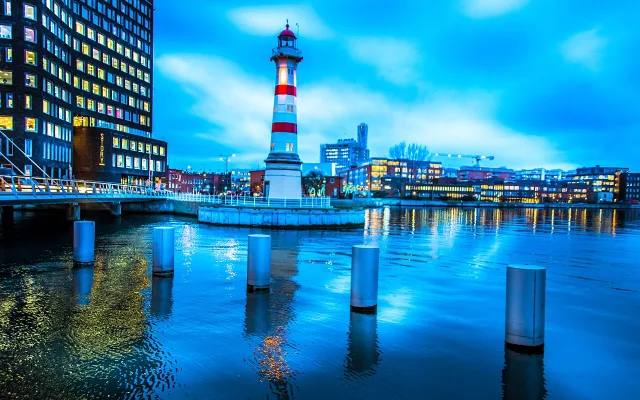
Malmo
Sweden's multicultural port city across the Øresund Bridge from Copenhagen — Turning Torso, the Möllevången district and the waterfront.
What to see
#The Vasa ship: The first thing to see in Sweden. This enormous seventeenth-century warship survived three hundred years underwater almost intact, and standing next to it is genuinely startling.
Gamla Stan: A maze of cobbled alleys and painted houses, where you can catch the changing of the guard outside the royal palace. It's small enough to walk in an afternoon.
Skansen: The world's oldest open-air museum, and a good family outing for elk, reindeer and reconstructed old Swedish farmsteads. Allow half a day.
Stockholm metro: An art gallery blasted into rock, with unique murals or installations at almost every station. The blue line is the most striking, and a single ticket lets you ride and look.
Aurora Sky Station: In Abisko National Park, the odds of catching the northern lights are as high as anywhere on earth thanks to the microclimate known as the blue hole.
ABBA Museum: An interactive space on Djurgarden island where you can sing along with holograms of the four of them and see the original costumes. More fun than it sounds.
Icehotel: At Jukkasjarvi you can tour rooms carved entirely from ice, which melt every spring and are rebuilt each winter from the water of the Torne river.
Prices
#Cash: Sweden has gone further than almost anywhere in abandoning notes. Many shops and cafes display signs saying they no longer accept cash at all, so a working card is essential rather than optional.
Cards: Visa and Mastercard are accepted universally, including on buses and at market stalls, and contactless is the default. American Express is taken less widely. Bring two cards, because being without one here leaves you genuinely stuck.
Getting local currency: Sweden uses the krona, not the euro, and you'll rarely need physical cash. If you want some, use a bank ATM or change euros at a Forex bureau at a station or port rather than the airport.
Fees: A Wise or Revolut card avoids the worst foreign transaction charges, which matter here given how many small payments you'll make by card.
Tipping: Tipping isn't an obligation in restaurants, but rounding up or leaving around five percent is a decent gesture for good service.
| Item | Price (USD) |
|---|---|
| Dagens lunch set | 14 |
| Dinner for one | 35 |
| Coffee and a bun | 8 |
| Fast food burger | 11 |
| Metro ticket | 4.5 |
| 24-hour travel pass | 18 |
| Vasa Museum | 21 |
| Hostel dorm bed | 30 |
| Guesthouse night | 75 |
| Beer in a bar | 9 |
| Bottle of wine in a shop | 12 |
| Archipelago ferry | 10 |
| Intercity train ticket | 40 |
| Airport train | 25 |
Getting around
#Trains: SJ's fast services are the best way to travel between cities. Book online well ahead, because a walk-up fare at the station can be double the price.
City transport: Stockholm runs the unified SL system, and you can pay by tapping a bank card at the gate or through the official app. No separate travel card is needed.
Buses: Budget operators like FlixBus save you money when trains are expensive on your dates and the journey time doesn't matter.
Ferries: The commuter boats are part of the city transport network and get you out to the Djurgarden museums with panoramic views thrown in.
Bikes: Swedish cities are laced with cycle paths and hire schemes are available on almost every corner through their own apps.
Domestic flights: Flying to Kiruna from Stockholm takes ninety minutes against roughly fifteen hours on the overnight train. The train is the better story; the flight is the better use of time.
Getting here: Stockholm Arlanda has direct flights from most European hubs plus New York, Chicago, Doha and Istanbul, while Gothenburg and Malmo are served by budget carriers from across Europe. Taxis are extortionate, so use Uber or Bolt where the fare is visible up front.
Where to stay
#Hostels: Swedes do these unusually well. You can sleep aboard an old sailing ship in central Stockholm or in a converted royal prison, for the price of an ordinary dorm.
Hotels: Chains like Scandic deliver reliable service and very good breakfasts, which are usually already in the room rate.
Guesthouses: In smaller towns and up north this is the most welcoming option, and the owners will point you at the best walking trails and places to eat.
Wild camping: Under Allemansratten you may pitch a tent for a single night almost anywhere in the countryside, provided it isn't a private garden or working farmland.
Booking ahead: For peak July dates and the Christmas period, popular places sell out several months in advance.
Mountain huts: The STF association's huts in Lapland let you sleep comfortably on long trekking routes far from anything else.
Watch for: Many budget places charge separately for bed linen and the final clean, so read the listing carefully before you compare prices.
What to eat
#Dagens lunch: Look for this sign between eleven and two, when restaurants serve a set lunch including salad, bread and coffee. It's by far the cheapest way to eat properly in Sweden.
Meatballs: Classic kottbullar with lingonberry jam and mashed potato are the backbone of the cuisine, served both in canteens and in expensive restaurants.
Fika: The compulsory coffee break with a cinnamon bun. Swedes genuinely can't imagine a productive working day without one, and joining in is the easiest cultural entry point there is.
Seafood: On the west coast in Gothenburg, order fresh prawns, oysters and gravlax cured salmon with its dill and mustard sauce.
Alcohol: Spirits and stronger beer and wine are sold only at state Systembolaget shops, which close early and never open on Sundays. Plan accordingly.
Surstromming: For the brave, fermented herring with a famously violent smell, traditionally opened and eaten outdoors only.
Tap water: It's exceptionally clean and perfectly drinkable, so don't waste money on bottled water in the supermarkets.
Safety
#Overall: You'll feel comfortable at any hour, though it's worth keeping an eye on your bag and wallet where tourists gather.
Winter cold: In the forests of Lapland the temperature can hit minus thirty, so dress in layers and don't leave established trails on your own.
Ticks: On summer walks in the countryside, use repellent and check your clothing after being in the woods, since tick-borne illness is a genuine risk.
Mosquitoes: Northern insects are ferocious at the height of summer, especially near lakes in the north. Bring strong repellent.
Driving: If you hire a car in winter, be ready for ice and for wildlife stepping out into the road in forested areas. Elk collisions are the real hazard.
Emergency line: Dial 112 for police, medical help or rescue. Operators speak excellent English.
Personal space: Swedes value distance highly. Don't force conversation on strangers unless you want to come across as pushy.
Etiquette and culture
#Lagom: The philosophy of moderation and balance, not too much and not too little, which shows up in interiors, in dress and in how people conduct themselves.
Shoes off: Take your boots off in the hallway when you enter a Swedish home or a guesthouse. Walking through rooms in outdoor shoes is simply not done.
Punctuality: Time is treated as sacred, and being even a few minutes late reads as disrespect to whoever is waiting.
Recycling: Sorting waste is close to a religion, so expect several bins in your accommodation. Cans and bottles go back to deposit machines in the supermarket.
Right of access: The law lets everyone use the forests and shorelines, but the governing principle is don't disturb, don't destroy.
Design: Swedish style means function and clean simplicity, and you'll meet it everywhere from hotel lobbies to the design of an ordinary park bench.
Reserve: Swedes can seem cool at first, but it's respect for other people's boundaries rather than coldness, and there's real friendliness behind it.
Connectivity
#English: Almost everyone in the country speaks it fluently, so an independent traveller will have no difficulty in cities, hotels or restaurants.
Wi-fi: Available in practically every cafe and on the trains, and fast enough to work or make video calls without trouble.
SIM cards: For data on the move, buy a prepaid SIM from Telia or Comviq at any newsagent. EU residents can simply roam on their home plan.
eSIM: Travel eSIMs work well here and save you the shop visit entirely, which suits a short city trip.
Apps: A lot of daily life runs through local apps, so download the transport maps and current train timetables before you arrive.
Plugs: Sockets are the standard European types C and F. UK, US and Australian plugs need an adapter, and the supply is 230V.
Hej: Swedes use this one word for both hello and goodbye, which makes the first exchange with anyone very easy.
Phrasebook
#| English | Swedish | Pronunciation |
|---|---|---|
| Hi | Hej | hay |
| Bye | Hej då | hay DAW |
| Thanks | Tack | tahk |
| Thanks very much | Tack så mycket | tahk saw MEW-keh |
| You're welcome | Varsågod | VAHR-shaw-good |
| Sorry / excuse me | Ursäkta | oor-SHEK-ta |
| Yes / No | Ja / Nej | yah / nay |
| Coffee break | Fika | FEE-ka |
| How's it going? (slang) | Läget? | LEH-get |
| Cool! (slang) | Fett! | fet |
| Help! | Hjälp! | yelp |
| How much is it? | Vad kostar det? | vah KOS-tar deh |
| Beer | Öl | url |
| Coffee | Kaffe | KAH-feh |
| The bill, please | Notan, tack | NOO-tan tahk |
| Tasty! | Gott! | got |
| I don't understand | Jag förstår inte | yah fur-STAWR IN-teh |
| Where's the toilet? | Var är toaletten? | vahr air too-ah-LET-en |
| Do you speak English? | Pratar du engelska? | PRAH-tar doo ENG-el-ska |
| Cheers | Skål | skawl |
| Nice (slang) | Najs | nice |
| See you | Vi ses | vee sess |
Good to know
#Transport apps: Download SL for Stockholm and Vasttrafik for Gothenburg to see live arrival times and buy tickets without queuing.
Train booking: The SJ site and app handle intercity reservations and show delays in real time, which matters on long northern routes.
Top-ups: Any Pressbyran kiosk sells starter SIM packs and top-up cards, along with the small travel bits you inevitably forget.
Alcohol timing: Systembolaget is always closed on Sundays and only open until early afternoon on Saturdays. Buy on Friday.
Camping app: Park4Night is invaluable if you're travelling with a tent or a van and looking for legitimate spots to stop.
Airport transfer: The Arlanda Express is the fastest way into Stockholm, but the Flygbussarna coaches take barely longer and cost a third as much.
Museum pass: If you're planning a lot of exhibitions in the capital, price up the Stockholm Pass, which often pays for itself in two busy days.
Frequently asked questions
#Sweden is in the Schengen area, so requirements depend on your passport. Many Western nationals enter visa-free for short stays but will need the new Schengen entry authorisation, so check the current rules for your own country before booking.
Budget travellers staying in hostels and eating set lunches manage on 70 to 90 dollars a day. Hotels, museums and restaurant dinners push that to 150 to 200 dollars per person.
The season runs from late September to late March, when nights in Lapland are longest and darkest. Abisko National Park offers the best odds anywhere, because its microclimate keeps the sky clear more often than the rest of the north.
It's the Swedish right of public access, which lets anyone walk in the forests, pick berries and pitch a tent for one night even on private land. The conditions are simple: don't disturb the landowner, don't damage anything and leave no trace.
The water is of exceptional quality and safe to drink straight from the tap anywhere in the country. Refilling a bottle saves a lot of money, since bottled water in supermarkets is absurdly expensive.
No. The overwhelming majority of Swedes speak excellent English, and menus, station signage and museum information are all duplicated in English.
Yes, and in many places you must, because a growing number of shops and cafes refuse cash outright. Carry two cards and don't rely on finding an ATM.
Four days does Stockholm and the archipelago properly. A week lets you add Gothenburg or Gotland, and a Lapland trip for the aurora or the Icehotel needs three to four days of its own.
Yes, but with restrictions. Registration is mandatory for drones from 250 g — lighter models can fly without it. You also need to pass a test and hold a pilot certificate. Common EASA rules apply: operator registration is required for drones from 250 g, and for any drone with a camera — which covers virtually every consumer model. You also need the free A1/A3 online test, and the operator ID must be stuck on the drone. One registration is valid across the whole EU. Rules for other countries are in the drone ranking by country.
It depends on where your licence was issued. Car rental starts at 21. EU licences work as they are. With Russian or other non-European licences rental companies usually ask for an IDP — without one they may refuse to rent and police may fine you. A 125 cc scooter is available on a category B licence after three years of driving experience. Rules for other countries are in the driving and rental table.
You can rent a bike; whether you need an international driving permit depends on where your licence was issued. A scooter up to 125 cc can be ridden on category B; anything bigger needs category A. A helmet is compulsory. Bike rental usually starts at 18. A 125 cc scooter needs category B with three years of experience; anything bigger needs category A. Helmets are mandatory across the EU. Rules for other countries are in the driving and rental table.
Updated
The data on this page goes out of date. Visa rules and permitted stays, border requirements, prices and budgets, transport and local conditions all change fast, and we do not re-check every page every day. We show the date of our last check where we have one, but before you travel, verify with official sources: the country’s consulate, its immigration service, its e-visa portal and your carrier.