 Города и дороги
Persepolis was founded around 518 BC by Darius I as the ceremonial capital of the Achaemenid empire; Xerxes and Artaxerxes continued the building.
The terrace
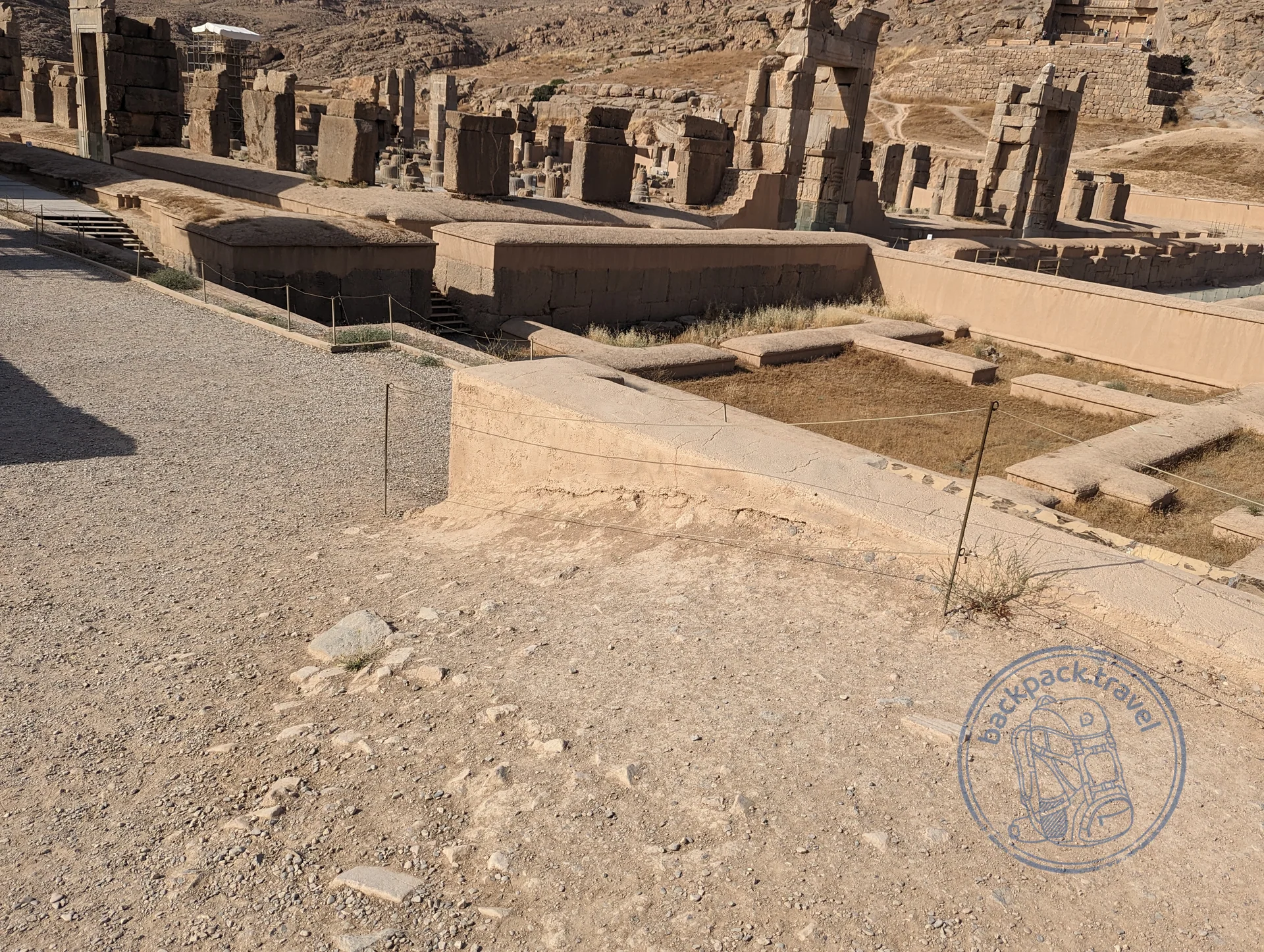
The complex stands on an artificial terrace of about a hundred and twenty-five thousand square metres, cut into the slope of Mount Rahmat and paved with stone slabs. A double staircase with shallow steps leads up to it, shallow enough to be ridden up on horseback.
The Apadana
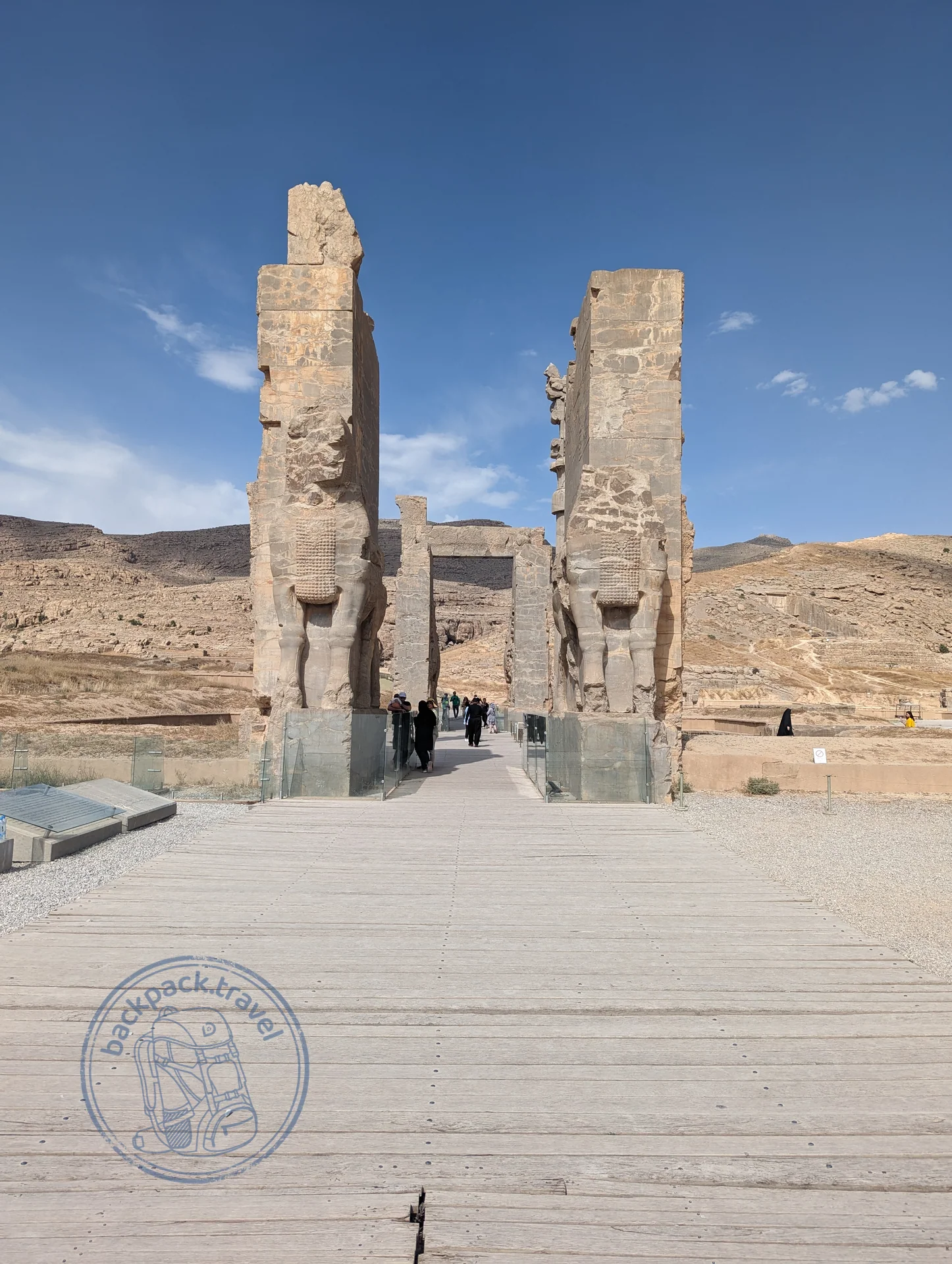
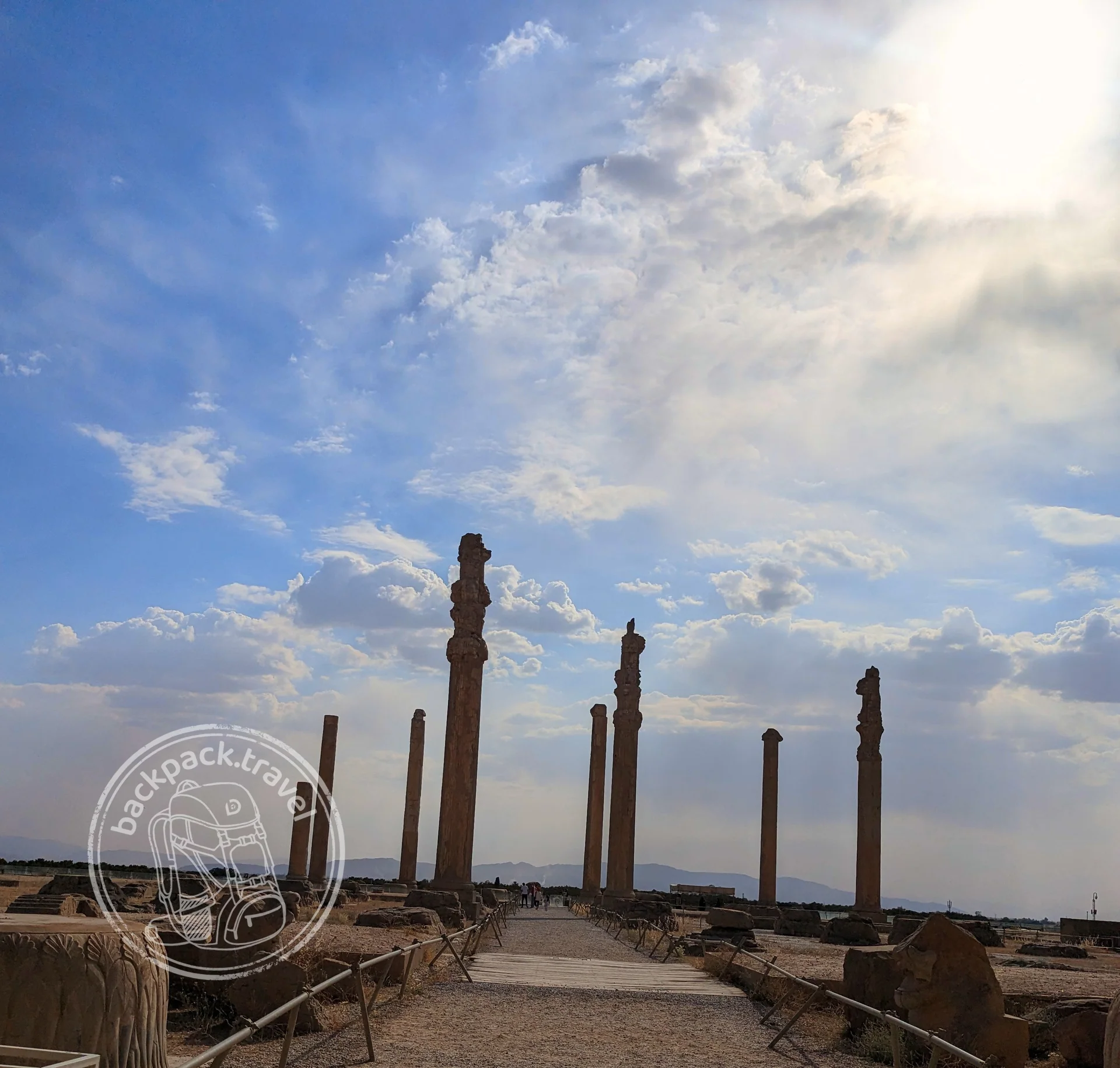
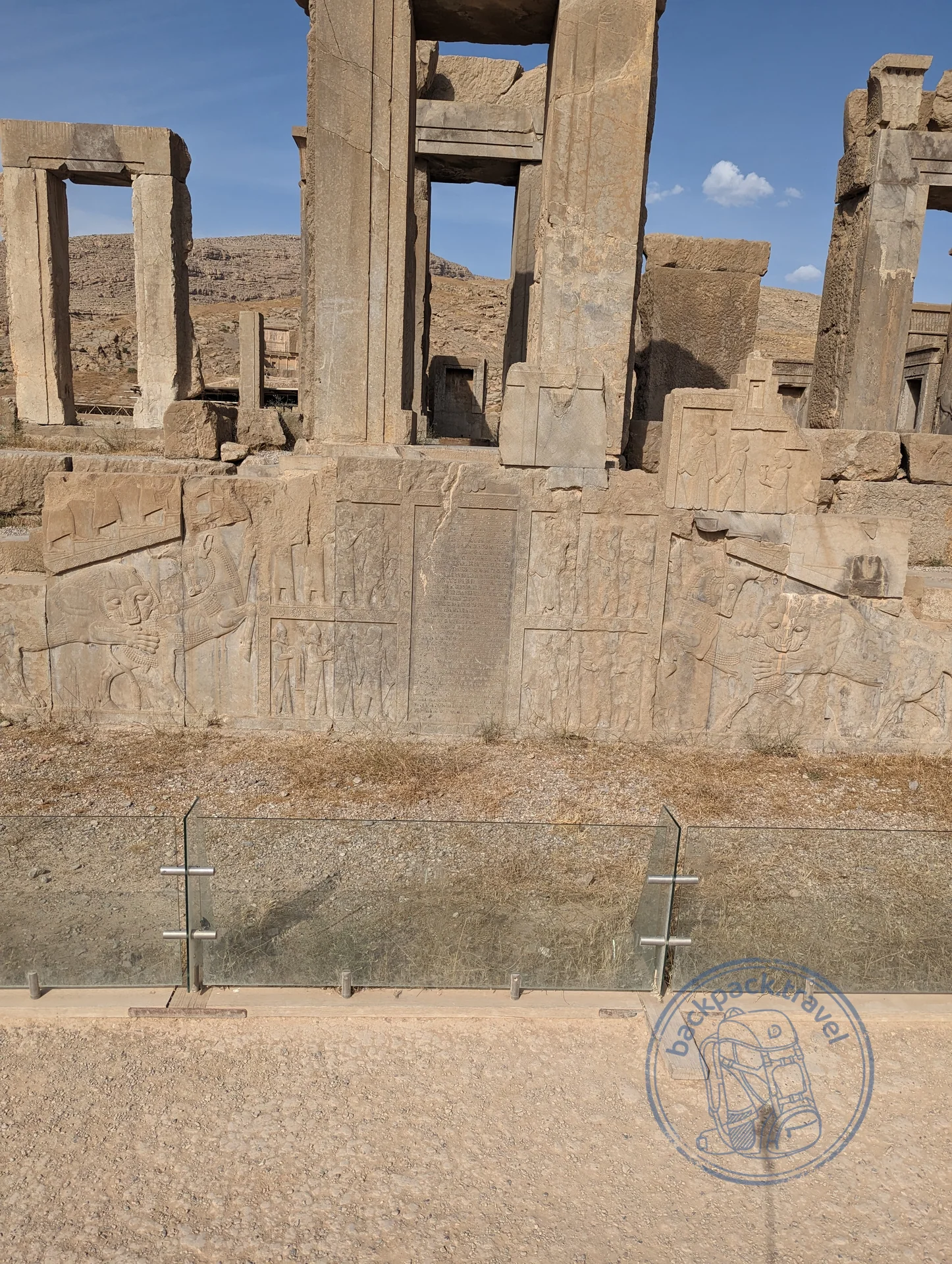
Beyond the Gate of All Nations with its winged lamassu bulls opens the Apadana, the audience hall, whose roof was carried on seventy-two columns about twenty metres high; thirteen survive. The reliefs on the Apadana staircases show a procession of delegations from the subject peoples bringing gifts: each is recognisable by dress, hairstyle and offering, and the whole is in effect a catalogue of the empire in stone.
Palaces and the fire
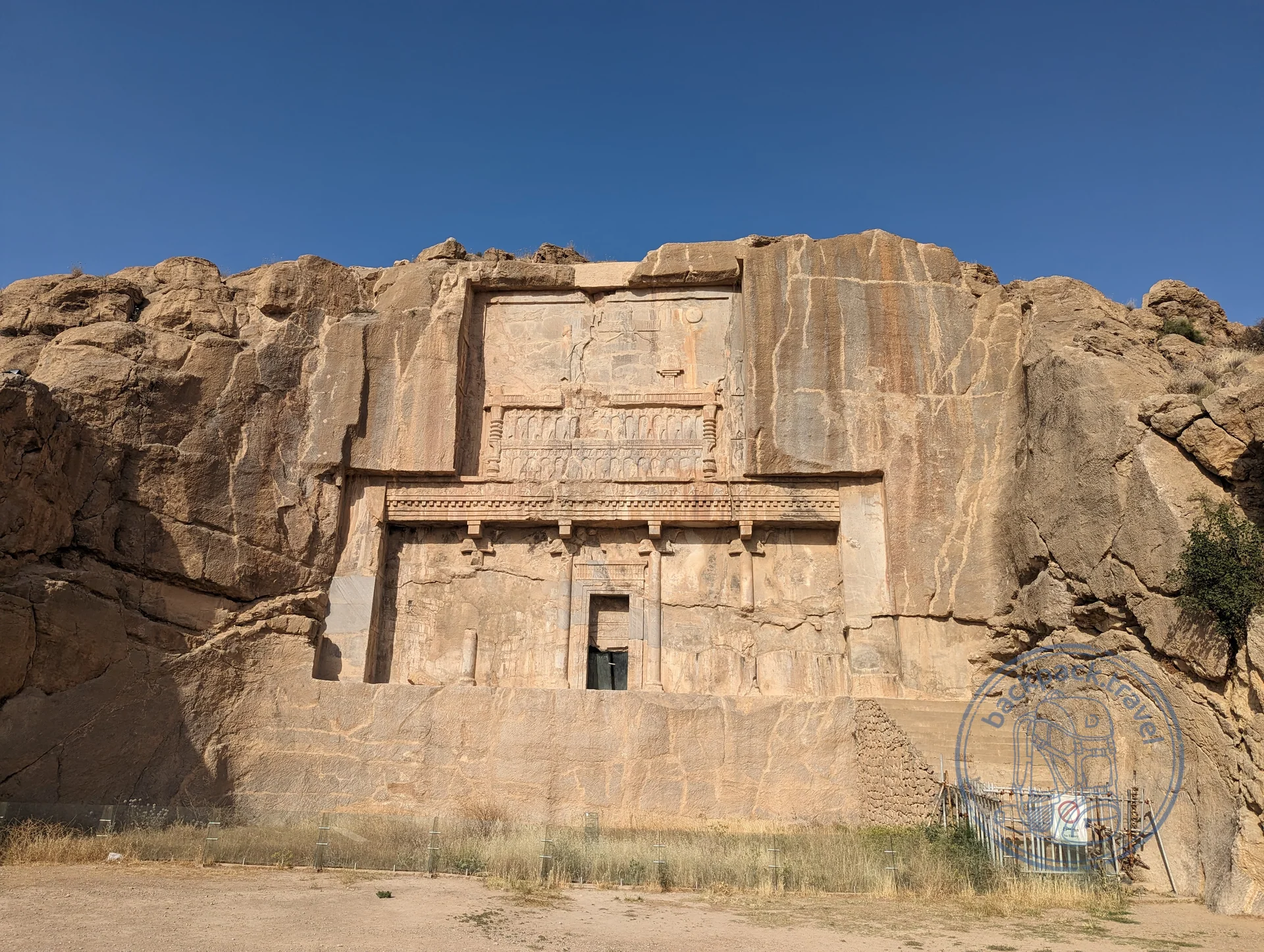
The palaces of Darius and Xerxes and the Hall of a Hundred Columns stand nearby. In 330 BC the city was burned by Alexander's army, deliberately or in drunken revelry, depending on which source you follow. Excavation began in the 1930s, and Persepolis was inscribed by UNESCO in 1979.
Visiting
The site is vast and open with almost no shade, so in summer people come at opening time or towards evening, with water and a hat. Allow two to three hours. Persepolis is about an hour from Shiraz and is usually seen together with Naqsh-e Rostam. Payment is in cash only: foreign cards do not work in Iran.
- Address
- Marvdasht, Fars Province · an hour from Shiraz
- Opening hours
- Daily 8:00–18:00; the museum an hour longer
- Prices
- Foreign visitors 500,000 IRR, museum 200,000 more
On the map
Reviews (0)
No reviews yet. Be the first!
Updated