 Города и дороги
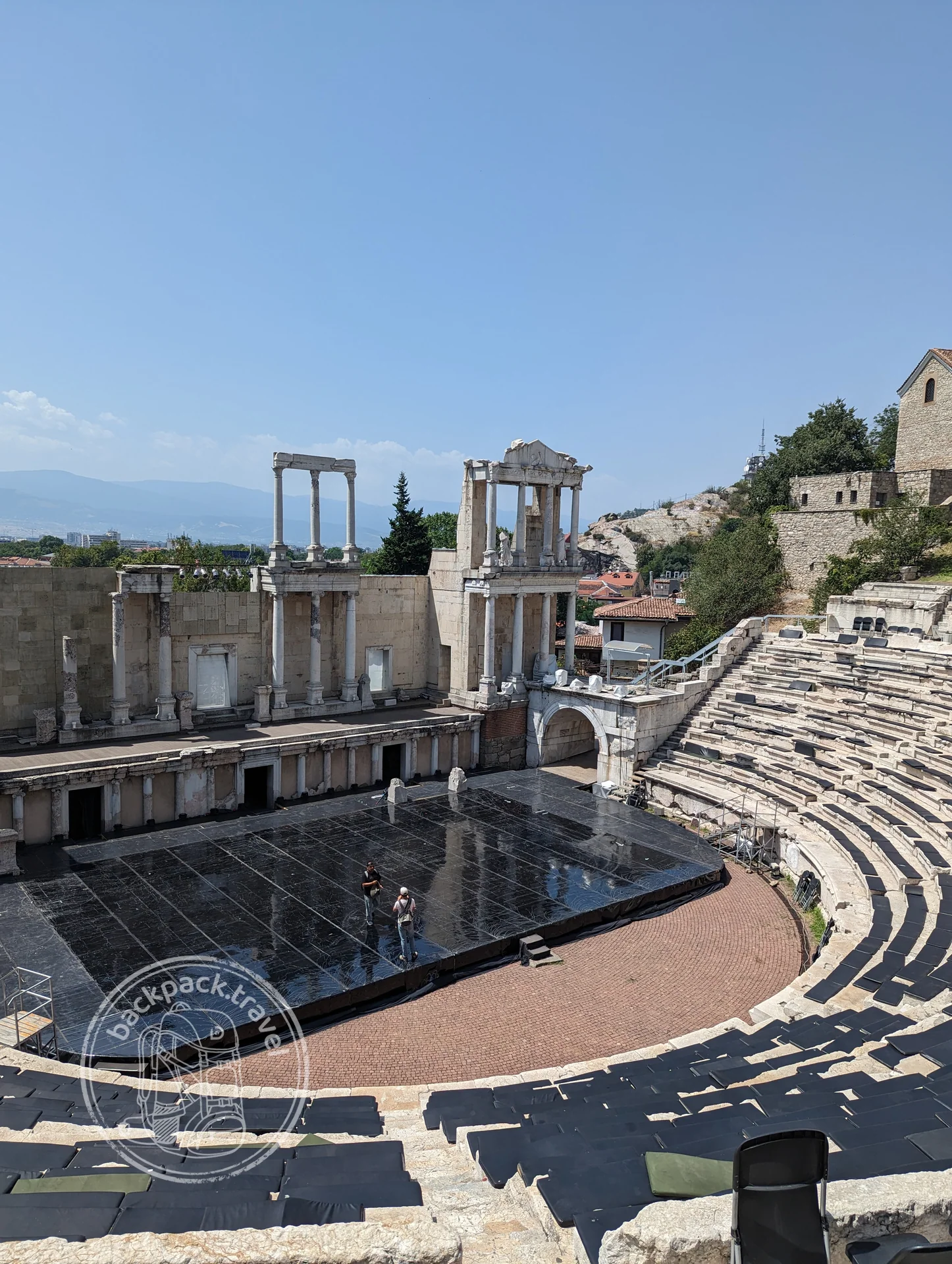
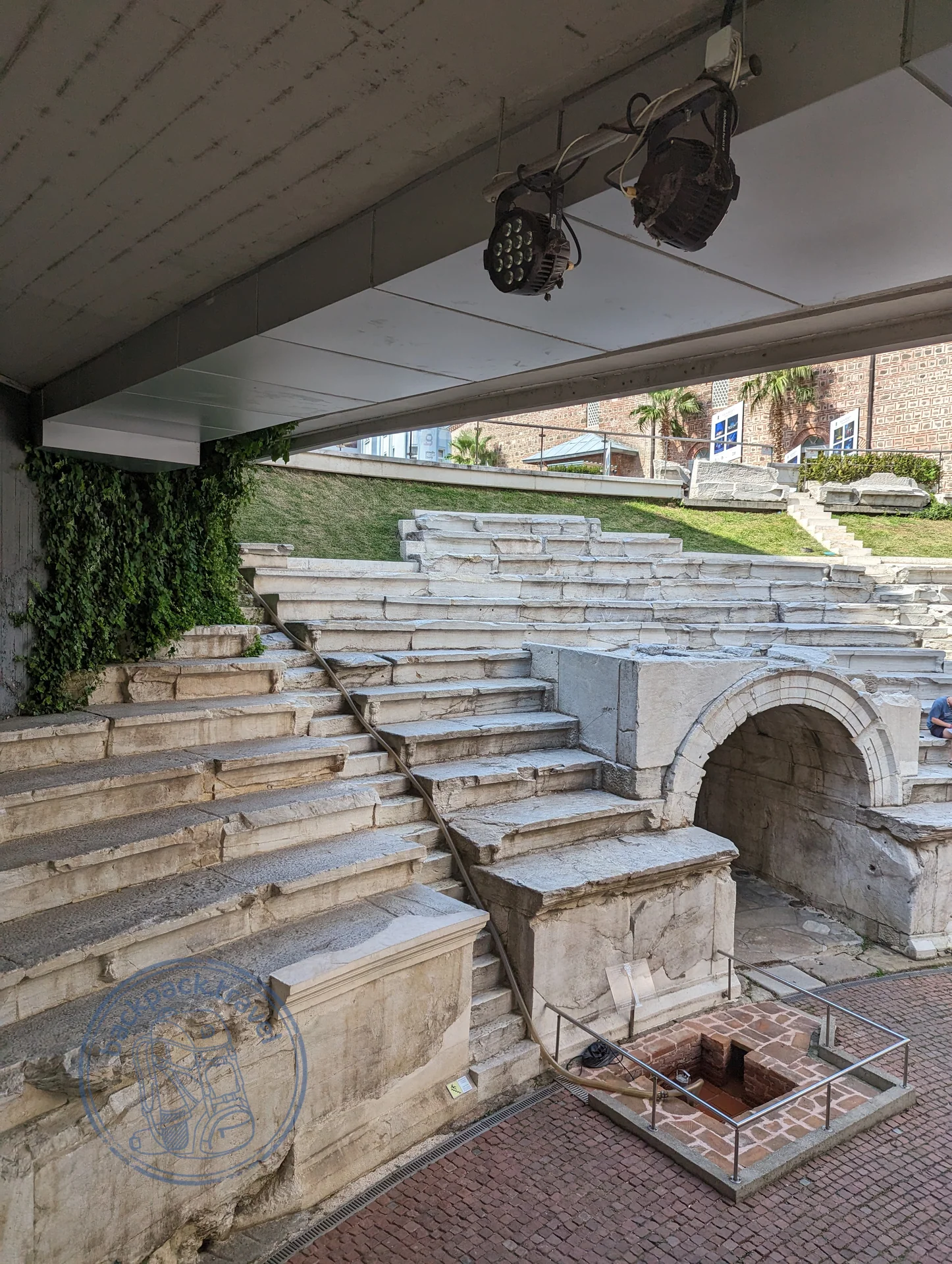
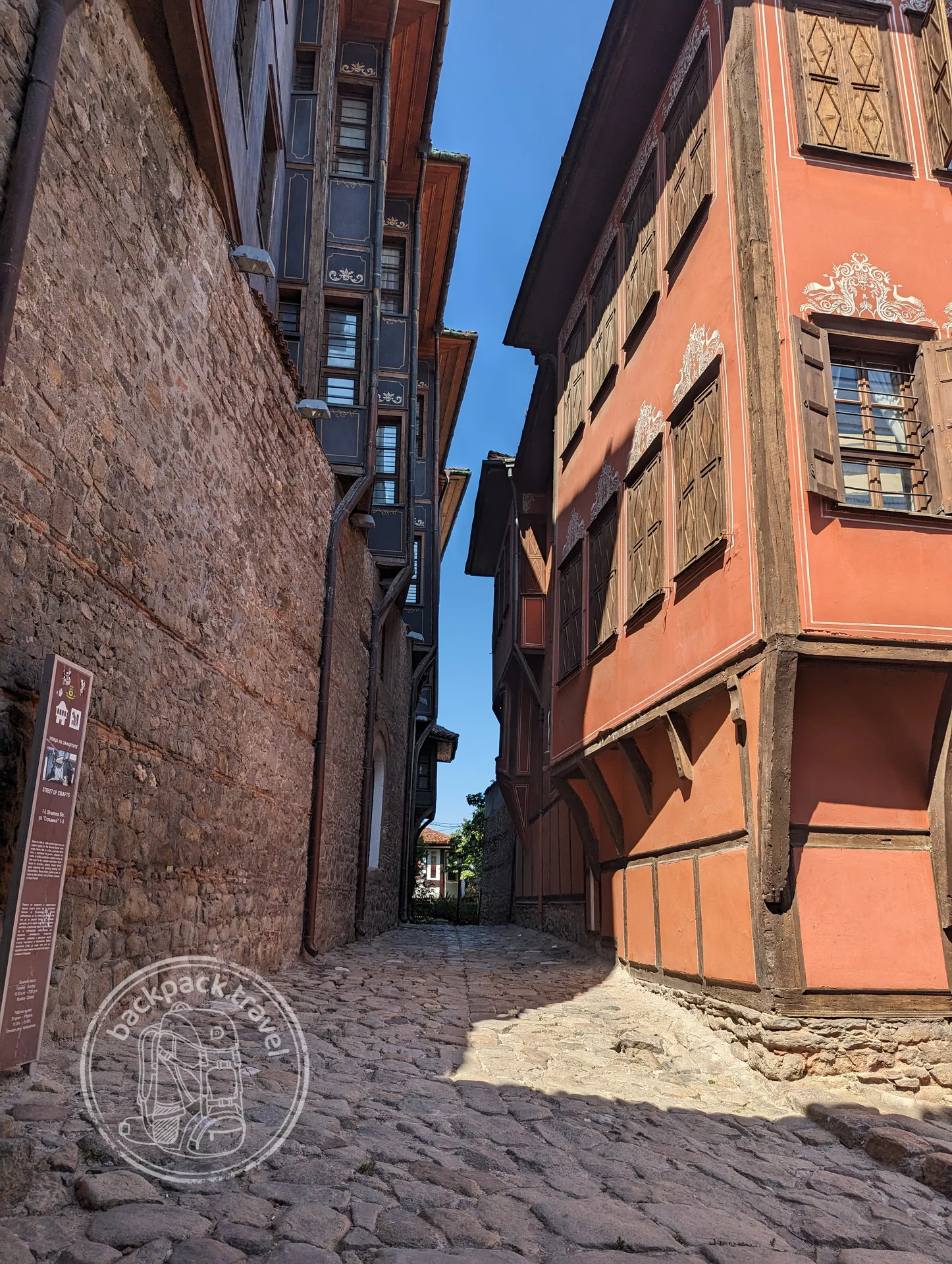
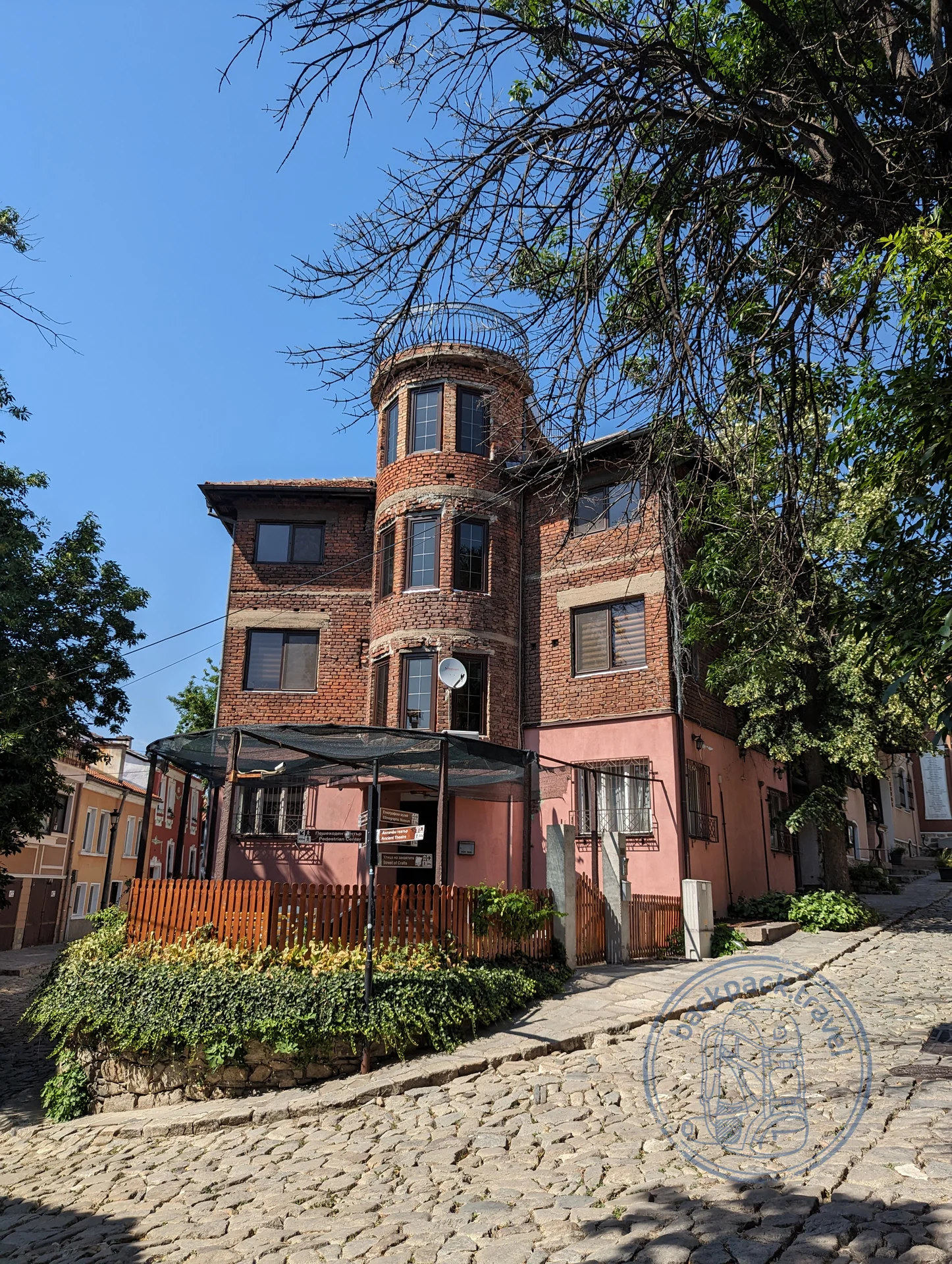
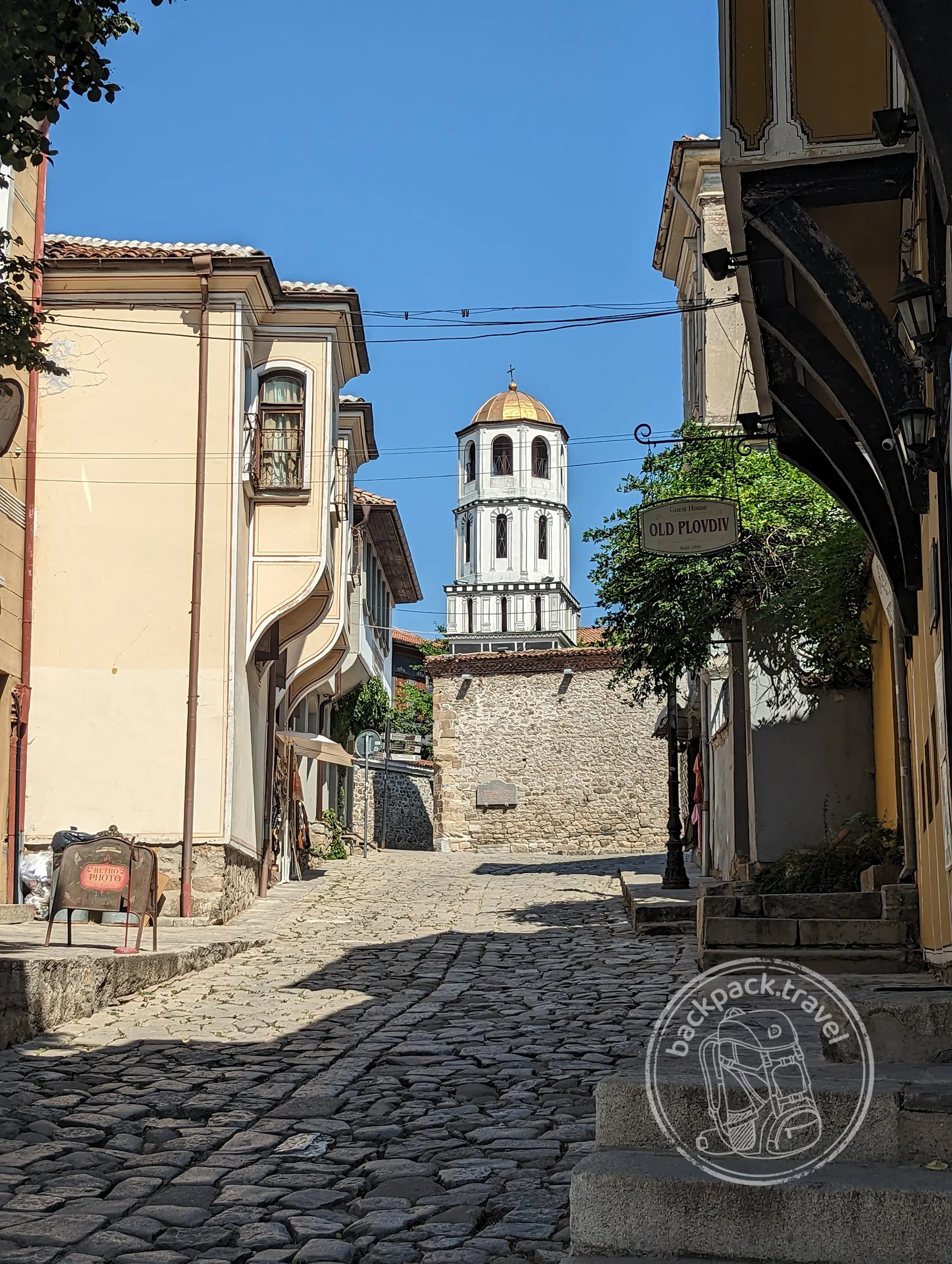
A quarter spread over three hills, with cobbled streets and houses of the Bulgarian National Revival — the second half of the nineteenth century, when Plovdiv's merchants grew rich on the trade in rose oil and textiles. The building type here is its own, and it is even called the Plovdiv house: a stone ground floor, wooden upper storeys jutting far out over the street on carved brackets, a symmetrical facade with a bay window in the middle, and painting on the plaster — floral ornament or views of the cities the owner had travelled to. The best known houses — the Balabanov House, the Lamartine House, the Kuyumdzhioglu House — are open as museums. Beneath the Revival layer lies an ancient one: Plovdiv was the Thracian Eumolpias and the Roman Trimontium, and fragments of walls and paving keep surfacing among the quarters. The streets climb steeply, and the cobbles are large and slippery after rain. Plovdiv claims the title of the oldest continuously inhabited city in Europe.
- Address
- Todor Samodumov, Plovdiv
On the map
Reviews (0)
No reviews yet. Be the first!
Updated