 Города и дороги
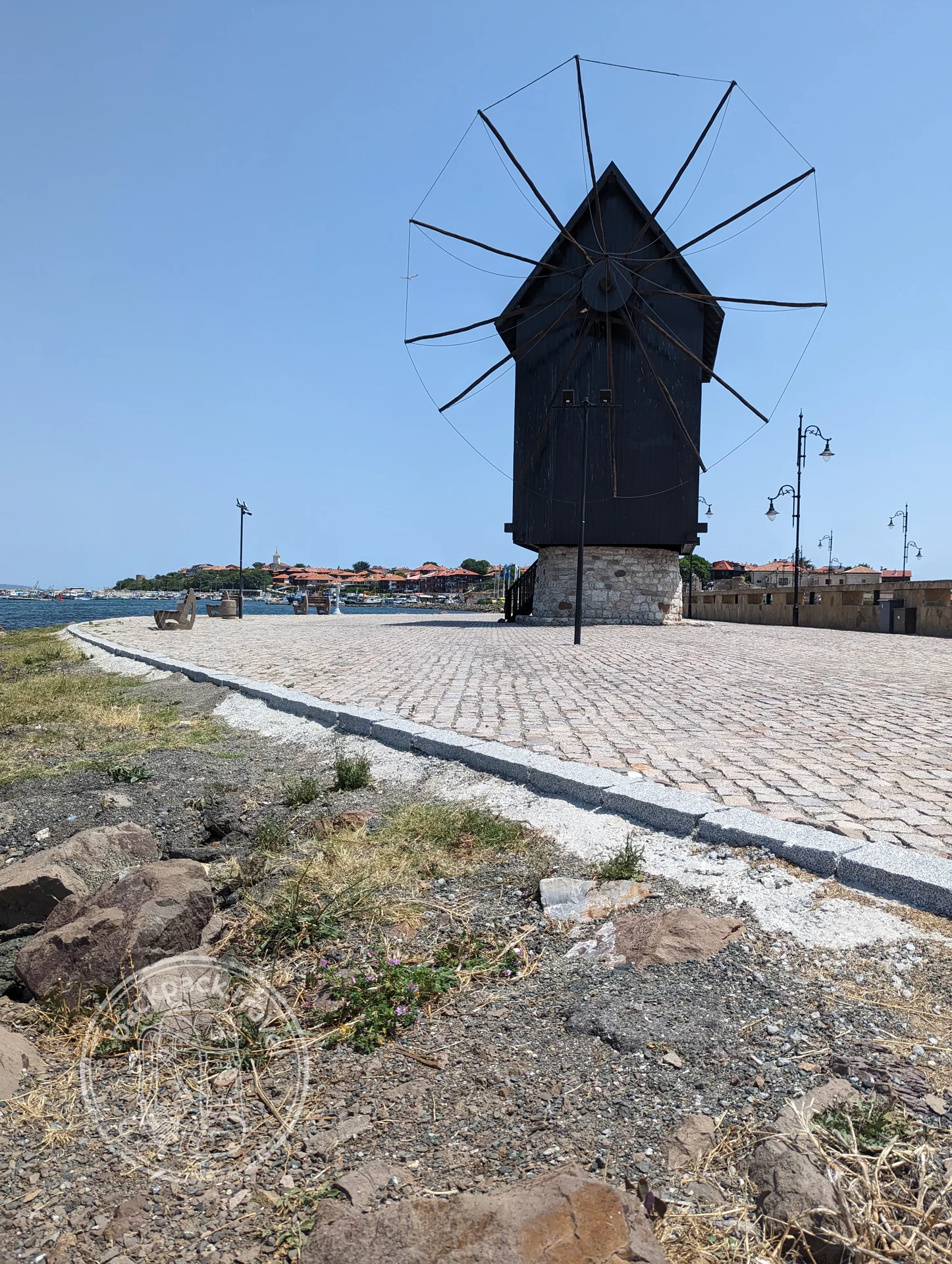
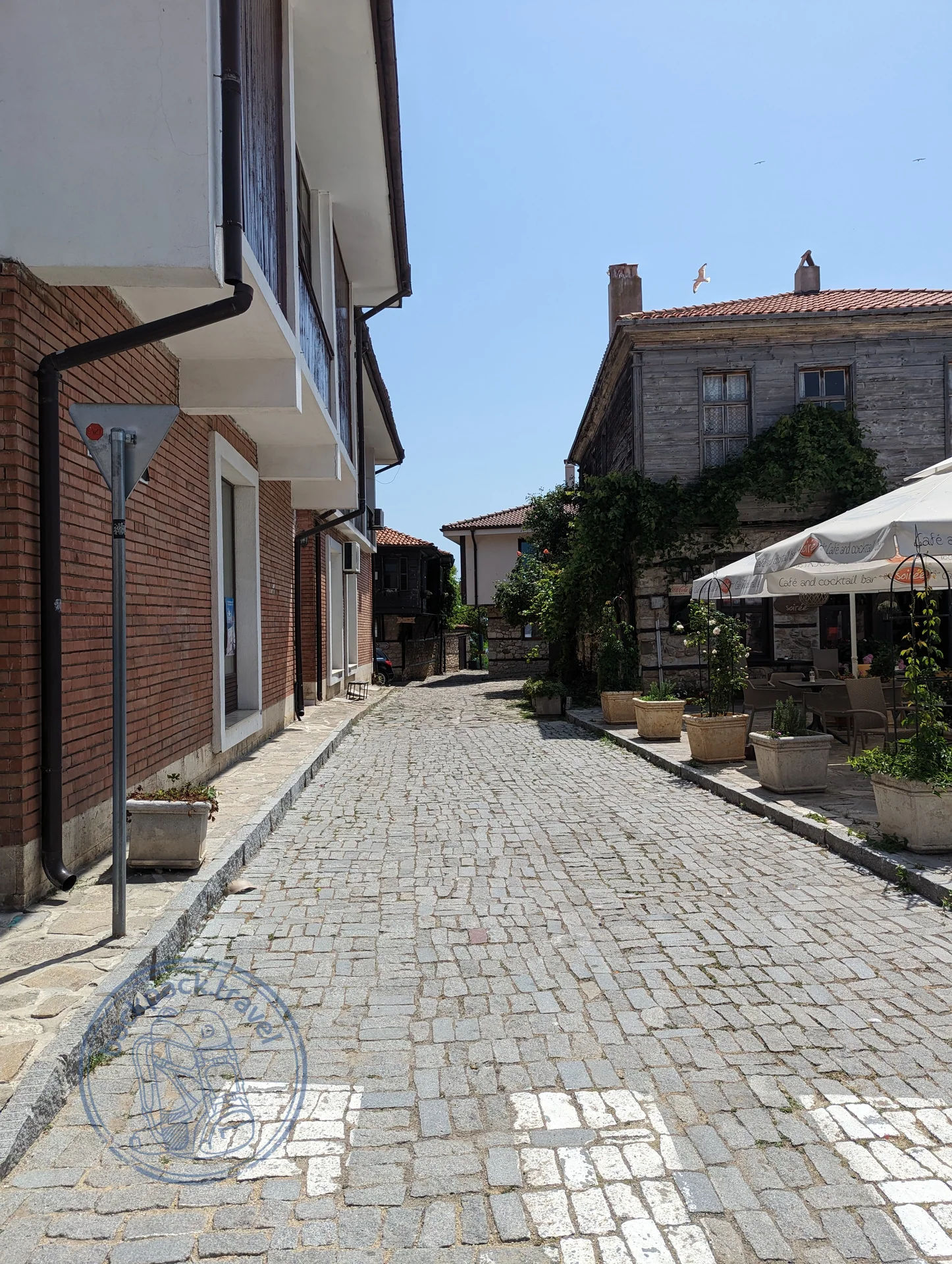
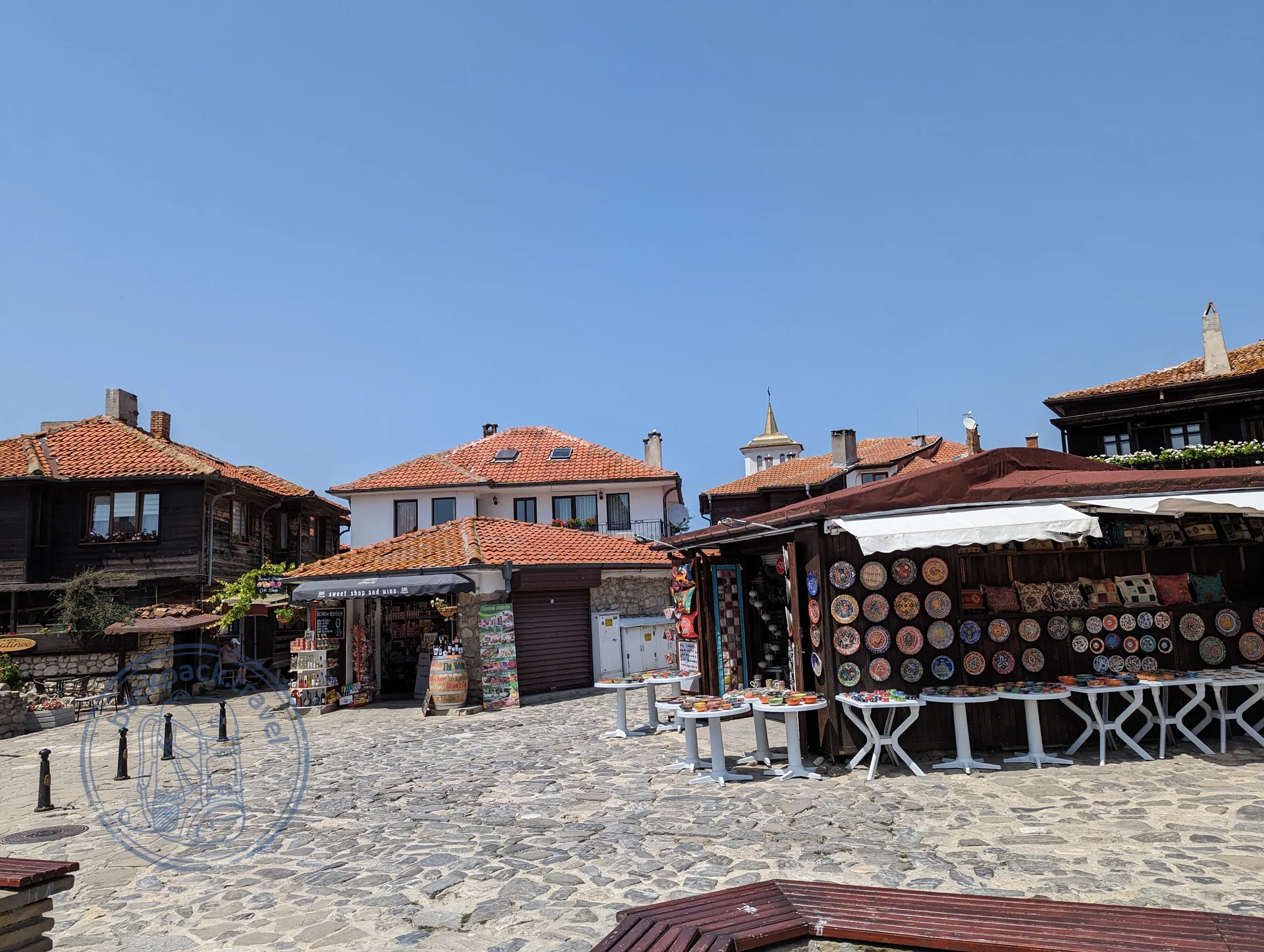
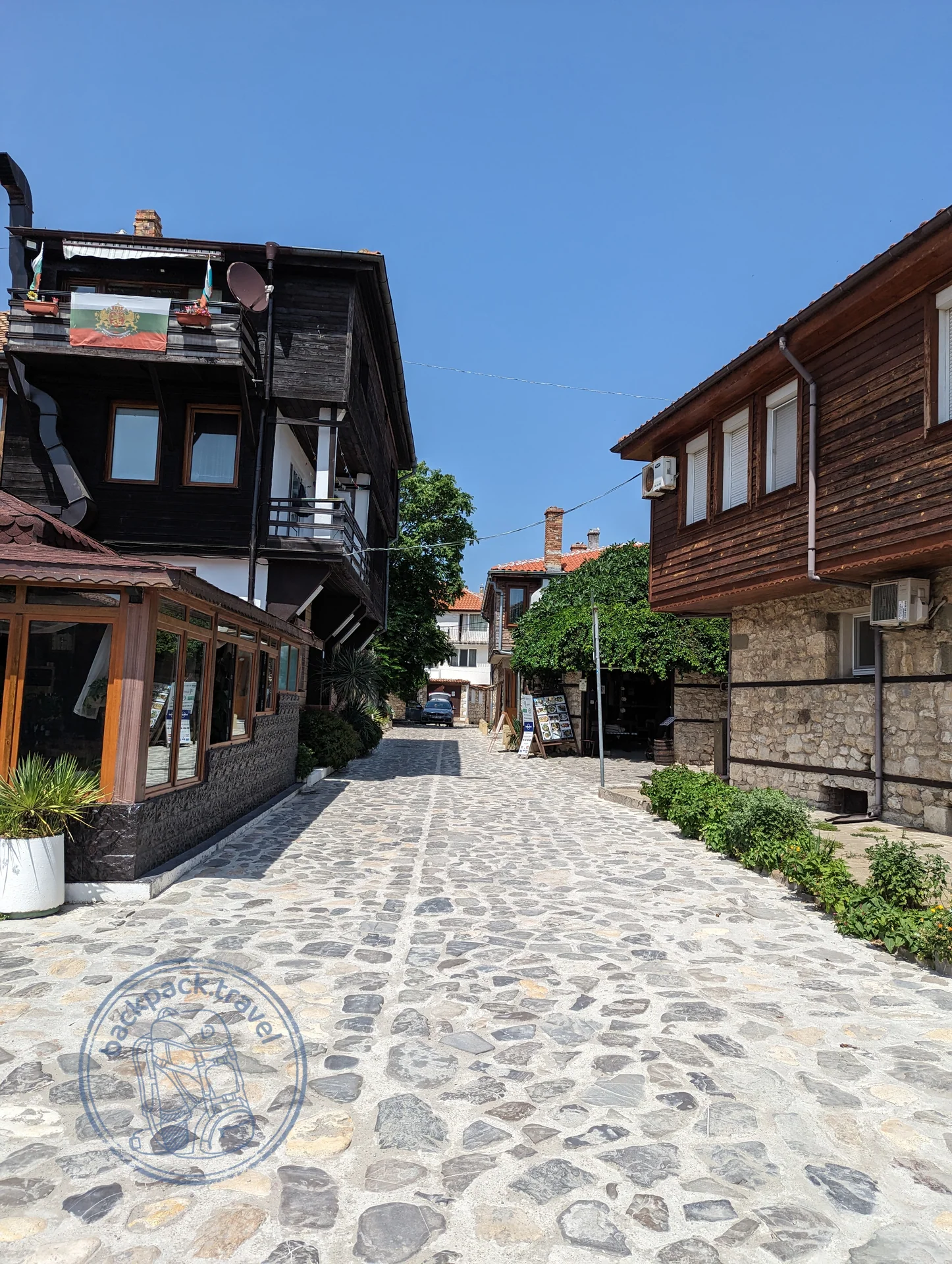
A small town on a rocky peninsula joined to the shore by a narrow isthmus — the Thracian Mesembria, later a Greek colony, then a Byzantine and Bulgarian port. Inside the fortress walls, on an area of less than a quarter of a square kilometre, stand the remains of more than forty churches from different periods; those that have survived intact date from the tenth to the fourteenth centuries and are built in a distinctive manner — alternating courses of stone and brick, ceramic rosettes and blind arcading across the facades. Over the medieval layer lies a nineteenth-century one: wooden houses of the Black Sea type with a stone lower floor and an overhanging upper one, roofed with dark tiles. The old town is inscribed on the UNESCO World Heritage list. In summer it is crowded with tourists and the streets are packed with souvenir stalls, so a coherent impression is left only early in the morning or late in the evening, once the coaches have gone.
- Address
- Tsar Ivan Asen II, Old Nesebar, Nesebar
On the map
Reviews (0)
No reviews yet. Be the first!
Updated