 Города и дороги
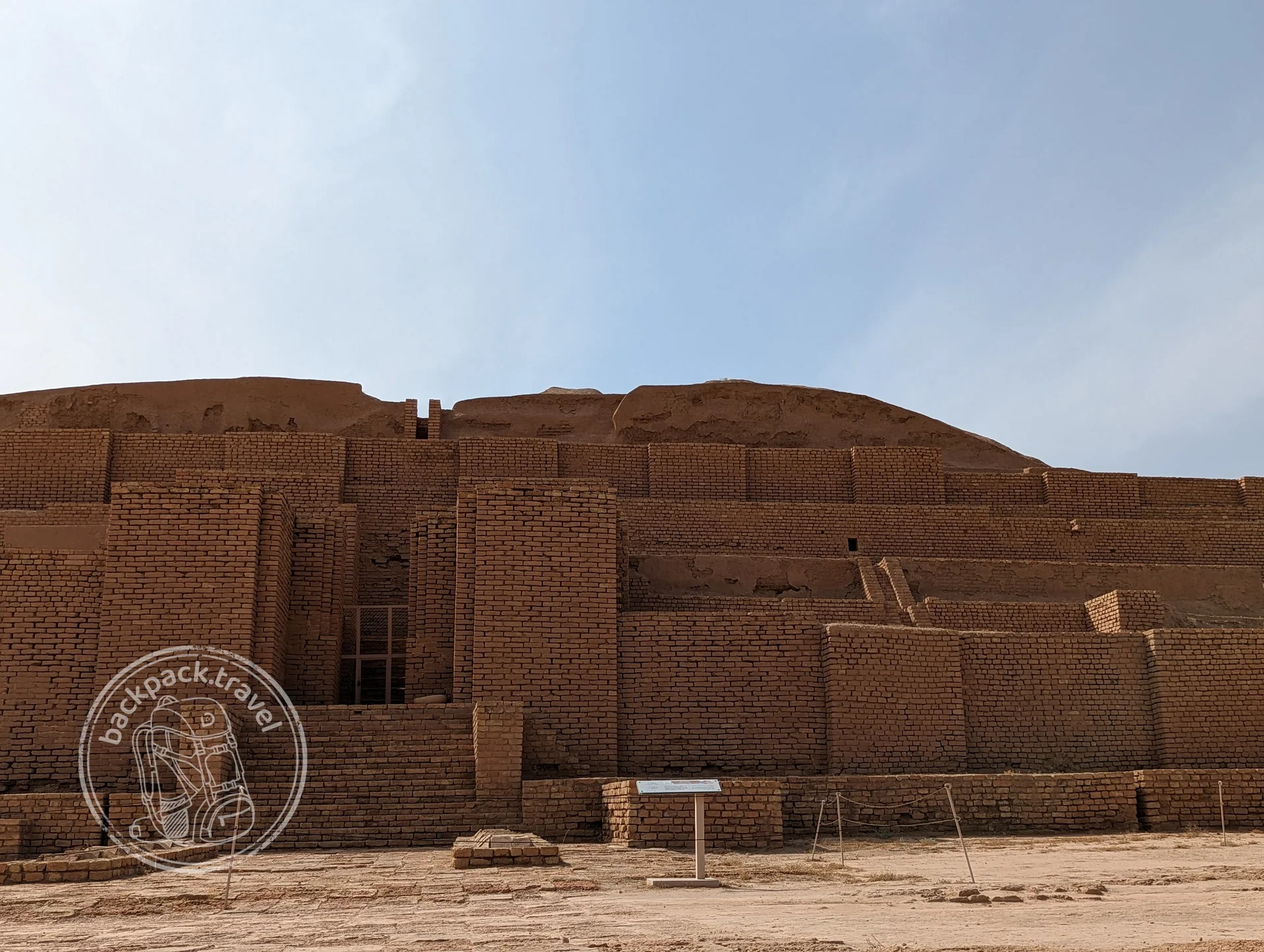
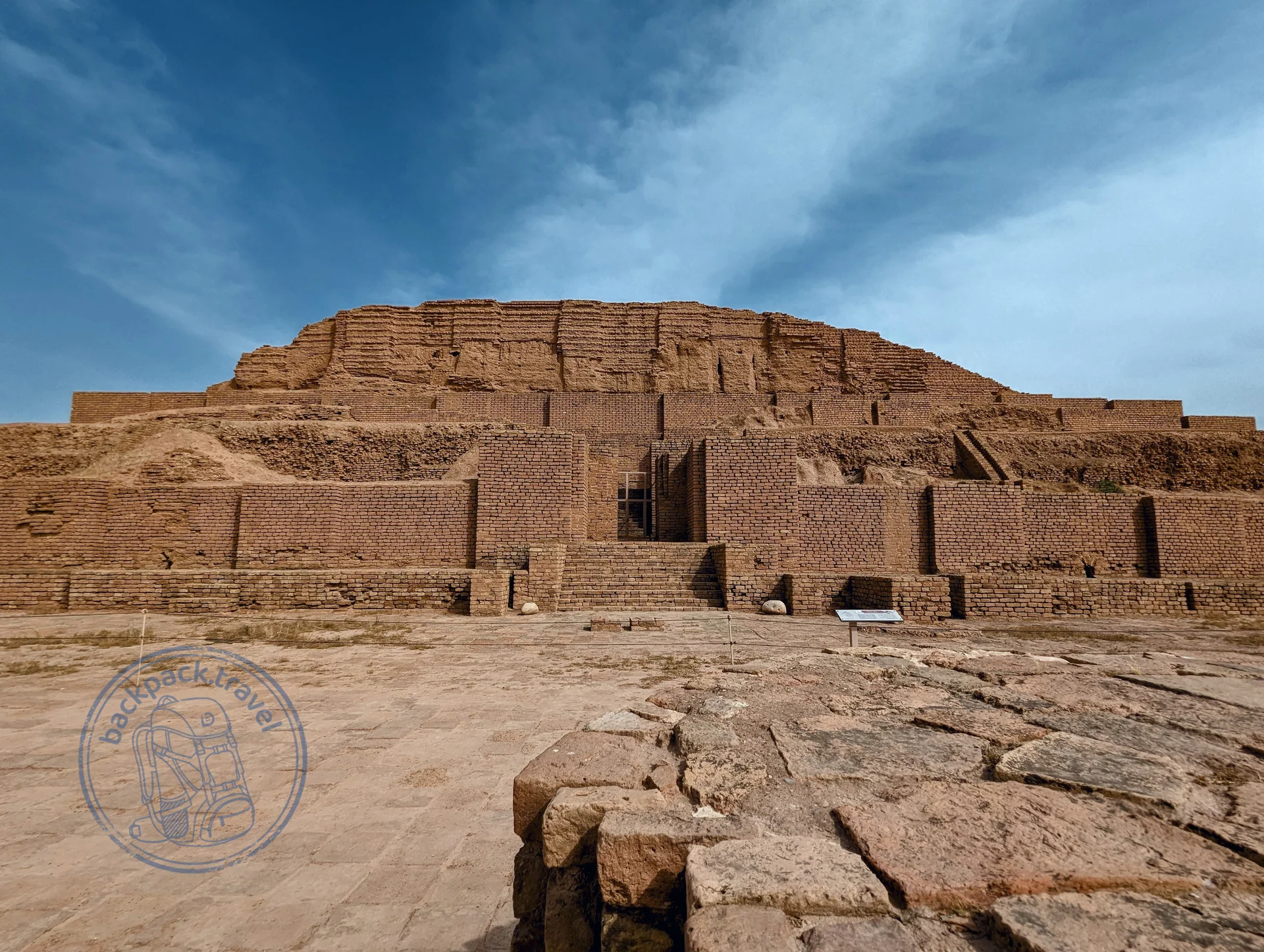
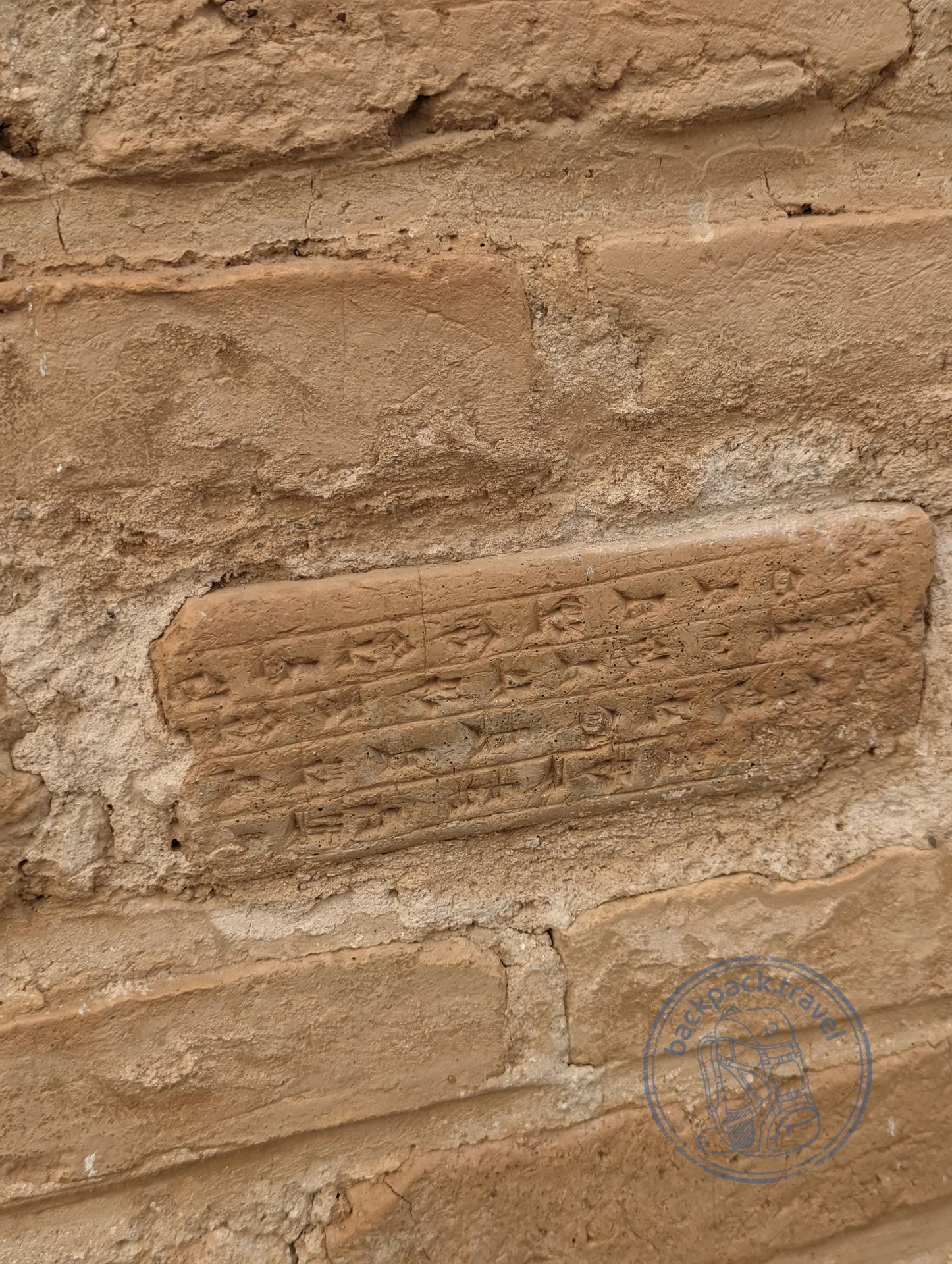
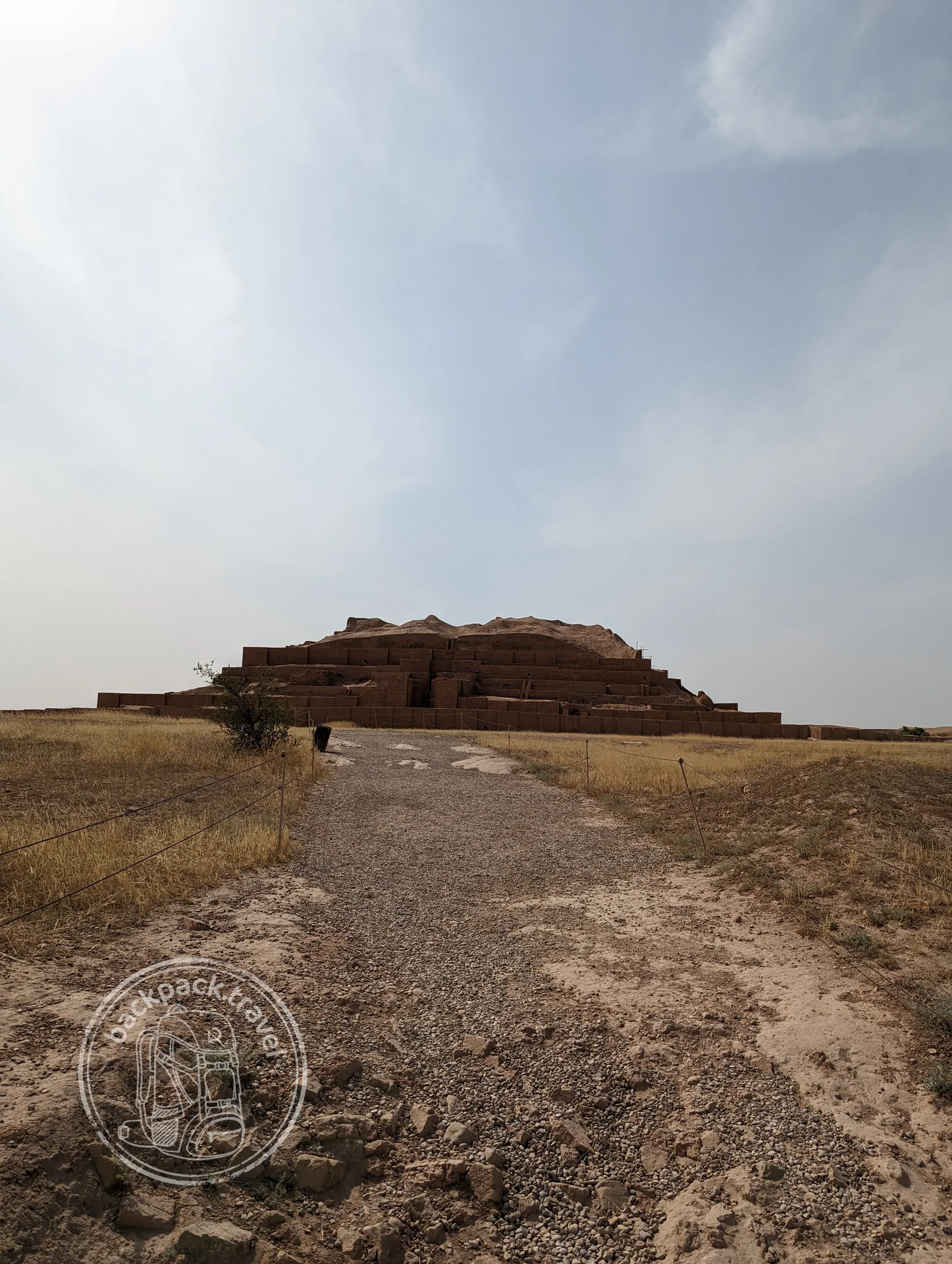
Chogha Zanbil is an Elamite ziggurat built around 1250 BC by king Untash-Napirisha. The city around it was called Dur-Untash and was conceived as a new religious centre of Elam, but after the death of its founder it was never fully settled, and in the sixth century BC it was ravaged by an Assyrian campaign. The base of the ziggurat is a square about one hundred and five metres on a side; originally there were five tiers with a total height of about fifty-two metres, of which some twenty-five survive. The structure is built of mud brick faced with fired brick, and every ten courses the masonry includes bricks with cuneiform inscriptions dedicating the temple to the god Inshushinak. Unlike the ziggurats of Mesopotamia, the tiers here were raised one inside another rather than added on from the outside. Around it lie the remains of temples, palaces and underground tombs, along with clay water pipes. In 1979 the monument became the first Iranian site on the UNESCO list.
The site is open and there is no shade: summer in Khuzestan is unbearably hot, so come only in the cool season or early in the morning, and there is an entrance fee. The ziggurat is about 40 km from Shush and is usually seen on the same trip as Susa. Payment in cash.
- Address
- جاده چغازنبیل, دهستان حسین آباد
On the map
Reviews (0)
No reviews yet. Be the first!
Updated