Description
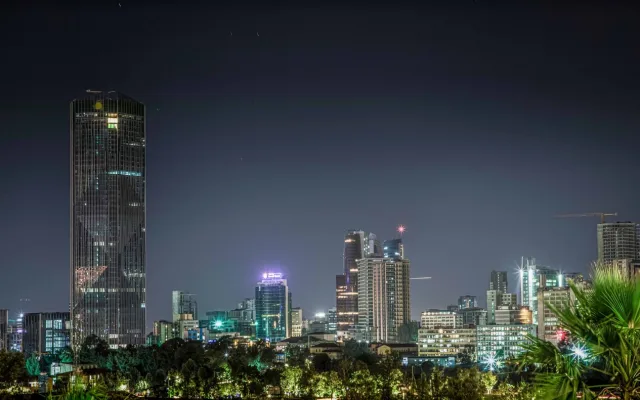
The capital of Ethiopia and headquarters of the African Union — the National Museum with Lucy, the Merkato and coffee ceremonies.
Wiki
Addis Ababa is the political and cultural heart of Ethiopia, spread across cool highland in the centre of the country. Founded in 1886 by Emperor Menelik II and his consort Taytu — whose name for the city means "new flower" — it is today one of Africa's principal diplomatic centres, home to the headquarters of the African Union, regional UN bodies and a great many embassies.
The city in brief
The city lies at about 2,400 metres above sea level, which makes it one of the highest capitals in the world. That altitude keeps the climate mild and temperate all year despite the proximity of the equator. The metropolitan population is estimated at around five million. Addis Ababa is many-peopled: Amharic, Oromo, Tigrinya and numerous other languages are heard here, and Orthodox churches stand alongside mosques. It is a dynamic, fast-growing city where glass business centres sit next to traditional quarters and busy markets.
Main sights
- The National Museum of Ethiopia — home to the cast and fragments of the skeleton of "Lucy" (Dinkinesh in Amharic), an australopithecine female some 3.2 million years old, found in the Afar depression. Beyond palaeontology, the displays cover ancient art, royal regalia and ethnography.
- Holy Trinity Cathedral (Kiddist Selassie) — the imposing Ethiopian Orthodox church in European style, the resting place of Emperor Haile Selassie I and Empress Menen, and the site of memorials to those who resisted the Italian occupation.
- The Merkato — by common agreement the largest open-air market in Africa. A maze of rows selling spices, green and roasted coffee, textiles, leatherwork, silver and baskets; come for the atmosphere, and keep an eye on your pockets.
- Mount Entoto — the historic cradle of the capital and a wooded viewpoint above the city. The palace of Menelik II and the old church of Raguel survive here, and the air smells of eucalyptus.
- The Red Terror Martyrs' Memorial Museum — a restrained and powerful memorial to the victims of the Derg military regime of the 1970s and 80s.
- St George's Cathedral and the National Palace complete the picture of the country's spiritual and state history.
Food and coffee culture
The foundation of the table is injera, a large sour flatbread of teff that serves as both plate and cutlery. With it come various wats — spicy stews of meat, lentils or vegetables — along with tibs (fried meat) and kitfo (minced beef with spices). On fasting days vegetarian platters are popular.
The coffee ceremony deserves separate mention — the unhurried ritual of roasting, grinding and thrice-brewing the beans, accompanied by burning incense. Ethiopia is considered the birthplace of coffee, and it shows in everything, from street cafés to gatherings at home.
Approximate costs
- Lunch at a local café — around 480-810 birr ($3-5).
- Dinner at a restaurant with a folk show — 2,400-4,000 birr ($15-25).
- A coffee ceremony — 320-650 birr ($2-4).
- A minibus ride — about 50 birr ($0.30); a city taxi 320-810 birr ($2-5).
Prices are as of 2026, and both prices and the exchange rate move quickly, so treat these as approximate.
Transport
Bole International Airport (ADD) is the largest aviation hub in the region and the base of Ethiopian Airlines, with flights to many cities in Africa, Asia and Europe. A taxi from the airport into the centre costs roughly 1,600-2,400 birr ($10-15). Around the city, the blue taxis and the Ride and Feres apps are convenient. There is also a light rail (LRT) — elevated lines connecting the key districts, with fares of a token amount.
Three days in Addis Ababa
- Day 1. The National Museum and Lucy, Holy Trinity Cathedral, a walk through the centre.
- Day 2. The Merkato, the Red Terror museum, an evening coffee ceremony and dinner with traditional music.
- Day 3. Up Entoto for the views over the city, the old churches, and an unhurried tour of the coffee houses.
When to go
The most comfortable dry season runs from October to March, with around 20-25°C by day and cool nights. The main rains (kiremt) fall from June to September. September is a particular time: the Ethiopian New Year (Enkutatash) and the festival of Meskel, with its processions and bonfires, offer a deeper sense of the local culture.