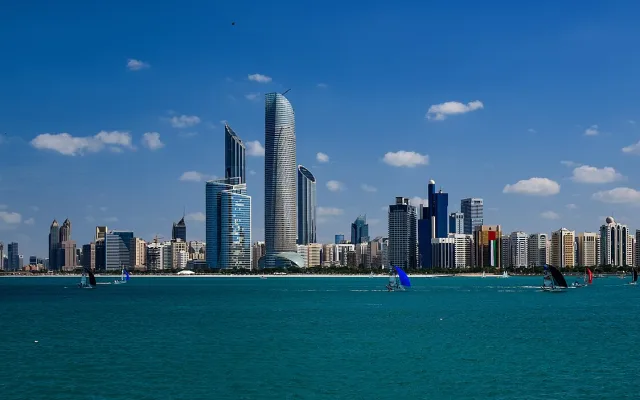
Description
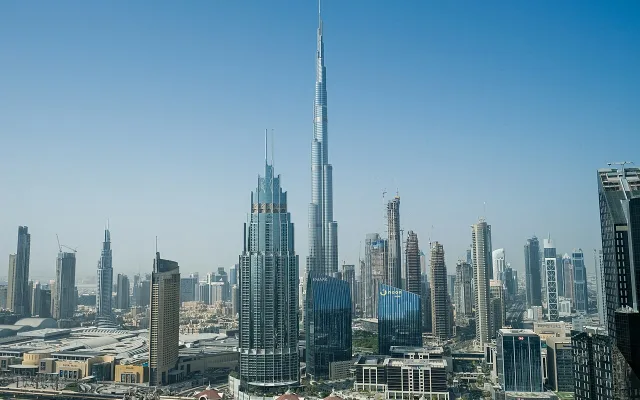
A city of skyscrapers in the desert — the Burj Khalifa, Palm Jumeirah and vast shopping malls.
Wiki
Dubai is the largest and most recognisable city in the United Arab Emirates, grown on the shore of the Persian Gulf from a small fishing and trading settlement into one of the major metropolises of the planet. In just half a century, largely thanks to oil revenues and a deliberate bet on tourism, trade and logistics, a futuristic city of records has appeared here, receiving close to 20 million visitors a year.
History and general character
The first settlements in the delta of Dubai Creek existed as far back as the 18th and 19th centuries, and the local economy long rested on fishing, sea trade and pearl diving. The turning point came in the 1960s with the discovery of oil, and the real ascent at the turn of the 21st century, when the emirate's rulers committed to diversification: free economic zones, the port of Jebel Ali, the Emirates aviation hub and vast development projects. Today Dubai combines two realities: the historic centre along the Creek, with its clay wind towers (barjeel) and souks, and the glittering quarters of Downtown and Dubai Marina with their wall of skyscrapers.
Main sights
- The Burj Khalifa (828 m) — the tallest building in the world and the symbol of the city. The observation decks are on the 124th, 125th and premium 148th floors; tickets are better value bought online in advance, and the views are at their most striking at sunset.
- The Dubai Fountain — a light-and-music complex on the artificial lake at the foot of the skyscraper; the evening performances are set to music and free to watch.
- Palm Jumeirah — a man-made island archipelago in the shape of a date palm, with villas, hotels, a water park and beaches; a monorail runs along the "trunk".
- The Dubai Mall — one of the largest shopping centres in the world: besides thousands of shops it has an ice rink, an enormous aquarium with an underwater zoo, and a waterfall with diver figures.
- The Dubai Frame — a 150-metre "golden frame" in Zabeel Park, symbolically joining the historic city to the modern one.
- The Museum of the Future — a ring-shaped building with Arabic calligraphy on its facade, devoted to technology and science.
Old Dubai
The district around Dubai Creek has kept the spirit of the traditional emirate. In the historic quarter of Al Fahidi (Al Bastakiya), narrow lanes and houses with wind catchers survive, and galleries and small museums operate. The main one, the Dubai Museum inside the 1787 Al Fahidi Fort, has been closed for a major restoration since 2021 — check whether it has reopened before you go. On either side of the Creek spread the districts of Deira and Bur Dubai, with their colourful markets: the gold souk with its hundreds of jewellery shops and the fragrant spice souk with spices, tea and incense. Traditional abra boats cross the water — the cheapest and most atmospheric local transport there is.
Beaches and things to do
Dubai's coastline is a run of long sandy beaches with the skyscrapers in view. The public Jumeirah Beach is open to everyone, Kite Beach is popular with kitesurfers and for street food, and the landscaped La Mer waterfront combines swimming with cafes and street art. Beyond the city limits the desert begins, and people head out there on jeep safaris: dune driving, quad bikes, an introduction to Bedouin life and dinner with a traditional show in the open air.
Food
Dubai's gastronomy is international: Arab, Indian, Iranian and pan-Asian traditions sit side by side. It is worth trying Emirati and Levantine dishes — hummus, falafel, shawarma, grilled meat, machboos rice — and for dessert the sweets with dates and pistachios and coffee with cardamom. The older districts have many inexpensive family-run places, while the new quarters have fine-dining restaurants with panoramic views.
Practicalities
- When to go. The comfortable season runs from November to March: warm and dry. In summer the heat often passes +40 °C.
- Transport. The modern metro (the Red and Green lines) with Gold and Silver classes, along with buses and the tram, is paid for with a Nol card; taxis are available and relatively inexpensive.
- Rules and etiquette. Alcohol is sold only in licensed venues attached to hotels and restaurants. In public places and shopping centres modest clothing covering the shoulders and knees is appropriate. During the month of Ramadan some cafes do not open during daylight hours.
- Money. The currency is the UAE dirham (AED); cards are accepted everywhere.
How long to plan
It is best to give Dubai around four days: a day for Downtown with the Burj Khalifa, the fountain and the mall; a day for Palm Jumeirah and the beaches; a day for the historic centre with the souks and a walk along the Creek; and a day for a desert safari or the theme and water parks.