 Города и дороги
Description
Turkey's third city, wrapped around a long Aegean gulf: the Kemeraltı market built over an ancient harbour, the Roman agora of Smyrna, the Kordon seafront and Ephesus within a day's reach.
Wiki
İzmir is Turkey's third-largest city, with around three million people inside the city itself and more than four million in the province. It sits at the head of a long Aegean gulf, and the water reaches so far inland that the promenade runs the whole length of the centre. There has been a settlement here for roughly three thousand years: Greek Smyrna was one of the main ports of Ionia, and it still competes with six other cities for the claim to be Homer's birthplace. The centre looks older than it is. In September 1922, immediately after Turkish forces took the city, a fire destroyed the Greek and Armenian quarters. İzmir was rebuilt as a republican city, with wide boulevards and a seafront, and it has remained the most secular and least buttoned-up of Turkey's large cities.
Why come and what to actually see
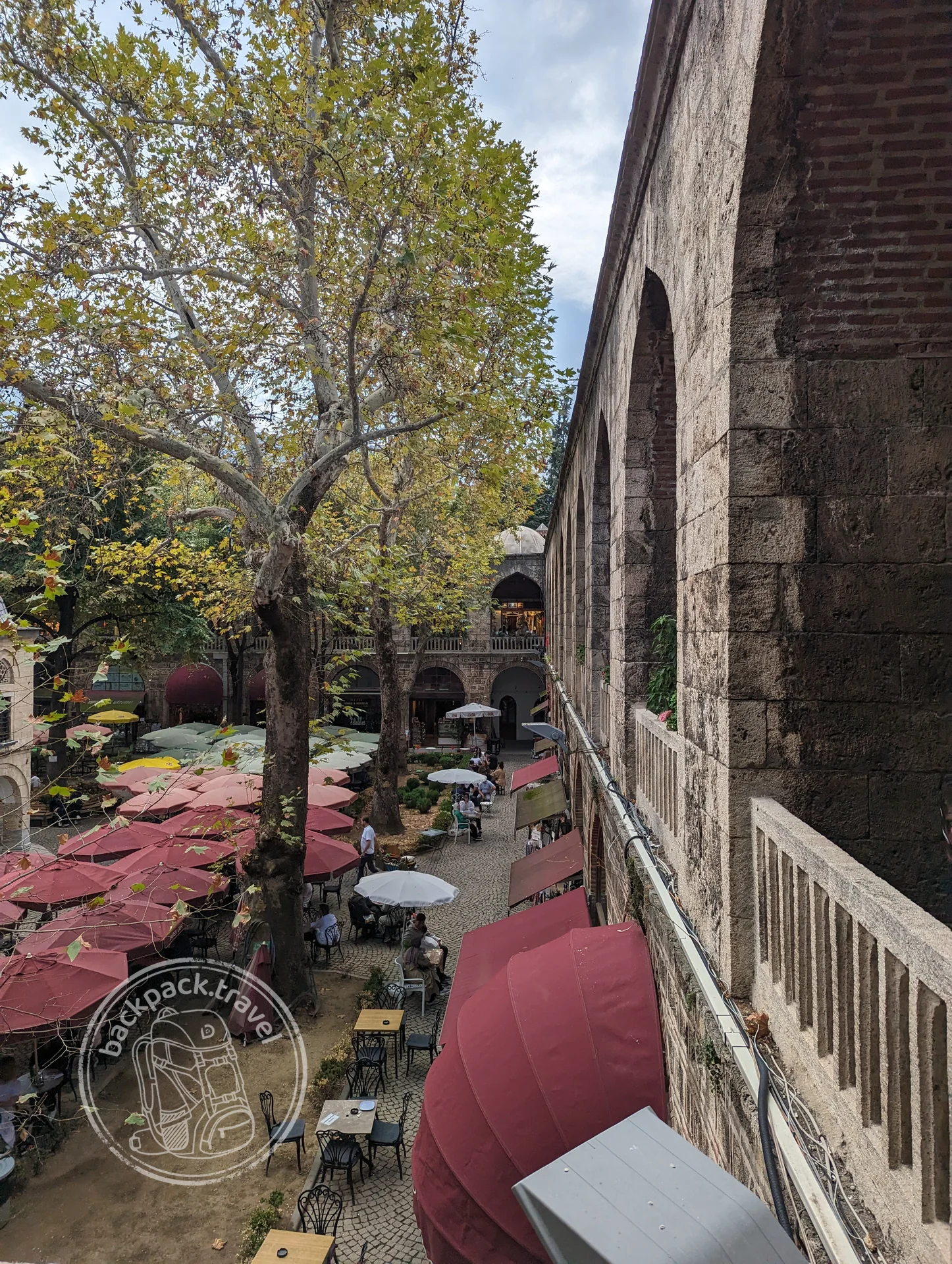
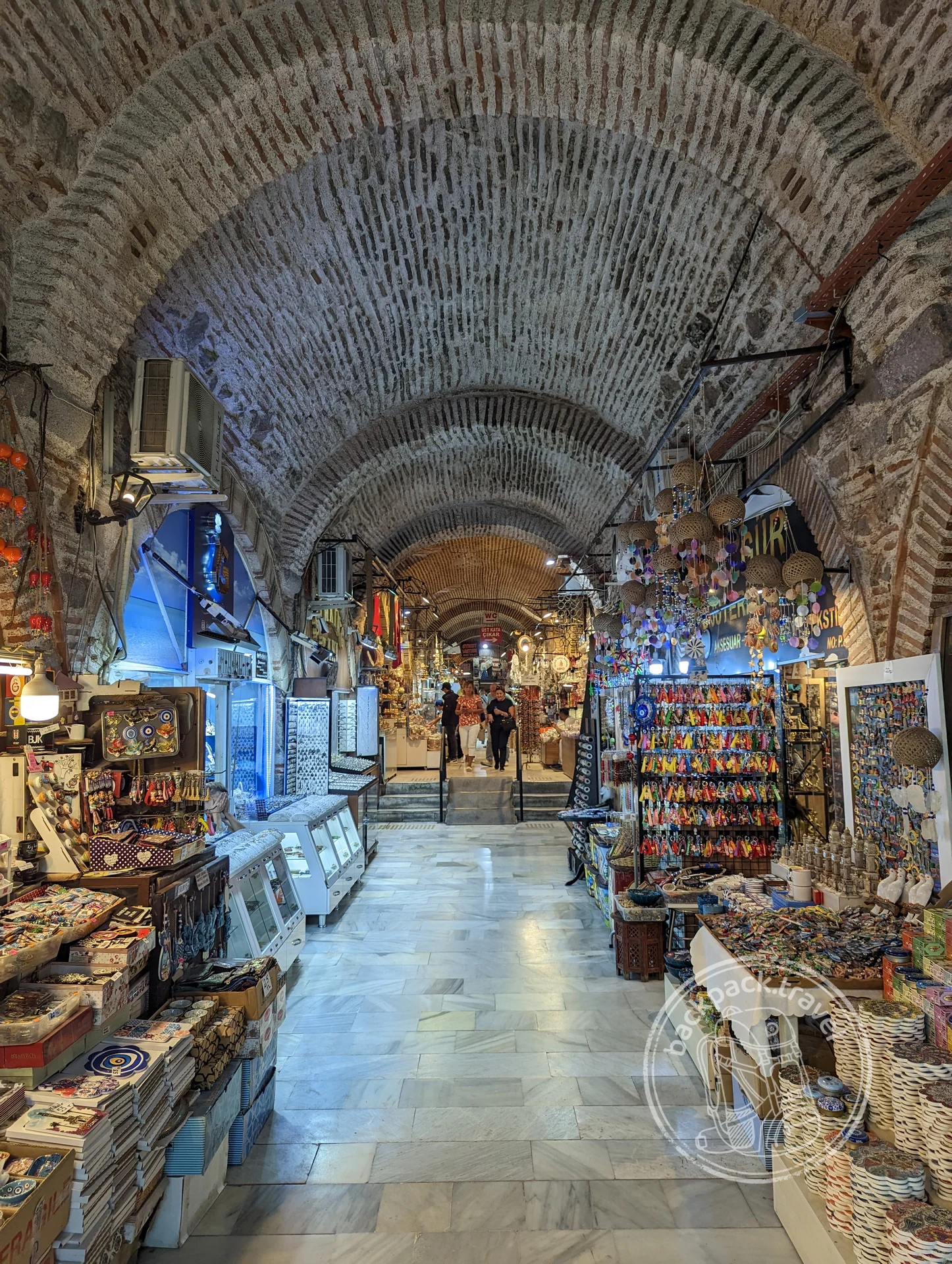
Kemeraltı is a market covering an entire district between Konak Square and the foot of the castle hill. It grew up in the seventeenth century directly over the filled-in ancient harbour, and its crooked lanes still trace the line of the old shore. Inside are the jewellers' rows, spice shops and tinsmiths' workshops, and among them the hans — caravanserais built around inner courtyards, the best known being Kızlarağası, put up in 1744.
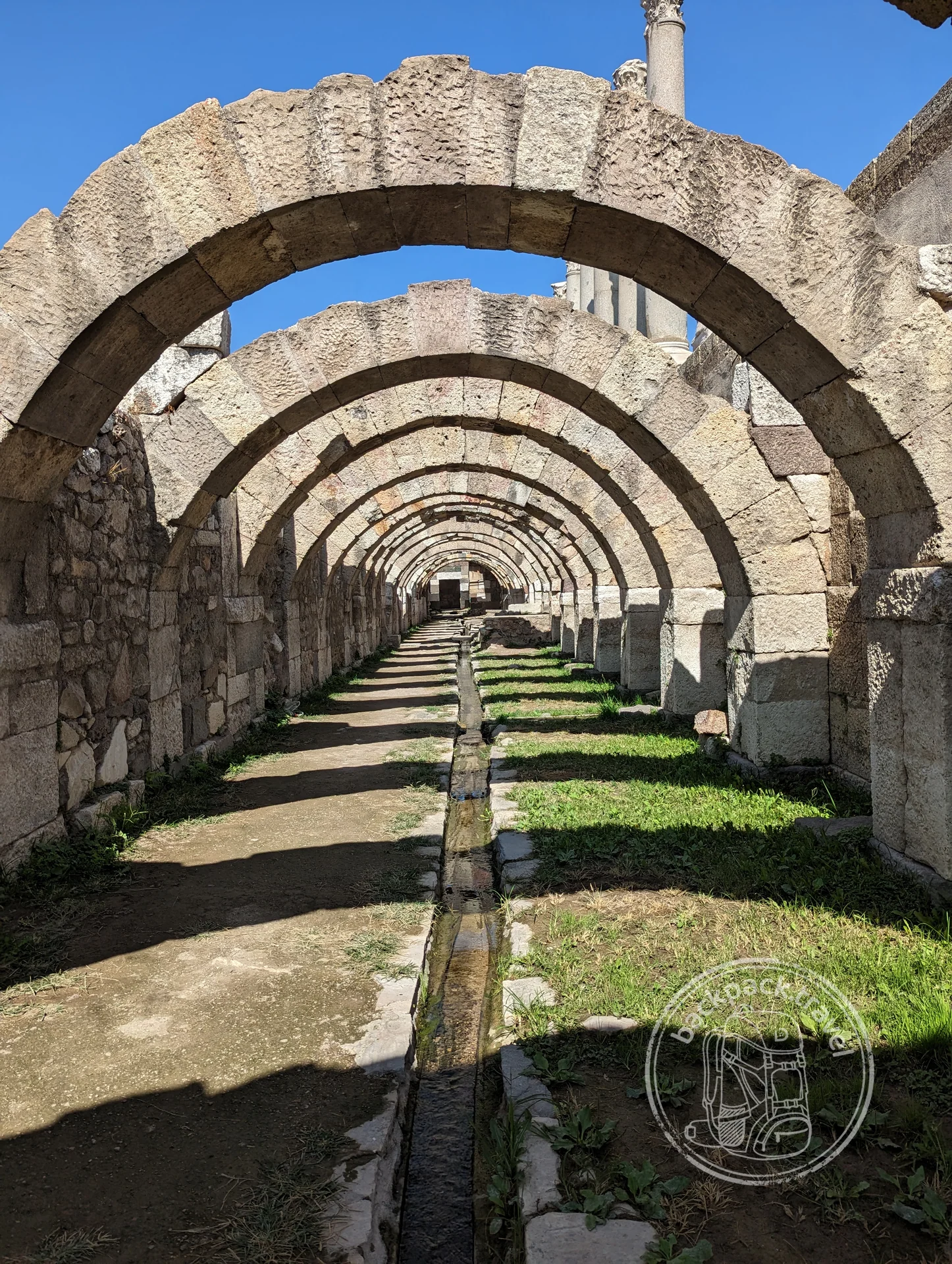
The Agora of Smyrna lies just above the market: a second-century Roman commercial square, rebuilt after the earthquake of 178 at the expense of the empress Faustina. The two-storey vaulted basements survive, along with the basilica colonnade and drains that still carry water.
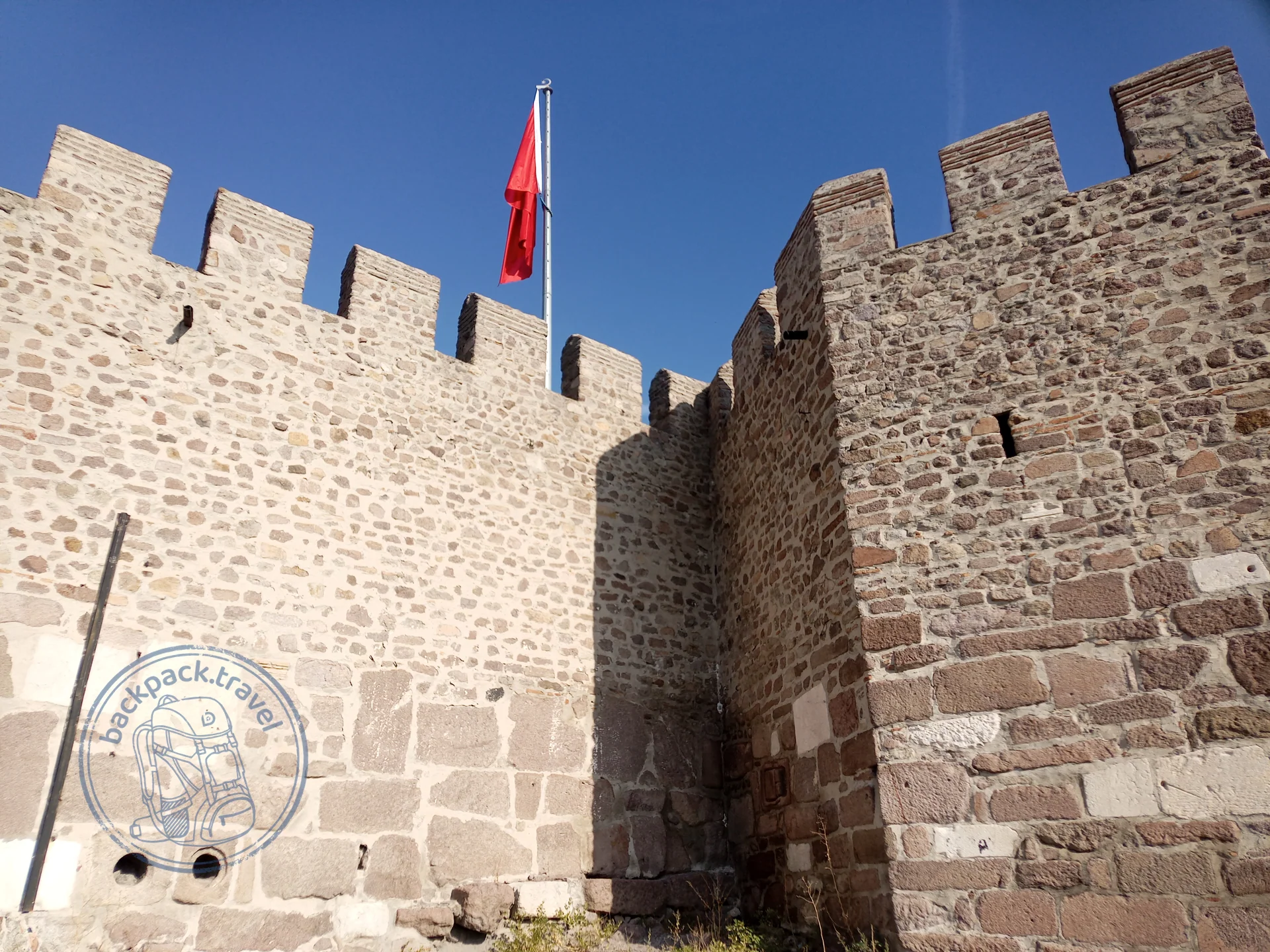
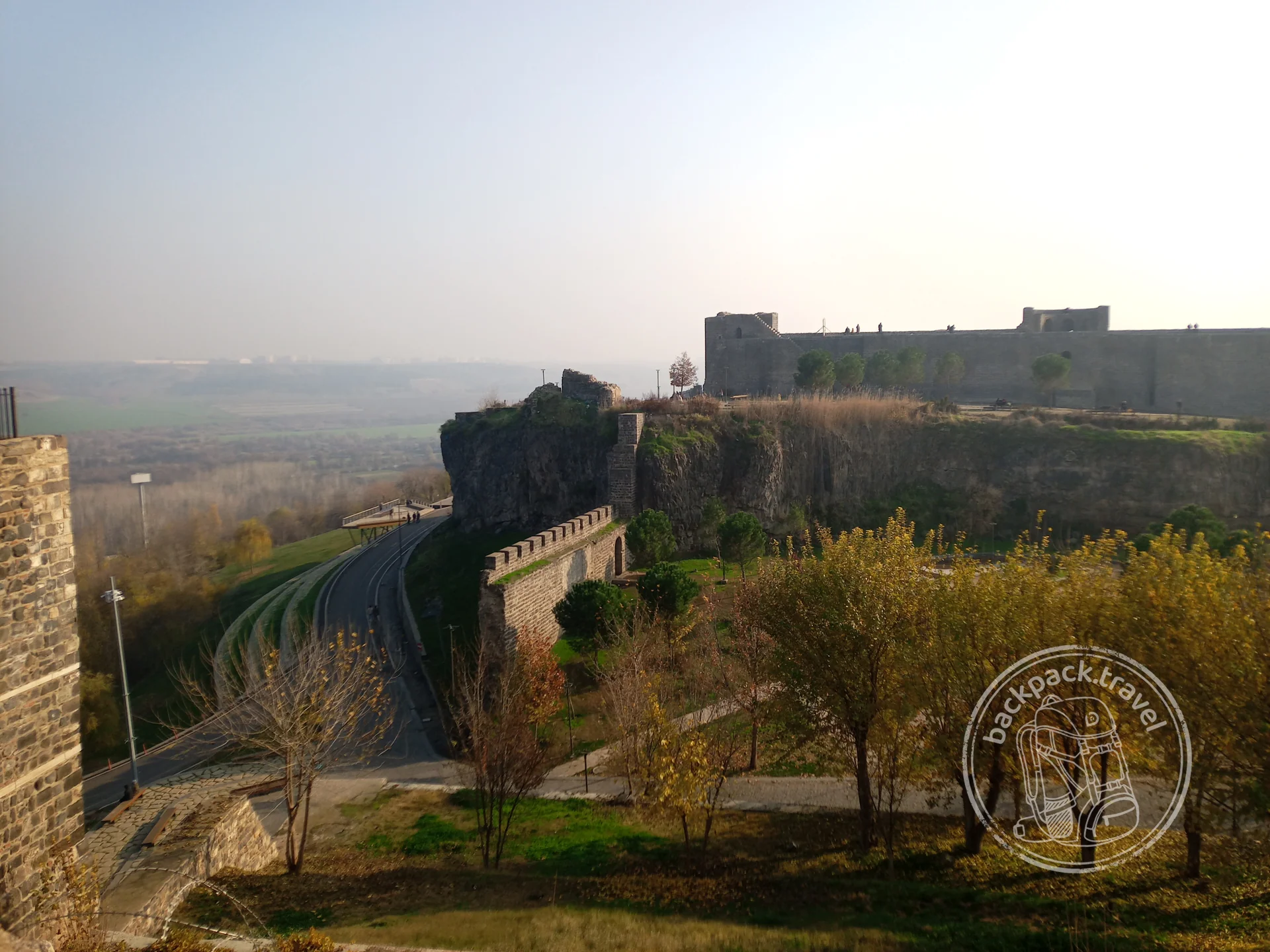
Kadifekale crowns the hill. Its foundation is traced to the time of Alexander the Great, though the walls are mostly Byzantine and Ottoman. The fortress itself does not justify the climb; the view over the gulf does.
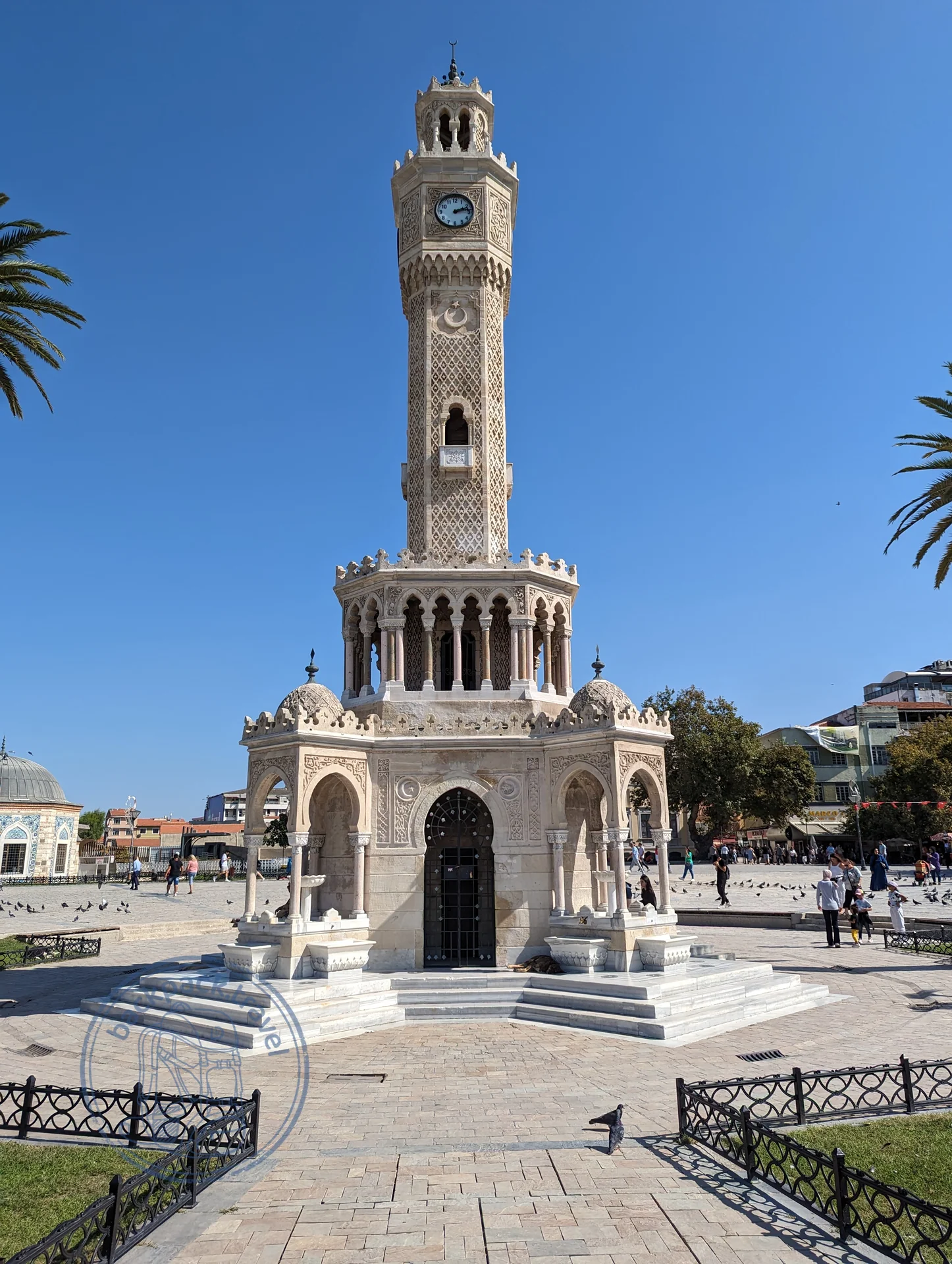
Konak Square, with its clock tower of 1901, a gift to the city from Sultan Abdülhamid II, works as the centre of gravity. The Kordon promenade starts here, and half the city sits along it in the evenings. In the Karataş quarter stands the Asansör, a tower with a lift built in 1907 by a local merchant, Nesim Levi, to connect the lower street with the upper one; there is a viewing terrace at the top.
Getting there and getting around
Adnan Menderes airport is eighteen kilometres south of the centre and takes flights from across Europe and the Middle East. The İZBAN suburban train runs from the airport into the city and is the simplest way in, with no traffic and a train every few minutes.
Buses connect İzmir with the whole country; from Istanbul the trip is around eight hours. There is a railway from Ankara, but it is slow and runs overnight.
Within the city there are metro, tram and suburban trains, and — more usefully — ferries. The gulf cuts İzmir in two, and the crossing from Konak to Karşıyaka takes fifteen minutes against an hour going round by road. The İzmirim Kart travel card works on every mode at once.
Where to stay
Alsancak has the bars, the restaurants and most of the hotels, and stays noisy until late. Konak is closer to the museums and the market, quieter and cheaper. Karşıyaka, on the far side of the gulf, suits anyone willing to live by the ferry timetable, and in exchange it is calmer and residential.
The coastal resort towns are a separate proposition: Çeşme and Alaçatı are an hour and a half away. In summer they are expensive and crowded; out of season prices halve.
Day trips
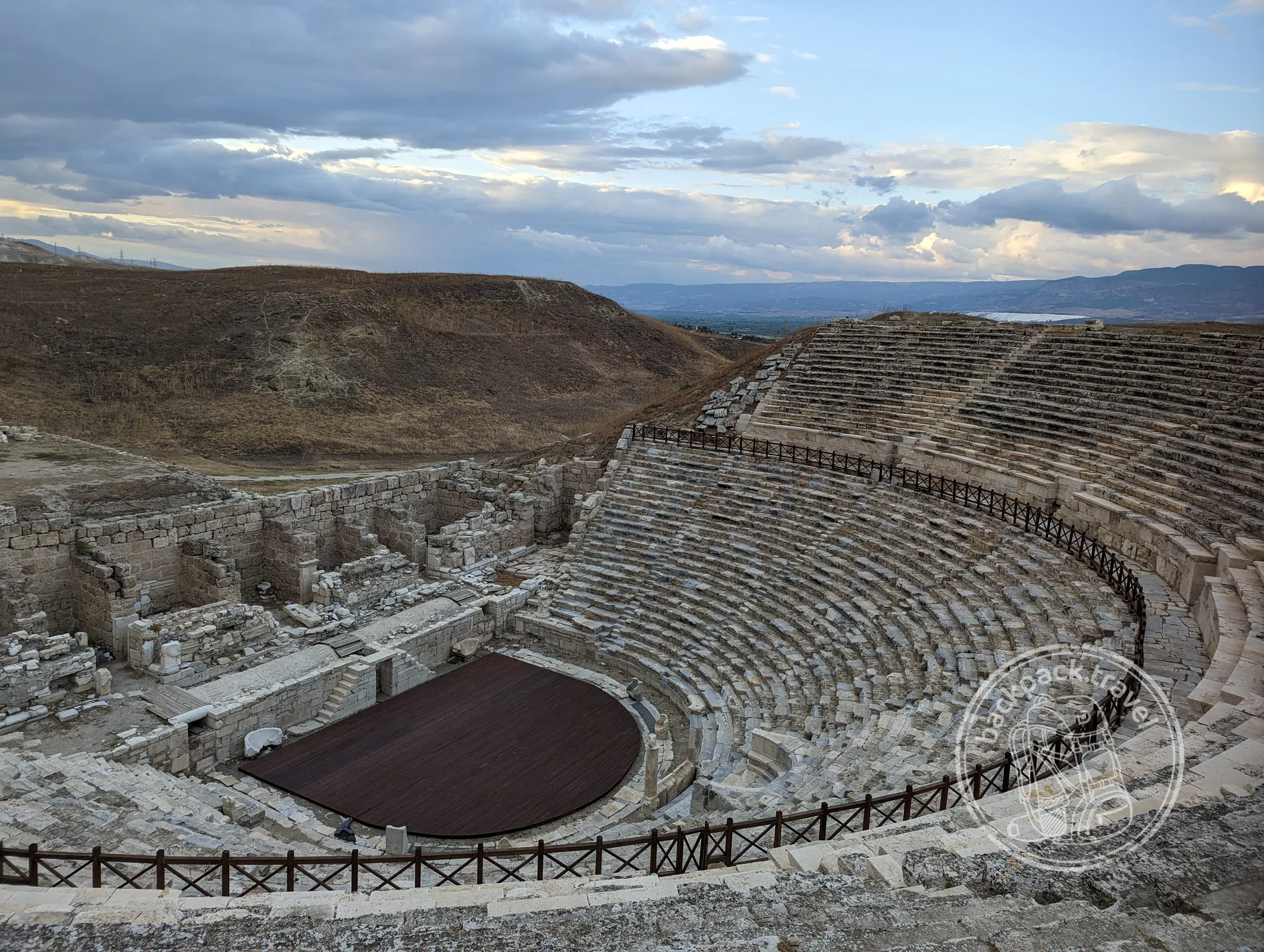
Ephesus and the town of Selçuk, eighty kilometres away, are the standard outing and need a full day. Pergamon at Bergama is a hundred and ten kilometres north: the acropolis on its mountain, the sanctuary of Asclepius and a theatre built into a steep slope.
Çeşme and Alaçatı, eighty-five kilometres west, offer beaches, wind for kitesurfing and an old Greek village of stone houses. Closer in, in the hills above Selçuk, is Şirince, a village that lives on fruit wine. Ninety kilometres east lie Sardis, with a reconstructed synagogue and gymnasium.
When to come
The climate is Mediterranean: dry hot summers, above thirty-five degrees in July and August, and mild winters at around twelve degrees by day, but wet. The swimming season holds from June through October.
The best months are May, June and the second half of September into October: the sea is already or still warm, and the ruins of Ephesus and Pergamon can be walked without risk of overheating. At the height of summer the ancient sites become an ordeal — there is almost no shade. In winter the city goes about its own business and the museums are empty, but the beach half of the trip disappears.
Food and money
İzmir cooks differently from Istanbul: more greens, more olive oil, more fish. Mornings start with boyoz, a flaky pastry left behind by the city's Sephardic Jews, and gevrek, the local version of the simit. Lunch means kumru, a sandwich with sausage and cheese, or söğüş, cold veal with spices. Mussels stuffed with rice are sold along the seafront. Aegean wild herbs make up a whole category of starters, known simply as ot. In the evening, fish comes with rakı.
Cards are accepted everywhere except the small stalls in the market, where cash is useful.
What to know
Central İzmir is almost entirely twentieth-century, and there is no point hunting for Ottoman or Greek antiquity here in any quantity: the fire of 1922 erased it. What survived is concentrated in Kemeraltı and around the agora.
The region is seismically active and reminds people of it regularly. The earthquake of 30 October 2020, with its epicentre near Seferihisar, brought down several apartment blocks in the Bayraklı district and killed more than a hundred people. No tourist sites were damaged, but the difference between new construction and the older housing stock is visible here.
İzmir is more liberal than most Turkish cities: ordinary summer clothes bother nobody, and people drink openly in the bars of Alsancak. At the same time Kemeraltı is still a working market rather than a stage set, and its maze of lanes confuses people even with a map.
Updated