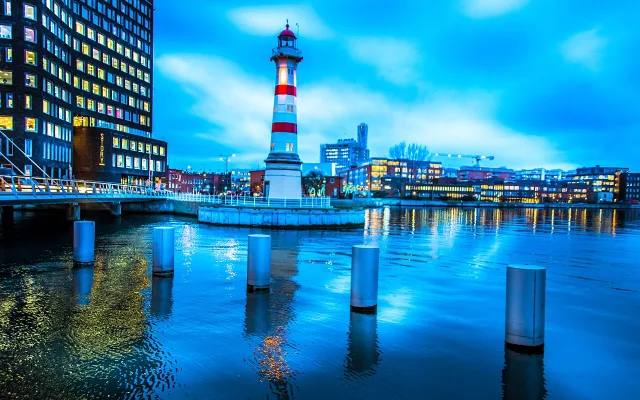
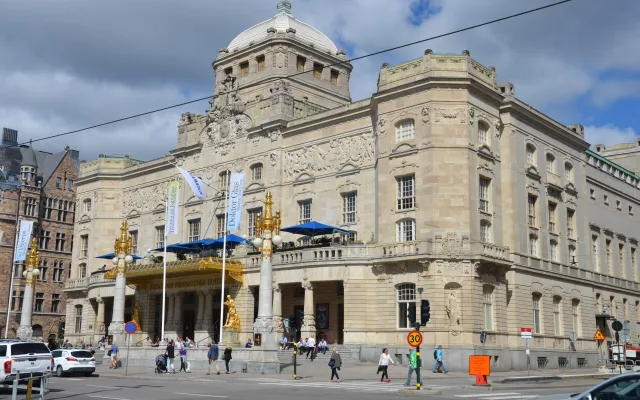
Description
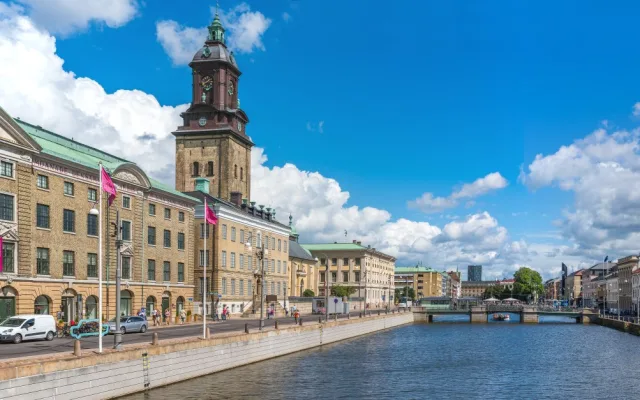
Sweden's second city — the wooden houses of Haga, Liseberg amusement park, the Feskekörka fish market, and ferries to the southern archipelago.
Wiki
Gothenburg is the most laid-back of Sweden's major cities: sea air, canals in the centre, and an obsession with seafood in place of Stockholm's austerity. Two days is enough to cover the centre on foot, eat a cinnamon bun in Haga, and head out to the archipelago islands.
What's actually worth seeing in 2 days
The centre is compact and walkable, so don't chase a checklist — pick what interests you.
- Haga — the main area for strolling: wooden and landshövdingehus buildings from the 19th century, cobblestones, cafés. Come here for the atmosphere and for enormous kanelbullar. It gets busy during the day; mornings are quiet and photogenic.
- Feskekörka — the "fish church", a neo-Gothic covered fish market of 1874. It reopened in 2024 after a four-year restoration: fish counters, an oyster bar and several restaurants inside.
- Liseberg — Scandinavia's largest amusement park. Only worth a visit when it's in season (summer and the Christmas period); in winter the park transforms into a large Christmas market. It's closed in the off-season — don't plan your day around it.
- Universeum — a science centre with a tropical greenhouse and a multi-storey aquarium. A lifesaver in the rain and a great option with children.
- Götaplatsen with the Poseidon fountain and the Art Museum — if you enjoy painting, the Fürstenberg Gallery holds Scandinavian work of international stature (Anders Zorn, Carl Larsson, Bruno Liljefors). Allow an hour or so.
- Volvo Museum — out of the way; only make the trip if you are genuinely interested in cars and engineering.
How to fit it into 2 days: day one — the centre, the canals, Haga, Feskekörka, seafood dinner in the evening; day two — either museums and Liseberg, or a trip out to the archipelago.
The archipelago — don't skip it
The southern islands (Styrsö, Vrångö, Donsö) are a reason to stay longer. Almost no cars — just bikes and trolleys, rocks, swimming spots, and quiet. The ferry to the islands is included in the city travel card, so the trip costs the same as a regular ticket. Allow half a day to a full day: tram to Saltholmen pier, then the boat.
Getting there and getting around
Landvetter Airport (GOT) is about 25 km to the east. The easiest way into the centre is the Flygbussarna express bus, which takes around 30 minutes to the central station. A taxi is noticeably more expensive and rarely saves any time.
Around the city — trams: an extensive network that covers almost everything, including the route to the ferry piers. A ticket is time-based (around 90 minutes with transfers). A day pass or multi-day travel card is a good idea — it also gives you free ferry rides to the archipelago, which is a meaningful saving. Buy tickets via the app or at machines; drivers do not sell cash tickets.
The centre itself is walkable: from the central station to Haga is 15–20 minutes on foot.
Where to stay
- Centre / Innerstaden — close to the station, canals, and restaurants. Everything is walkable, but prices are higher.
- Linnéstaden and the Haga area — the most pleasant option: cafés, bars, quiet streets, and an easy walk to the centre.
- Near the station — practical for early departures, but the area is less appealing in the evening.
As Sweden's second city, Gothenburg is cheaper than Stockholm for accommodation — worth keeping in mind if you are choosing between the two.
Food and prices
The main theme is seafood. Make sure to try räksmörgås (a generous stack of prawns on bread), fresh and pickled herring, and smoked salmon. For a more serious dinner, head to the fish market or a seafood restaurant; the city is known for its Michelin-starred spots, but the cooking is strong even without the stars.
The fika ritual — coffee and a pastry — is not a tourist formality here but part of the day; the cafés in Haga are the best excuse to stop.
Sweden is expensive, particularly for alcohol. Rough guides: lunch in a café 160–275 SEK ($17–$29), dinner from 385 SEK ($40) and up, coffee 33–44 SEK ($3–$5). Prices are as of 2026. Spirits and wine are sold only at state-run Systembolaget shops with limited hours (usually closed on Sundays) — plan ahead.
Ways to save:
- A travel card with free ferry rides beats buying single tickets;
- Lunch instead of dinner — many restaurants offer a dagens (daily lunch special) at a noticeably lower price;
- Supermarkets (ICA, Coop) for snacks;
- Beer in bars is expensive — local craft breweries (Stigbergets, Spike) are worth trying, but pace yourself.
When to go and what to watch out for
Best time: May–September — warm water, ferries and Liseberg are running, long daylight hours. December is good for the Christmas markets, but cold and dark. November–March is wet, grey, and some seasonal spots are closed.
The city is safe; normal urban awareness is all a visitor needs. Cash is almost never necessary — cards and phones are accepted everywhere; in some places cash will not be accepted at all. The most common mistake is visiting in winter expecting Liseberg and the archipelago, only to find everything closed.