 Города и дороги
Description
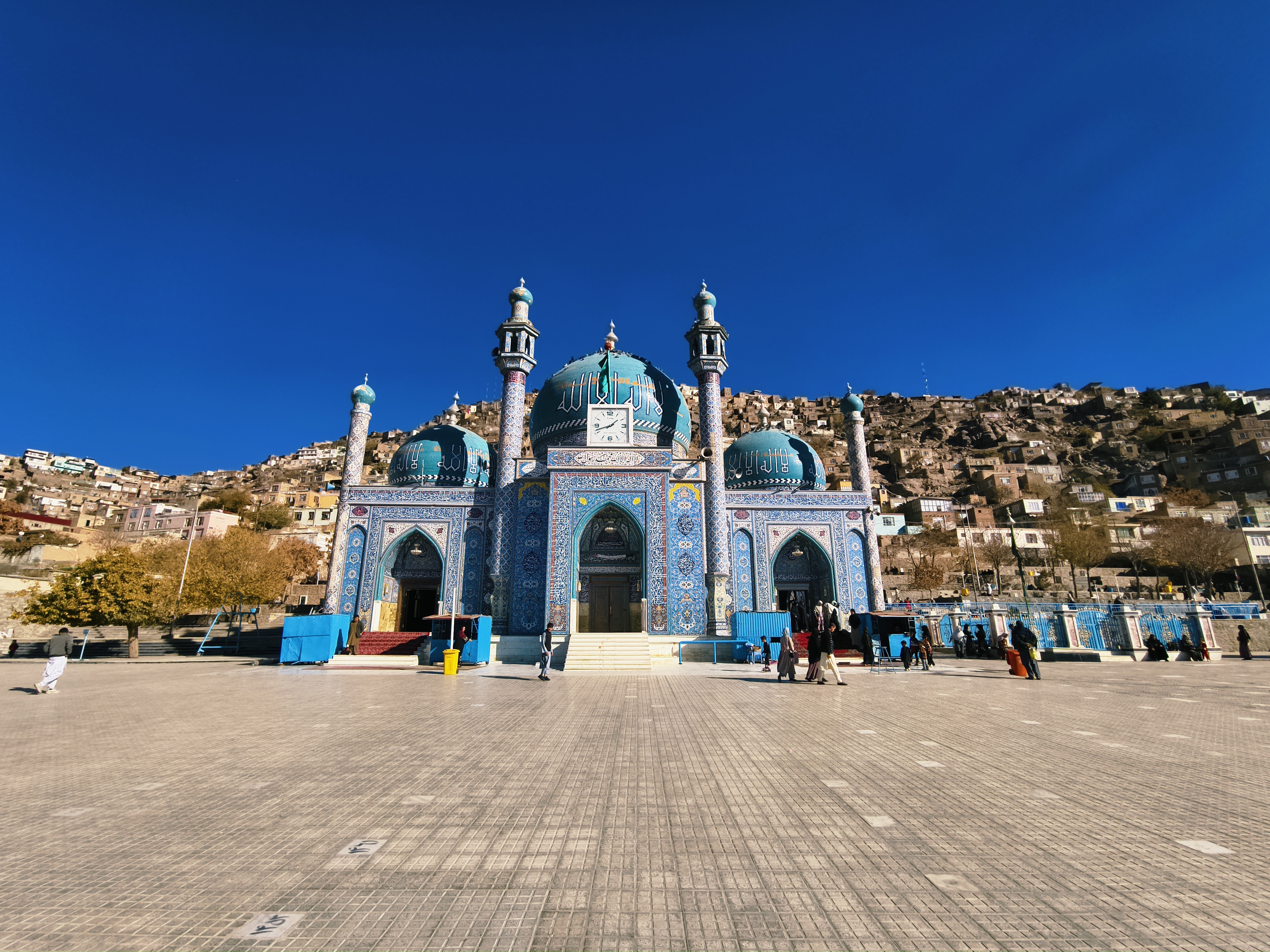
Kabul is the capital of Afghanistan, set at the foot of the Hindu Kush. Highlights include the Darul Aman Palace, the Chicken Street bazaar and the National Museum.
Wiki
The capital of Afghanistan and the country's largest city spreads through a narrow valley of the river of the same name at an altitude of around 1,800 metres, at the foot of the majestic Hindu Kush range. One of the oldest settlements in Central Asia, Kabul has over its many centuries served as a key crossroads of the caravan routes linking India, Persia and the oases of Central Asia. The context matters from the outset: the country is under Taliban rule, and most governments advise their citizens against all travel to Afghanistan.
History and character
The first references to a settlement on this site go back to deep antiquity: the city appears in Sanskrit sources, Vedic texts and the works of classical geographers. The armies of Alexander the Great passed through the valley; the Kushan kingdom, an age of Hellenistic influence and the spread of Buddhism, and later the Islamic dynasties succeeded one another here. In the 16th century Kabul became the base of Zahir ad-Din Babur, who set out from here on the campaign into India and the founding of the Mughal Empire. The city gained capital status within what is now Afghanistan in 1776, under the ruler Timur Shah.
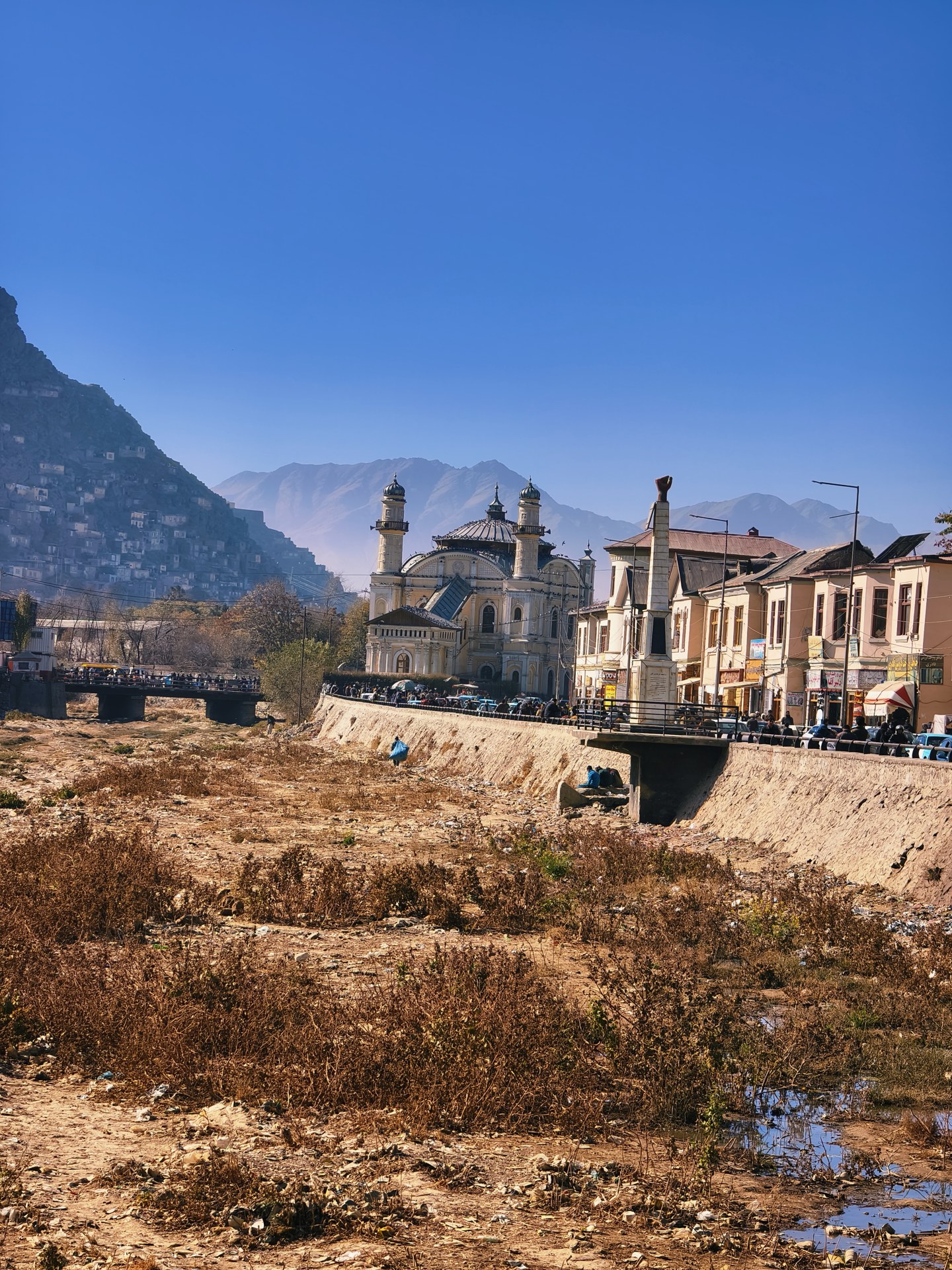
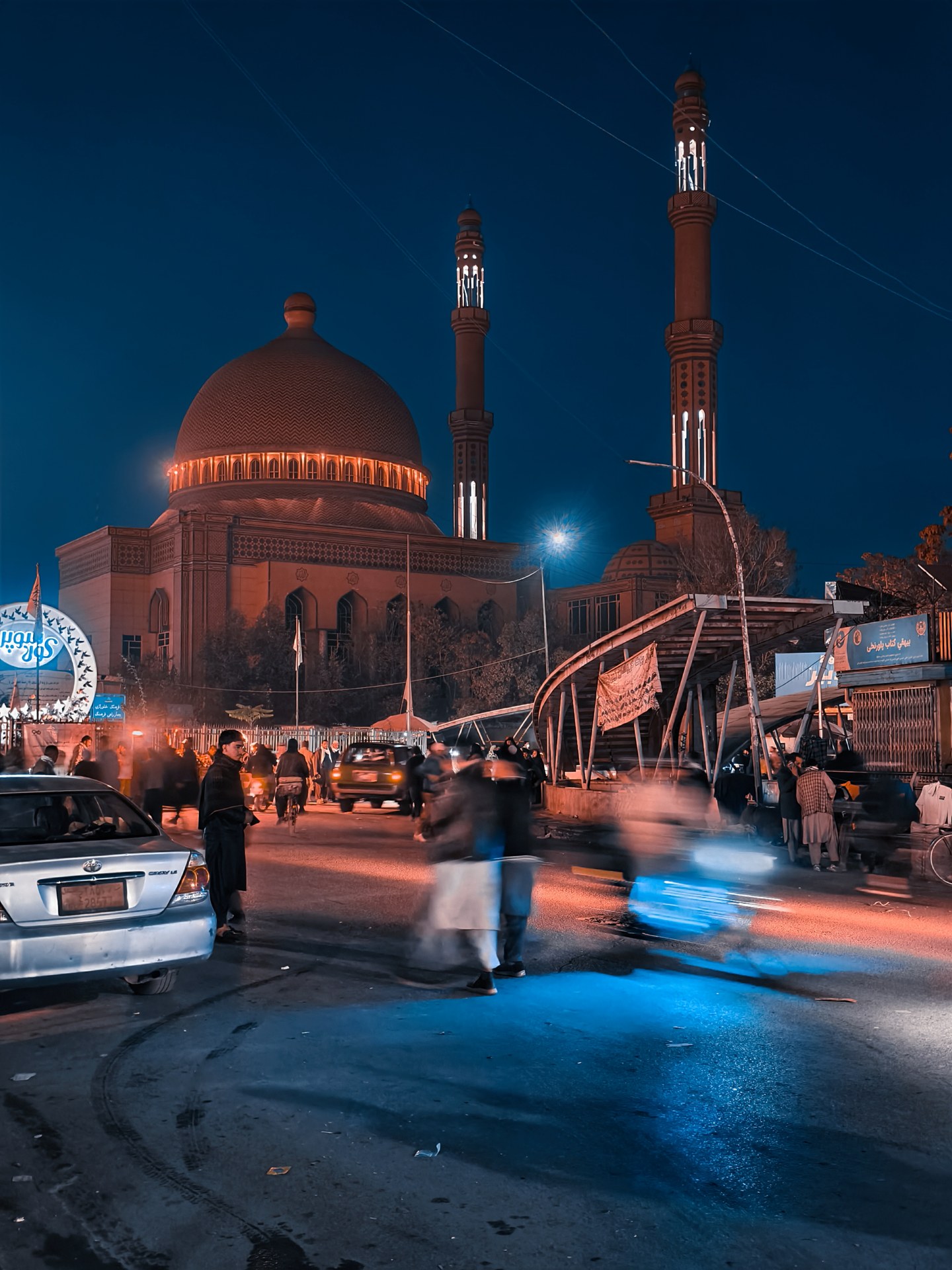
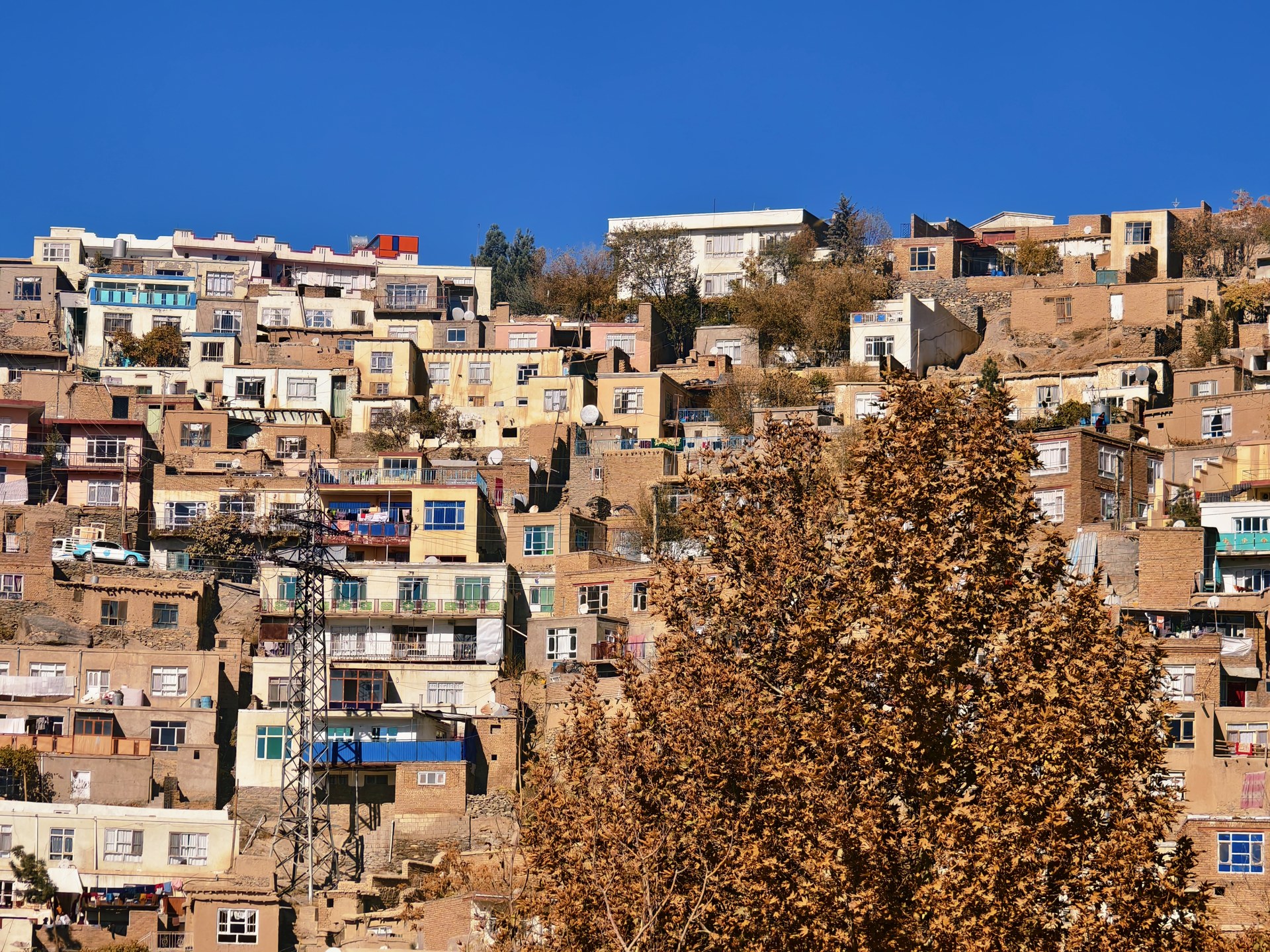
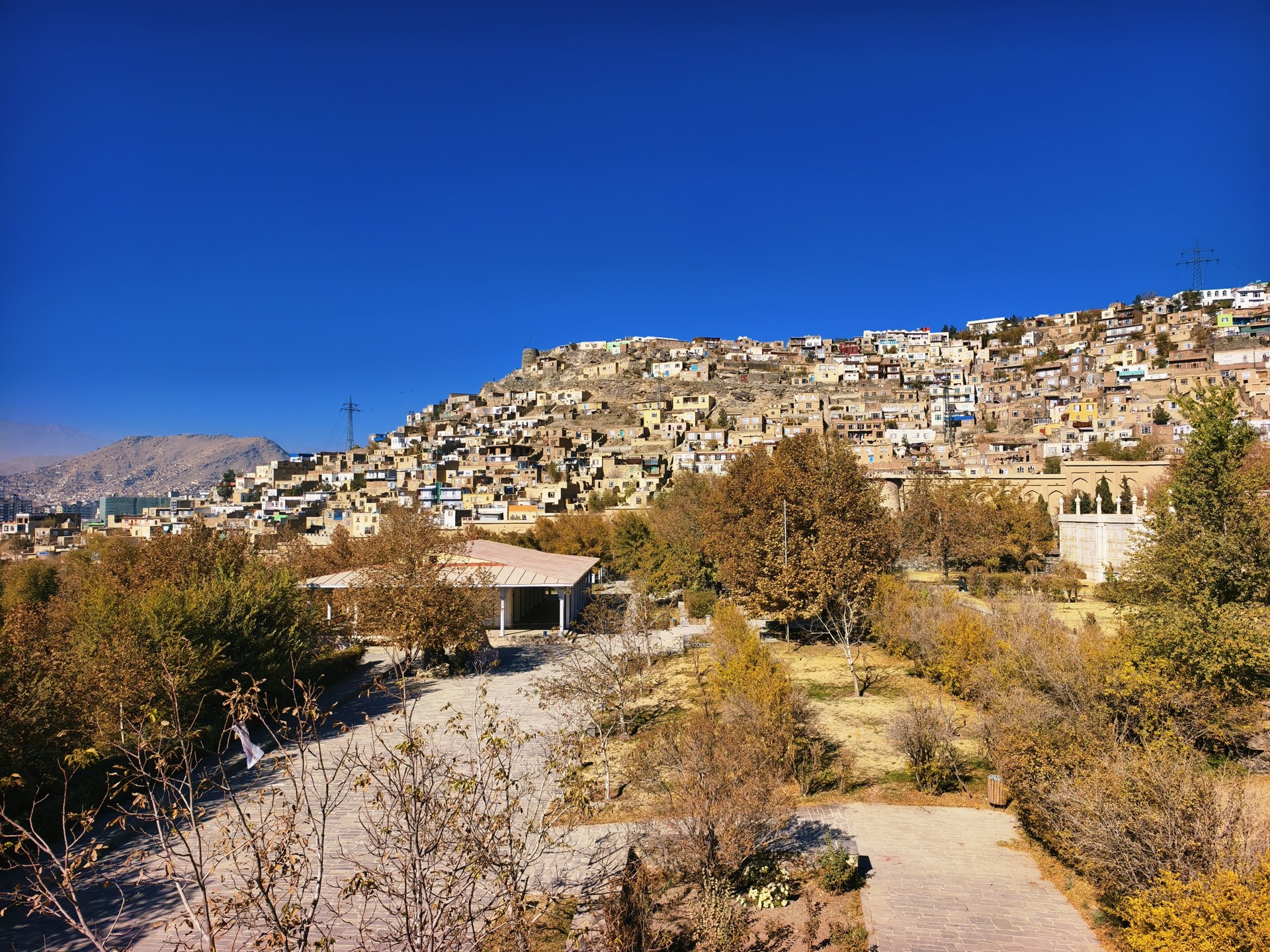
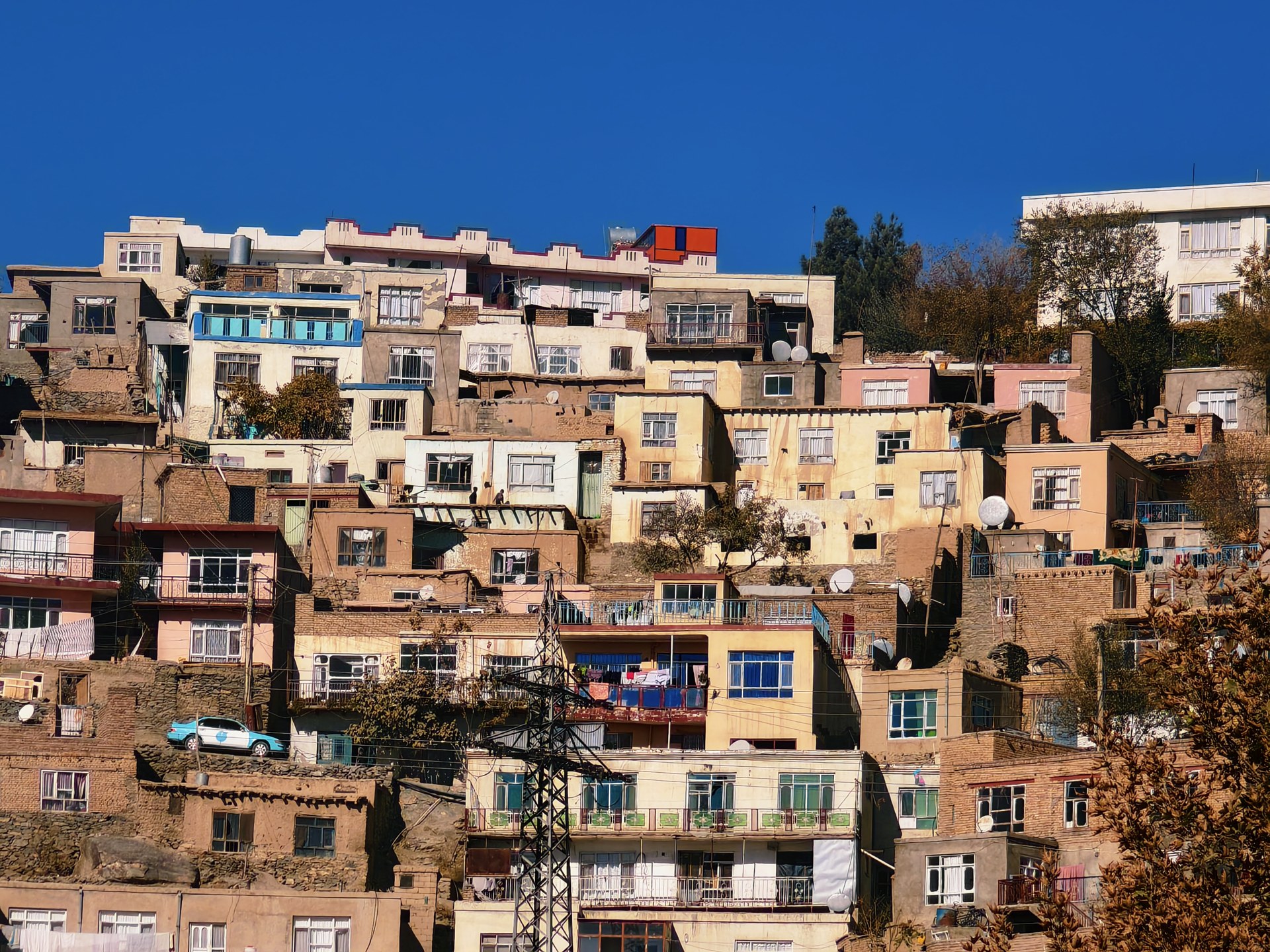
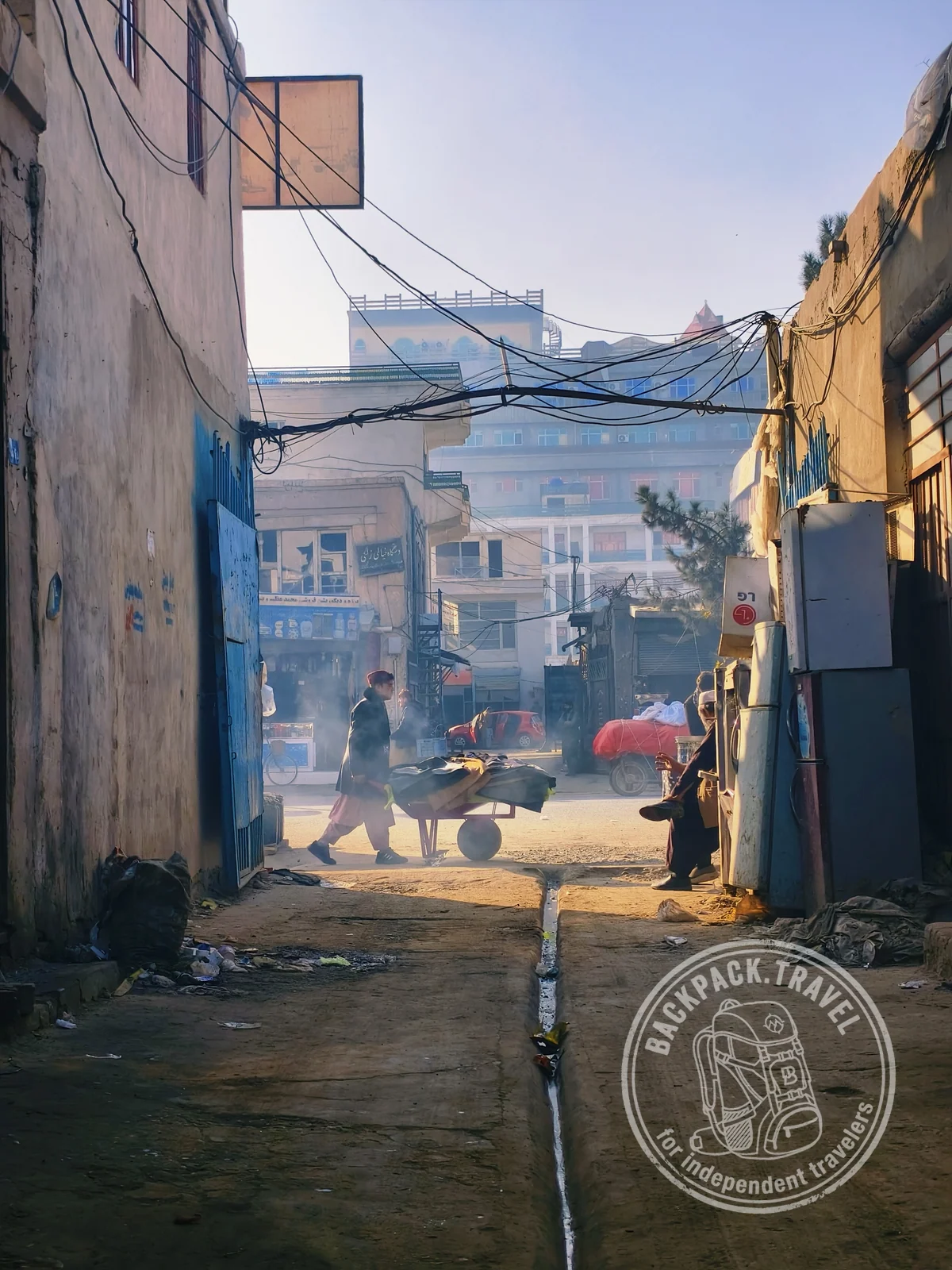
Kabul is a contrast between old mud-brick quarters climbing the slopes of the Asheqan-Arefan and Sher Darwaza hills and later development down in the valley. Decades of armed conflict have left a visible mark on the city's appearance, yet the historic monuments, the noisy trading rows and the everyday life of the crowded mahallas preserve the flavour of an ancient eastern capital.
What to see
Kabul's sights are closely bound up with the history and cultural heritage of the whole region:
- Darul Aman Palace — a monumental neoclassical building on the western edge of the city, put up in the 1920s under King Amanullah Khan and intended as the home of a future parliament. After long years of neglect and destruction, the palace has been restored.
- The National Museum of Afghanistan — the country's largest collection of artefacts, covering the Buddhist, Greco-Bactrian and Islamic periods. Part of its unique holdings suffered during the wars and lootings, but the museum continues to operate and keeps objects of world importance.
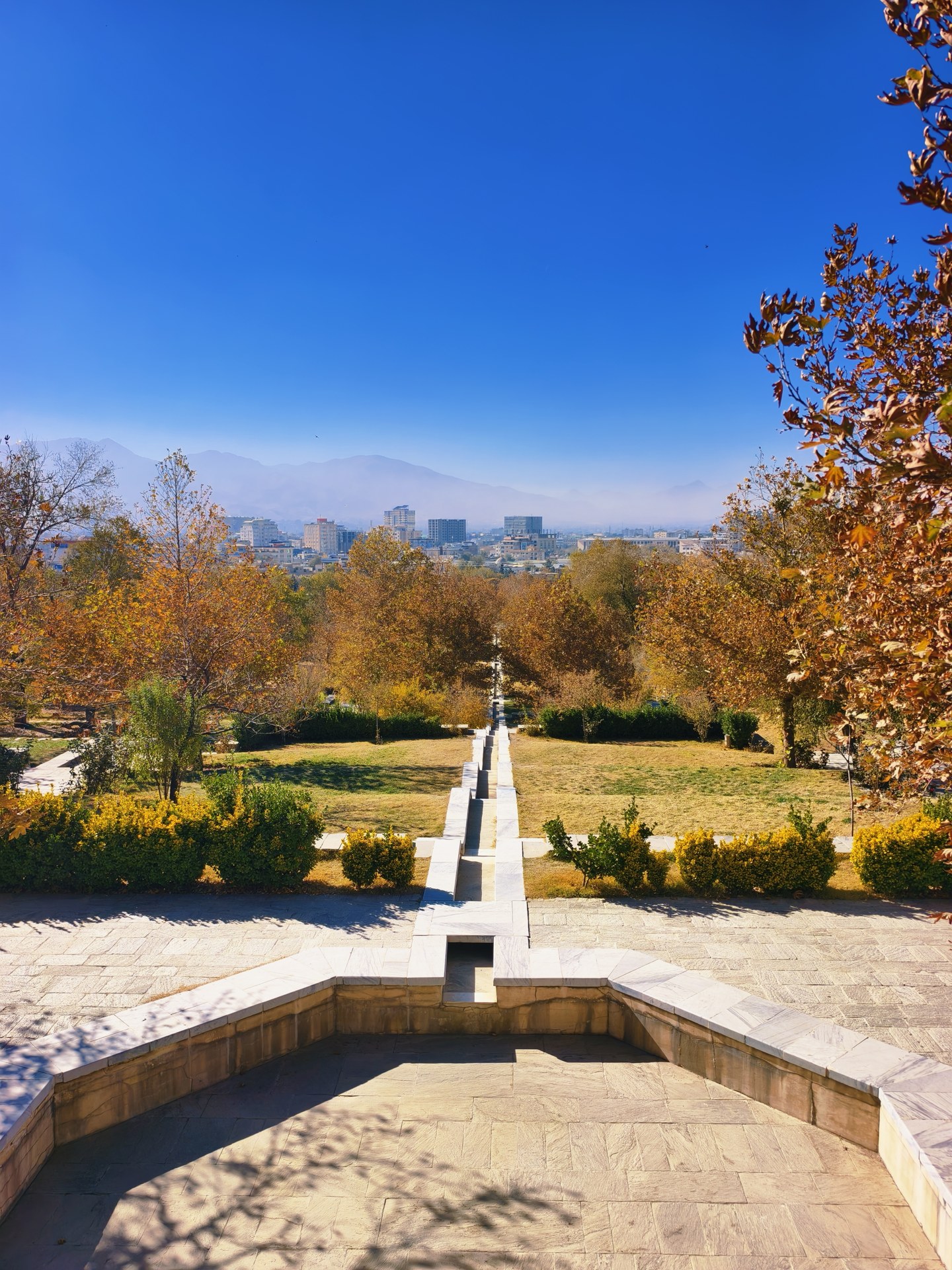
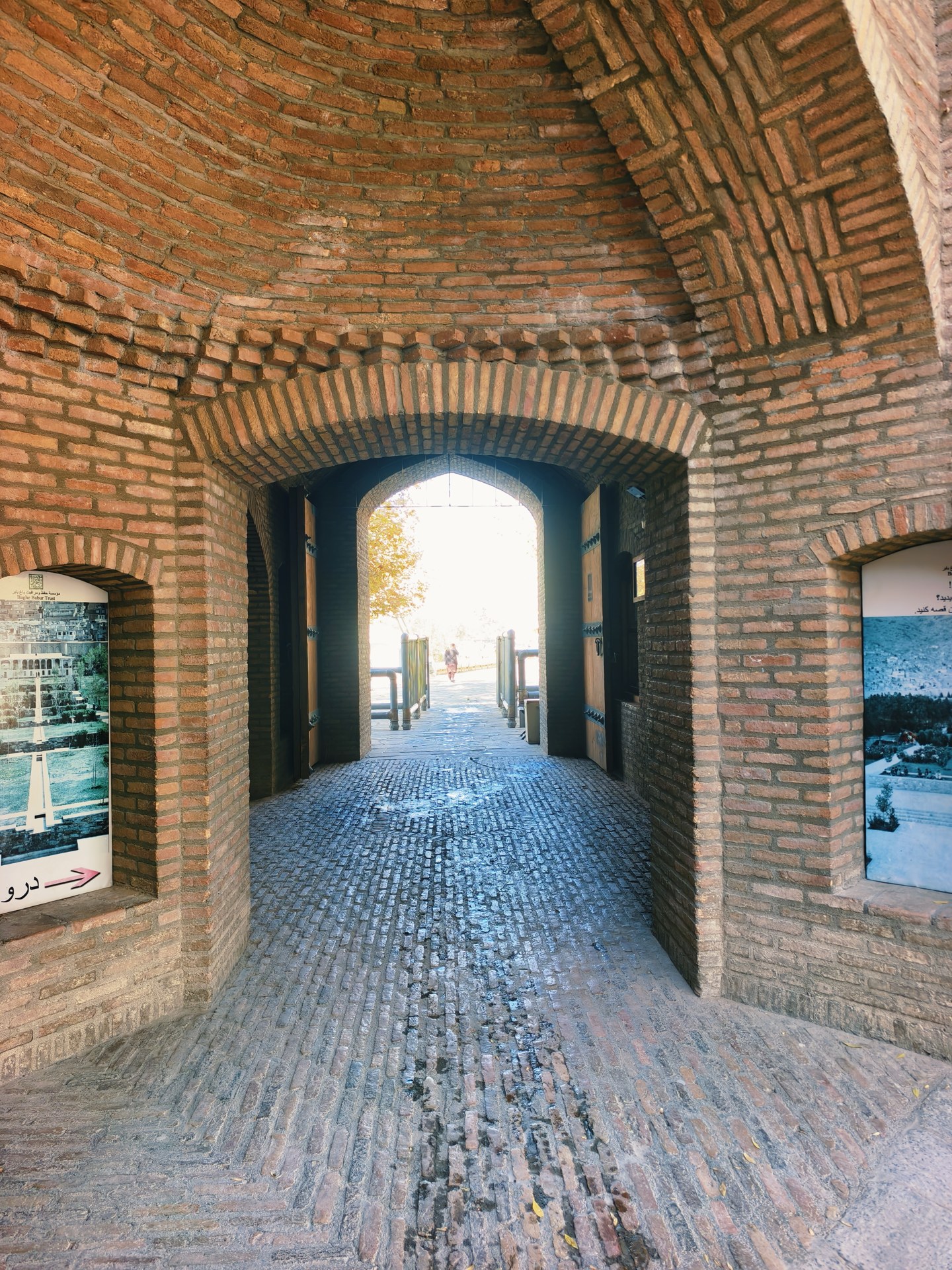
- Babur's Gardens (Bagh-e Babur) — an old terraced park on a hillside with fountains, plane trees and a white marble mosque; here lies the grave of Babur himself, who asked to be buried in his beloved Kabul.
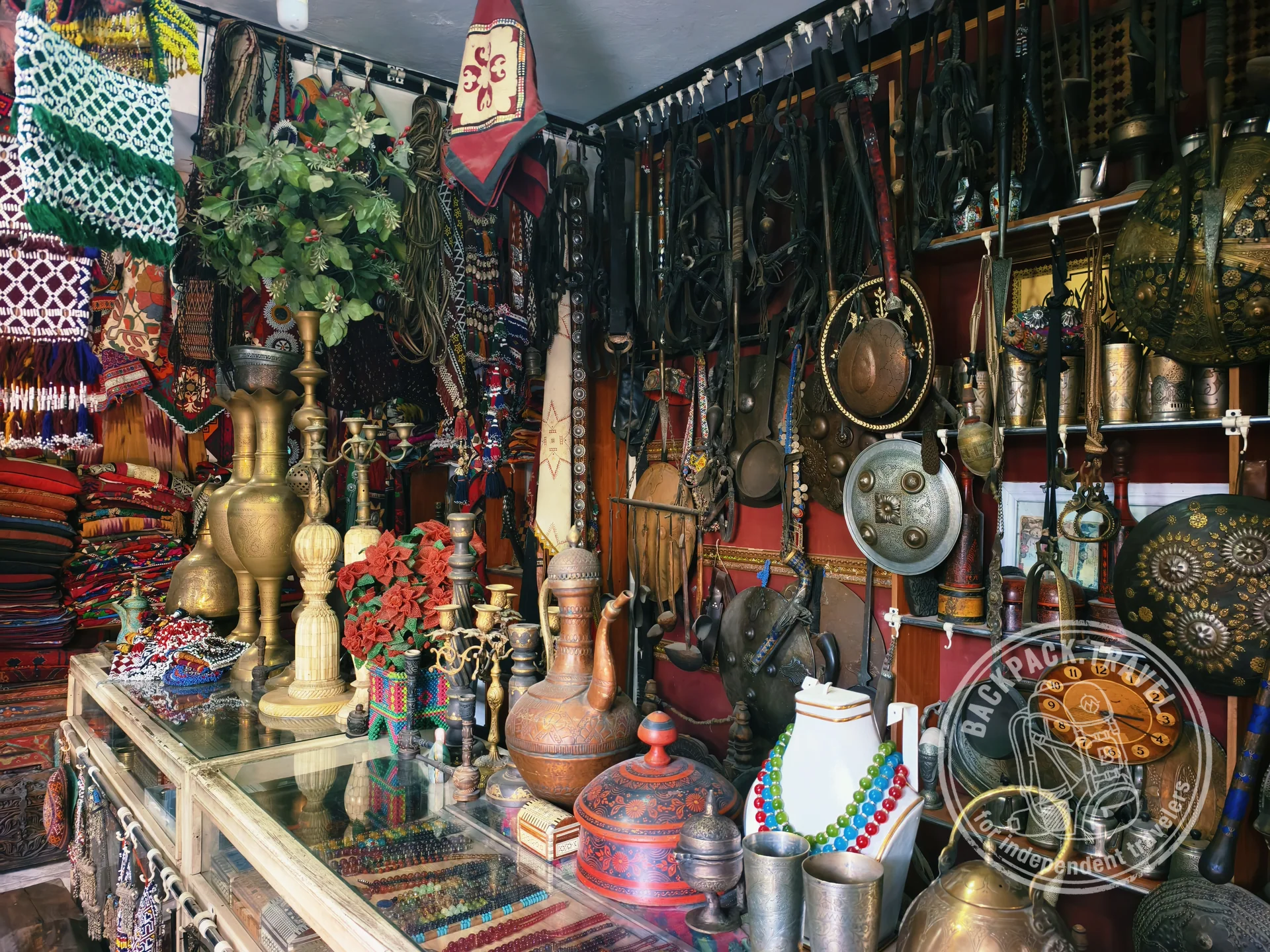
- Chicken Street (Kucha-ye Murgh) — the famous shopping street, long known for handmade carpets, lapis lazuli jewellery, old household ware and antiques. Since 2021 the flow of buyers has dried up and some of the shops have closed, but the street is still trading.
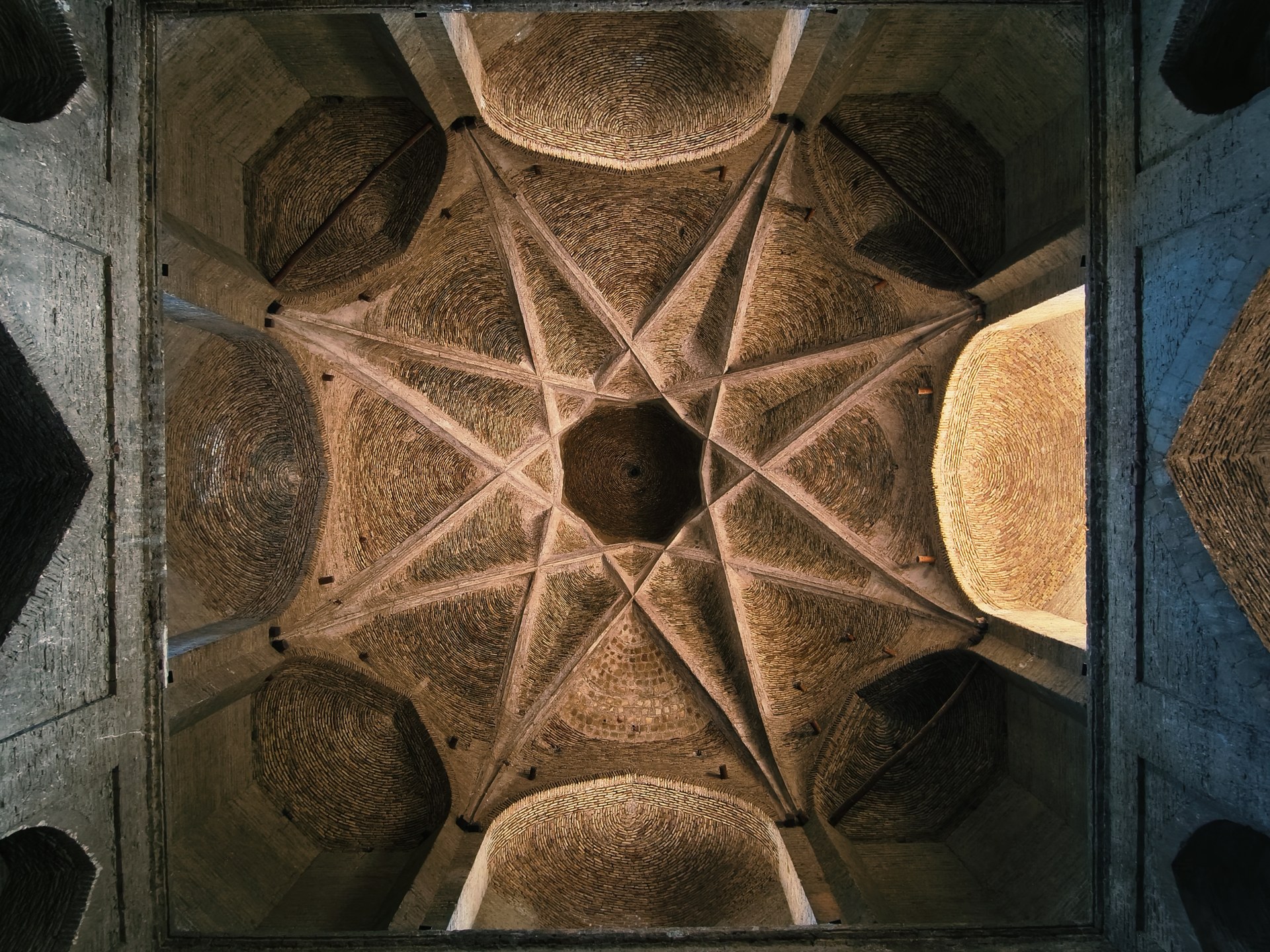
- The Mausoleum of Timur Shah — the octagonal brick tomb of the ruler, one of the emblems of the old city.
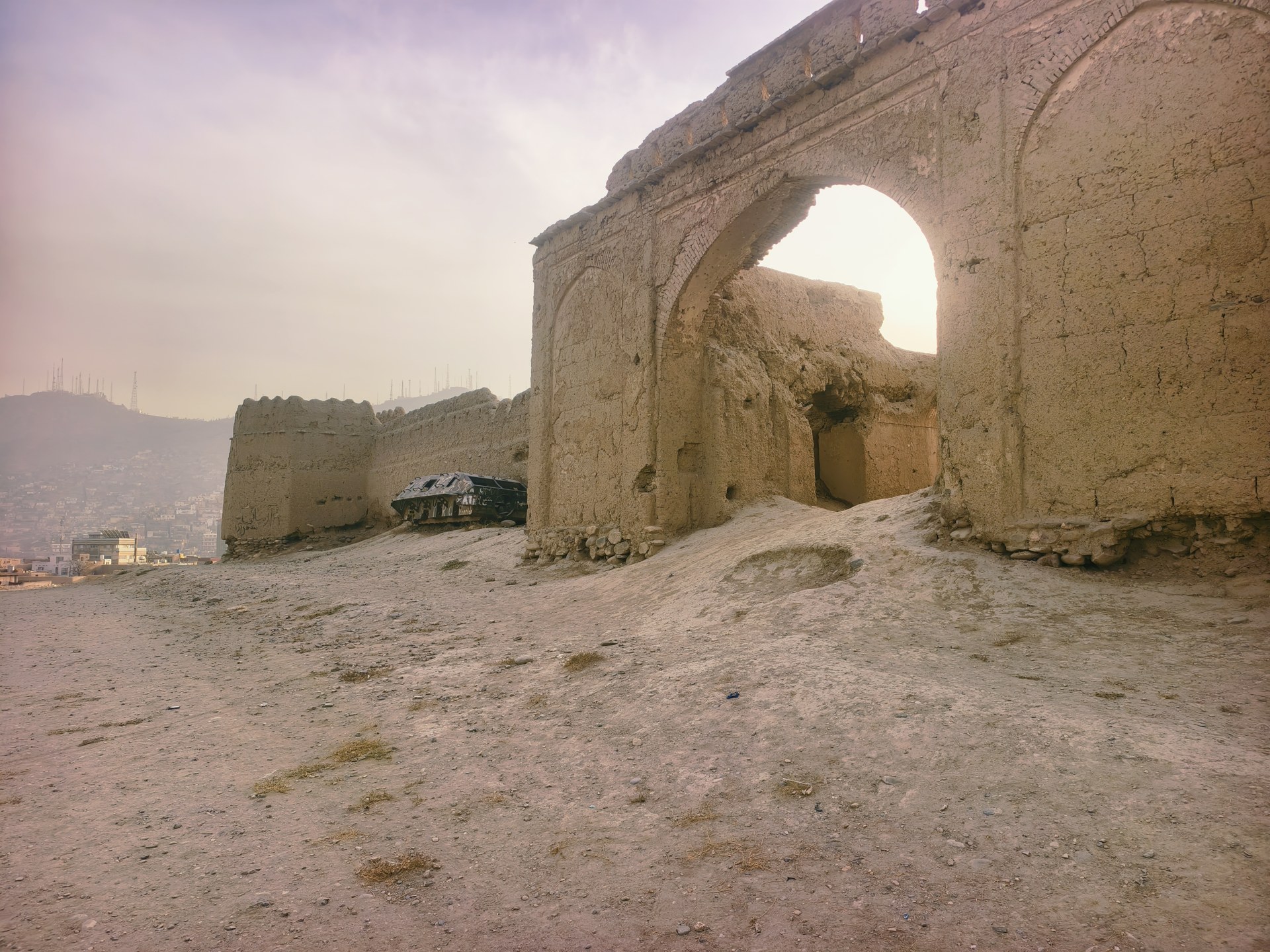
- The Bala Hissar fortress — an ancient citadel on high ground that served for centuries as a rulers' residence and a defensive strongpoint.
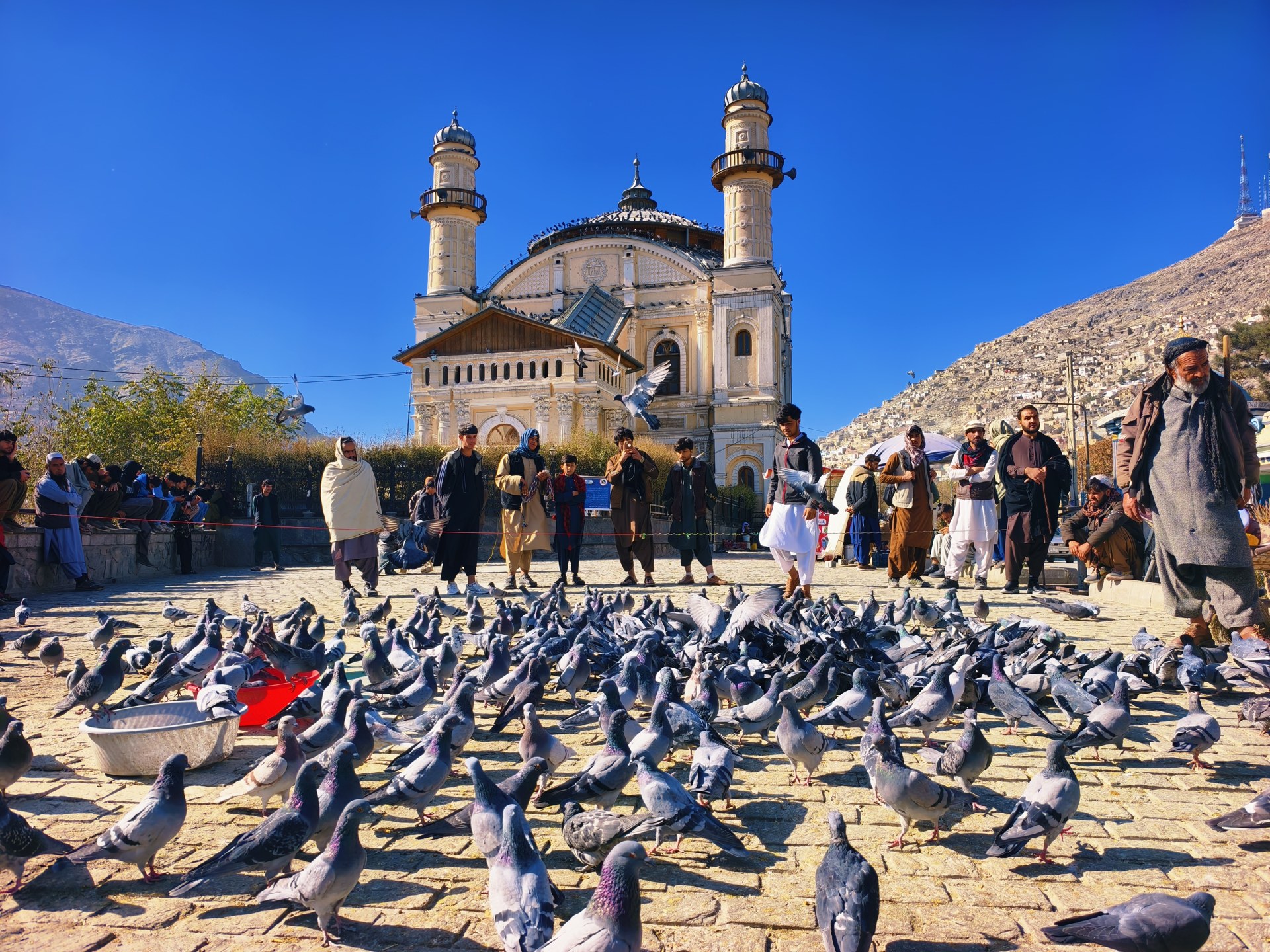
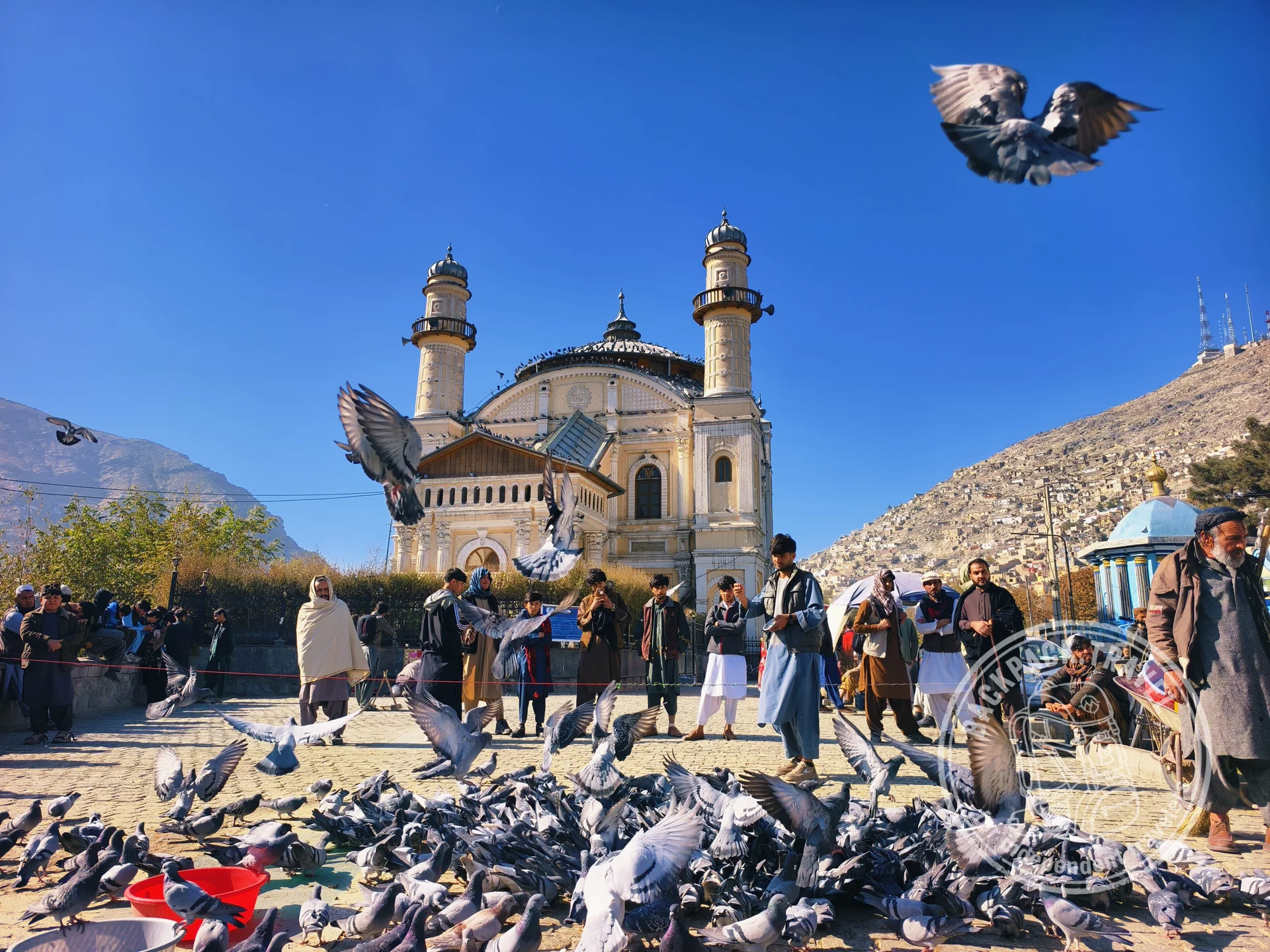
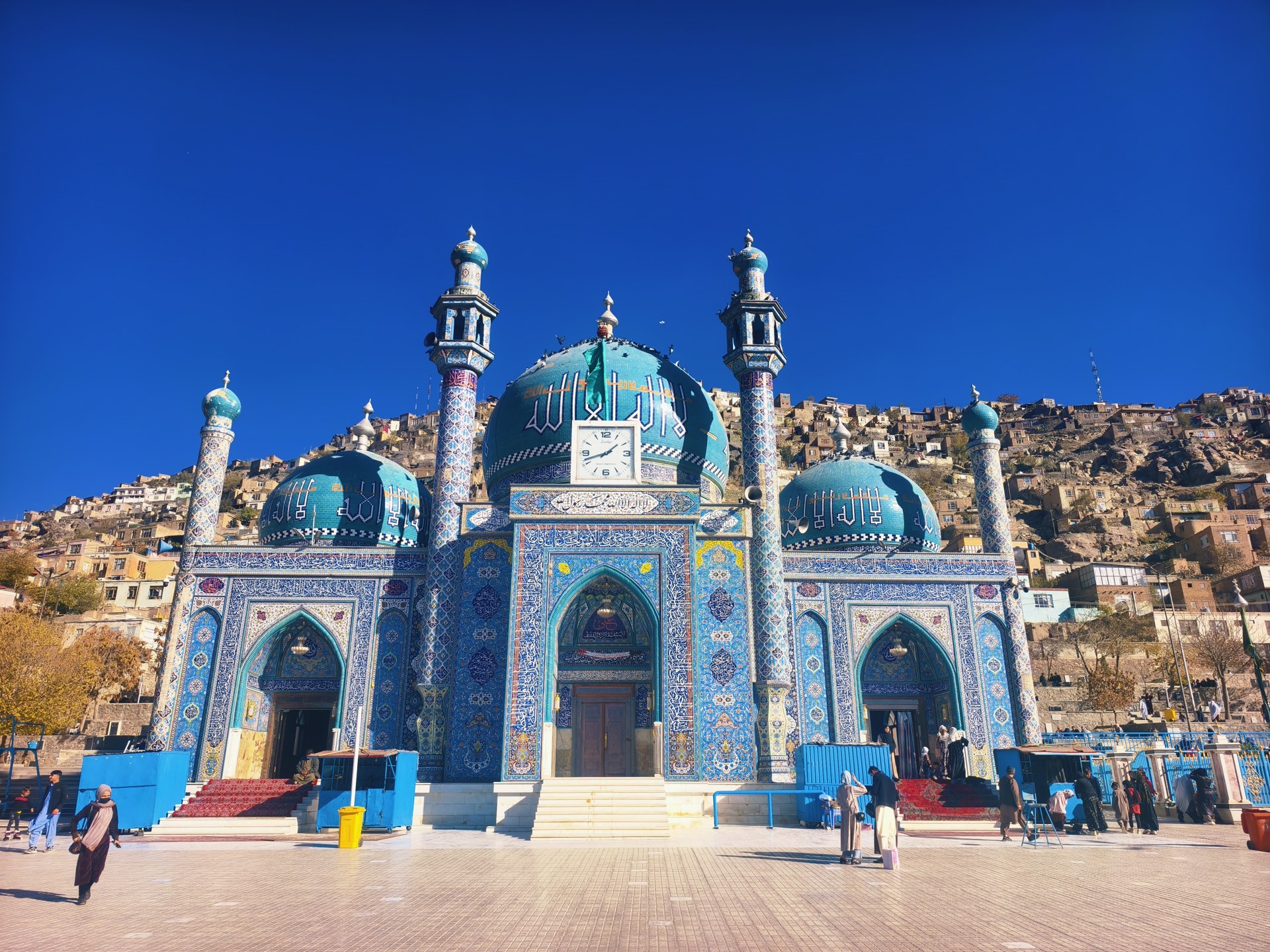
Rounding out the picture are the old covered bazaars, the Shah-Do Shamshira mosque with its unusual yellow facade, and the panoramas that open up from the surrounding hills.
Food
Kabul's Afghan cuisine has absorbed the influences of neighbouring peoples. The calling card is Kabuli pulao, a fragrant rice pilaf with lamb, carrot, raisins and nuts. Everywhere you will find mantu (steamed dumplings with a meat filling and a yoghurt dressing), ashak (dumplings with herbs), rich shorwa soups, kebabs and fresh tandoor flatbreads. A meal traditionally ends with strong green or black tea.
Getting there
The city's air gateway is Kabul International Airport (called Hamid Karzai International until 2021), which handles a limited number of flights from countries in the region. Overland links run along the roads connecting the capital with Jalalabad to the east, Kandahar to the south and Mazar-i-Sharif to the north; the route to the northern provinces goes through the high Salang pass and tunnel.
When to go
The high mountain setting produces a sharply continental climate: winters are cold and snowy with night frosts, while summers are dry and hot with cool evenings. The most comfortable months for travel are spring (April–May) and early autumn (September–October), when the air is mild and the surrounding slopes are at their most scenic. Three days are enough to see the key monuments, walk the historic quarters and form an impression of the culture of the Afghan capital.
Good to know
The security situation in Afghanistan remains difficult and changes quickly, and most governments advise against all travel to the country. Before planning a trip it is essential to study the current advice and warnings issued by the relevant authorities in your own country, to check the entry and visa rules for your own passport (visas are arranged in advance, usually at an embassy in a third country) and to find insurance that covers Afghanistan — such policies are rare. Cards issued by foreign banks do not work here; everything runs on cash. Take account of local customs and the norms of a traditional Muslim society: restraint in dress and behaviour, respect for religious rules and for the local way of life. The official languages are Dari and Pashto; payments are made in afghanis.
Photos