Khujand
TajikistanDescription
Tajikistan's second city, on the Syr Darya — the fortress on the site of Alexandria Eschate and the Panjshanbe bazaar.
Wiki
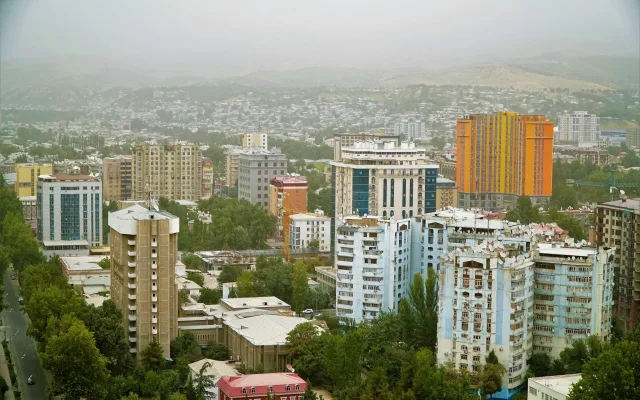
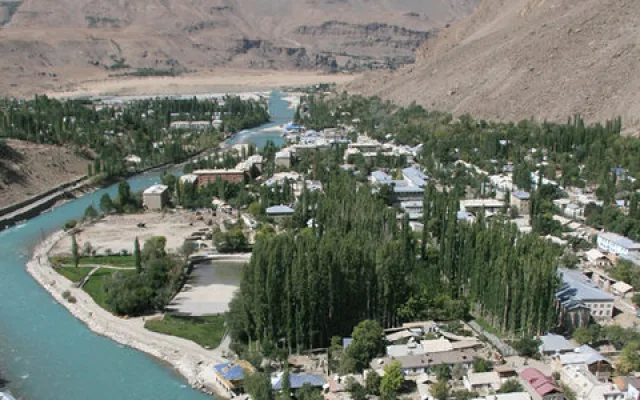
Khujand is the second-largest city in Tajikistan and the capital of Sughd province: around 200,000 people on the banks of the Syr Darya, at the western end of the Fergana Valley. This is not the Tajikistan of Pamir postcards — here you get flat land, orchards, cotton, heat, and a way of speaking in which Tajik mixes freely with Uzbek. For many travellers Khujand is the way into the country from Uzbekistan.
A little history
In 329 BC Alexander the Great founded Alexandria Eschate here — "Alexandria the Farthest", the easternmost outpost of his empire — although a settlement had stood on the site before that. In 1220 the Mongols laid siege to the city: its governor, Timur Malik, held out for weeks on an island in the middle of the Syr Darya and only slipped away downriver when his supplies ran out. From 1936 to 1991 the city was called Leninabad; the historic name came back on the eve of independence.
What to see
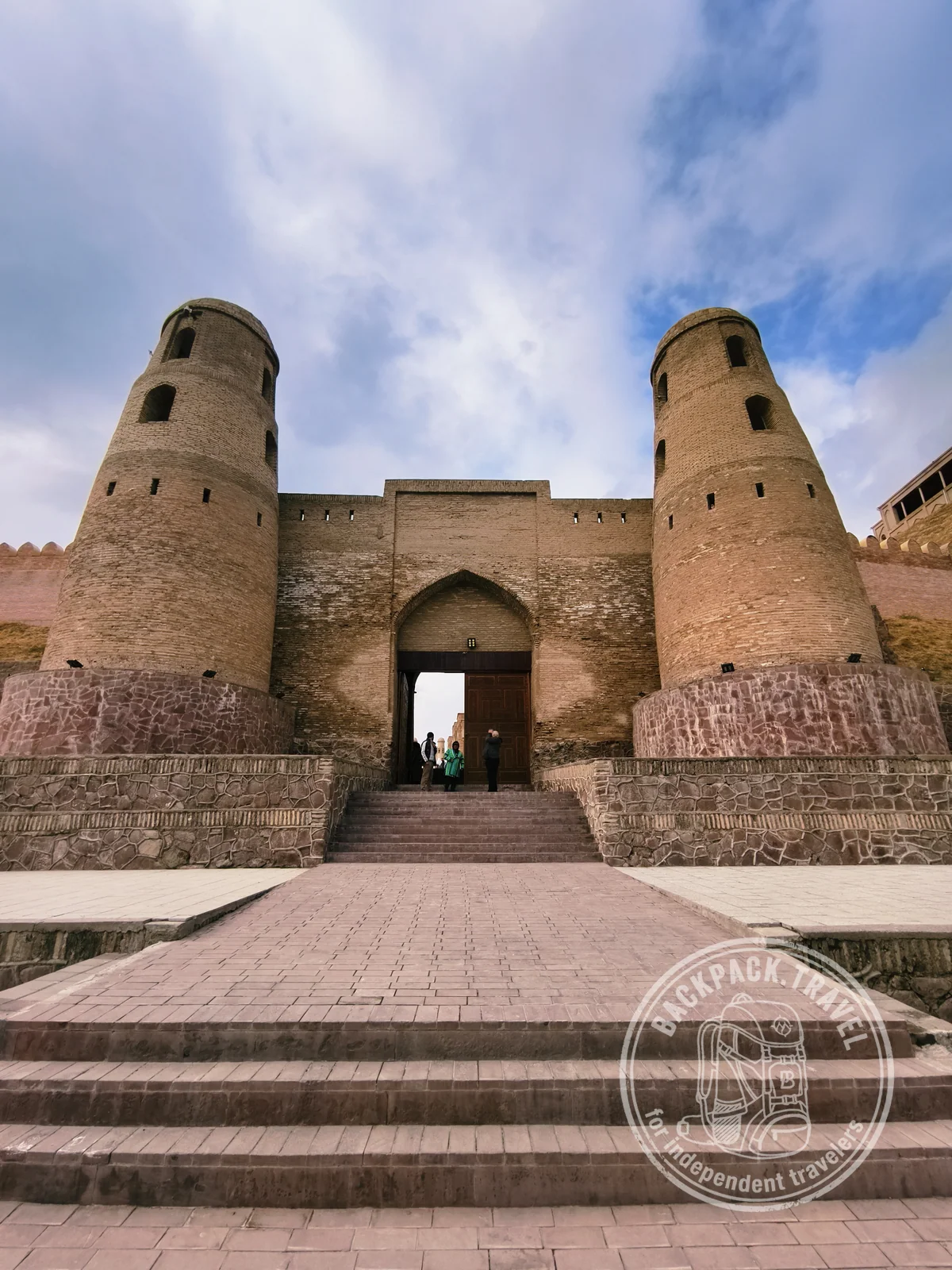
- Khujand Fortress. A section of the eastern wall, restored in 1999, stands above the Syr Darya; its foundations are dated to the 8th–10th centuries. Inside is the regional museum of archaeology and fortification, the main collection of Sughd province: Sogdian-era finds, a Saka warrior's helmet, carpets, embroidery and costume.
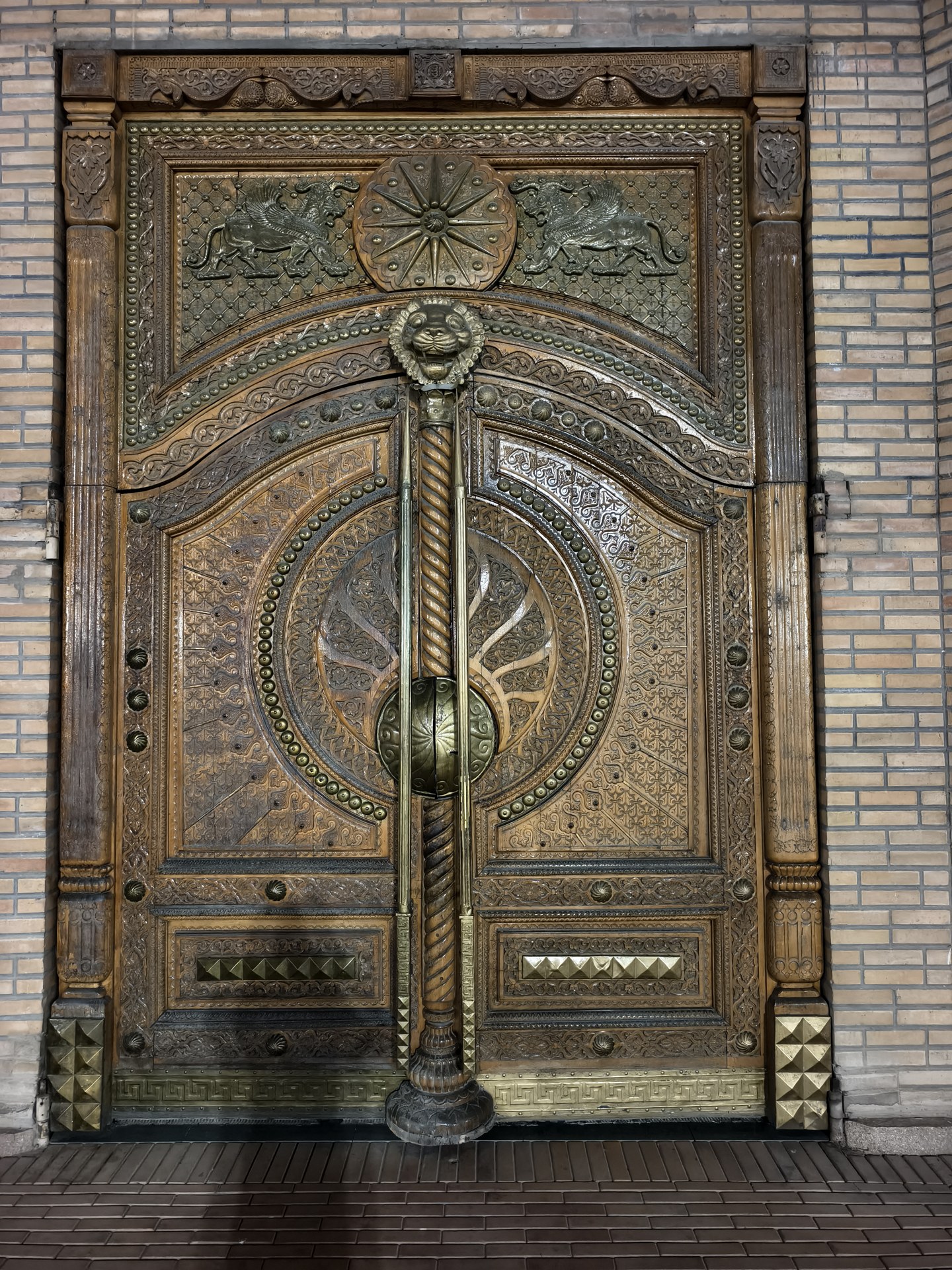
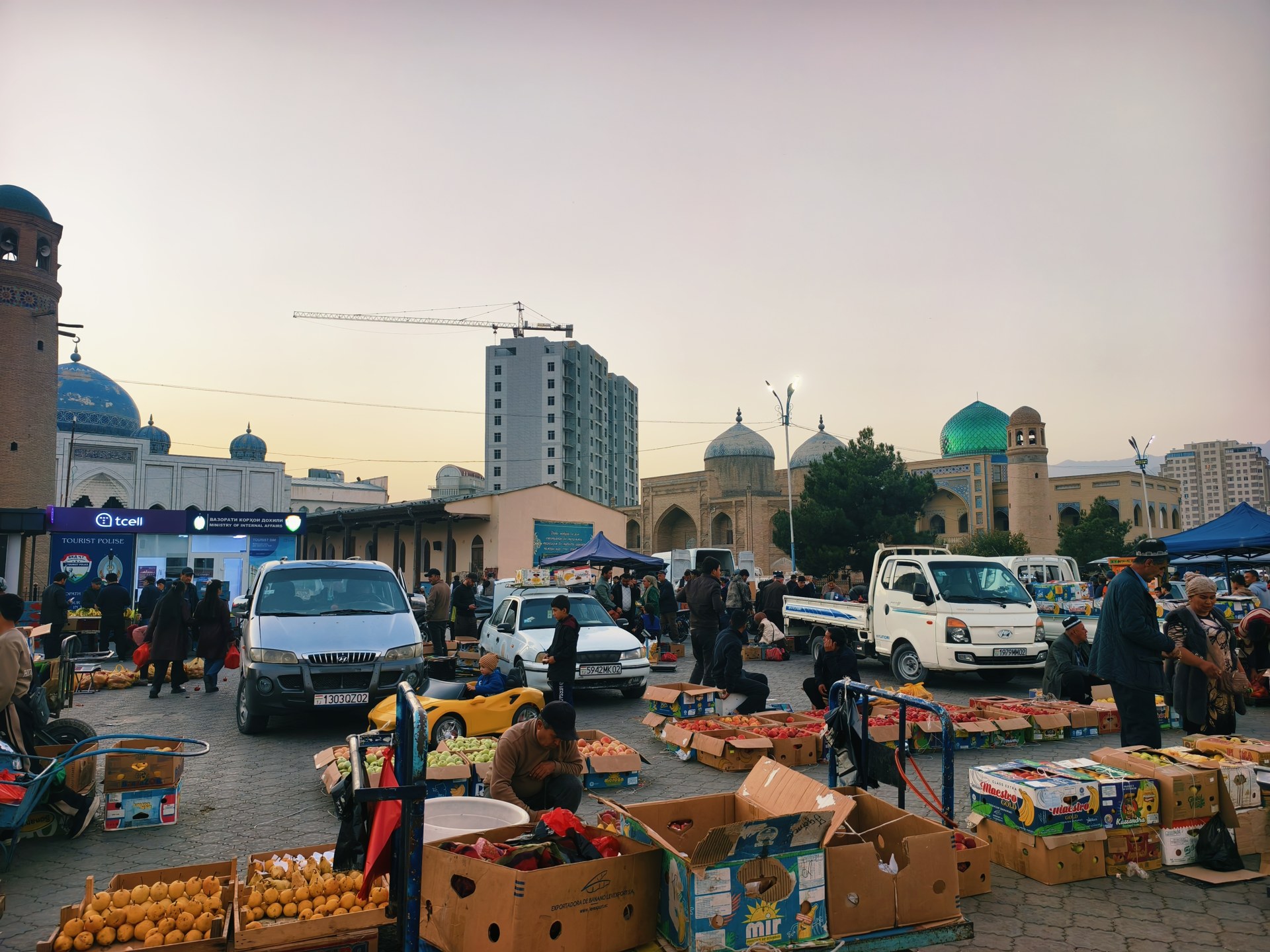
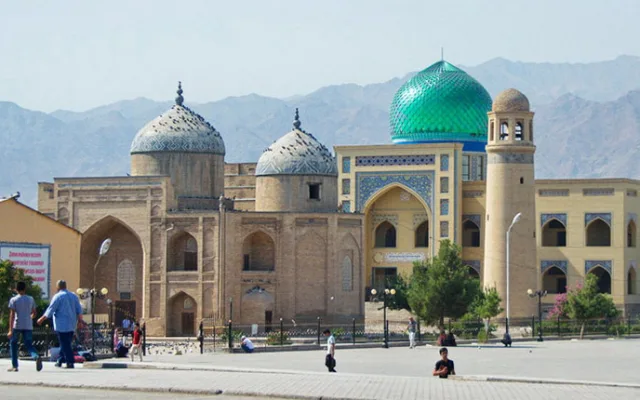
- The Mausoleum of Sheikh Muslihiddin. The city's principal monument. The complex grew up around the grave of a 12th-century sheikh and poet; the present buildings and minaret took shape between the 16th and 19th centuries.
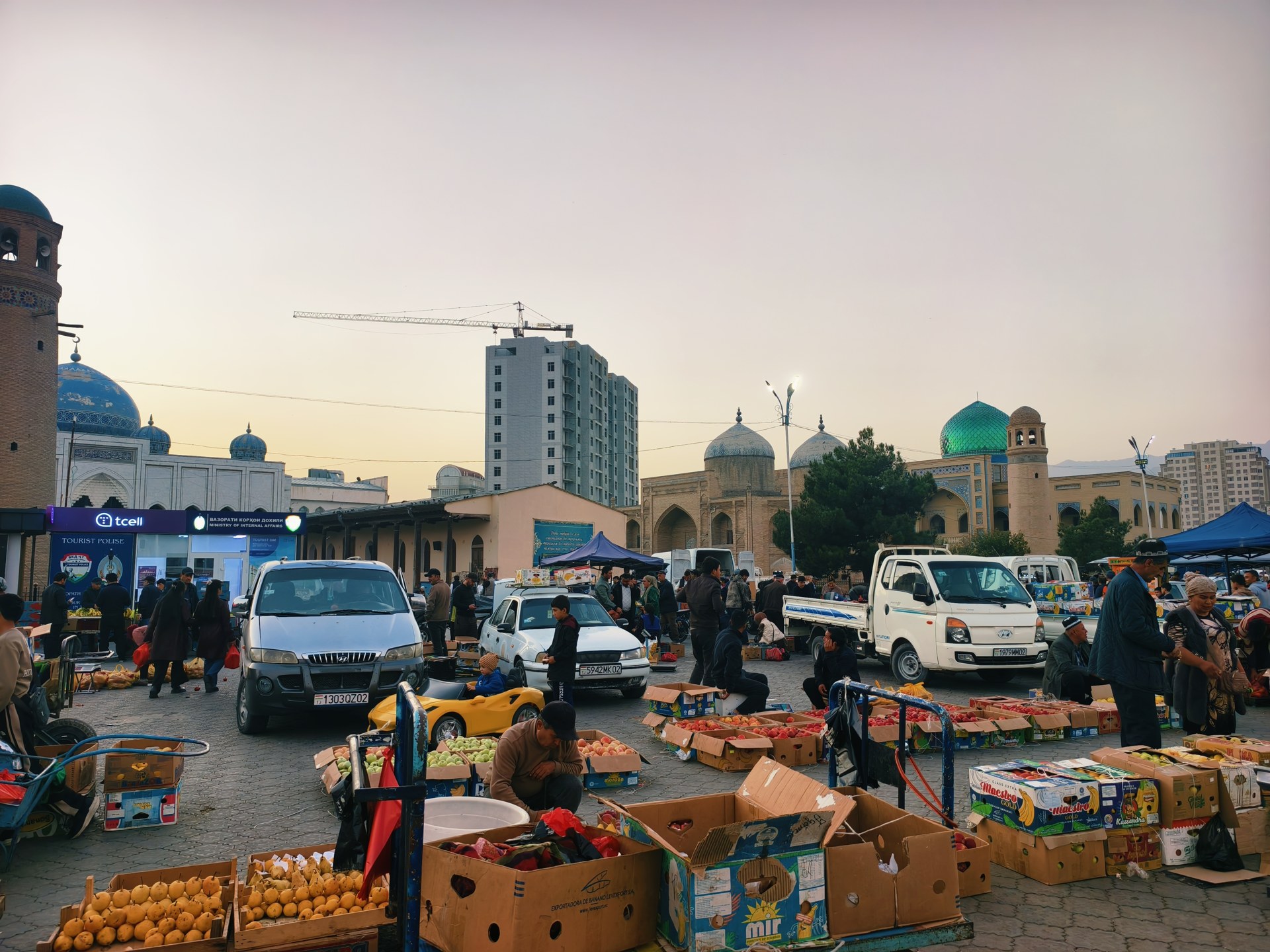
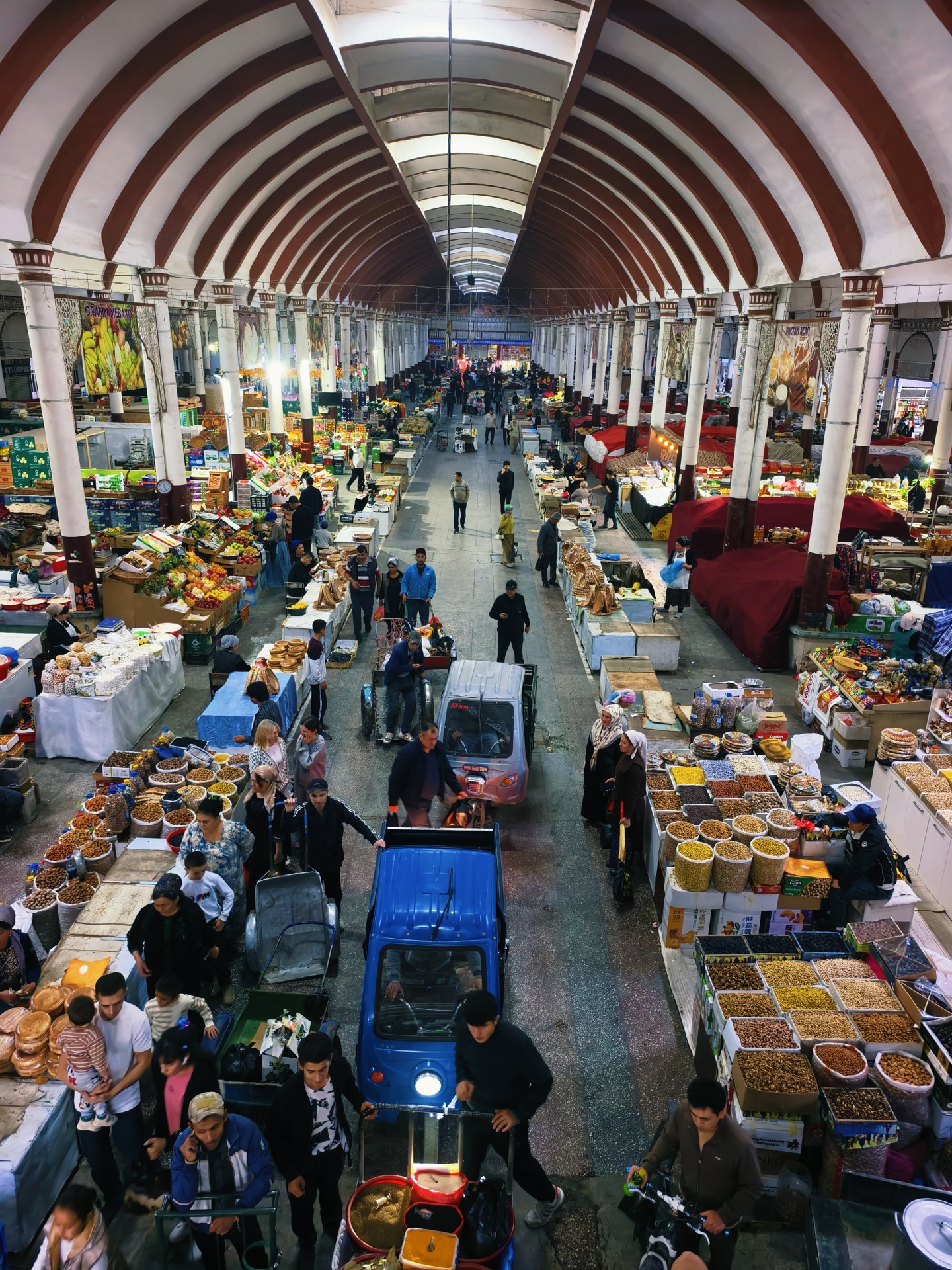
- Panjshanbe Bazaar. The huge covered market opposite the mausoleum. The building dates from 1964 and mixes classicism, Stalinist imperial style and oriental decoration. Panjshanbe means "Thursday" — historically the trading day. Dried fruit, spices, kurut, halva and mountains of pomegranates in autumn.
- The monument to Timur Malik on the embankment, and the monument to Ismoil Somoni, founder of the Samanid state in the 9th and 10th centuries.
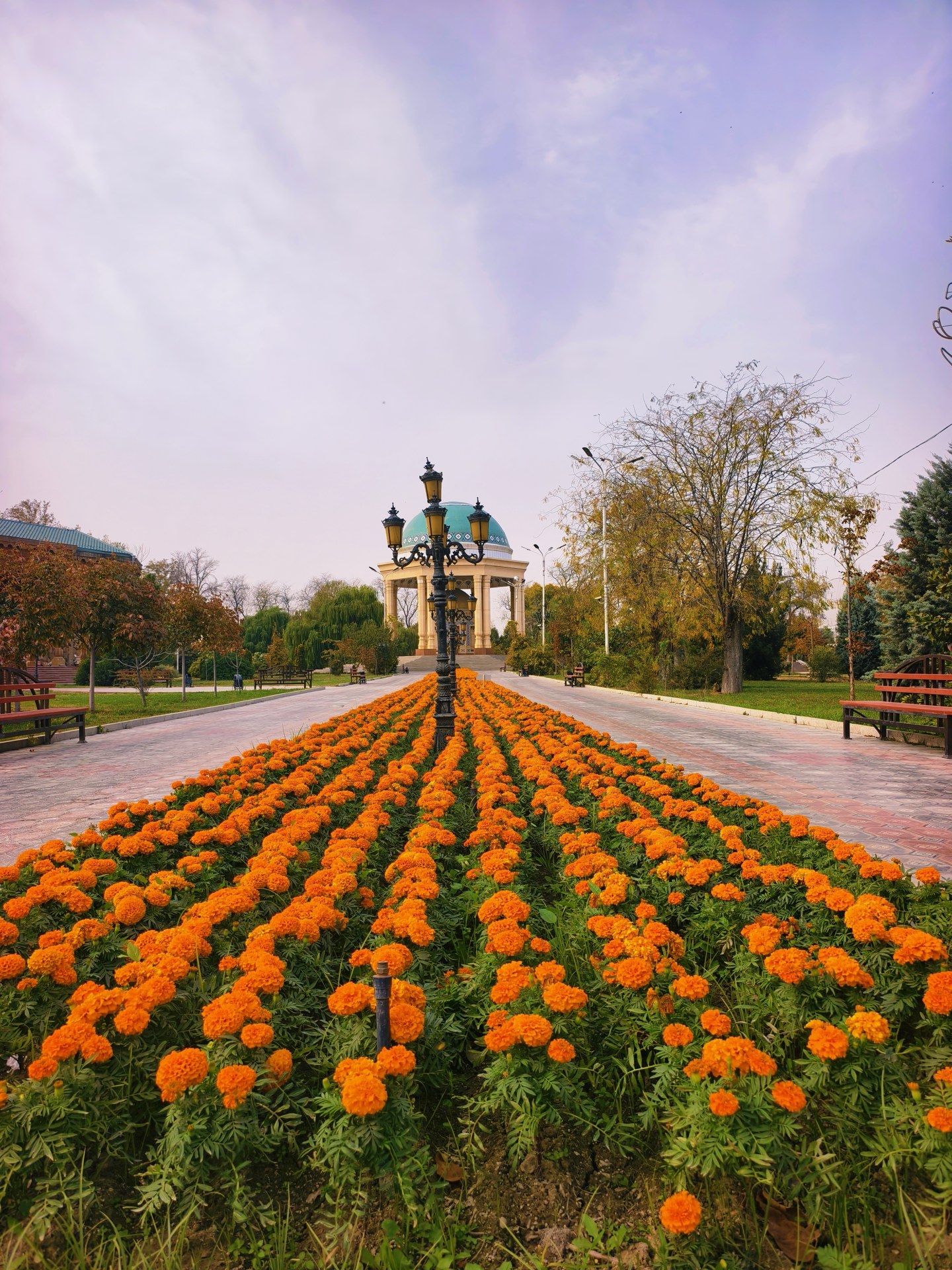
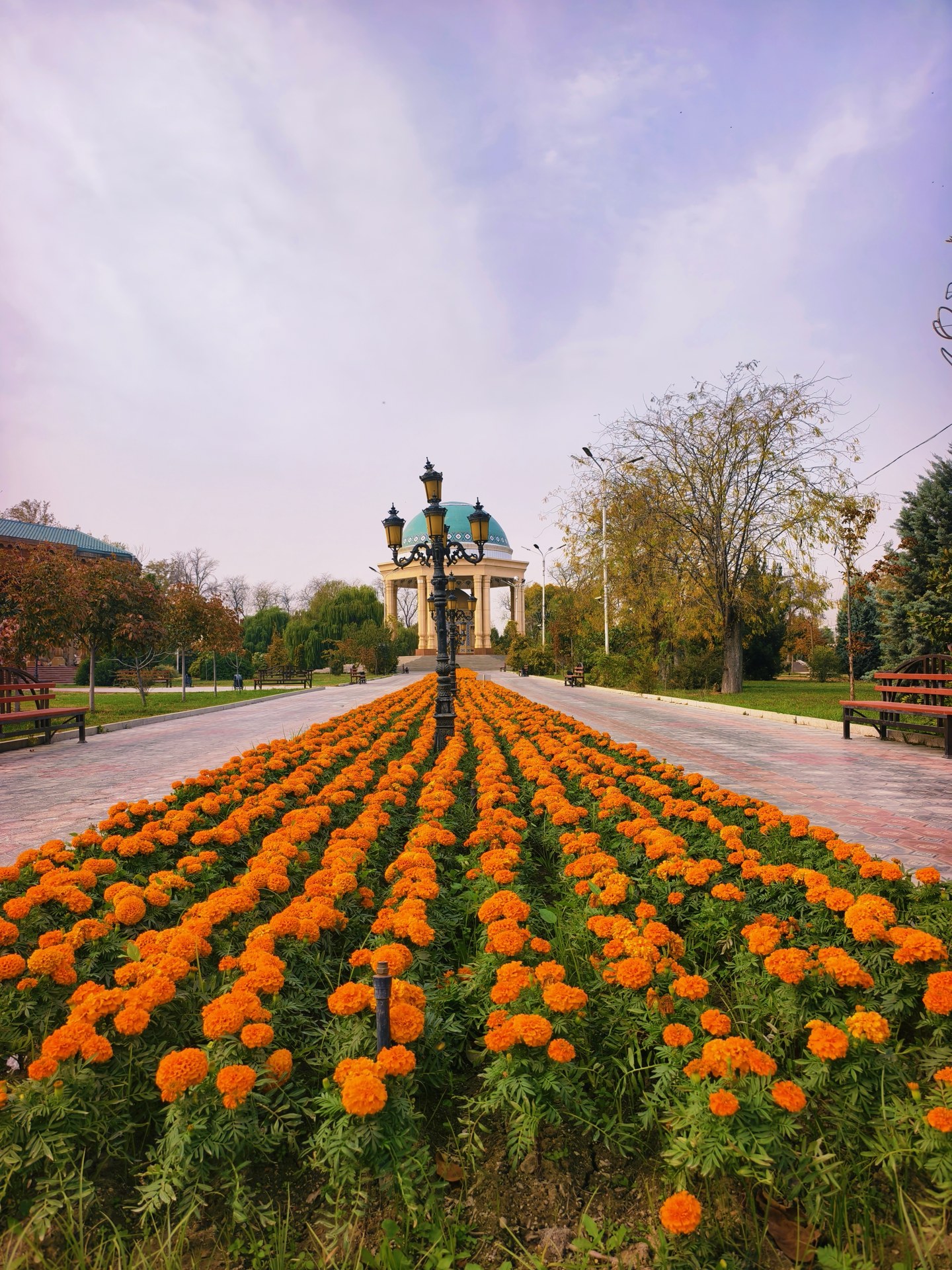
- Kamoli Khujandi Park, with the mausoleum of the 14th-century poet whose name the city's main theatre also carries.
- The Syr Darya embankment. In the evening the whole of Khujand walks here, and it gives the best view of the fortress and the bridges.
- The Arbob Palace of Culture in Buston, 15 km out: a Soviet "Peterhof" set among cotton fields. It was here, in 1992, that the parliamentary session which shaped independent Tajikistan was held.
Day trips from Khujand
- Istaravshan — 70 km to the south-west. The former Ura-Tyube: the Mug Teppa citadel mound, the 16th-century Kok Gumbaz mosque, and quarters of tinsmiths and knife-makers. The best day trip from the city.
- The Kayrakkum Reservoir, known as the "Tajik Sea" (Bahri Tojik), 30 km east: sandy beaches and holiday bases where townspeople escape the summer heat.
- Kanibadam and Isfara — Fergana towns with bazaars, old madrasas and apricot orchards on the way to the Kyrgyz border.
- Panjakent — an ancient Sogdian city in the south of the province, about 300 km away over the Shahriston pass. Worth going, but plan at least one overnight.
Getting there and around
Khujand airport (LBD) is about 10 km from the centre; a taxi in costs 45–65 TJS ($5–7). Its timetable is unusual: the overwhelming majority of flights serve labour migration to Russian cities, with Somon Air services and a few seasonal routes on top. Check the current schedule before booking — the route network here changes every season.
Between Khujand and Dushanbe there is a short flight of about an hour, or roughly 340 km of road: five to seven hours through the Shahriston tunnel and the Istiqlol tunnel beneath the 3,372 m Anzob pass. In winter the road is sometimes closed by snow and avalanches, so keep the flight in mind as a fallback.
From Tashkent it is three to four hours by shared taxi via the Oybek border crossing — the simplest way of entering Tajikistan overland. In town there are marshrutkas and taxis, and the historic centre is compact enough to walk.
Food and prices
The cooking belongs to the Fergana Valley. Kurutob is the dish to try first: layered fatir flatbread soaked in diluted kurut (dried yoghurt), topped with onion, herbs and oil, and eaten by hand from a shared platter. Alongside it come plov, shakarob (a tomato and onion salad), manti, shavla, tandoor-baked sambusa and non bread, with chak-chak and halva for tea. People drink green tea, and ayran in summer.
Lunch in a teahouse costs 40–65 TJS ($4–7), dinner in a restaurant 90–185 TJS ($10–20). A taxi across town is 10–30 TJS ($1–3), a marshrutka 3 TJS ($0.30), a litre of petrol about 9 TJS ($1). A seat in a shared taxi from Tashkent runs 280–460 TJS ($30–50). Prices are as of 2026.
When to go
April–May and September–October, at 18–28°C, are the best months: orchards in blossom or the harvest coming in. Summer (June–August) brings 35–42°C to the valley; at only 300 m above sea level the city runs markedly hotter than mountain Dushanbe. Winter is −5 to +5°C, damp and grey. Navruz on 21 March is the great festival of the Fergana Valley, with celebrations, gushtingiri wrestling and street food.
Common mistakes
- Treating Khujand as a half-day transit stop. The fortress, the mausoleum and the bazaar fill a full day, and with Istaravshan you need two.
- Planning the Dushanbe leg in winter with no slack. Passes and tunnels close for snow, and flights sell out the moment they do.
- Arriving at the bazaar after lunch. Panjshanbe starts early; by the middle of the day the rows thin out noticeably.
- Counting on cards. You need cash somoni almost everywhere: exchange offices are plentiful, ATMs that accept foreign cards are not.
- Underestimating the heat. From June to August sightseeing really only works early in the morning and in the evening.
Photos