Description
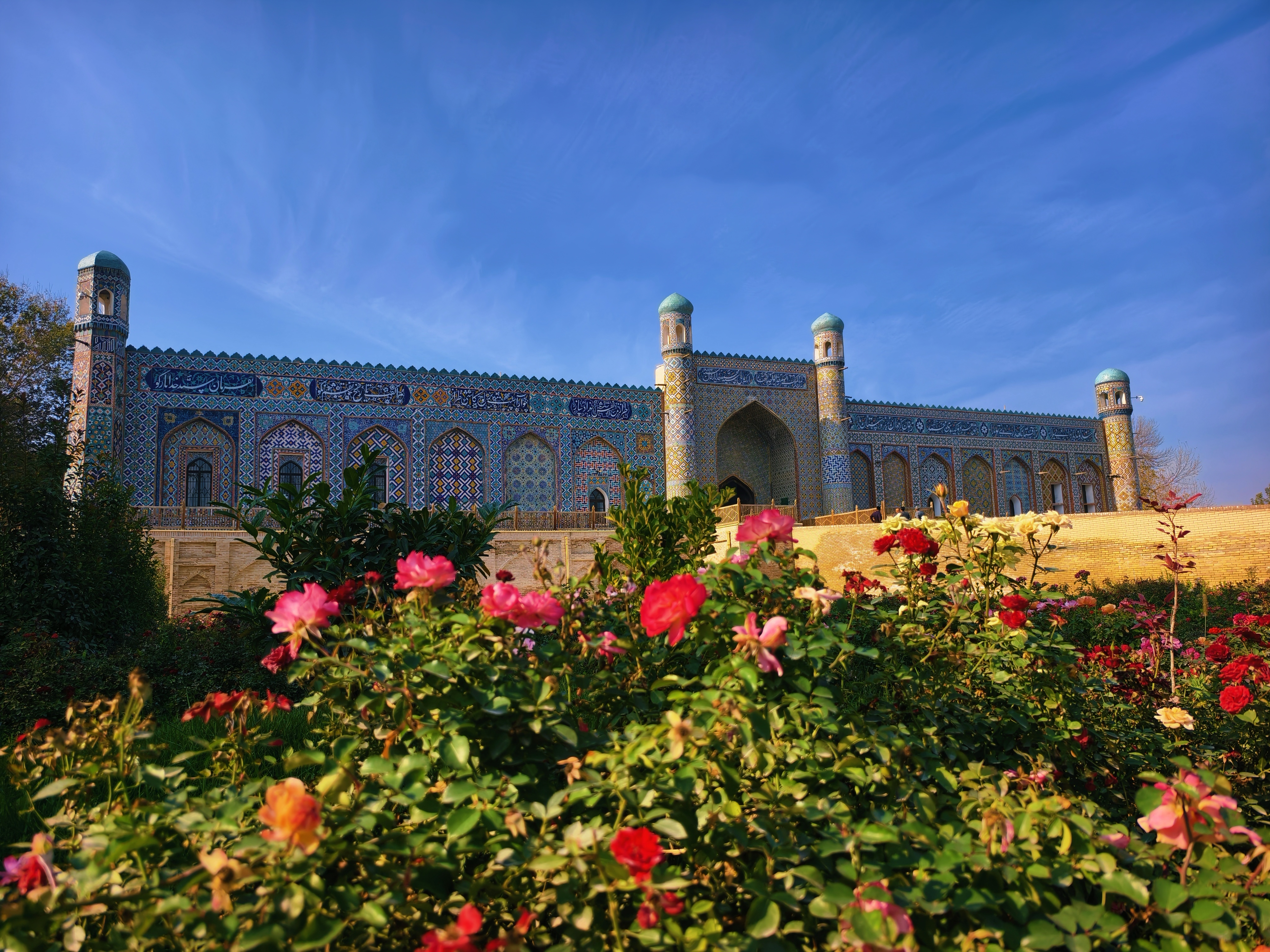
A working Fergana Valley town with the best-preserved khan's palace in Central Asia, a timber-columned Friday mosque and craft quarters that still function.
Wiki
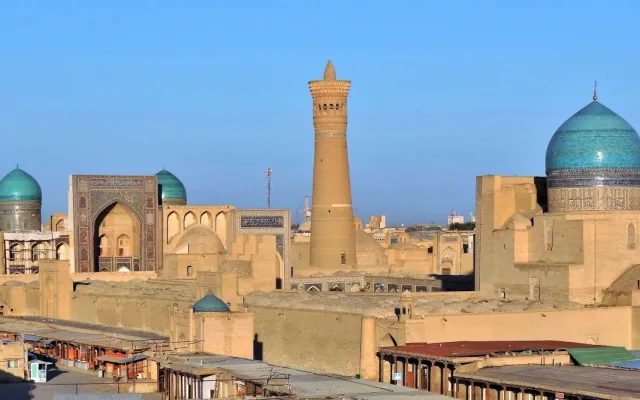
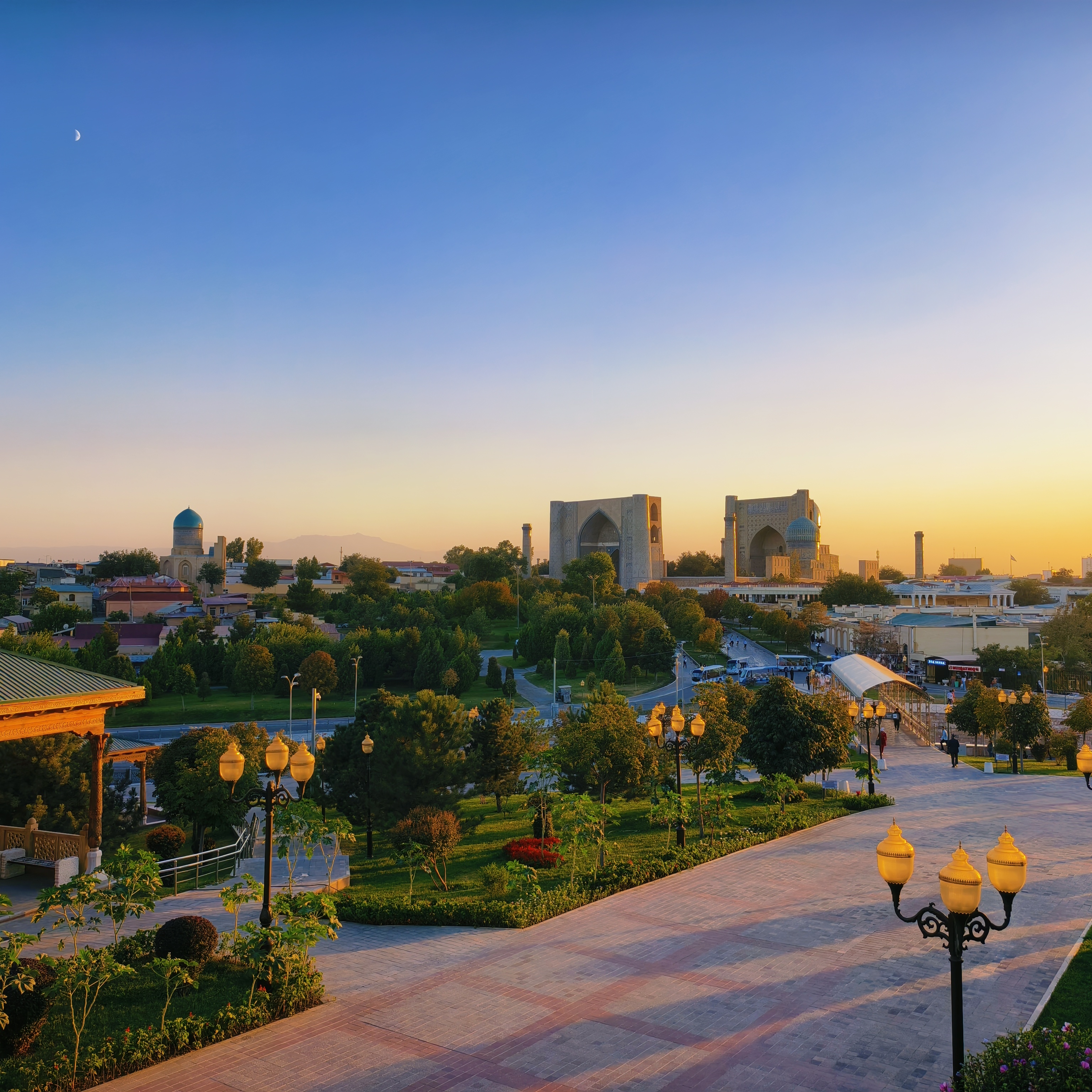
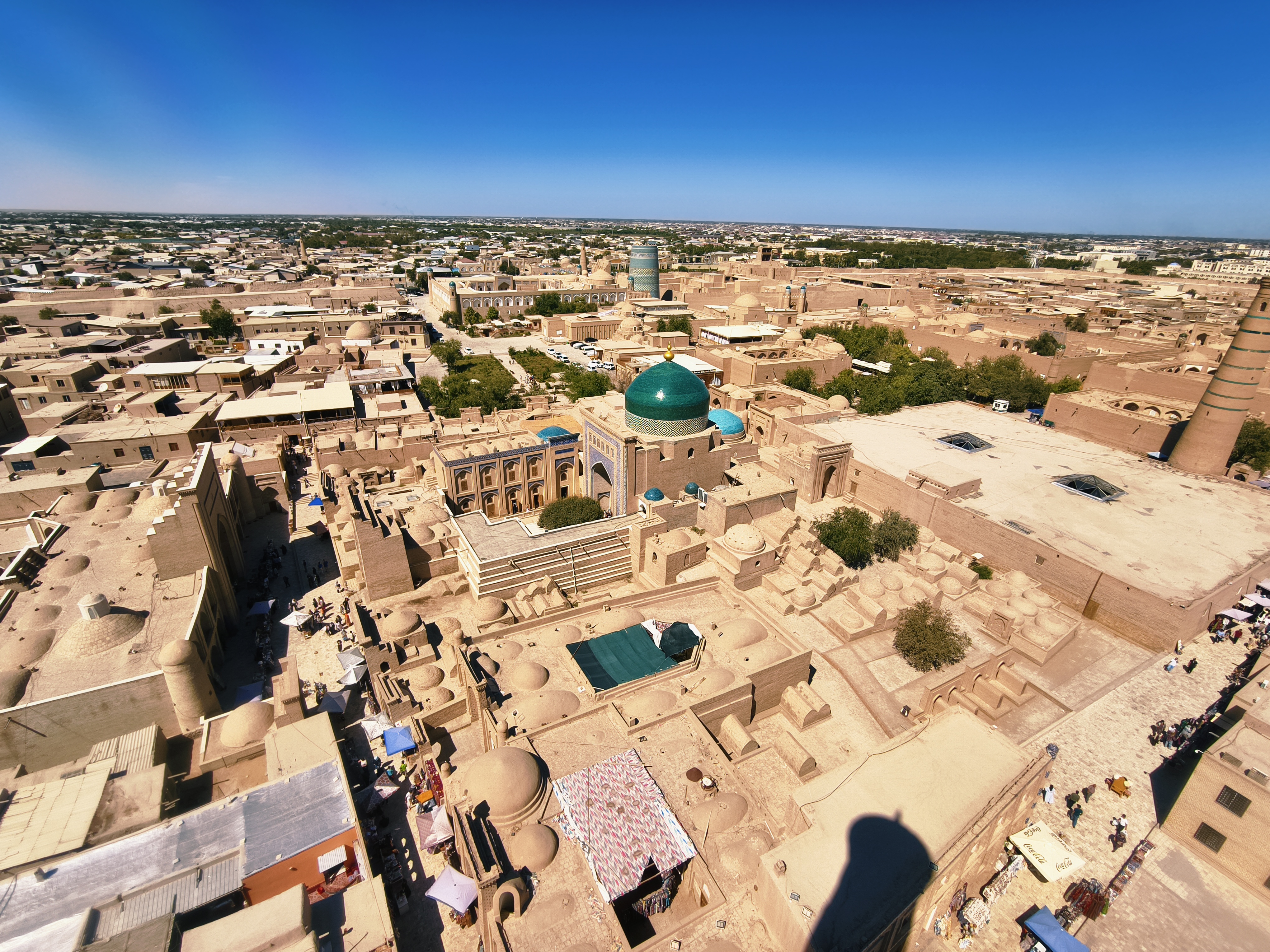
Kokand is one of those places where the unkempt city turns out to be more interesting than the scrubbed-up tourist showcases. In one full day you can see the best-preserved khan's palace in Central Asia, walk into working craft quarters and pick up the real rhythm of the Fergana Valley — without the crowds or the souvenir gloss.
Getting there and finding your feet
Kokand is the natural gateway to the Fergana Valley from Tashkent. The most comfortable option is the fast train that runs Tashkent – Kokand – Margilan – Andijan; the line crosses the Qamchiq pass, much of it inside a long tunnel, and the scenery on the open stretches is a reason to travel in daylight. Book ahead: popular dates sell out. The alternative is shared minibuses and shared taxis from Tashkent's bus stations — cheaper and more frequent, but slower, and the road switchbacks over the pass (worth knowing if you get carsick).
The town itself is compact. The main sights — the palace, the Friday Mosque, the madrasahs, the bazaar — all sit near the centre and link up on foot or with a short taxi hop. There are few metered cabs; Yandex Go works, and flagging down a private car at the kerb is normal practice (agree the fare before you get in). You don't need your own vehicle for a day: walk the main loop and take a taxi out to the station.
What you can realistically fit into a day
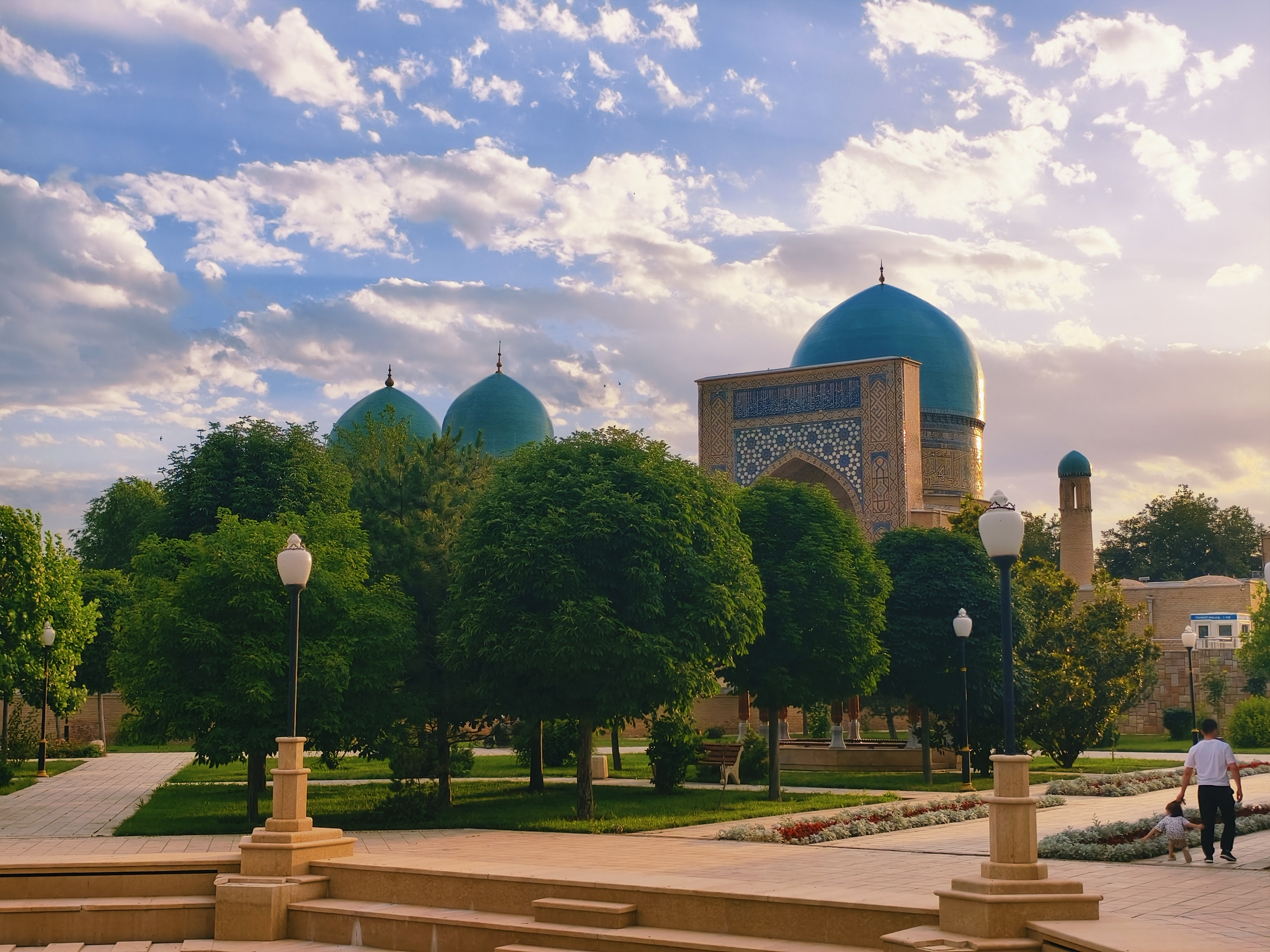
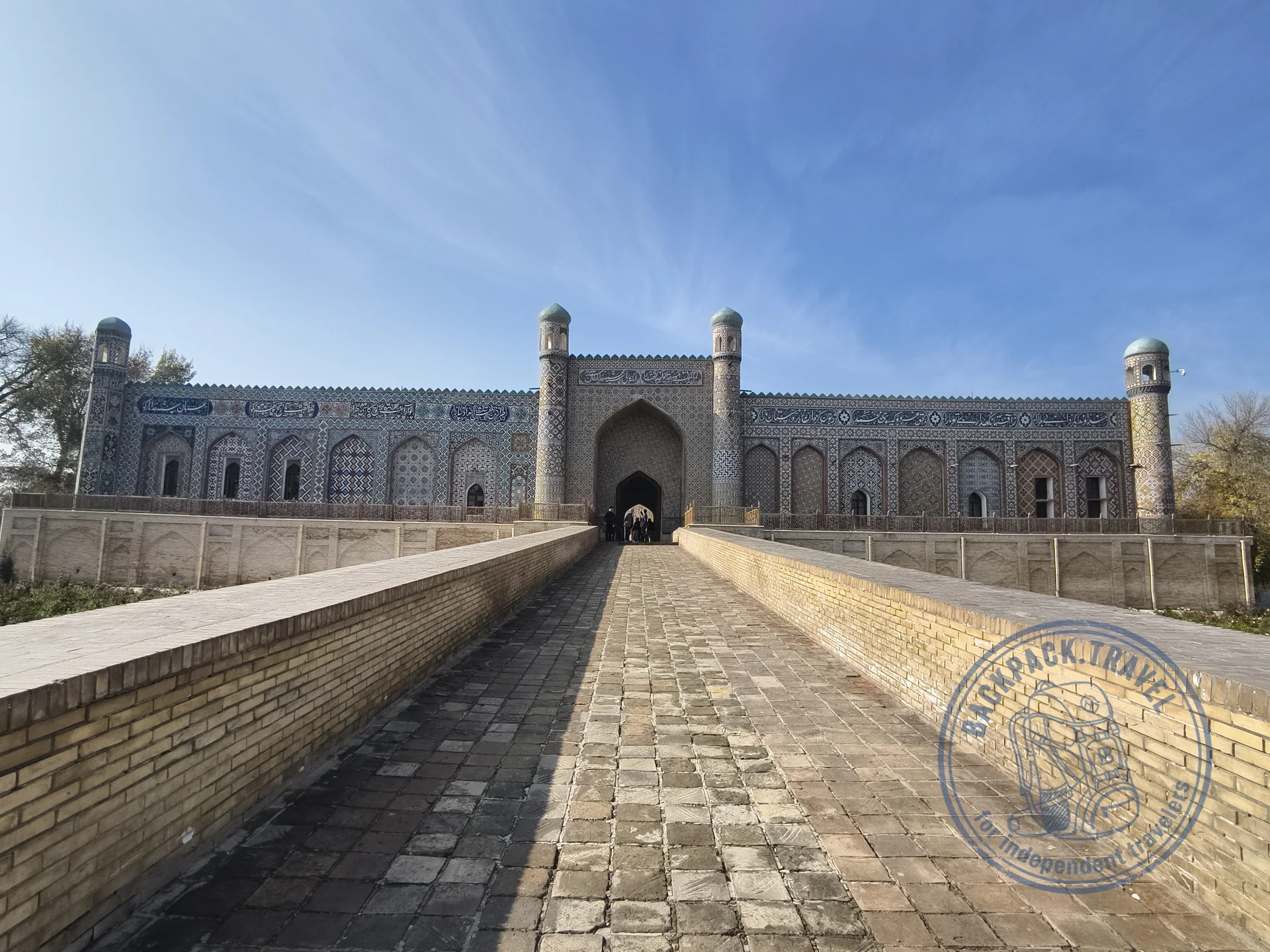
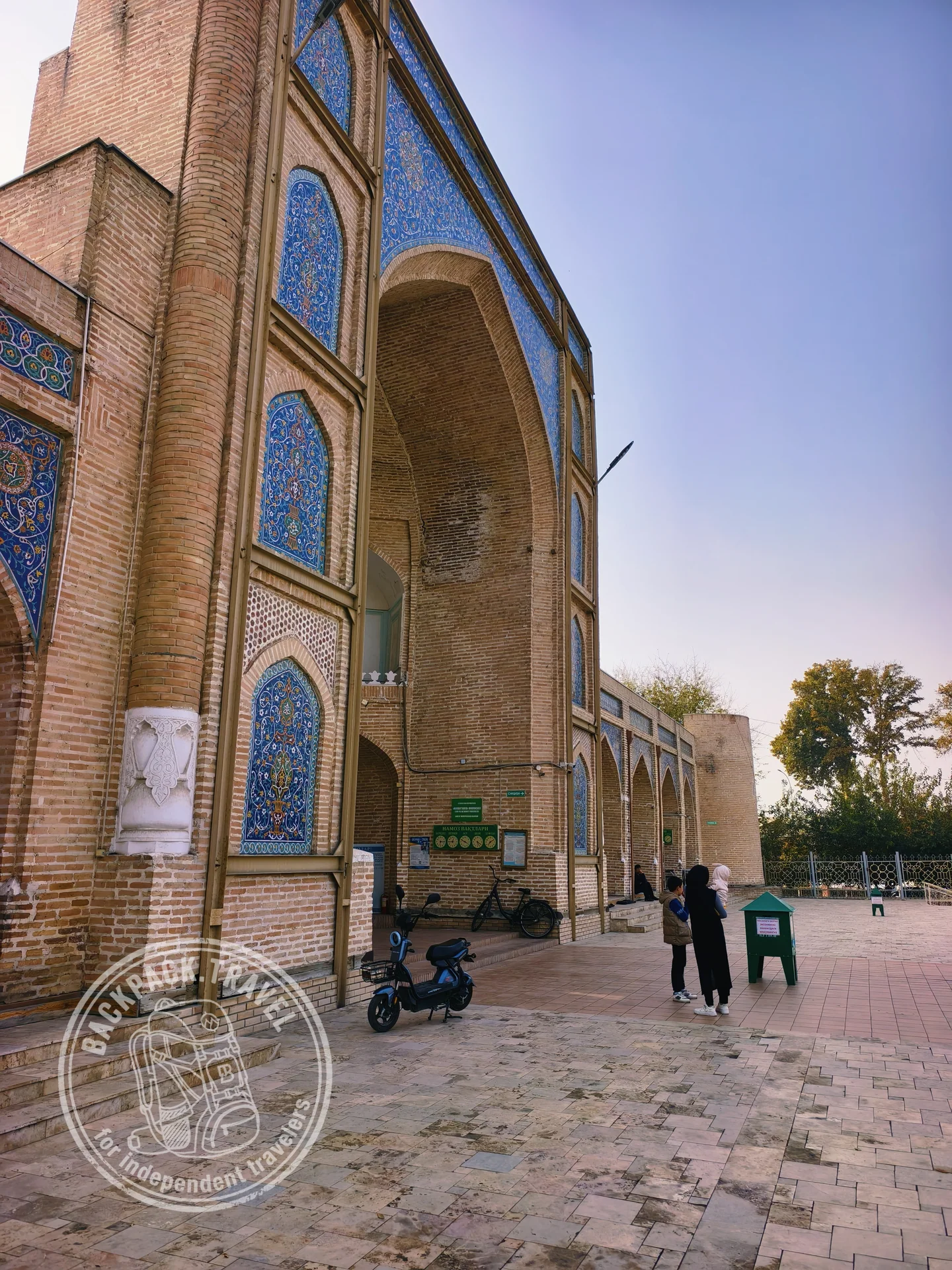
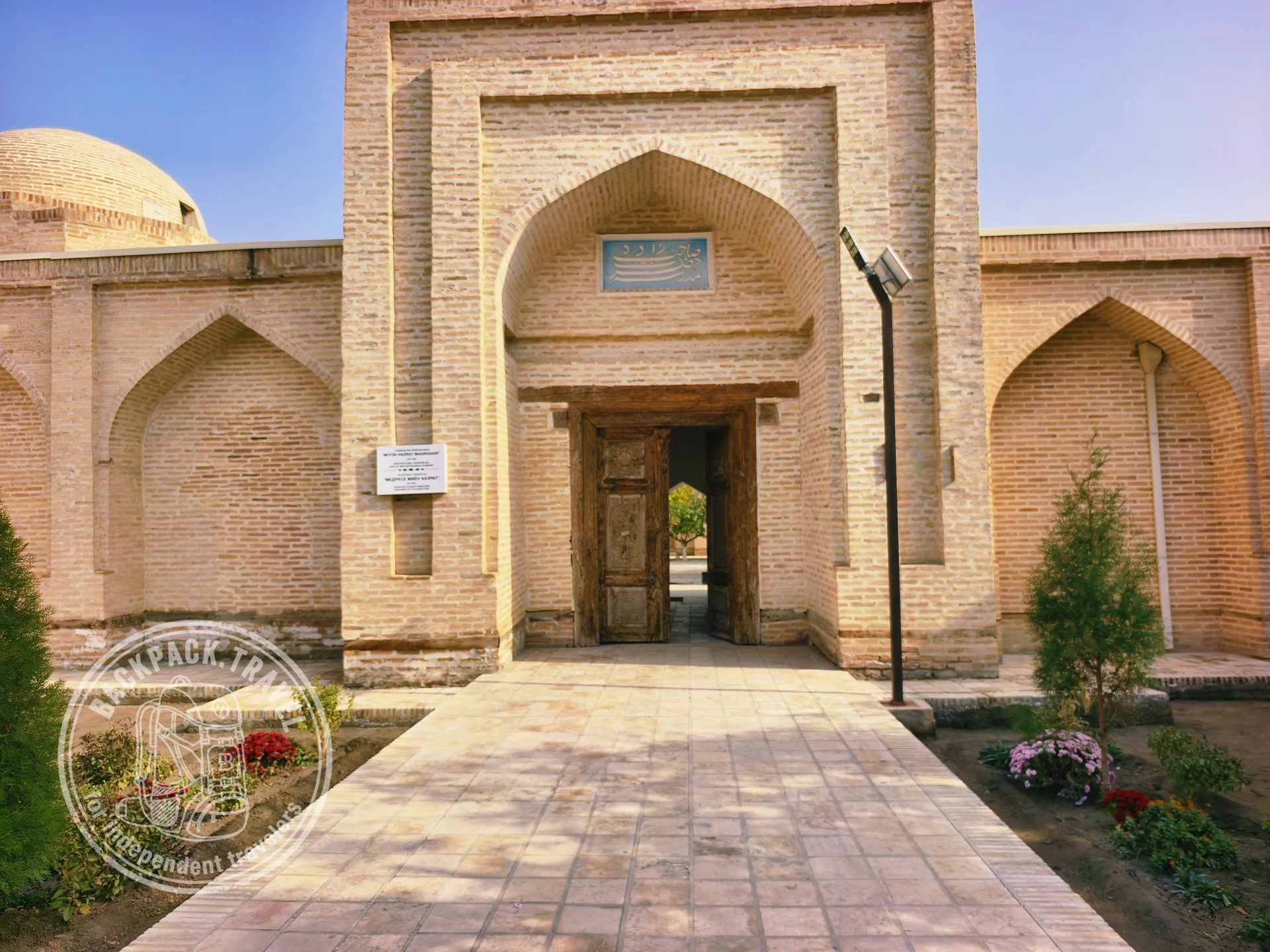
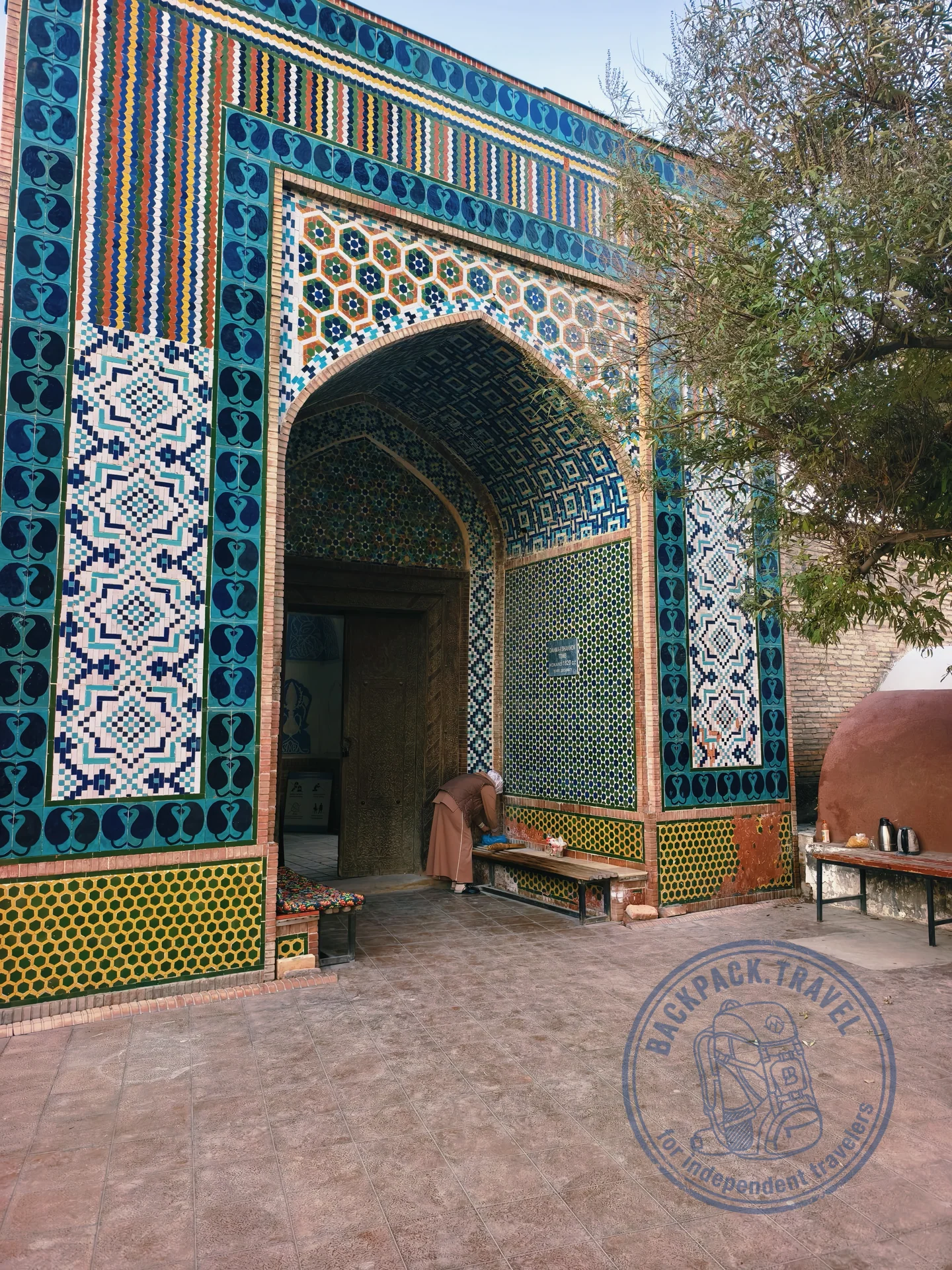
A sensible route starts at the Palace of Khudoyar Khan — the main draw, and worth at least an hour including the courtyard and the museum rooms inside. From there move on to the Friday Mosque with its forest of carved wooden columns, and to the nearby Norbutabiy Madrasah. The Dakhma-i-Shokhon and Modarikhan mausoleums are for those who like tilework and the history of the khanate, but they add context and are only a short walk away.
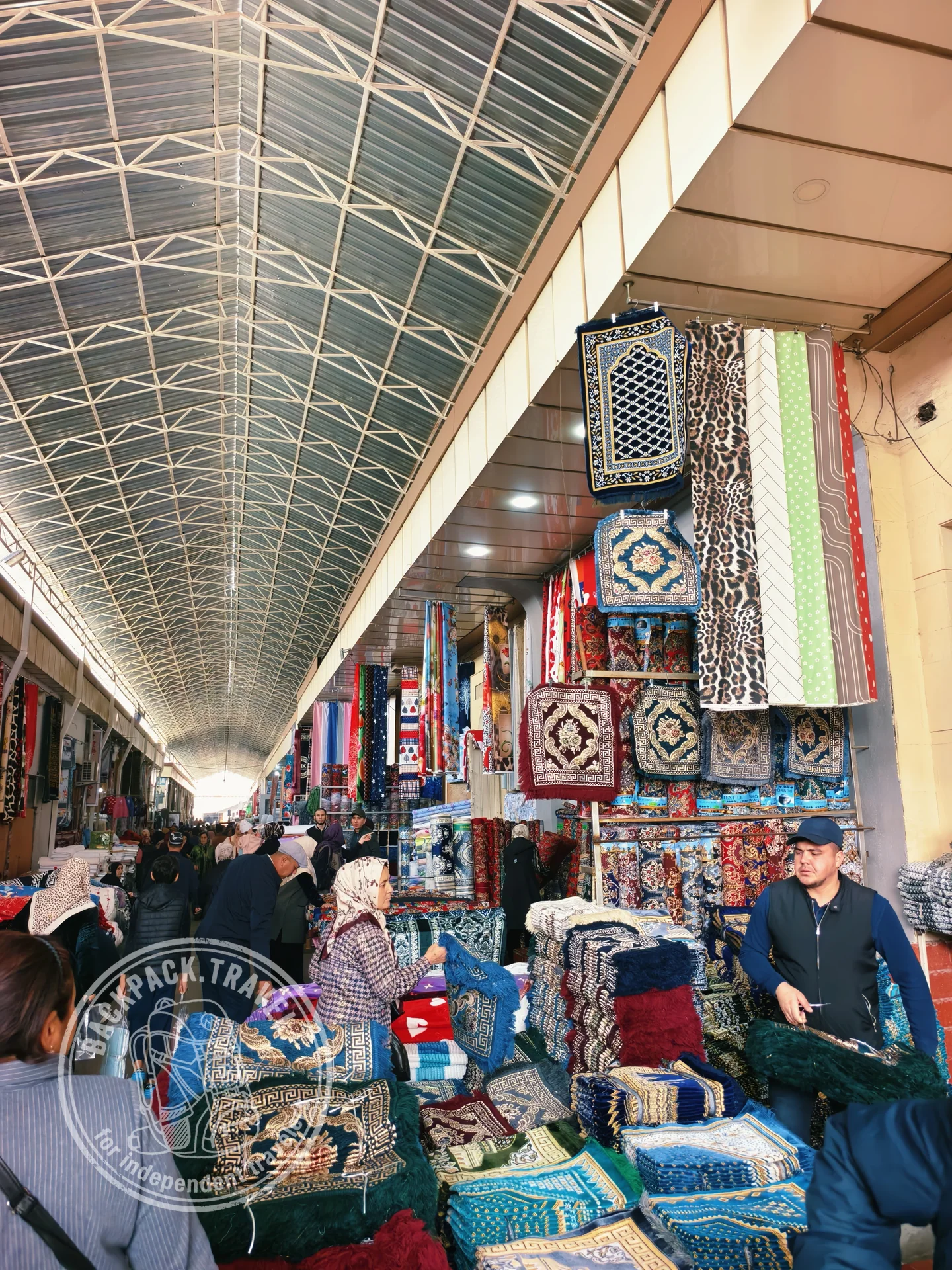
Around the middle of the day, dive into the Chorsu bazaar — not a box-ticking sight but a working market, and the point is simply to wander: spices, dried fruit, adras silk, embroidered caps. It is also the easiest place to eat and to buy presents more cheaply than in the big tourist cities.
Side trips worth staying an extra day for
If you have a second day, or you are heading deeper into the valley, these are worth the detour:
- Margilan (about 75 km) — the capital of Uzbek silk. The reason to go is not the photographs but the chance to see the whole cycle in the flesh, from cocoon to ikat-dyed adras.
- Rishtan (about 40 km) — ceramics in the town's signature turquoise and ultramarine. Buy straight from the workshops.
- Andijan (about 120 km) — Babur's birthplace; more rewarding as a stop in its own right than as a day trip from Kokand.
All of this strings together neatly as Kokand → Rishtan/Margilan → Fergana, rather than as out-and-back runs.
Food
The cooking here is Fergana cooking, and it is noticeably different from the standard tourist set. The regional marker is Fergana plov, made with devzira rice — a slightly different taste and colour. Look out for lagman, shashlik, tandoor samsa and fresh flatbread. Eat where local people eat: the chaikhanas and the stalls around the bazaar give the best ratio of price to flavour. Kokand is one of the cheapest towns in the country for a traveller — accommodation, transport and food all cost less than in Samarkand or Bukhara.
When to go, where to sleep, staying safe
Season. Spring (April–May) and autumn (September–October) are ideal: comfortably warm. Summer in the valley is hot and dusty, winter is cool.
Sleeping. There are not many hotels and guesthouses in Kokand and the choice is thinner than in the better-known cities, so book ahead in high season. Staying near the centre makes sense so you can walk everything. Plenty of people treat Kokand as a day stop and base themselves in Fergana, where there is more infrastructure.
Safety. The town is calm, serious street crime is essentially absent, and foreigners are met with goodwill and curiosity. Normal pickpocket awareness at the market covers it. Cash is used far more than cards in the Fergana Valley: keep sum on you, as ATMs are not everywhere and do not always have money in them.
Common mistakes
- Trying to "collect" Kokand, Margilan, Rishtan and Fergana in a single day — you will gallop through all four. Either one town properly, or two days.
- Travelling without cash and without slack in your schedule for the road over the pass; services here are not as frequent as on the Tashkent–Samarkand line.
- Expecting restored postcard perfection. Kokand's value is its authenticity: take it as a living town, not an open-air museum.