Description
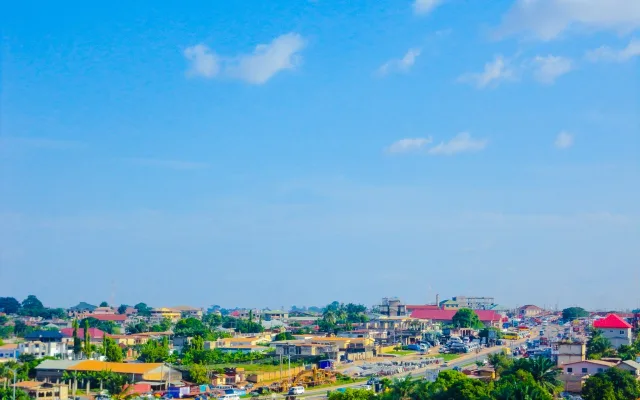
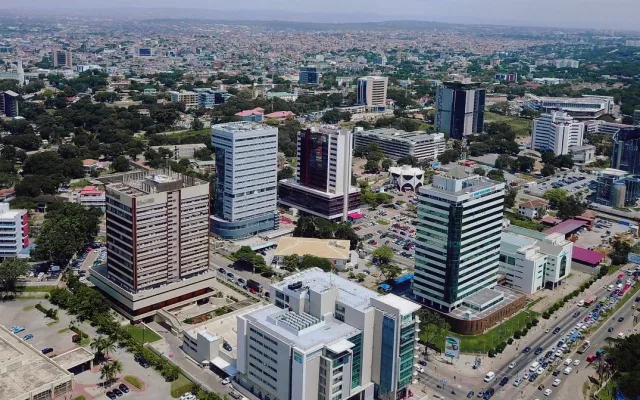
Kumasi is a city in Ghana, known for the Manhyia Palace and the cultural heritage of the Ashanti kingdom. It is also home to Kejetia Market and the Ashanti Cultural Centre.
Wiki
Kumasi is the heart of Ashanti country — not a tourist showcase but a living, working city with a vast market, craft villages on its outskirts, and an active royal court. People come here not for beaches or colonial polish, but to engage with a culture that is very much alive, and to take home kente cloth and wood carvings bought directly from the makers.
Getting there and getting your bearings
Kumasi sits roughly in the centre of Ghana, 4–6 hours from Accra along the N6 highway. Your options:
- Bus. Companies such as STC and VIP run regular services between Accra and Kumasi; VIP minibuses depart when full, STC runs to a timetable. Buy your ticket at the booth in advance, not from touts.
- Plane. There are domestic flights on the Accra–Kumasi route, taking about 45 minutes. The airport is close to the city and a short taxi ride from the centre — a sensible choice if your time is worth more than the fare.
- Tro-tro (shared minibuses) connect Kumasi with all the surrounding towns and villages and are the main way to reach Bonwire, Ahwiaa, and Ntonso.
The city spreads out from the Adum/Kejetia district — the commercial core, with the market and bus stations. A good place to start.
Getting around
The centre is walkable, but Kumasi is hilly, hot, and chaotic — you tire quickly. Practical options:
- Tro-tro — cheap, but you need to know the routes and termini; ask locals where a given vehicle is headed.
- Taxi — a "dropping" (the whole car to yourself) costs more; sharing along a fixed route costs less. Always agree on the fare before you get in; there are no meters.
- Bolt/Uber both operate in the city and remove the need to haggle — handy for trips to museums and bus stations.
Allow for heavy traffic around Kejetia; distances are short but congestion eats up the time.
Where to stay
Two areas worth considering:
- Adum / city centre — close to the market, banks, and transport. Noisy, but everything is at hand and budget options are plentiful.
- Nhyiaeso / Ahodwo — quieter and greener, with slightly better guesthouses and hotels, a little further from the bustle. A good balance if you want a decent night's sleep.
Western-style backpacker hostels are rare; the choice is mainly inexpensive guesthouses and guest houses.
How many days and how to structure your time
Two days is enough to cover the highlights.
- Day 1 — the city. Morning at Manhyia Palace (a guided tour makes the dynastic history much clearer), then the cultural centre with its kente-weaving workshop, and — if colonial-era warfare interests you — the fort with its military museum. After lunch, plunge into Kejetia Market: don't try to "cover" it, just spend an hour or two in the labyrinth, keeping valuables in front of you.
- Day 2 — craft villages. Link Bonwire and Adanwomase (kente weaving), Ntonso (adinkra stamping with bark-dye blocks), and Ahwiaa (wood carving) into a single loop. Buying directly from weavers is fairer on both price and quality than the tourist shops. At Ntonso you can stamp an adinkra symbol onto cloth yourself — a popular hands-on experience.
If you add a third day, Lake Bosumtwi — a sacred lake in a meteorite crater — is a fine antidote to the city's intensity.
When to go
The dry season runs roughly from November to March, when roads and village tracks are easier to navigate. Rains fall from April to October and turn the dirt paths to the villages to mud. A special reason to time your visit is the Akwasidae festival, which follows the Ashanti calendar and falls every six weeks: ceremonies with drumming, royal regalia, and processions are held at the court of the Asantehene. Check the dates in advance — it is the best day to witness a living tradition rather than a museum exhibit.
Food and prices
The food is filling and inexpensive. Alongside fufu with light soup, banku, and jollof rice, look out for omo tuo (rice balls) with groundnut soup — a dish that originates in this region. Eat at a chop bar, the local canteen where portions and prices are honest; restaurants charge noticeably more for essentially the same thing. Street food — fried plantain (kelewele), kebabs — covers snacks for very little. For water, stick to bottled or the ubiquitous "pure water" sachets sold everywhere.
Prices are as of 2026. A meal at a chop bar starts from around 20 GHS (about $1), street snacks from 5 GHS (under $1). Prices in the craft villages are negotiable; check what weavers charge before buying in town.
Safety and common mistakes
Kumasi is generally calm; the main risk is pickpockets in the crowds at Kejetia and the bus stations. Keep your phone and cash out of reach and avoid pulling out large notes in public.
- Do not photograph people or the palace without permission — cameras attract suspicion and Manhyia has its own rules.
- Bargain at the market and with taxi drivers — the first price is always high, but do it calmly and with a smile.
- Keep Ghanaian cedis in cash: cards are rarely accepted, ATMs exist in Adum but are not reliable in the villages.
- Don't rush to buy kente in bulk from the first vendor you meet — visit the weavers in the villages first so you know what fair prices and good weaving actually look like.