 Города и дороги
Description
The capital of Yunnan, known across China as the city of eternal spring: at almost two thousand metres the summers stay mild and the winters bring no snow. Trips to the Stone Forest and to the Xishan hills above Dianchi Lake begin here.
Wiki
Kunming is the capital of Yunnan, a city standing at an altitude of about 1,890 metres on the northern shore of Dianchi Lake. The temperature here holds steady all year round, snow is almost unheard of, and the altitude takes the edge off the summer heat, which is where the nickname "city of eternal spring" comes from. For a traveller it is first of all the interchange hub of the Chinese southwest, yet Kunming itself has enough to fill a couple of days.
What to see
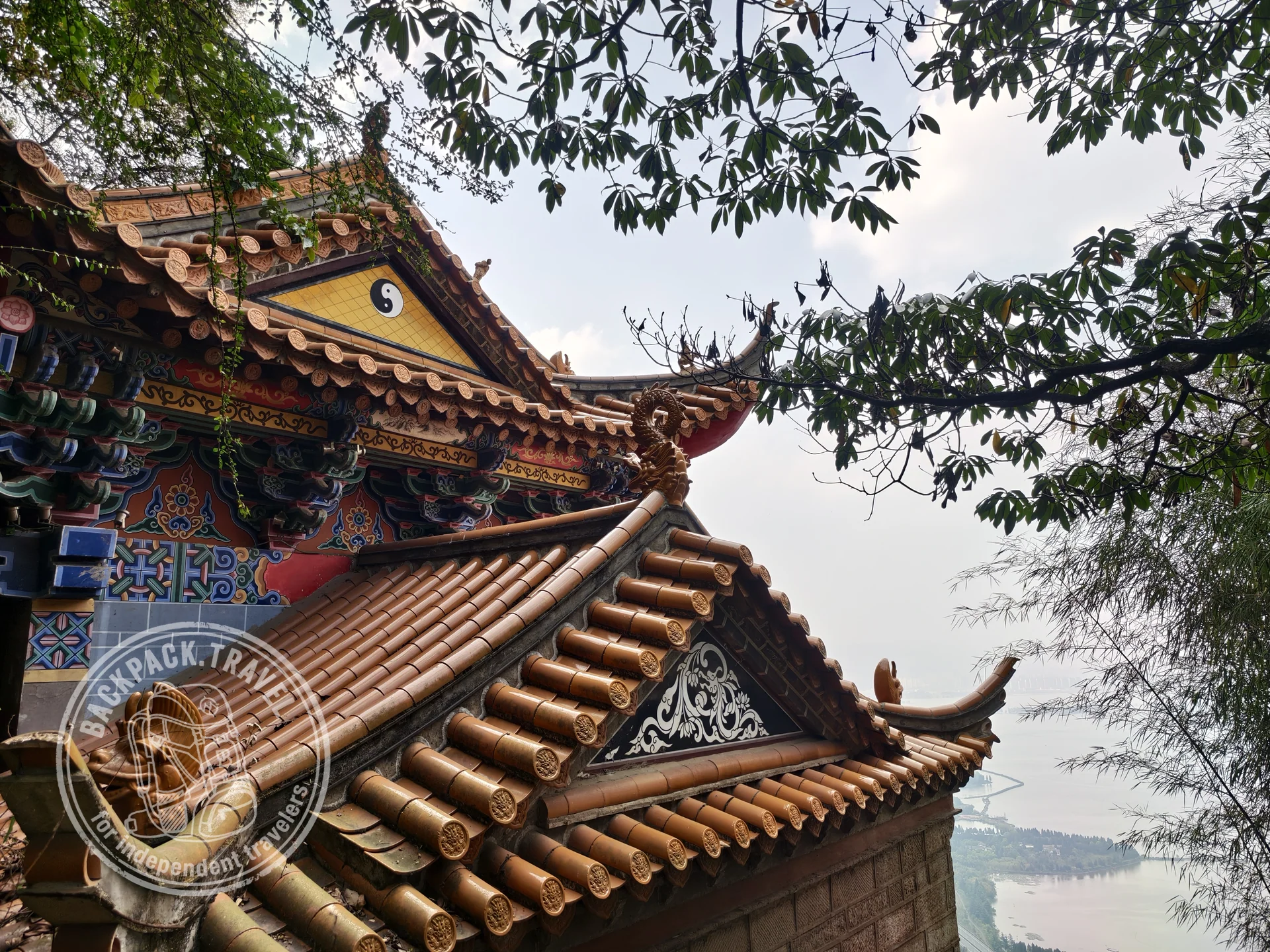
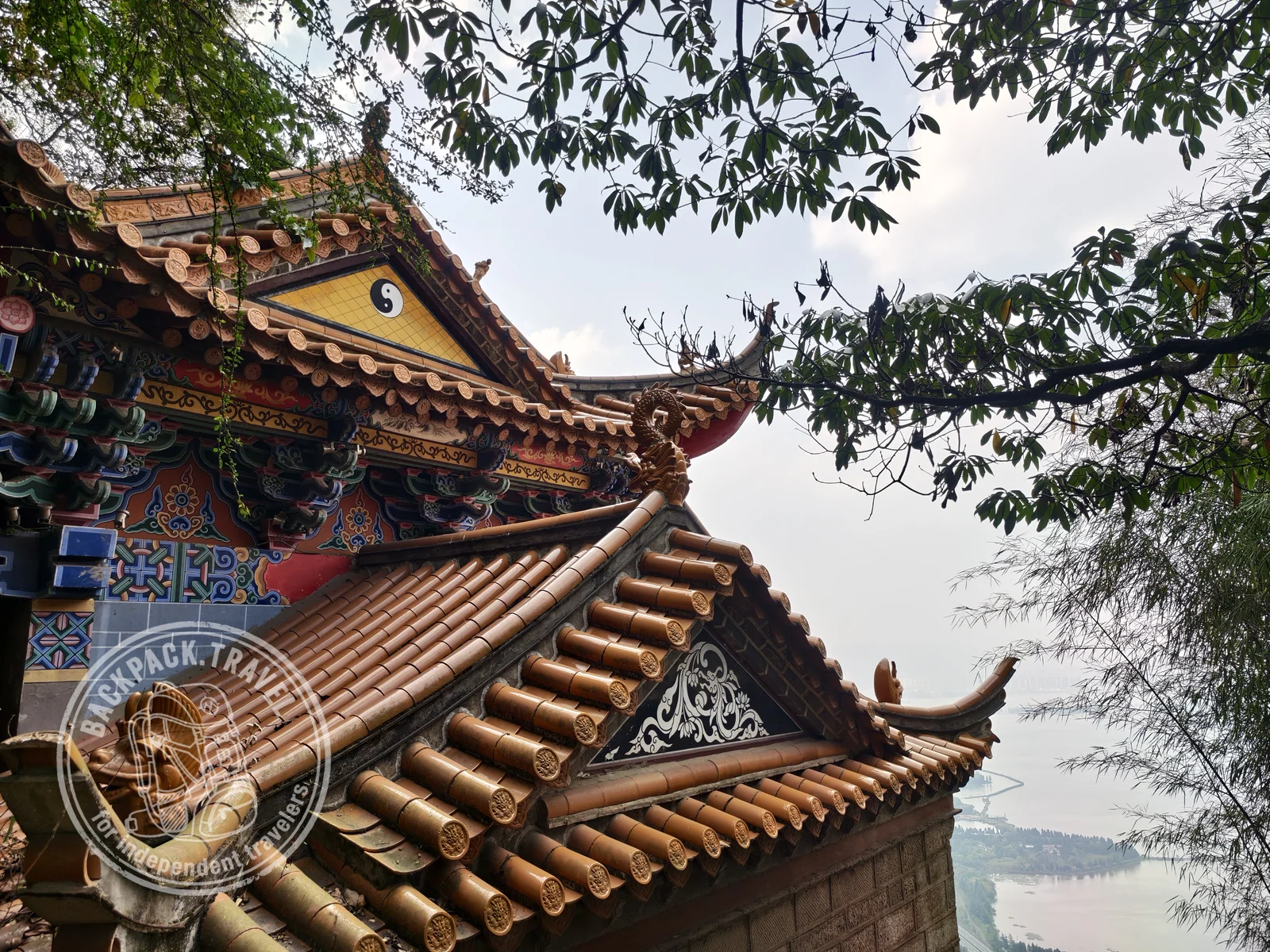
- The Western Hills (Xishan) and the Dragon Gate (Longmen) are the ridge above the western shore of Dianchi. The centrepiece is a narrow corridor hewn into a sheer cliff, along with grottoes and ledges hanging over the drop: the work was begun by the Daoist monk Wu Laiqing at the end of the 18th century and finished by his followers decades later. A cable car from the lake and a lift at the foot of the hills take you up.
- Dianchi Lake is the largest body of water in Yunnan, some 300 square kilometres of it. The stretch closest to the city is the waterfront of Haigeng Park, where black-headed gulls arrive to winter from November to March, and that is about the liveliest scene Kunming has to offer.
- Yuantong Temple is the oldest Buddhist temple in the city, right in the centre, with a pond and an octagonal pavilion in the middle of it. This is a working monastery rather than a museum site.
- The Bamboo Temple (Qiongzhusi) sits in the hills on the north-western edge of town. At the end of the 19th century the sculptor Li Guangxiu and his assistants modelled five hundred painted arhats here, and these are not the canonical frozen figures but grotesque portraits of living people, with smirks, wrinkles and crooked poses.
- The Golden Temple (Jindian) is a bronze pavilion on Mingfeng hill, cast in the 17th century under prince Wu Sangui. It is one of the largest bronze structures to have survived in China, and the park around it flowers with camellias in February and March.
- Cuihu Park (Green Lake) is the central park with its ponds and causeways, full of gulls in winter as well. Beside it stand the old campus of Yunnan University and the districts of Republican-era building.
- The Yunnan Provincial Museum is a sensible first stop if a trip around the province lies ahead: bronzes of the ancient Dian kingdom, the history of the local peoples and captions that actually explain things.
The Stone Forest
Shilin, 90 kilometres to the south-east, is what most people come to Kunming for in the first place. It is a karst field where over hundreds of millions of years the limestone has been cut into a palisade of grey pillars tens of metres high, with passages, dead ends and lakes between them; in 2007 the site was included in the UNESCO South China Karst property. The territory is divided into the Greater and the Lesser Stone Forest, electric carts run between the outlying sections, and away from the main paths there are noticeably fewer people. The high-speed train takes about half an hour, and from the station you need a bus or a taxi.
Fees and entry
A ticket to the Stone Forest is the most expensive item on the programme, in the region of a hundred and fifty yuan depending on the season, and the electric carts inside are paid for separately. Xishan is arranged in tiers: the park zone, the cable car and the Dragon Gate section are sold apart from one another, and together they add up to a noticeable sum. The temples cost token amounts, the provincial museum is free on production of a passport, and Cuihu Park is open to all. Prices in China are revised often, and in recent years more often downwards, so it is worth checking them again before a trip.
How much time to allow
One full day is enough for the city itself: a morning on Xishan with the lake below, the second half of the day for Yuantong, Cuihu and the centre, and the evening over a bowl of rice noodles. The Stone Forest takes a separate day in its entirety, and there is no diluting it with anything else, because the journey out and back eats up half the daylight. That makes two days the working minimum for someone who has flown in and is heading on to Dali or Lijiang. A third day makes sense if you want to reach the Bamboo Temple and the museum without hurrying, or to look into the Jiuxiang caves not far from Shilin. Beyond that Kunming justifies itself only as a base for longer excursions, to the red earth of Dongchuan for example, which lies about four hours away in each direction.
What to combine it with
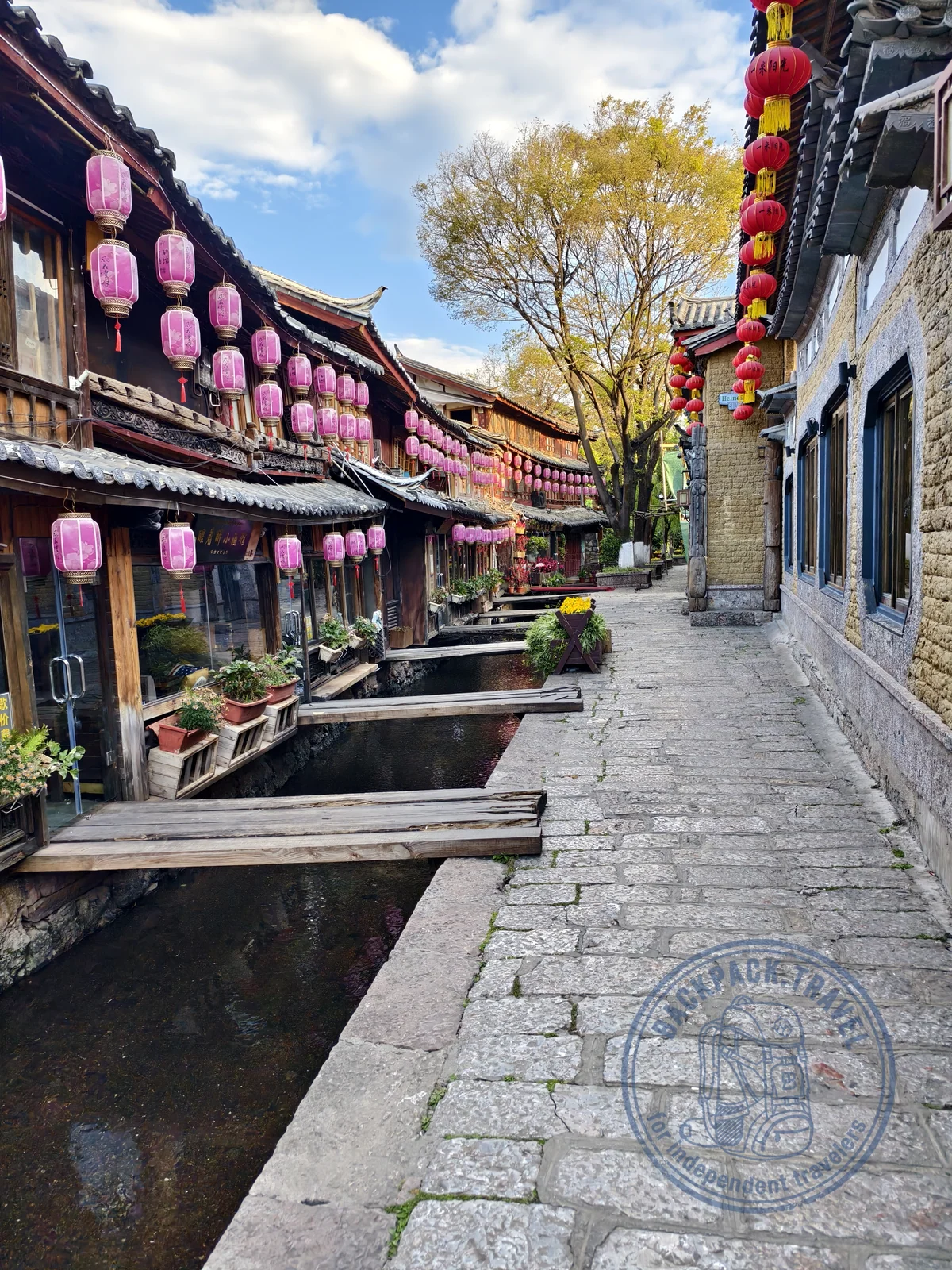
Kunming is the start of almost any Yunnan route. The high-speed line runs north-west to Dali (about two hours) and on to Lijiang (around three), and from there a bus goes to Shangri-La. To the south the train carries you into Xishuangbanna with its tropics and its Tai culture, and the same line continues into Laos: since December 2021 trains have run from Kunming to Vientiane. A detour of its own to the south-east is earned by the Hani rice terraces at Yuanyang.
When to go
March and April, then September to November, are the steadiest stretches of the year. The monsoon runs from June to August, with rain that tends to come in short evening bursts, though the mountains can be shut in completely; these are also the months when wild mushrooms appear in the markets, and people travel to Yunnan specially for them. Winter is dry and sunny, around fifteen degrees by day and close to freezing at night, but the houses have no heating.
Who won't enjoy it
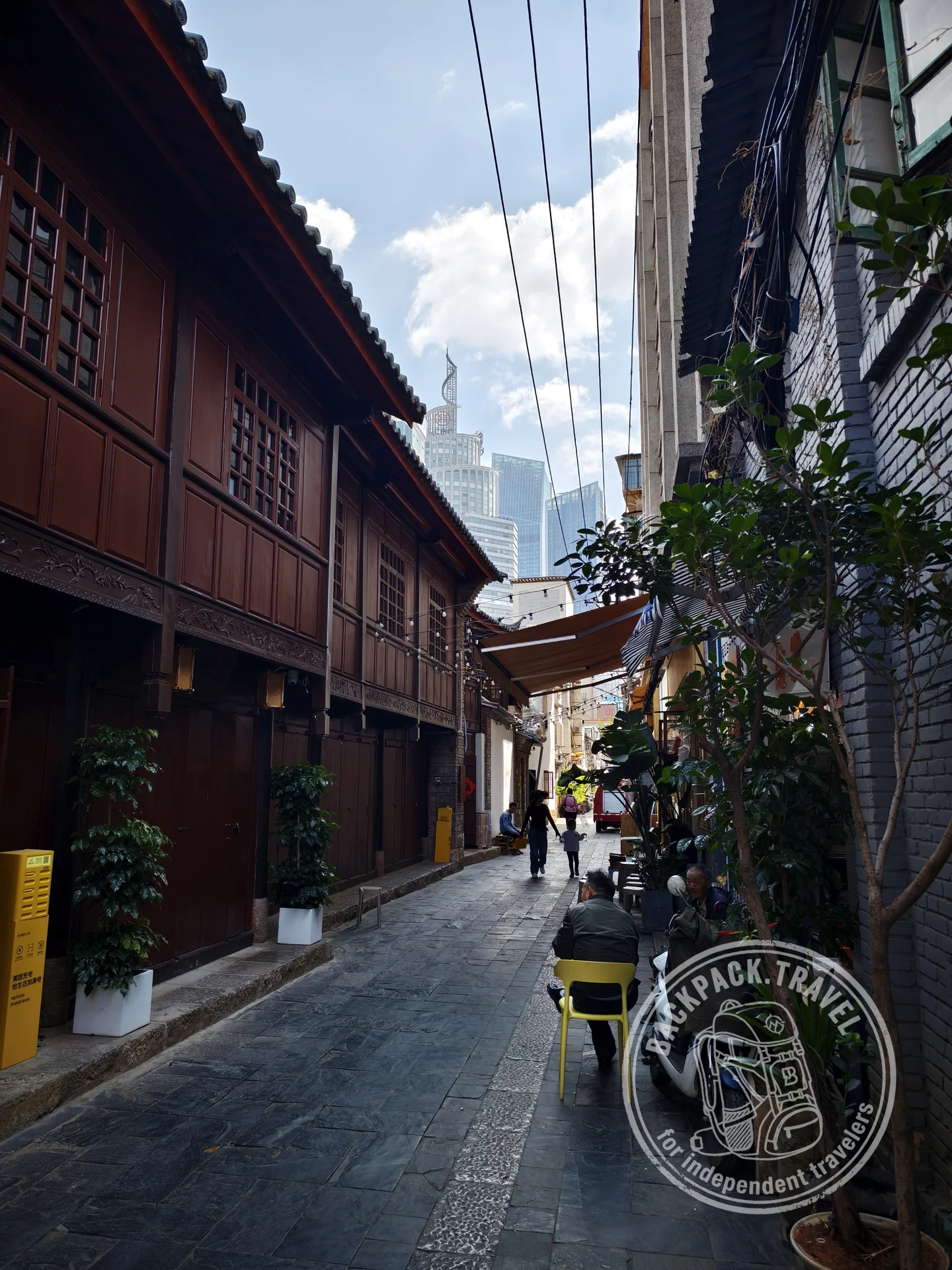
Kunming is an ordinary modern city of millions; the old town was demolished almost entirely in the 1990s and 2000s, and the temples that survived stand as islands among the tower blocks. Dianchi took in sewage for decades, the water blooms with algae and there is nowhere to swim, so the lake disappoints far more from close up than it does from the mountain. The Stone Forest is beautiful, but it is a dense tourist conveyor belt of asphalted paths, railings and loudspeakers, with queues in the narrow passages during holiday weeks. Anyone counting on an atmospheric old China will find nothing here, since for that people travel further on, to Dali, Lijiang and the villages.