 No One
Description
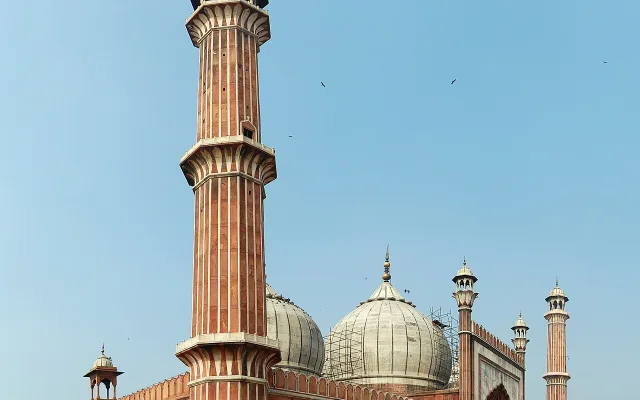
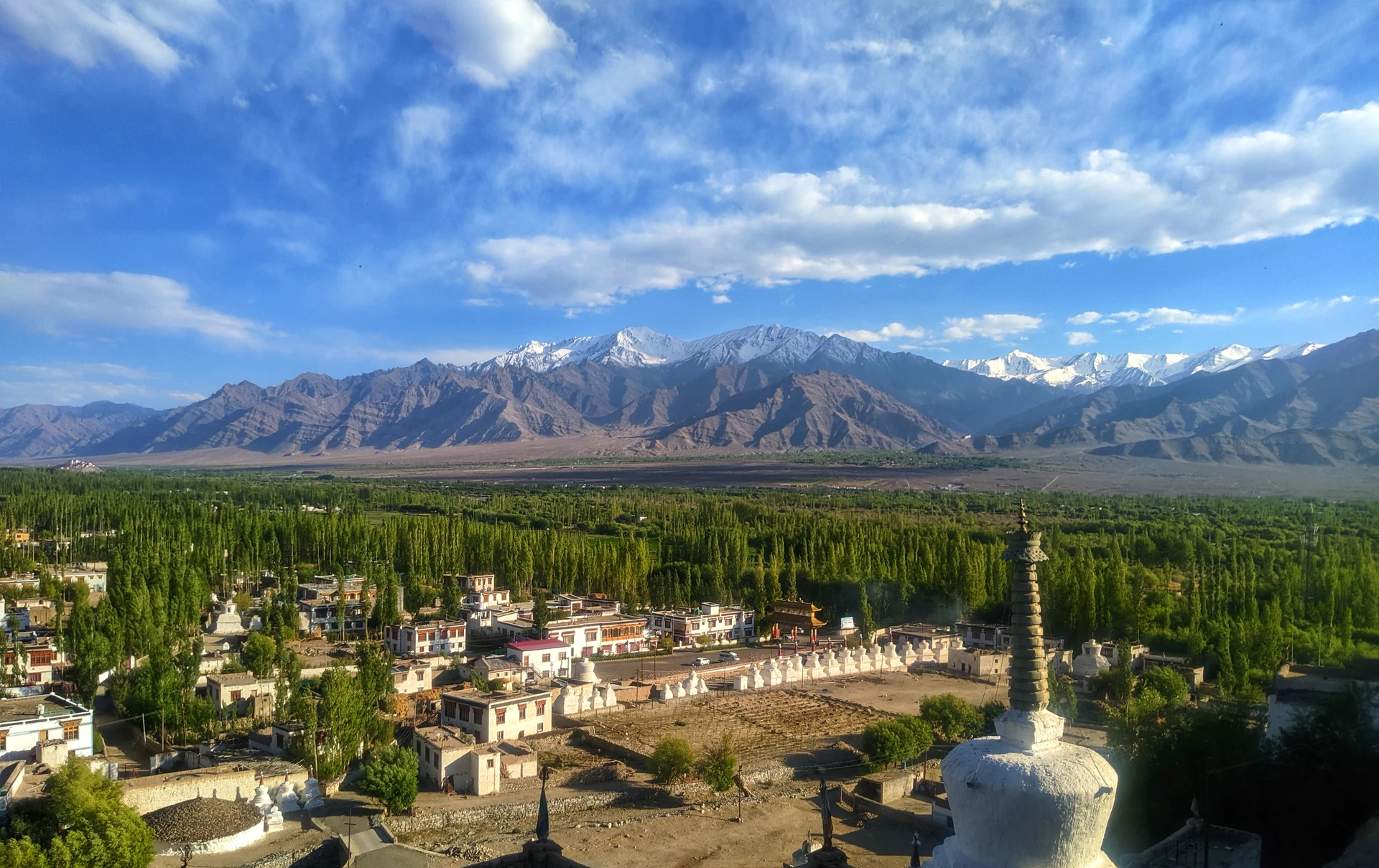
Leh is the principal town of Ladakh, a high-altitude region in northern India. It grew along trade routes connecting Kashmir, Central Asia, and Tibet; today visitors come for the old town, Buddhist monasteries, and journeys through the mountain valleys. The Main Bazaar and the narrow lanes of the historic centre are best explored on foot. Above them stands the seventeenth-century Leh Palace, while the white-domed Shanti Stupa on Chanspa Hill looks across the town toward the surrounding ranges. Within Leh are the palace and Namgyal Tsemo Monastery, Jama Masjid, and several Buddhist shrines. The monasteries of Shey, Thiksey, and Spituk lie outside the town; each is a separate stop in the Indus Valley and deserves time of its own. Leh makes a practical base for exploring Ladakh, but popular trips to lakes and mountain passes reach even higher elevations and require separate preparation. The town sits at roughly 3,500 metres. The Leh district administration advises visitors to spend the first 48 hours after arrival acclimatising before travelling to higher areas such as Pangong Tso or high passes. Keep the first days light, stay hydrated, and discuss medical precautions before the trip. Weather and mountain road conditions change, so check route access, permit requirements, and transport schedules through current official notices.
Updated