Description
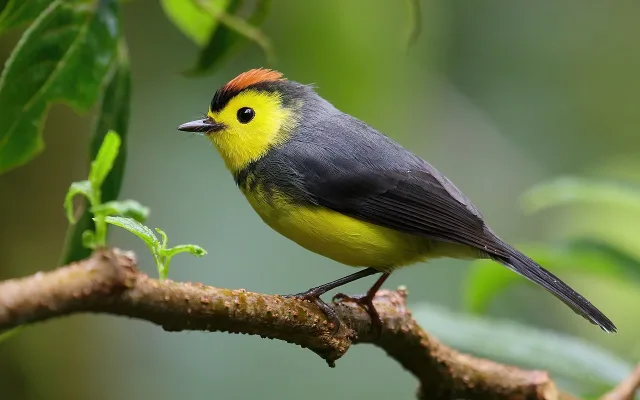
Cloud forest with suspension bridges and ziplines at 1,400 m — exceptional biodiversity and resplendent quetzal.
Wiki
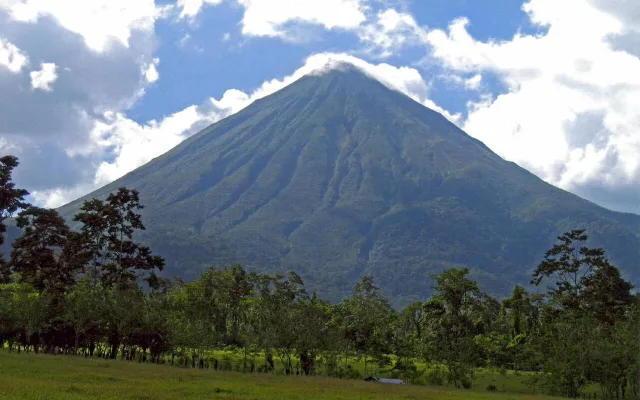
Monteverde is a mountain district in northwestern Costa Rica, home to one of the most accessible cloud forests on the planet. At around 1,400 metres, where humid air from both ocean slopes constantly wraps the mountains in mist, a unique ecosystem has developed that has become a symbol of ecotourism in the country.
Geography and climate
Monteverde sits on the Cordillera de Tilarán, along the continental divide that separates the Pacific and Caribbean slopes. This position creates the cloud-forest phenomenon: warm, moist air rises up the slopes, cools and condenses, enveloping the tree canopy in an almost permanent veil of cloud. Moisture here is deposited not only by rain but directly from fog onto leaves, mosses and epiphytes.
The climate is cool and damp year-round: daytime temperatures are typically 18–22 °C, with noticeably cooler nights. The dry season (roughly December to April) is considered the best time to visit, though fog and drizzle are possible even then. From May to November rainfall increases, but the vegetation is particularly lush. Warm, waterproof clothing is worth packing in any season.
History
The area gained prominence through a Quaker community — settlers from the United States who established themselves here in the early 1950s. They took up dairy farming and cheesemaking, and together with scientists came to recognise the value of the surrounding forest. A commitment to protecting water sources and unspoiled nature led to the creation of protected areas. In this way, a modest farming settlement grew into one of Latin America's centres of conservation science and nature tourism.
Nature and biodiversity
Monteverde's cloud forest is remarkable for its concentration of life. Hundreds of species of orchids grow here, along with ferns, bromeliads and other epiphytes that crowd every trunk and branch. The fauna is equally rich:
- Resplendent quetzal — a legendary bird with emerald plumage and long tail feathers, sacred to the ancient peoples of Mesoamerica. Monteverde is one of the best places in the world to see one, especially during nesting season.
- Hummingbirds — dozens of species, easily observed at feeders near the reserves.
- Toucans, motmots and a wealth of songbirds; several hundred bird species in all have been recorded in the area.
- Monkeys, sloths, coatis, and rare amphibians and reptiles.
The core of the protected land comprises the Monteverde Biological Reserve and the Santa Elena Reserve, as well as the extensive Children's Eternal Rainforest (Bosque Eterno de los Niños), created with the involvement of schoolchildren from around the world.
Things to do
The main activity is hiking the reserve trails, either with a guide or independently. Experienced naturalists help spot what a first-time visitor would walk straight past: a camouflaged bird, a frog, a rare plant.
The emblem of Monteverde is its suspension bridges, strung at canopy level. From them the forest opens up from above — you can see the layers of vegetation, epiphytes and birds that are impossible to spot from the ground. Equally popular are ziplines — cable runs over canyons and the forest canopy that helped make this area one of the birthplaces of canopy tours in Central America.
Other options:
- Night walks, when an entirely different cast of wildlife comes out — insects, amphibians, nocturnal mammals.
- Serpentariums, butterfly gardens, frog and hummingbird exhibits — convenient for families and for getting a close look at local species.
- A visit to the cheese dairy that continues the Quaker tradition, with tastings of local products.
- Coffee and cacao tours on nearby farms, covering cultivation and processing.
Food
Local cuisine is built around traditional Costa Rican staples: rice and beans (gallo pinto at breakfast, casado at lunch), fresh tropical fruit, tortillas, and chicken and beef dishes. The district takes particular pride in its cheeses and dairy products, and in coffee grown on the mountain slopes. Cafés and family restaurants operate in the village of Santa Elena and along the road to the reserves.
Practical information
The administrative centre of the district is the town of Santa Elena, where accommodation, cafés, equipment rental and tour offices are concentrated. Roads to the reserves fan out from here.
- Getting there. Monteverde is connected to the rest of the country by mountain roads; part of the journey is traditionally on unpaved track, so the trip takes several hours. A popular combination route from the Arenal volcano side crosses the lake by boat ("jeep–boat–jeep").
- How long to allow. Two days is ideal: one for the reserve and birdwatching, the second for the bridges, zipline and themed excursions.
- What to bring. Warm and waterproof clothing, sturdy shoes for wet trails, binoculars for birdwatching.
- Early start. Birds, including the quetzal, are most active at dawn, so tours are best begun as early as possible.
Monteverde is valued for the way its rare, fragile cloud-forest ecosystem has been carefully preserved while remaining open to thoughtful visitors — without harm to the forest itself.