Description
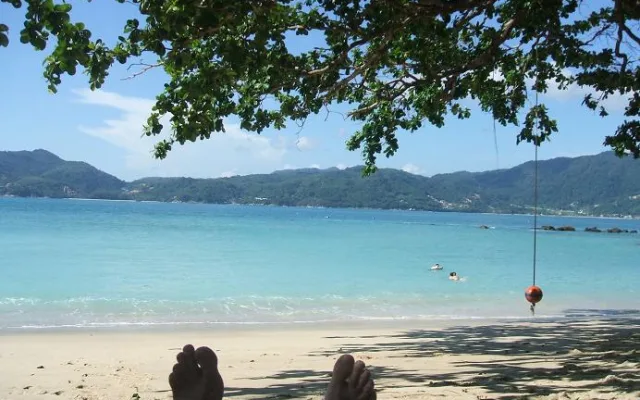
The pearl of the Andaman Sea — the beaches of Patong, the Phi Phi islands and diving.
Wiki
Phuket is the largest island in Thailand and the country's best-known resort province, lying off the west coast of the Malay Peninsula in the warm waters of the Andaman Sea. Its area is about 543 sq km; the island is joined to the mainland by the Sarasin Bridge, so it can be reached both by air and by land.
Geography and general character
The island stretches roughly 50 km from north to south. The eastern coast, facing the mainland, is cut about by mangroves and serves as a harbour for boats and ferries, while the picturesque sandy beaches are concentrated on the western, seaward side open to the Andaman. The interior is covered with hills and remnants of tropical forest, and a chain of bays separated by rocky headlands runs along the coast. The administrative centre, Phuket Town, lies in the south-east.
Beaches
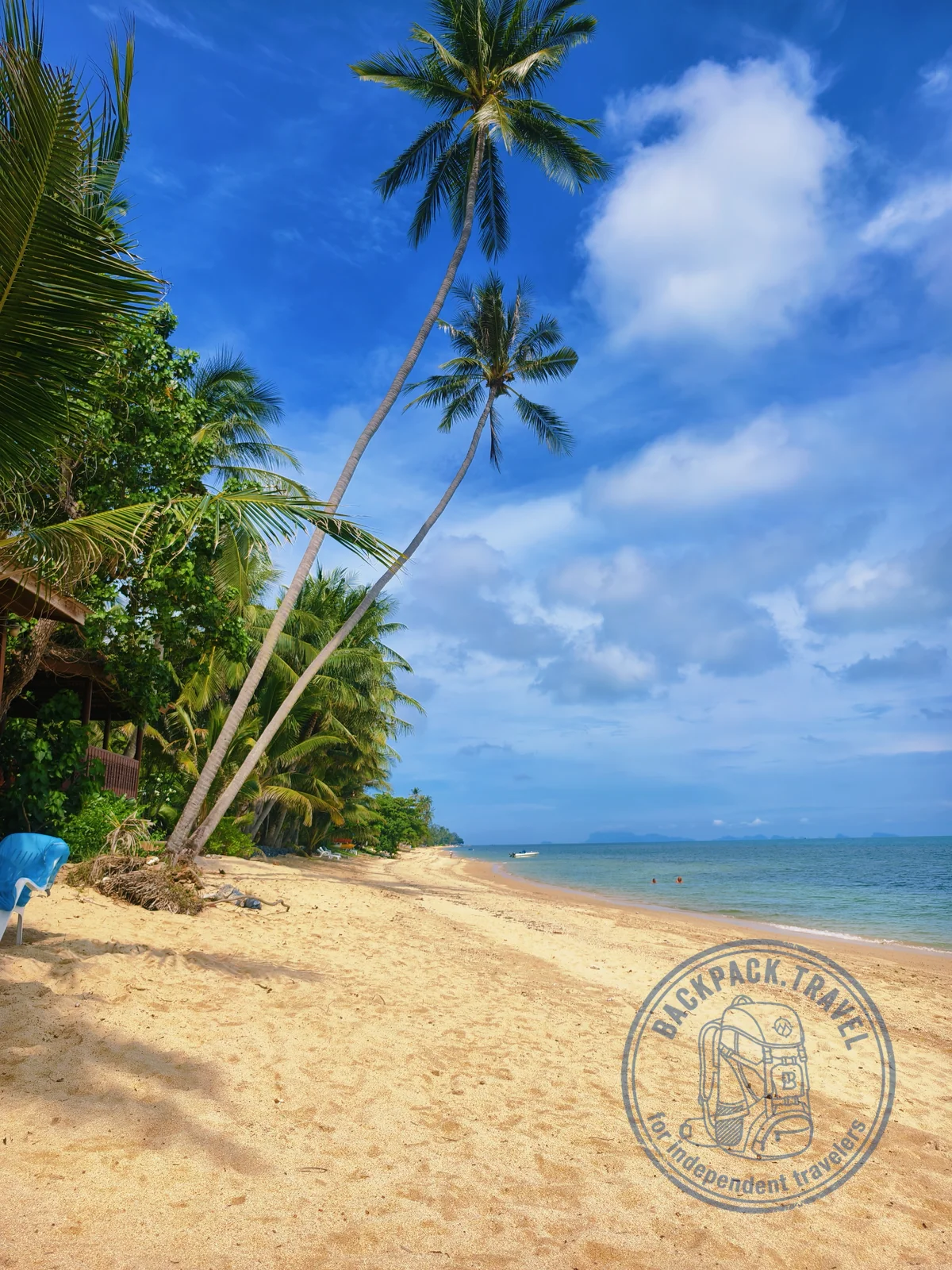
The island's coastline is varied, from noisy tourist centres to almost deserted strips of sand.
- Patong — the heart of resort life: dense hotel building, shopping rows, restaurants and the main entertainment artery, Bangla Road. It is always crowded.
- Karon and Kata — a more measured atmosphere, broad beaches and waves suitable for surfing in season.
- Kamala and Surin — quiet, green bays valued for their calm and their scenery.
- Mai Khao — a long wild beach in the north beside the airport; sea turtles come ashore here to lay their eggs.
- Rawai — a fishing village in the south with jetties and a market where seafood is among the most affordable on the island.
Islands and the underwater world
Phuket is a convenient starting point for the scenic archipelagos of the Andaman Sea.
- Phi Phi — a group of islands about 45 minutes away by speed ferry. The famous Maya Bay, where the film "The Beach" was shot, is framed by sheer cliffs; the water here is turquoise and the reefs are populated by brightly coloured fish.
- The Similan Islands — a marine national park with clear water and granite boulders, recognised as the best diving in Thailand. The park is open to visitors from roughly November to May.
- Phang Nga Bay — a kingdom of limestone stacks, grottoes and caves, among them the famous "James Bond Island" (Khao Phing Kan), which appeared in a film about the legendary agent.
Diving and snorkelling are among the main reasons for the trip: the underwater landscapes, the coral gardens and the abundance of marine life attract divers of every level.
History and culture
Phuket grew rich in the 19th century on tin mining, and that left a marked trace on the look of the old town. Phuket Town preserves quarters in the so-called Sino-Portuguese style — two-storey shophouses with colonnades, stucco and shutters, built by Chinese and European merchants. A considerable part of the population descends from Chinese settlers, so Chinese traditions, temples and festivals are strong here. In autumn the Vegetarian Festival takes place, with vivid and at times shocking rites. Above the southern tip of the island rises the Big Buddha statue in white marble — a prominent landmark and a place of pilgrimage with a panoramic view.
Food
The local cooking blends Thai and Chinese traditions with an abundance of seafood. Markets and coastal places serve fresh fish, prawns, crab and mussels, grilled or in a spicy broth. It is worth trying the classic Thai dishes — tom yum, green curry, pad thai fried noodles — as well as the tropical fruit: mango, durian, mangosteen. Street food is affordable and varied, and Phuket Town keeps old coffee shops and noodle houses full of local character.
Nightlife and entertainment
The centre of evening activity is Bangla Road in Patong, where the bars, nightclubs and various shows are concentrated. Beyond that, the island has theme parks, water parks and animal attractions.
Practicalities
The optimal itinerary takes about five days: enough to combine time on the beaches with boat trips to the neighbouring islands and a look at the old town.
- When to go. The dry season runs from November to April — a calm sea and settled weather. From May to October the south-west monsoon arrives: rain is more frequent and the sea rougher, but prices are noticeably lower.
- Transport. Getting around the island is easiest by taxi, ride-hailing apps, a hired motorbike or a car; distances between beaches can be considerable.
- Budget. An inexpensive lunch costs from about 100 THB ($3) and simple accommodation from 400 THB ($12) a night, which makes the island affordable at a range of budgets. Prices are as of 2026.
The combination of a warm sea, developed infrastructure, rich nature and proximity to the best waters for diving makes Phuket a versatile destination — for a quiet beach holiday as much as for active trips out to sea.