Description
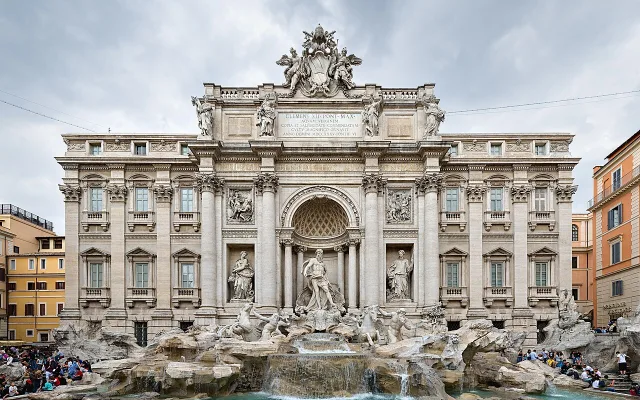
Rome is a city with a vast history, famous for its ancient monuments including the Colosseum, as well as the Vatican, the Trevi Fountain and dishes of the local kitchen such as carbonara.
Wiki
Rome is the capital of Italy and of the Lazio region, spread along the banks of the Tiber. The city is often called Eternal: over almost three thousand years one era has followed another here without a break, leaving archaeological, architectural and artistic layers that today sit side by side on a single street.
History and general character
According to legend, Rome was founded in 753 BC by the brothers Romulus and Remus, suckled by a she-wolf. From a small settlement on the Palatine hill grew the centre of a vast empire stretching from Britain to the Middle East. After the fall of the Western Roman Empire the city became the heart of the Catholic world, and in the Renaissance and baroque periods it turned into a magnificent stage for papal patrons, architects and sculptors. The classic "seven hills" — the Palatine, the Capitoline, the Aventine, the Caelian, the Esquiline, the Viminal and the Quirinal — still define the relief of the historic centre.
Main sights
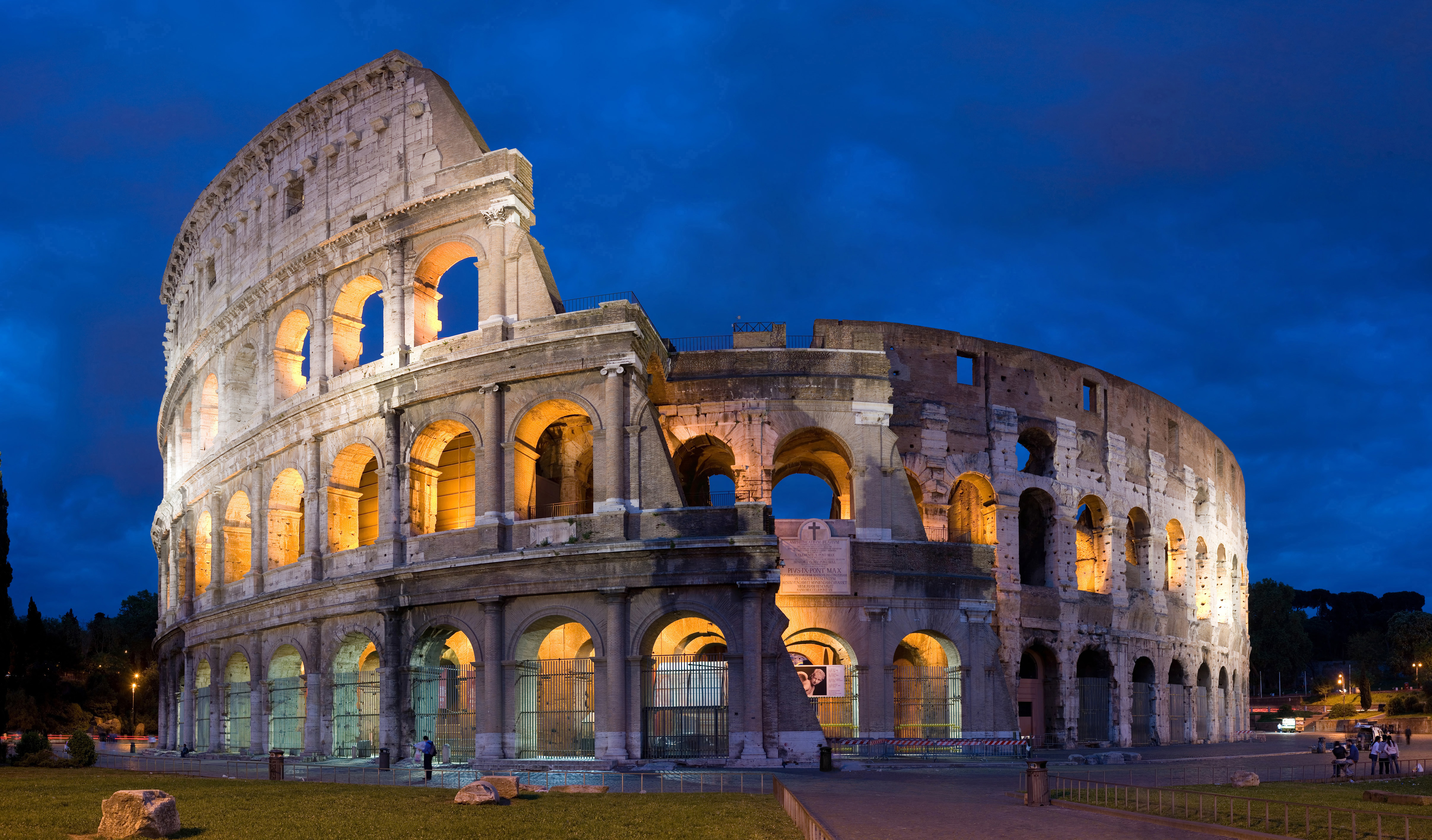
- The Colosseum — the 1st-century Flavian amphitheatre, symbol of ancient grandeur and the setting for gladiatorial combat. A single ticket usually includes the Roman Forum and the Palatine hill.
- The Roman Forum and the Palatine — the ruins of the political, religious and commercial centre of the ancient city: triumphal arches, basilicas, temples and the remains of imperial palaces.
- The Vatican — the smallest sovereign state in the world. St Peter's Basilica astonishes with Michelangelo's dome and his "Pietà", while the Vatican Museums lead to the Sistine Chapel with its ceiling frescoes and the "Last Judgement".
- The Pantheon — an ancient temple to all the gods with the largest unreinforced concrete dome ever built and an oculus open to the sky at its centre; Raphael and the kings of Italy are buried here.
- The Trevi Fountain — an exuberant 18th-century baroque ensemble with the figure of Oceanus; by tradition a tossed coin promises a return to the city.
- The Spanish Steps and Piazza di Spagna — a popular meeting place leading up to the church of Trinità dei Monti.
- Piazza Navona — a long baroque square with Bernini's Fountain of the Four Rivers.
- Castel Sant'Angelo — the former mausoleum of the emperor Hadrian, later a fortress and papal residence, joined to the Vatican by a covered passage.
Districts and atmosphere
The historic centre is compact, and the best way to get to know it is on foot. Trastevere, on the right bank of the Tiber, is famous for its cobbled lanes, ivy-covered facades and lively evenings in the trattorias. The quarter around Campo de' Fiori becomes a market by day and a busy meeting place by night. Bohemian Monti, beside the Colosseum, combines craft workshops and wine bars. For panoramic views people climb the Janiculum hill or head for the park of the Villa Borghese, home to the gallery of the same name with masterpieces by Bernini and Caravaggio.
Food
Roman cooking is simple and full of character. Its emblem is carbonara, made with eggs, guanciale (cured pork cheek) and pecorino, and no cream. The classics also include cacio e pepe (pasta with pecorino and black pepper), amatriciana and gricia. Popular street snacks are supplì, fried rice balls with mozzarella, and the crisp carciofi alla giudia, artichokes in the Jewish style from the Roman ghetto. Meals end with gelato and an espresso, which locals drink standing at the bar.
Practicalities
- Transport. The metro has three lines — A, B and C; lines A and B cross at Termini station, and the network is backed up by buses and trams. A single ticket is valid for a set period from the moment it is validated. From Fiumicino airport (FCO) the Leonardo Express runs into Termini station.
- When to go. Spring (April–May) and autumn (September–October) are the most comfortable. Summer can be hot and crowded; winter is mild and rainy.
- Tips. It is worth arriving at the main sites for opening time, and booking tickets for the Colosseum and the Vatican Museums well ahead. Churches, St Peter's included, require covered shoulders and knees. Free drinking fountains, the "nasoni", are scattered across the city — handy for refilling a bottle in the heat.
How long to allow
Five days are enough to see the ancient centre, the Vatican, the baroque squares and the fountains without rushing, set aside a day for museums and still leave time for walks through Trastevere and long lunches. That pace lets you understand why Rome is considered a city no single trip can exhaust.
Photos