Description
An island city on the UNESCO list — colonial buildings, a jazz festival and the birds of the Djoudj reserve.
Wiki
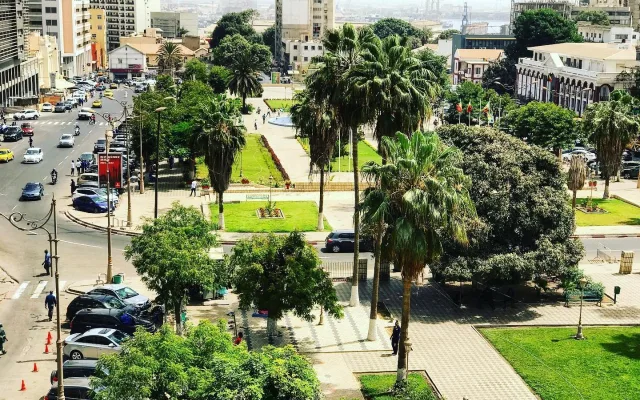
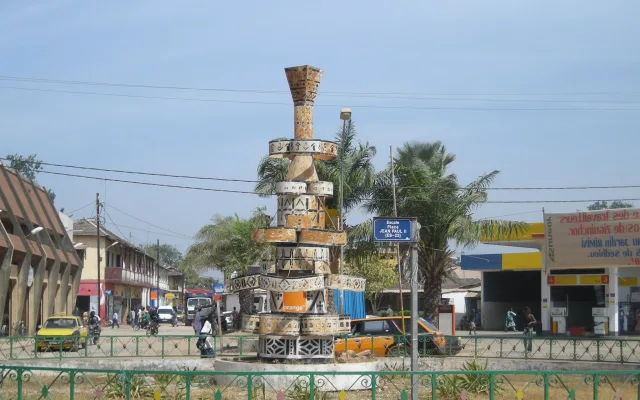
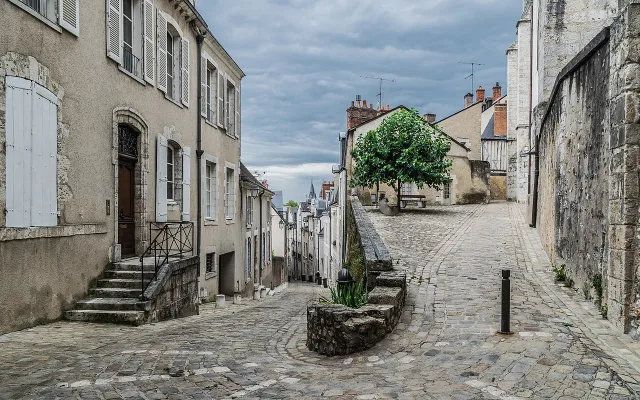
Saint-Louis is a French colonial capital frozen in place on a sandy island at the mouth of the Senegal River, where instead of the bustle of Dakar you find peeling balconies with wrought-iron railings, horse-drawn carts and the clamour of fishing. The place is compact and highly photogenic, but it is worth coming for specific things rather than for "atmosphere" in general — so here is what those things are.
Why come, and what is actually worth seeing
The city's chief asset is the island of Saint-Louis itself, a UNESCO site. It is tiny and elongated, and can be walked end to end in a couple of hours. The point is not individual monuments but the walk: 18th- and 19th-century colonial houses with inner courtyards, faded facades, galleries under arcades. Plan an unhurried circuit with a camera — that is the main programme.
- The Faidherbe Bridge — a metal bridge of 1897 linking the island to the mainland. You enter the city across it; walk it on foot for the view over the delta and the fishing shore.
- The Guet Ndar quarter on the Langue de Barbarie peninsula — a dense fishing village with hundreds of painted pirogues. It is lively, noisy and poor: come for real life rather than for postcards. Behave respectfully and ask permission before photographing people.
- Langue de Barbarie — a narrow sand spit some 30 km long between the ocean and the river, with a national park of the same name at its southern end. A good half-day target: beaches, birds and a boat trip.
The Djoudj reserve — plan ahead
Djoudj National Bird Park is one of the largest ornithological reserves in the world, a wintering ground for millions of migratory birds — pelicans, flamingos, herons. It lies about 60 km to the north, near the Mauritanian border.
- The bird season runs roughly from November to April, peaking in the heart of the dry season. At other times there is little to see.
- Getting there independently is hard: the roads are poor and there is effectively no public transport. It is more practical to take a tour or hire a car with a driver from Saint-Louis for half a day or a day. Inside the park you take a boat — the birds are watched from the water.
- Set off early: the birds are more active and the heat has not yet set in.
The jazz festival
The Saint-Louis Jazz Festival takes place in May and is the event of the year, the oldest jazz festival in West Africa. If you are coming for it, book accommodation far in advance: the small city fills up and room prices jump. Alongside the ticketed concerts there is a great deal of free music in the streets. If jazz is not your reason for coming, bear in mind that the city is expensive and crowded during those days.
Getting there and getting around
- From Dakar: the standard option is a shared sept-place taxi from the bus station, about three to four hours. Cheap, but it leaves when full and the ride is cramped. There are also more comfortable minibuses and transfers.
- Saint-Louis airport (XLS) is small and has few scheduled flights — most people arrive via Dakar (DSS) and continue overland.
- Locally: the island and the historic centre are walkable. Taxis and the characteristic horse-drawn carts (calèches) run between the island, the mainland and the spit; the carts also take visitors around the island.
Where to stay, and how long
Stay on the island itself — you are then inside the whole historic quarter and within walking distance of the restaurants. There are plenty of guest houses in old buildings with courtyards. The mainland is cheaper but less convenient and less atmospheric.
Two days is enough: one for the island, the fishing quarter and the spit, another for the trip to Djoudj. If you have hit the festival, add a day.
Food, prices, money
The cooking is Senegalese and filling: thiéboudienne (rice with fish, the national dish), yassa (chicken or fish in an onion and lemon sauce), mafé (a peanut stew), and to drink, bissap (hibiscus) and baobab juice. Eat in the maquis, the simple eating houses — cheap, and better than the tourist places. A restaurant on the island costs noticeably more.
- The city feels inexpensive, though the tourist prices on the island run above the Senegalese average.
- The currency is the CFA franc. Cash rules: few places take cards, and while there are ATMs in town it is better to draw a reserve in Dakar first.
- Haggle over carts, souvenirs and self-appointed guides — the opening price is usually inflated.
When to go, and what to watch for
The best time is the dry season, November to April: comfortable heat and the best bird season at Djoudj. Summer is hot and humid, and some of the birds have left.
- Informal "guides" who attach themselves in the street and at the bridge can be persistent. Refuse politely but firmly if you do not want one.
- The days are hot — carry water and a hat, and plan activity for the morning and the evening.
- Keep valuables close in the fishing quarters and the markets; the city is calm on the whole, but ordinary street awareness does no harm.
- Respect people when taking photographs: ask permission, particularly of individuals and in the poorer districts.