Description
A UNESCO-listed conservation town without a single factory, with more than 30 churches and monasteries. A 12th-century kremlin, honey mead, cucumber fields and wooden architecture make it the most storybook small town in Russia.
Wiki
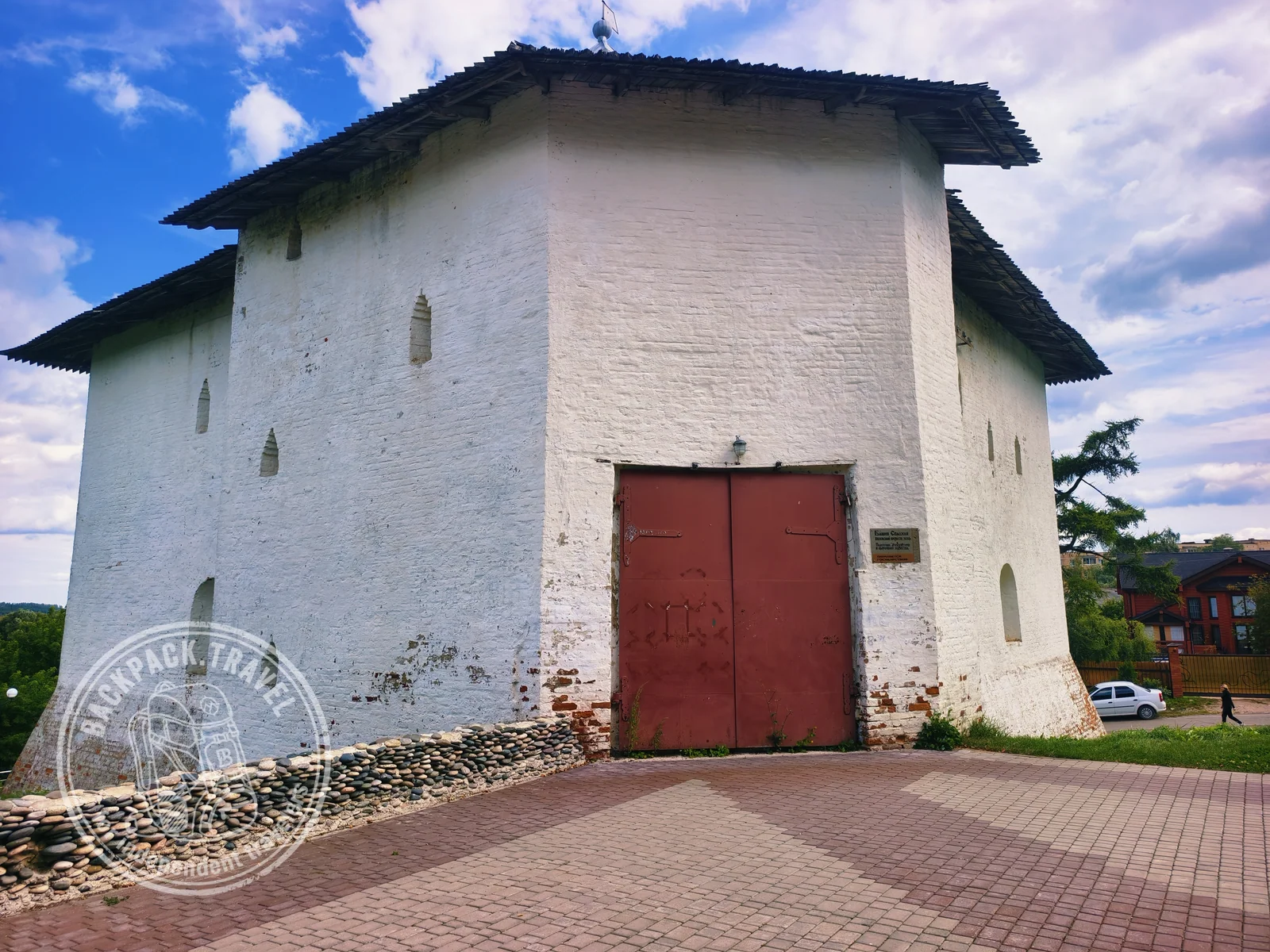
Suzdal, in the Vladimir Region about 220 km north-east of Moscow, is a rare case where "open-air museum" is meant literally: the whole town covers a few square kilometres, built up with churches, monasteries and wooden cottages, and there is no industry here at all. People come not for a particular attraction but for the sheer feeling of an early Russian town that has barely changed.
Why come, and what to see
The point of Suzdal is to walk, not to race down a list. But the landmarks are these:
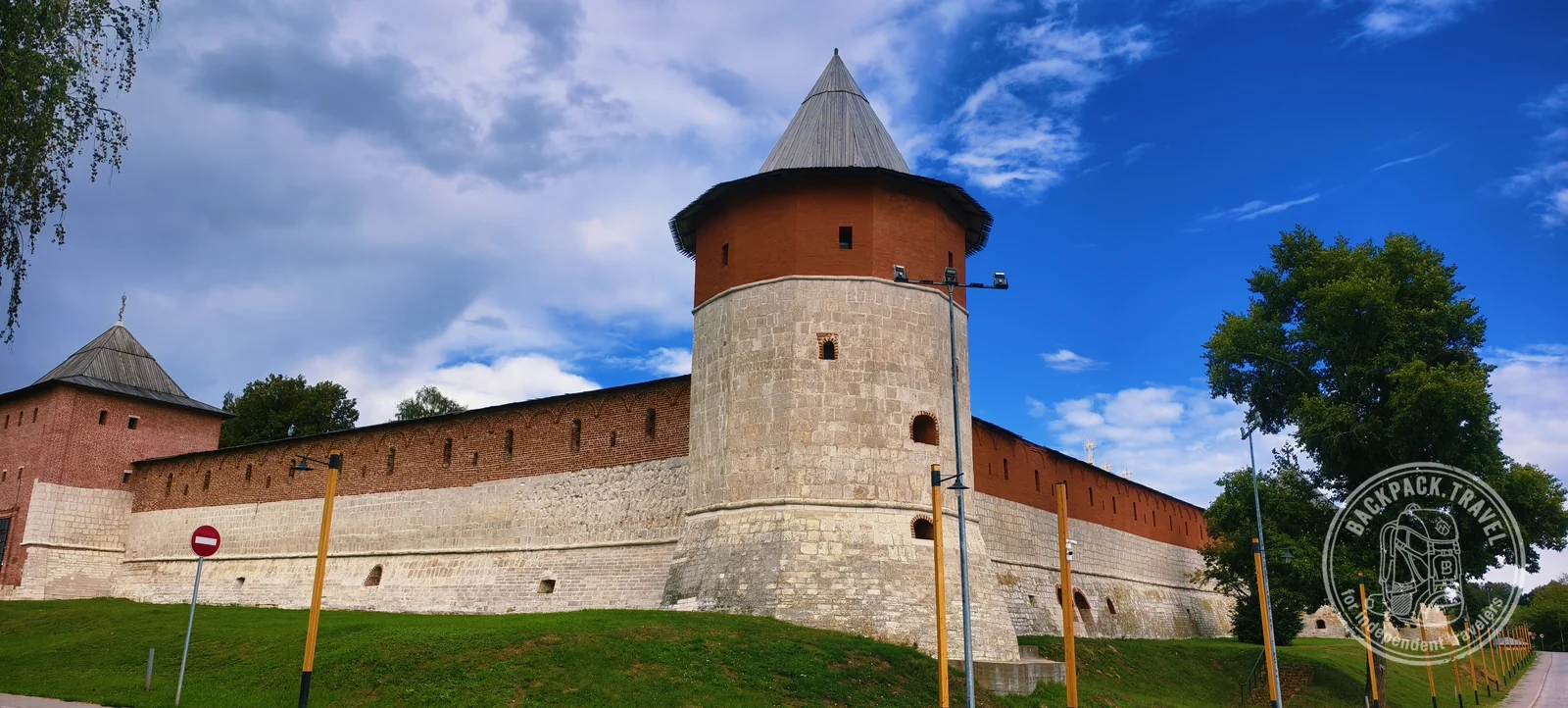
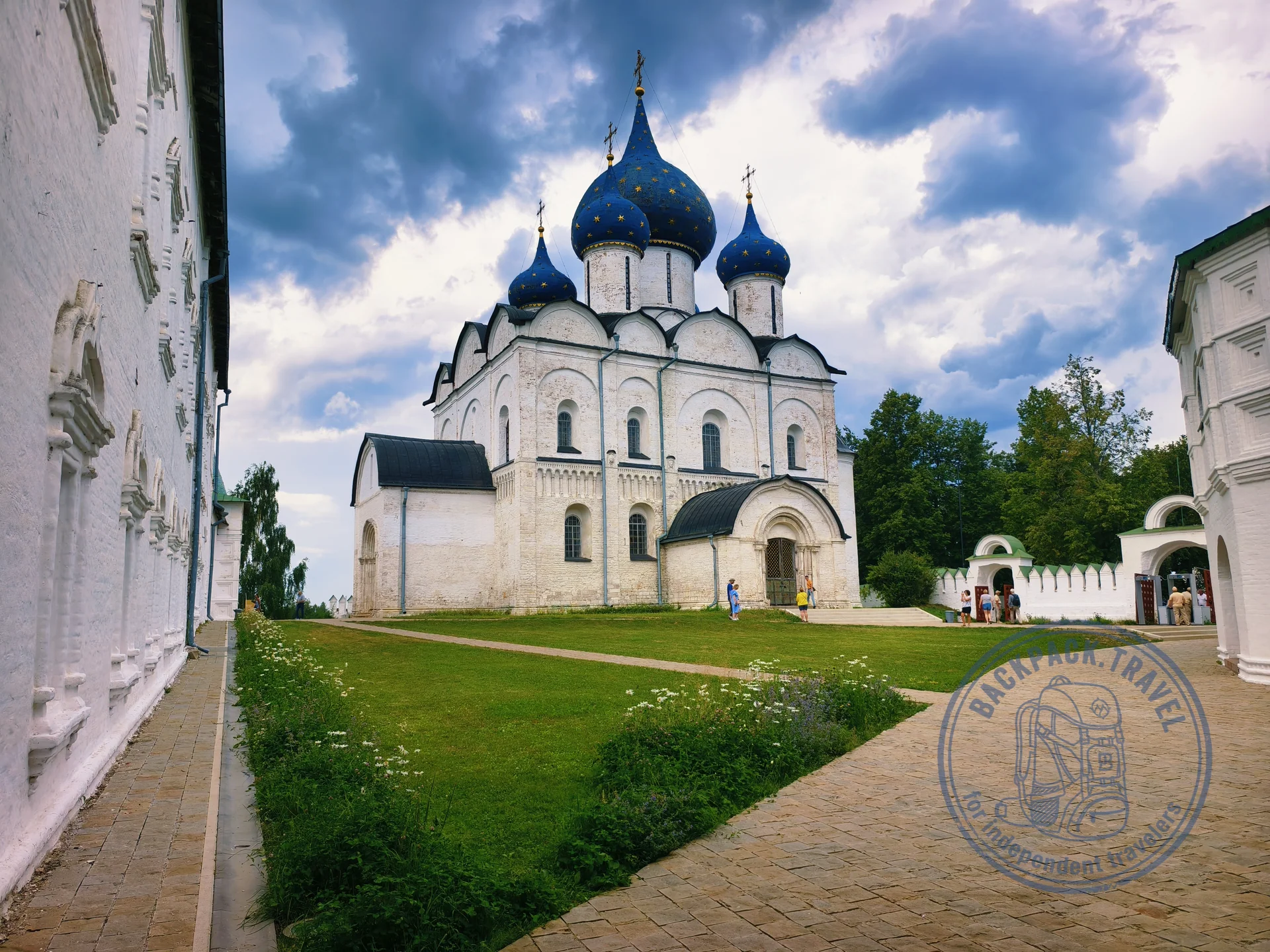
- The Suzdal Kremlin with the Cathedral of the Nativity — the historic core and the oldest part of town. A kremlin is the fortified citadel of an old Russian settlement. Inside are museum displays; outside, postcard views over the Kamenka River.
- The Saviour Monastery of St Euthymius — powerful fortress walls, a belfry with bell recitals, and the best viewpoint over the far bank and the Intercession Convent.
- The Intercession Convent — a quiet house across the river, where unwanted tsarinas were once exiled.
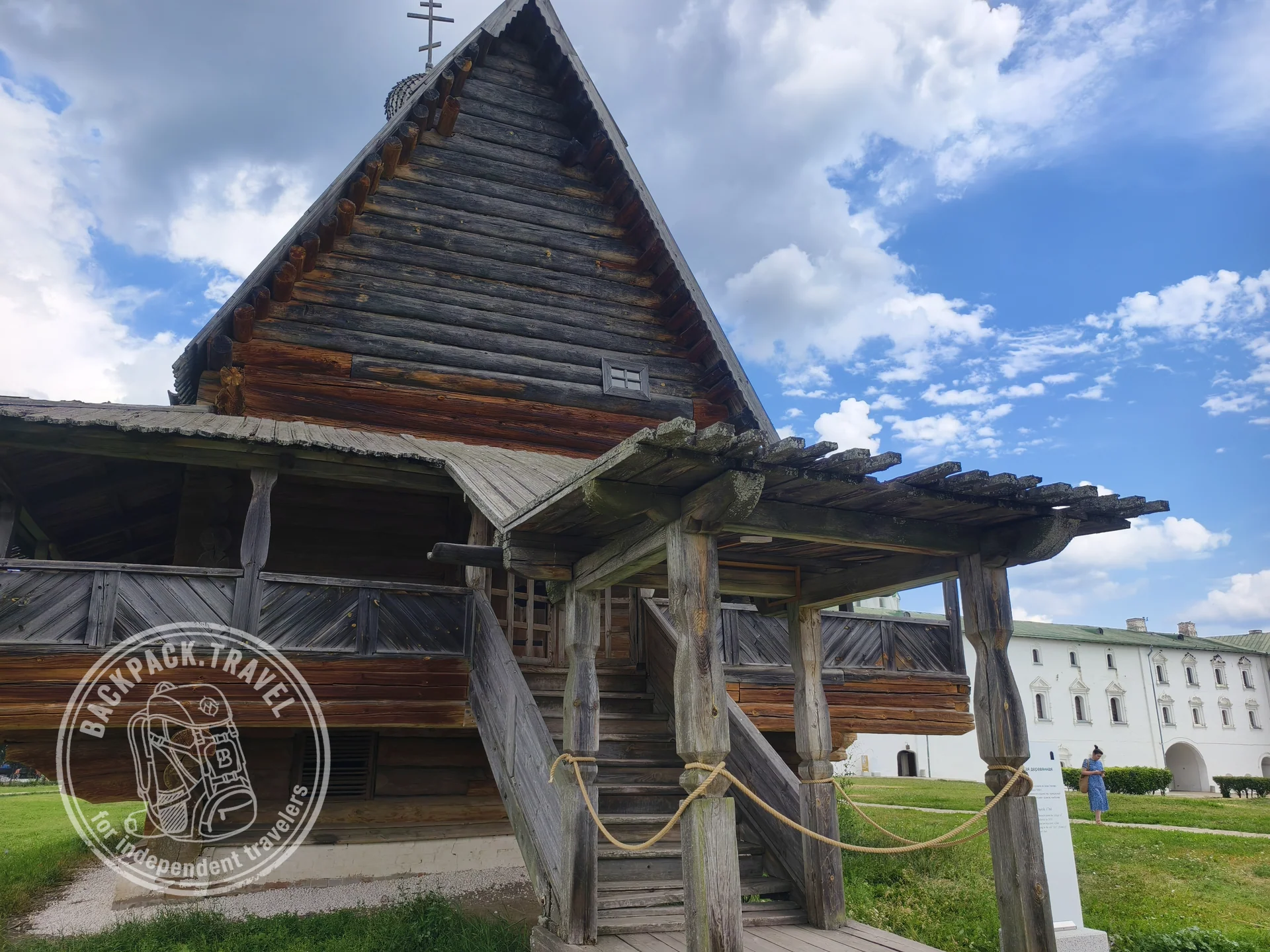
- The Museum of Wooden Architecture — log houses, churches and windmills brought in from across the region. It shows what Russian daily life looked like before concrete.
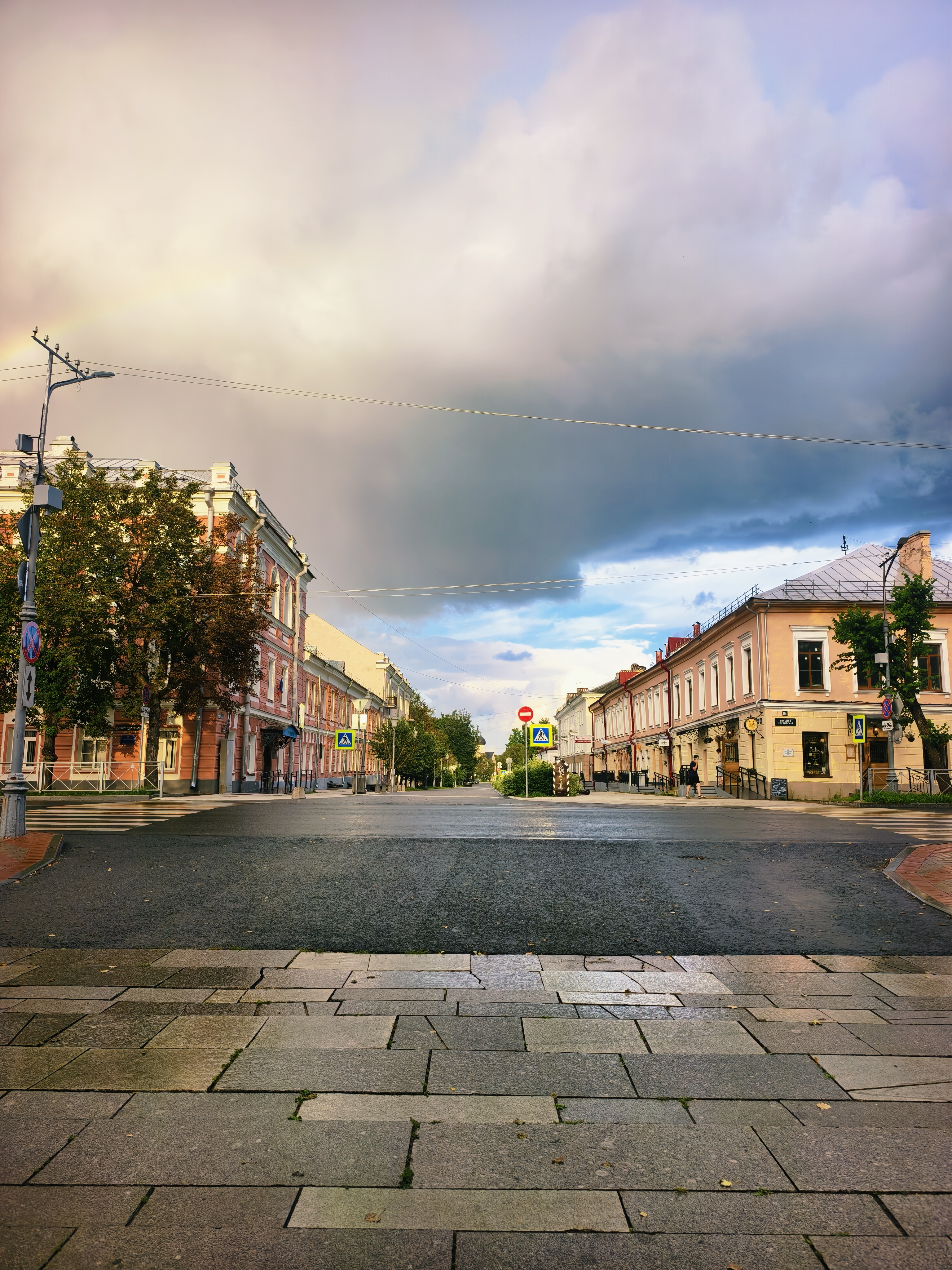
- The trading rows and the main street — souvenirs, honey mead, small shops. This is also where the town feels alive.
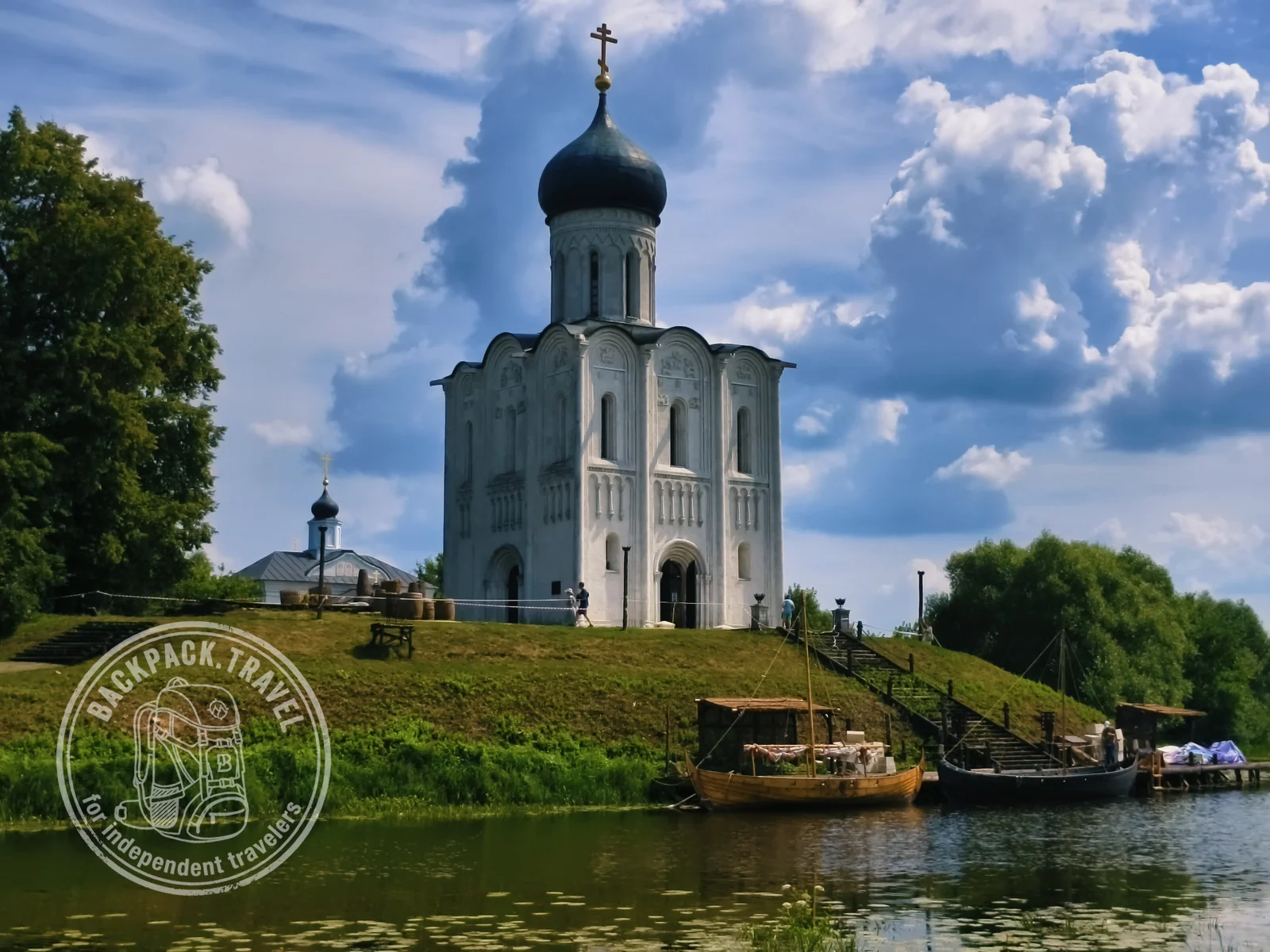
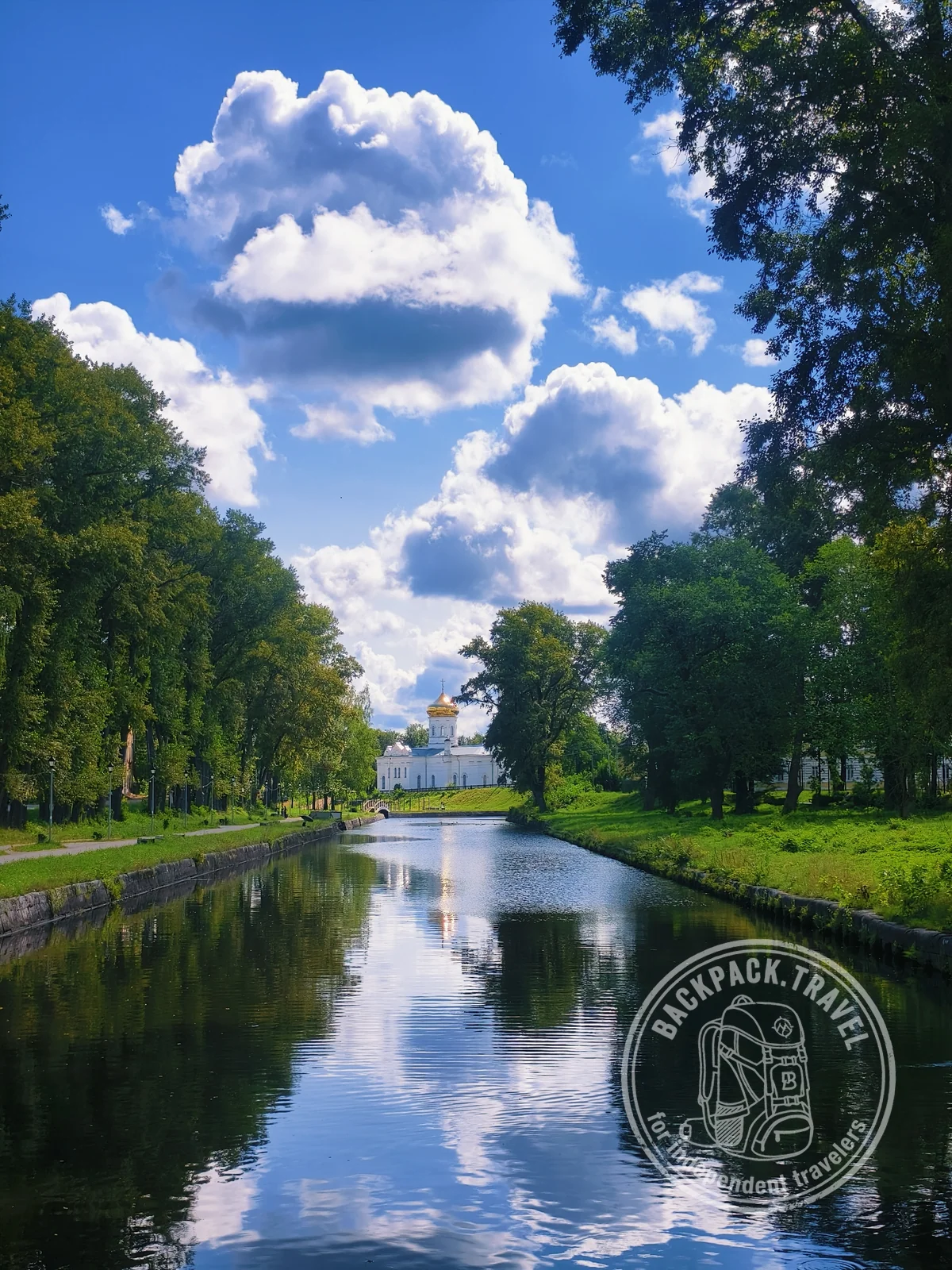
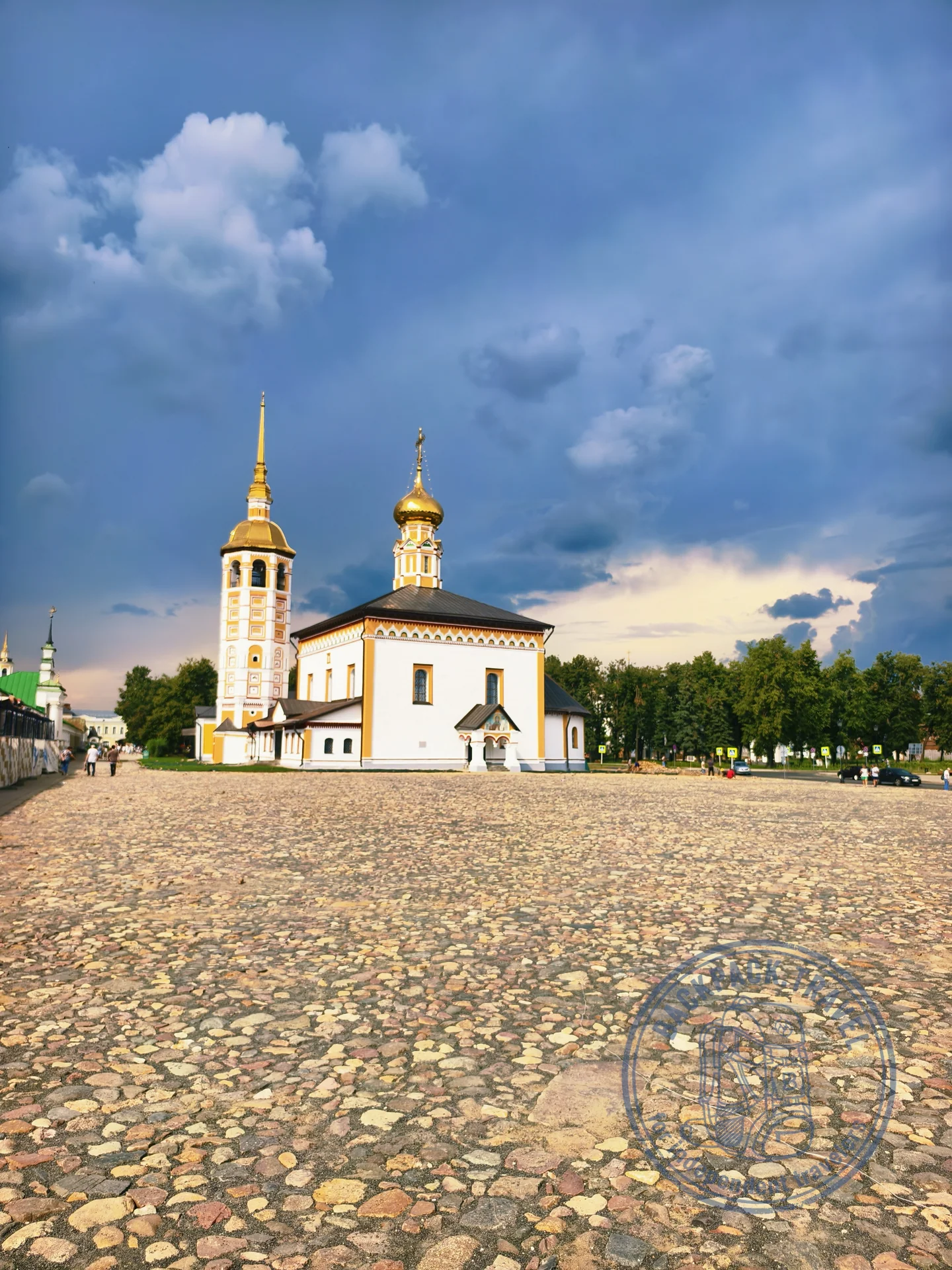
Thirty-odd churches is no exaggeration: there is a church on practically every rise. There is no point going into every one, but the panorama of domes from any high ground is what makes the trip worthwhile.
How many days to allow
The optimum is one overnight stay, a day and a half to two days. In a single daylight day you can realistically cover the kremlin, both main monasteries and the centre, but it is with an overnight stay that Suzdal opens up: in the evening the tour coaches leave and the town becomes genuinely quiet and storybook. A day trip from Vladimir is enough, but it is a gallop.
Getting there
Suzdal has neither an airport nor a railway — and that is the key planning point.
- Via Vladimir. From Moscow to Vladimir there are Lastochka fast regional trains from Kursky and Vostochny stations, taking a couple of hours. From Vladimir to Suzdal is about 35–40 km, with regular buses from the local bus station taking under an hour. This is the most convenient and cheapest option.
- Direct buses from Moscow to Suzdal also exist, but take longer than the train plus a change.
- By car — convenient if you plan other Golden Ring towns as well (the Golden Ring is the classic tourist circuit of medieval towns north-east of Moscow). There is parking near the key sites in Suzdal, but in high season the centre is jammed.
Getting around
No transport is needed: the town is walkable. The distance from the kremlin to the furthest monasteries is a couple of kilometres at most. The one thing to allow for is the terrain, with hills and descents to the river, plus unpaved and cobbled stretches: comfortable shoes matter more here than in any large city. In summer you can hire a bicycle.
Where to stay
Stay in or near the centre — then everything is within walking distance and the evening walks become the main experience. The style of accommodation here is distinctive: many guesthouses, izbas (traditional log cottages) and small hotels in traditional style, often with a Russian banya steam bath. This is a case where it is worth paying extra for authenticity. Budget options and hostels exist but are few — book ahead for weekends and holidays, as demand is high.
When to go
- Winter is visually the most rewarding season: snow, domes, sledges, the feeling of a New Year fairy tale. The peak is the New Year holidays and Maslenitsa (the pre-Lenten pancake week), but that is also when prices and crowds are at their highest.
- Summer — warm, green, cucumber fields and the Cucumber Festival (usually in July) with a fair and festivities.
- The shoulder seasons are cheaper and calmer, but the autumn mud makes the unpaved paths dirty.
Food, honey mead and prices
The gastronomic must-try is medovukha: a low-alcohol honey drink brewed here with various additions (mint, hops, juniper). Tasting sets are sold almost everywhere — take a set so you can try several varieties at once.
For food, this is Russian cooking in its pure form: pickles, cucumbers in every guise, pancakes, grain porridges baked in earthenware pots, game. Prices in the tourist taverns by the kremlin feel above the regional average — you pay extra for atmosphere with a view. Saving is easy: canteens and cafés a couple of blocks away from the centre serve the same food noticeably cheaper.
Common mistakes
- Coming for one day at a gallop. The essence of Suzdal is unhurriedness; without an overnight stay half the point is lost.
- Planning everything for the New Year holidays without booking accommodation. At the peak there are almost no rooms left and prices soar.
- Ignoring the weather and your footwear. The hills, the river and the unpaved lanes demand proper shoes, especially in autumn and winter.
- Trying to visit all 30-plus churches. A few key ones and the general panoramas are enough; the rest blur together.
- Eating only by the kremlin. A couple of steps to one side saves appreciably.