Tashkent
UzbekistanDescription
Uzbekistan's capital and the country's main gateway: an ornate metro, the Chorsu bazaar and Soviet modernism next to glass towers.
Wiki
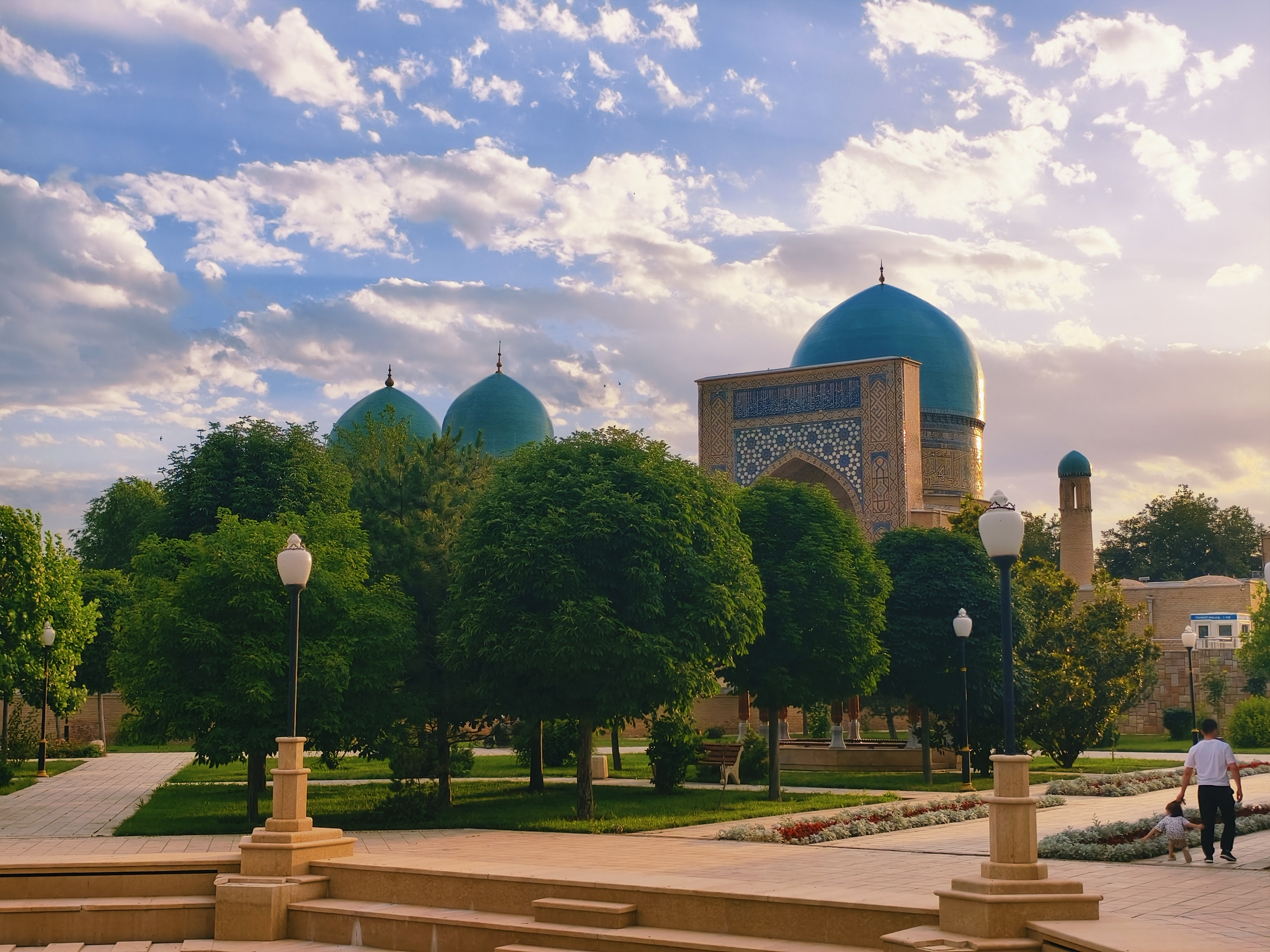
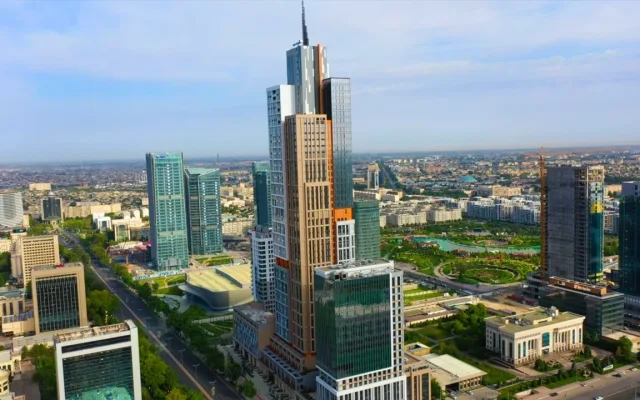
Tashkent is the way into Uzbekistan for almost everyone who flies in: the international routes land here, and the high-speed trains to Samarkand and Bukhara leave from here. The city is not about postcard antiquity but about contrast — Soviet modernism and broad avenues sitting alongside eastern bazaars and the glass towers of the business district.
Why come, and how long to allow
Two days is enough to see the main things without rushing. Tashkent is usually a base rather than a destination: a convenient place to land, acclimatise, run up into the mountains and then take a train onwards. On the classic route (Tashkent – Samarkand – Bukhara – Khiva), allow the capital a day and a half to two: one for the centre and the metro, the second for the bazaar, the museums and an outing to Charvak.
A practical two-day shape:
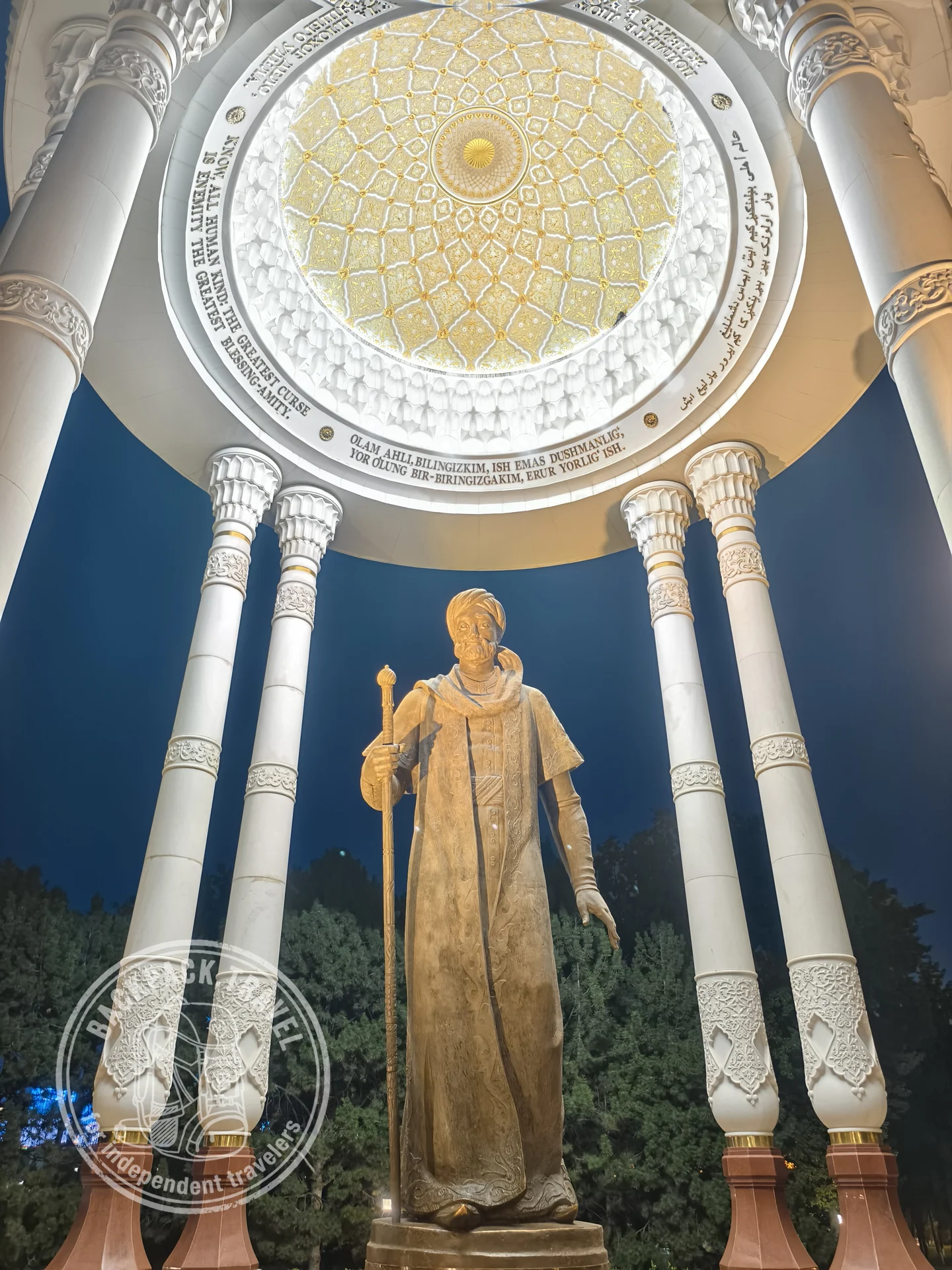
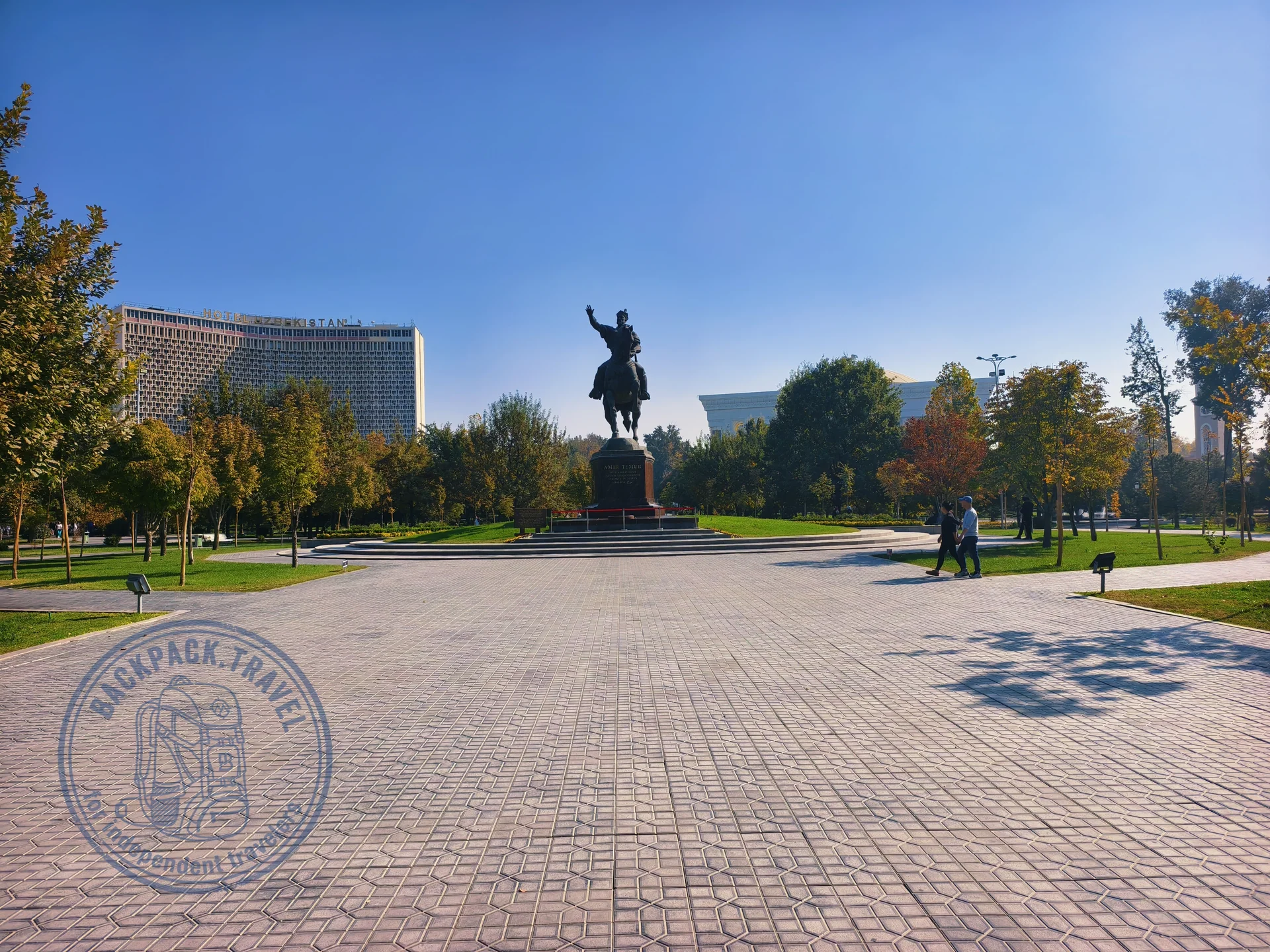
- Day 1 — the centre: Amir Timur Square, the Timurid History Museum, the Museum of Applied Arts, and in the evening a walk along the avenues plus a ride around the handsomest metro stations.
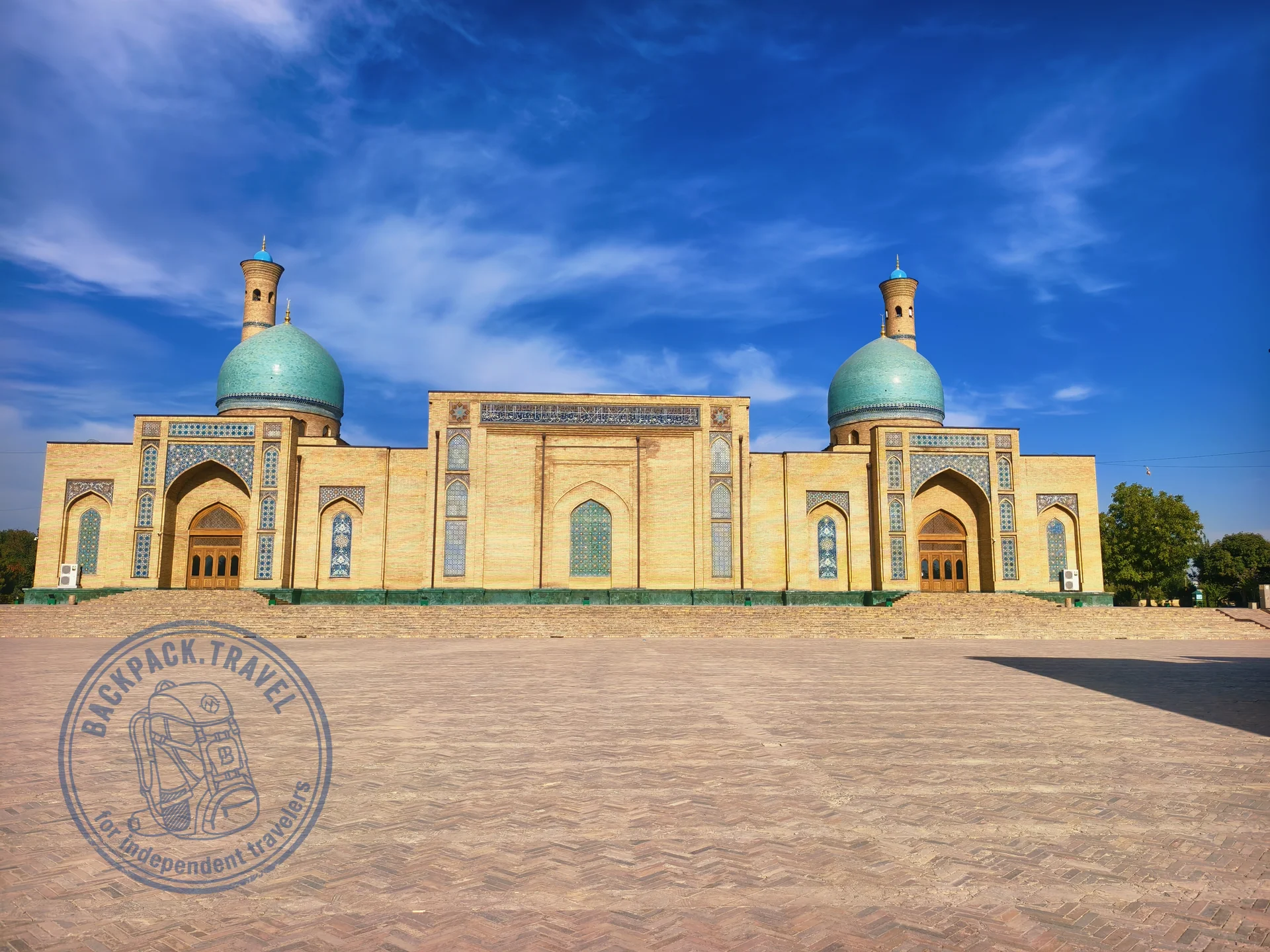
- Day 2 — the old town: Chorsu, Kukeldash, Hazrati Imam, the Minor Mosque. With time to spare, half a day at Chimgan or Charvak.
Getting there and getting around
Tashkent's airport is close to the centre, so the taxi in is quick and cheap. Order the car through an app (Yandex Go works) and you avoid haggling with the drivers at the arrivals door, who traditionally quote foreigners several times the going rate.
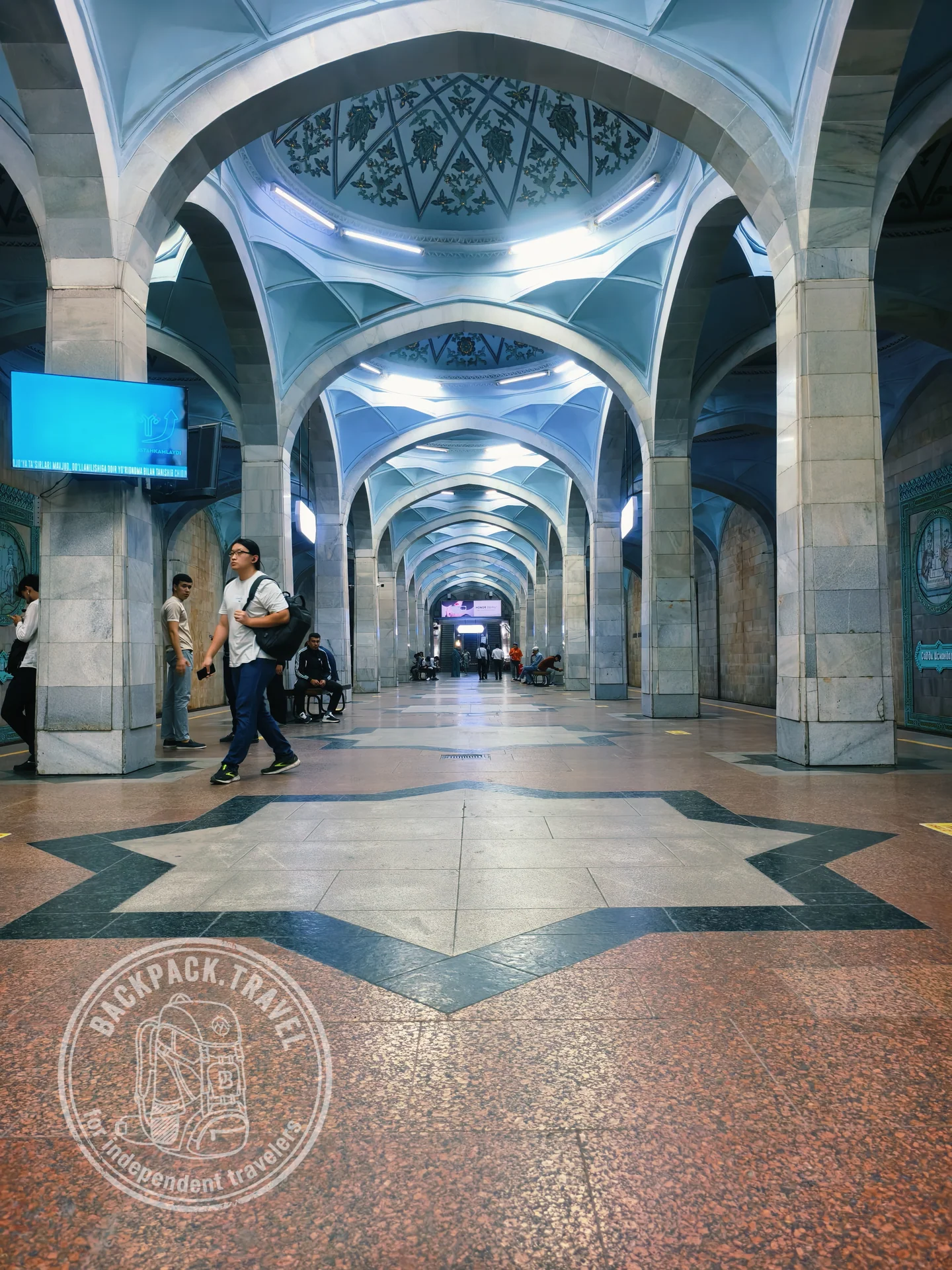
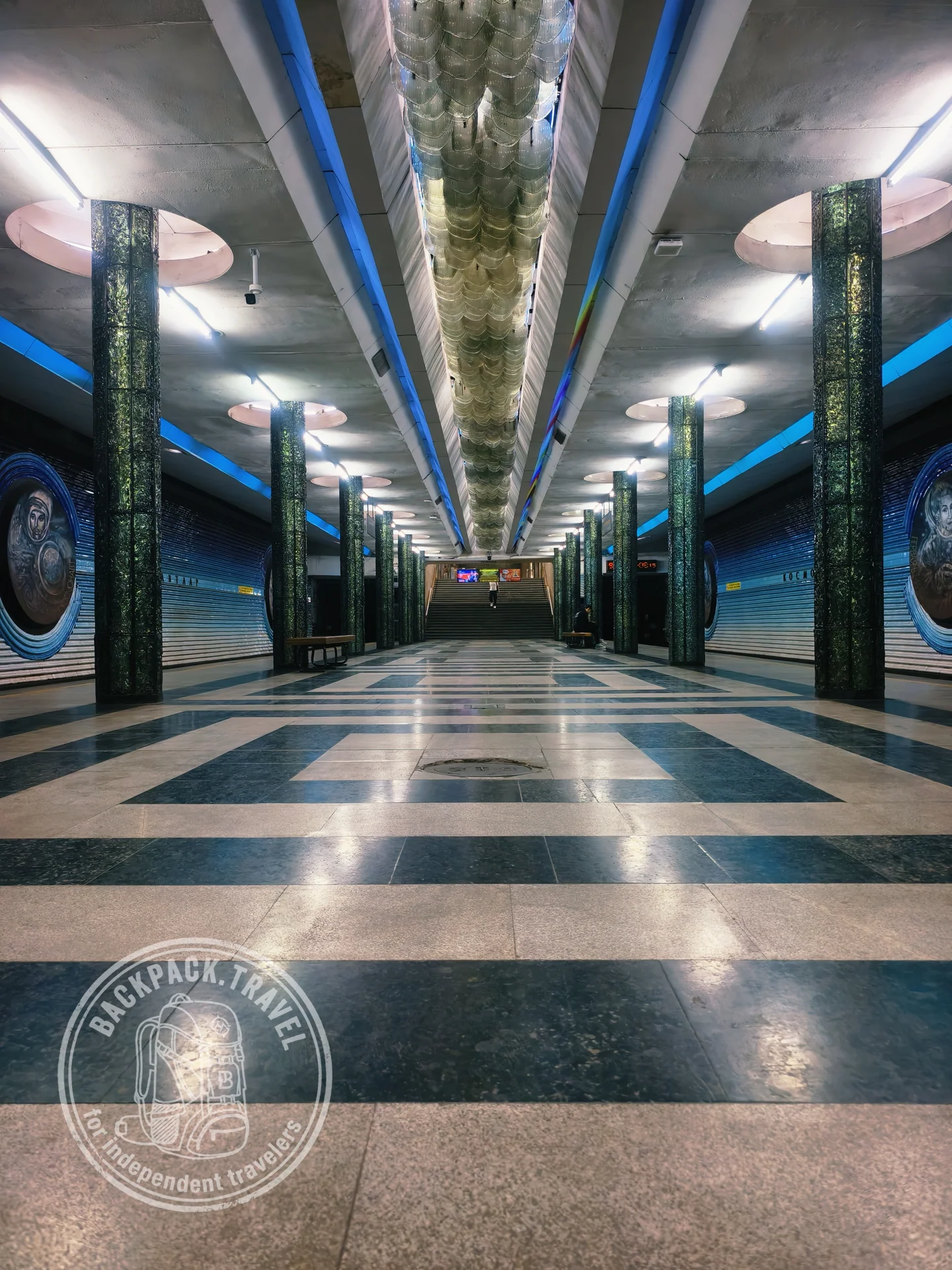
Within the city the main transport is the metro. It is cheap, frequent, and a sight in its own right: photography used to be banned, and now it is allowed. Four lines cover almost every point of interest. There is one flat fare for any journey — around 1,700 sum (about $0.15) with an ATTO transport card, more if you buy a paper QR ticket at the kiosk. The old plastic tokens were withdrawn years ago. Prices are as of 2026.
Tashkent is large and was not built for walking: the blocks are long and the summers are hot. Combining the metro with cheap app taxis is the best answer for both time and money.
Where to stay
- The centre, around Amir Timur Square and Amir Timur Avenue — the most convenient: metro, museums, cafés and banks all close by. The best choice for a short visit.
- The Chorsu / old town area — more atmospheric and closer to the bazaar and the madrasahs, but with thinner infrastructure.
- Near the main railway station — sensible if you have an early train.
Aim for somewhere within walking distance of a metro station; that unlocks the whole city.
What is genuinely worth seeing
- The metro — non-negotiable. Ride through Kosmonavtlar, Alisher Navoi and Mustaqillik Maydoni: 30 to 40 minutes gives you the best impression in the city for the least money.
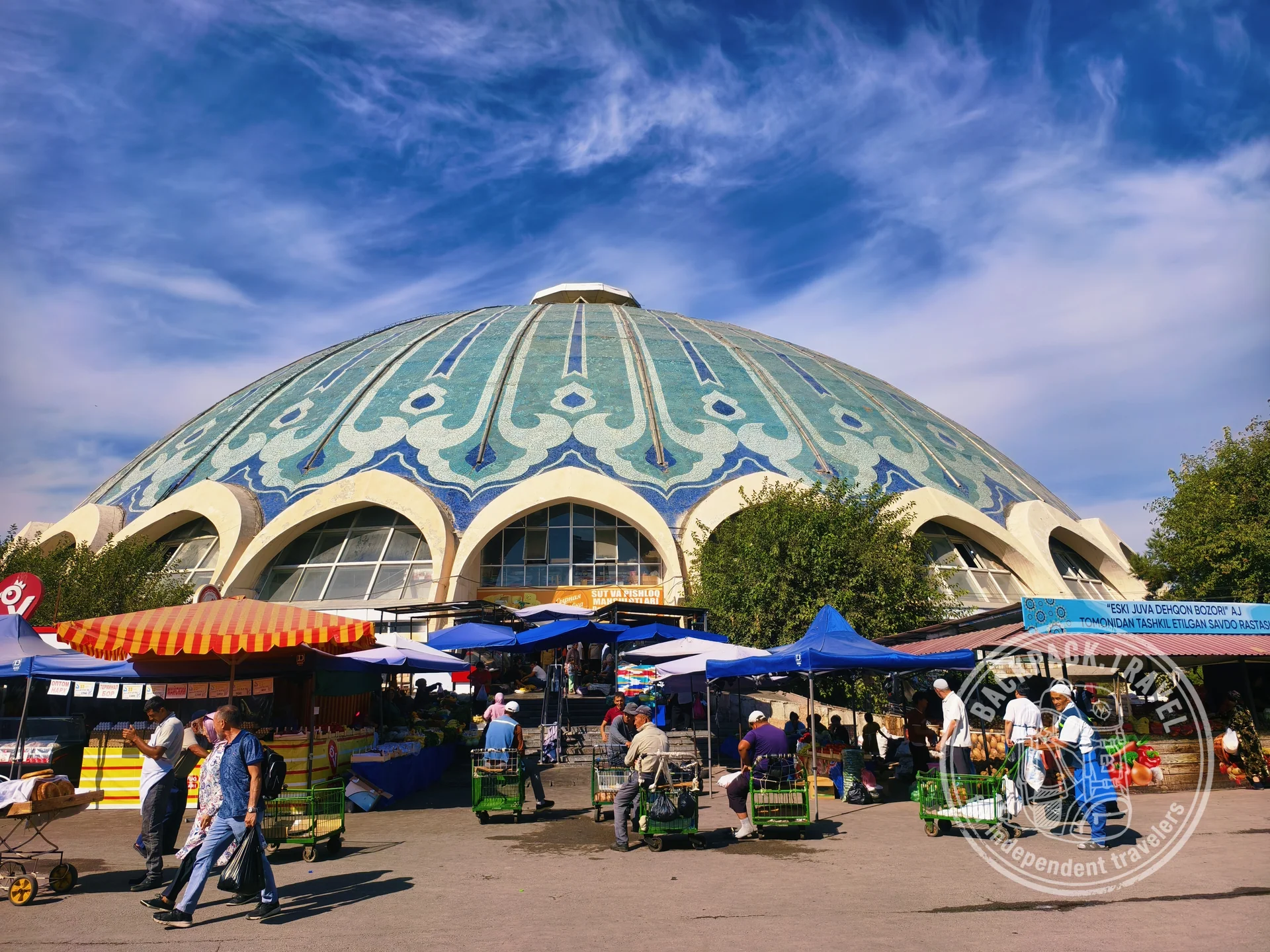
- Chorsu — go for the atmosphere and the food, not the souvenirs. Under the great blue dome are meat, dairy, spices and mountains of dried fruit and nuts. This is a place for tasting and bargaining; the prices are local ones, but a foreigner may be quoted more, so ask around and compare.
- Hazrati Imam — a calm religious complex, and the reason to go is the Uthman Quran, one of the oldest copies in existence. Dress modestly, shoulders and knees covered.
- The museums — the Timurid History Museum and the Museum of Applied Arts are both compact; you can realistically do both in a couple of hours.
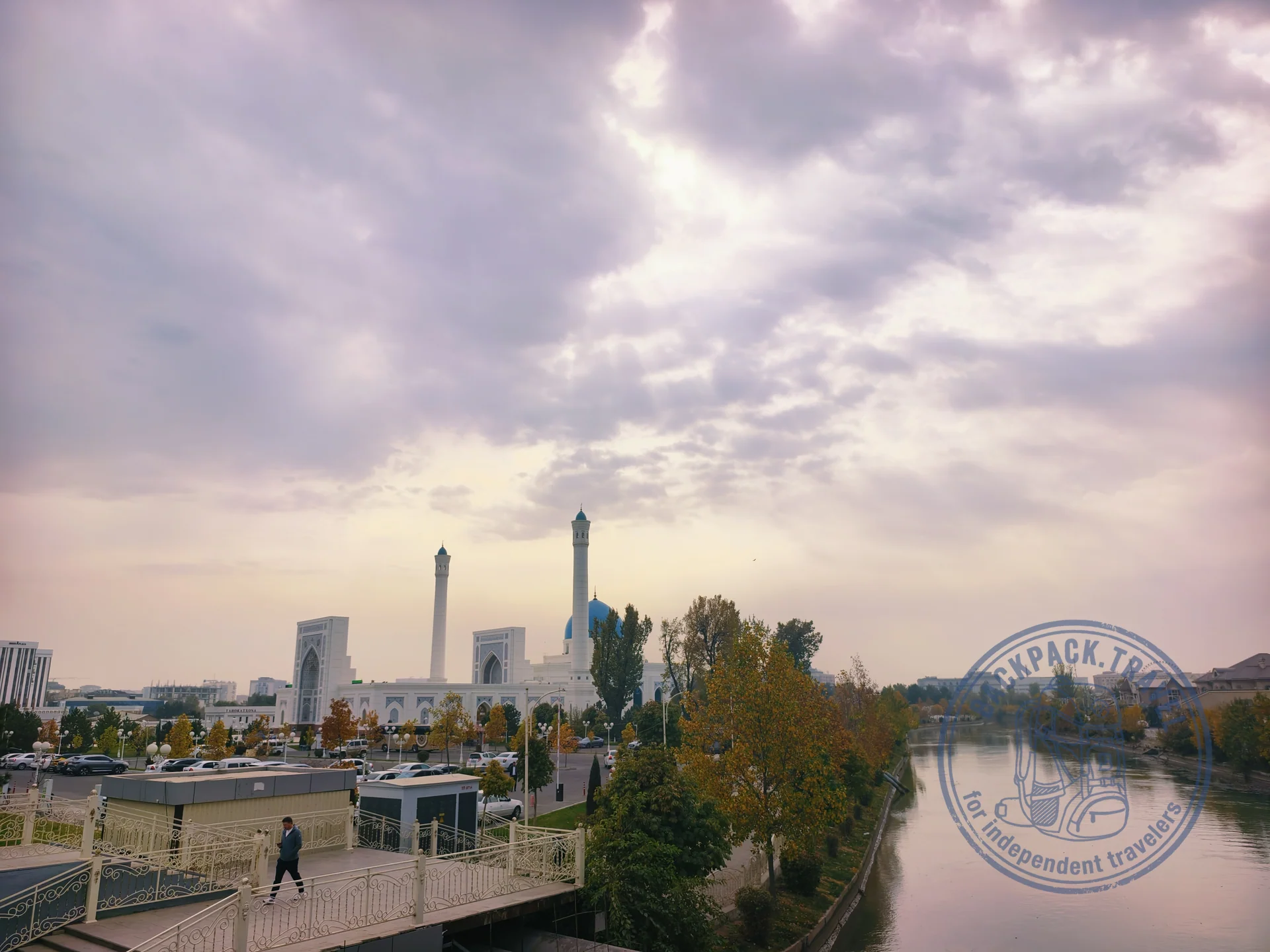
What to skip if you are short of time: the newly built marble complexes such as the Minor Mosque photograph well but have far less substance than the old madrasahs.
Food
Tashkent is cheap by most travellers' standards. The headline dish is plov, and the right place to eat it is a specialist oshxona (plov house), which works until early afternoon: by evening the plov is gone. Beyond plov, order shurpa, lagman, manty, tandoor samsa and fresh flatbread. Bazaars and canteens are cheap and authentic; restaurants in the centre cost more but are still good value.
To save money: eat where local people eat, drink tea rather than bottled water in cafés, and buy fruit and nuts at Chorsu.
When to go
The best months are spring (April–May) and autumn (September–October): warm without the summer furnace. Summer is hot and dry and daytime walking is hard work. Winter is cool, but it is the ski season at Chimgan.
Safety and common mistakes
Tashkent is calm and safe for visitors, including in the centre after dark. Points to note:
- Money. The currency is the sum, everything is counted in thousands and the wads of notes are thick. Change money in banks or official exchange offices; cards are not accepted everywhere, so keep cash.
- Taxis. Never get in without an app or without an agreed price.
- Language. Uzbek is written in the Latin alphabet, Russian is widely understood, English much less so. Save addresses in both scripts and use a translation app.
- The beginner's mistake is trying to walk the city. Plan your route around metro stations.
- The other one is turning up for plov at dinner time: for the real thing, go in the first half of the day.
A trip out of town
Chimgan and the Charvak reservoir lie about 80 km away and make a half-day or full-day outing. In summer there is hiking and the turquoise water of the reservoir; in winter, cheap skiing. It is easiest by taxi for the whole day or on an organised transfer — public transport out there is awkward.