
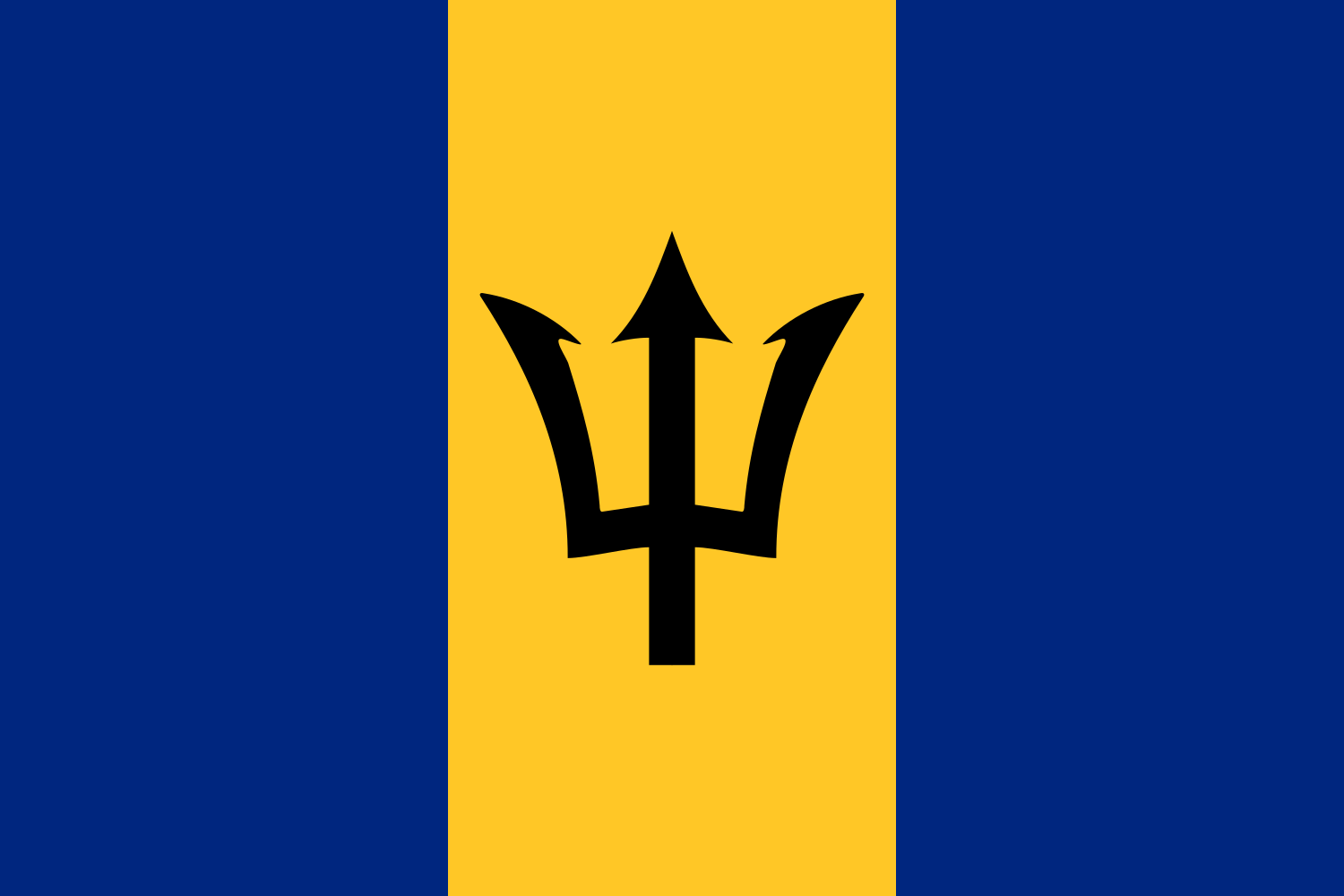
Safety in Barbados
A rating built from four independent indices, plus scams, laws and what to do when something happens
Rating calculated from the indices below
Indices checked on 10.08.2026
Position in global indices
Save these before you fly
The general picture
The general picture: Barbados is among the calmest islands in the Caribbean. Street crime is low and visitors are treated with warmth rather than hustle.
The Atlantic coast: around Bathsheba and along the whole east shore the currents and surf are severe. Swimming there is dangerous even for strong swimmers, so keep to walking the beach.
Sun: the tropical sun burns quickly, especially on the water and during your first days. High-factor cream, a hat and plenty of water are the minimum for any day out.
Camouflage: wearing camouflage-patterned clothing or accessories is prohibited for civilians in Barbados, and the rule applies to tourists. Items can be confiscated and a fine issued, so leave that print at home.
At night: central Bridgetown empties once the shops close, and it is not somewhere to wander alone. The south coast stays busy late, but even there a taxi beats walking back along an unlit road.
On the beach: do not leave bags or electronics unattended while you swim. Opportunistic theft happens on the busier stretches, particularly in high season.
Hurricanes: the official season runs June to November, peaking in late summer and September. If you travel then, follow the forecasts and take insurance that covers cancellation.
How tourists get scammed
Barbados is among the Caribbean's most prosperous and well-organised islands. Violent crime against tourists is limited.
Bridgetown. Pickpockets on cruise ship days and theft from beaches. The centre empties in the evening once the shops close.
Beach vendors. Braids, excursions, sunlounger hire. Persistent but not aggressive.
Taxis. No meters; tariffs are regulated and published. Confirm the price before getting in and which currency — local or US dollars.
Car hire. A local driving permit is required, issued by the rental firm for a small fee. Driving is on the left and roads are narrow.
Currency. The Barbadian dollar is pegged to the US dollar at two to one. US dollars are accepted everywhere, with change given in local currency.
Beaches. All beaches in Barbados are public by law, even in front of expensive hotels. Charging for access is unlawful.
What gets you fined or jailed
Camouflage is prohibited. A feature of Barbados and several Caribbean countries: camouflage-patterned clothing is prohibited for civilians, children's items and accessories included. It is confiscated at customs and a fine is possible. Almost no visitor knows this.
Drugs. The law is strict and the airport is screened. Cannabis for Rastafarian religious use is separately regulated, but for a tourist it is illegal.
Weapons and ammunition. Bringing in even one cartridge is a criminal matter.
Drones. Permission is required.
Driving on the left. Roads are narrow and roundabouts are everywhere.
Marine life. Collecting coral and shells is restricted and turtles are protected.
Hurricanes. The season runs June to November. Barbados lies east of the main track, but hits occur.
Health: vaccines, medicines, care
Vaccinations. None mandatory; a yellow fever certificate is required from arrivals out of endemic countries in South America and Africa.
Dengue, chikungunya and Zika. Present, with outbreaks. Repellent is needed.
Water. Barbadian tap water is of excellent quality — the island is known for its artesian water filtered through coral limestone. Drink it anywhere.
The sea. The west and south coasts are calm; the east (Atlantic) side has heavy surf and strong currents. Nobody swims at Bathsheba; people go to watch the surfers.
Sea urchins and manchineel. The poisonous manchineel tree grows on some beaches: do not shelter under it from rain, and its fruit is lethally toxic. It is usually marked with red paint.
Sun. Tropical UV.
Healthcare. Queen Elizabeth Hospital and private clinics are of a decent standard. A hyperbaric chamber is available. Insurance is needed.
Emergency numbers: 211 police, 511 ambulance.
Police: how to handle them
Barbados is among the Caribbean's better performers on corruption and stability.
Police. Correct, and English is official.
Reporting theft. Reports are taken and certificates for insurers issued.
What actually happens. Theft from beaches, from hire cars and from rooms without a safe. Violent crime against tourists is rare.
At night. The tourist zones of St Lawrence Gap and Holetown are calm. Some districts of Bridgetown are best avoided in the evening.
Traffic police. Speed enforcement exists and seatbelts are compulsory.
What actually matters. Barbados's main risks are the sea on the east coast, the sun, and camouflage in your suitcase. This is one of the calmest places in the region.
Emergency number is 211.
What else to check
The rating is built from open international indices and foreign-ministry advisories; links to the primary sources are in the cards above. Conditions change faster than annual reports come out — check current travel advice before you go.