
Cameroon
Cameroon is Africa in miniature: volcanic peaks, equatorial rainforest, savannah and Atlantic coast. This is where the Baka live, where fishermen work Lake Chad and where you can climb the highest volcano in West Africa. Ethnic diversity is extraordinary — more than 250 peoples and languages — and the cooking is rated among the finest on the continent. A destination for experienced travellers happy to leave the tourist routes behind.
Where to go
#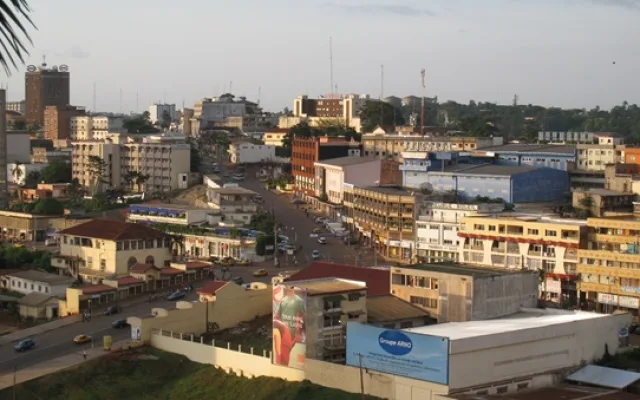
Yaounde
Yaounde is Cameroon's administrative capital, spread over hills at 750 m: the Reunification Monument, the National Museum and primate sanctuaries close by.
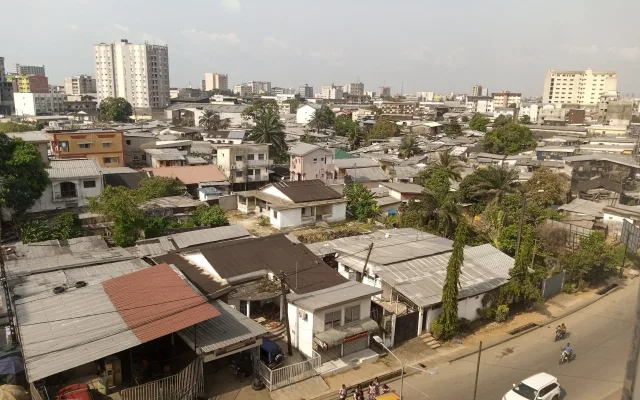
Douala
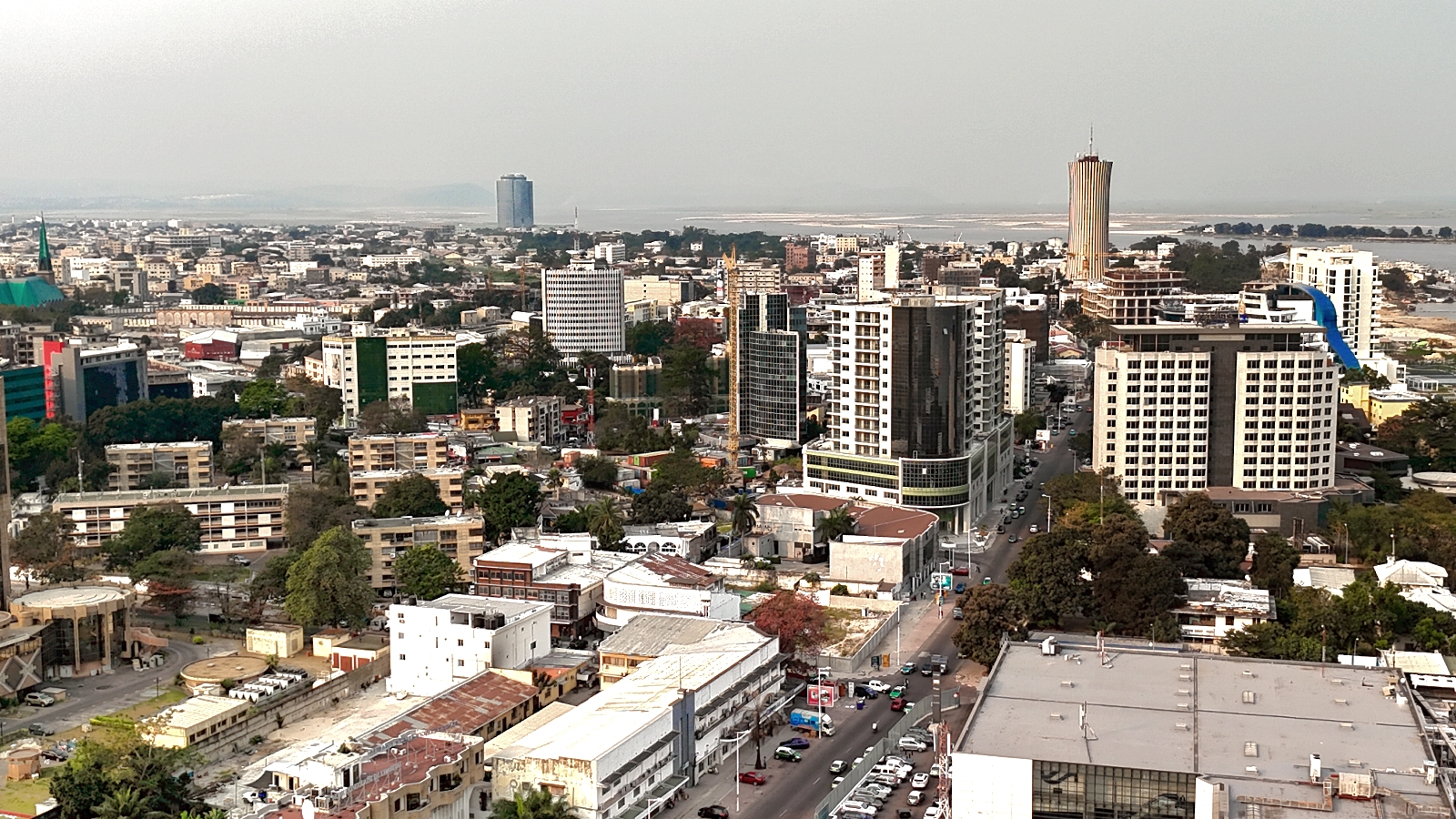
Douala is the economic capital and largest port of Cameroon — the gateway to West Central Africa for most independent travellers.
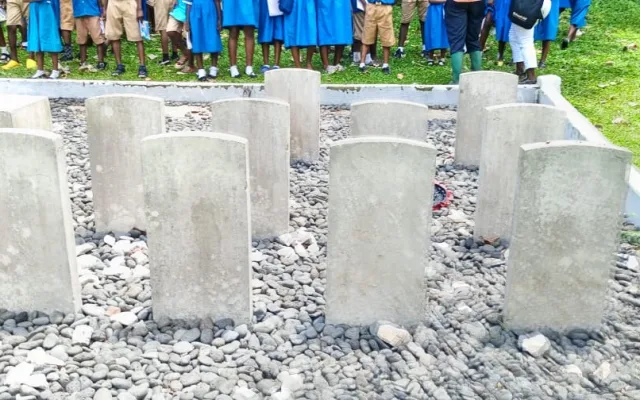
Limbe
Limbe is a coastal town at the foot of Mount Cameroon, known for its black volcanic beaches and primate rescue centre.
What to see
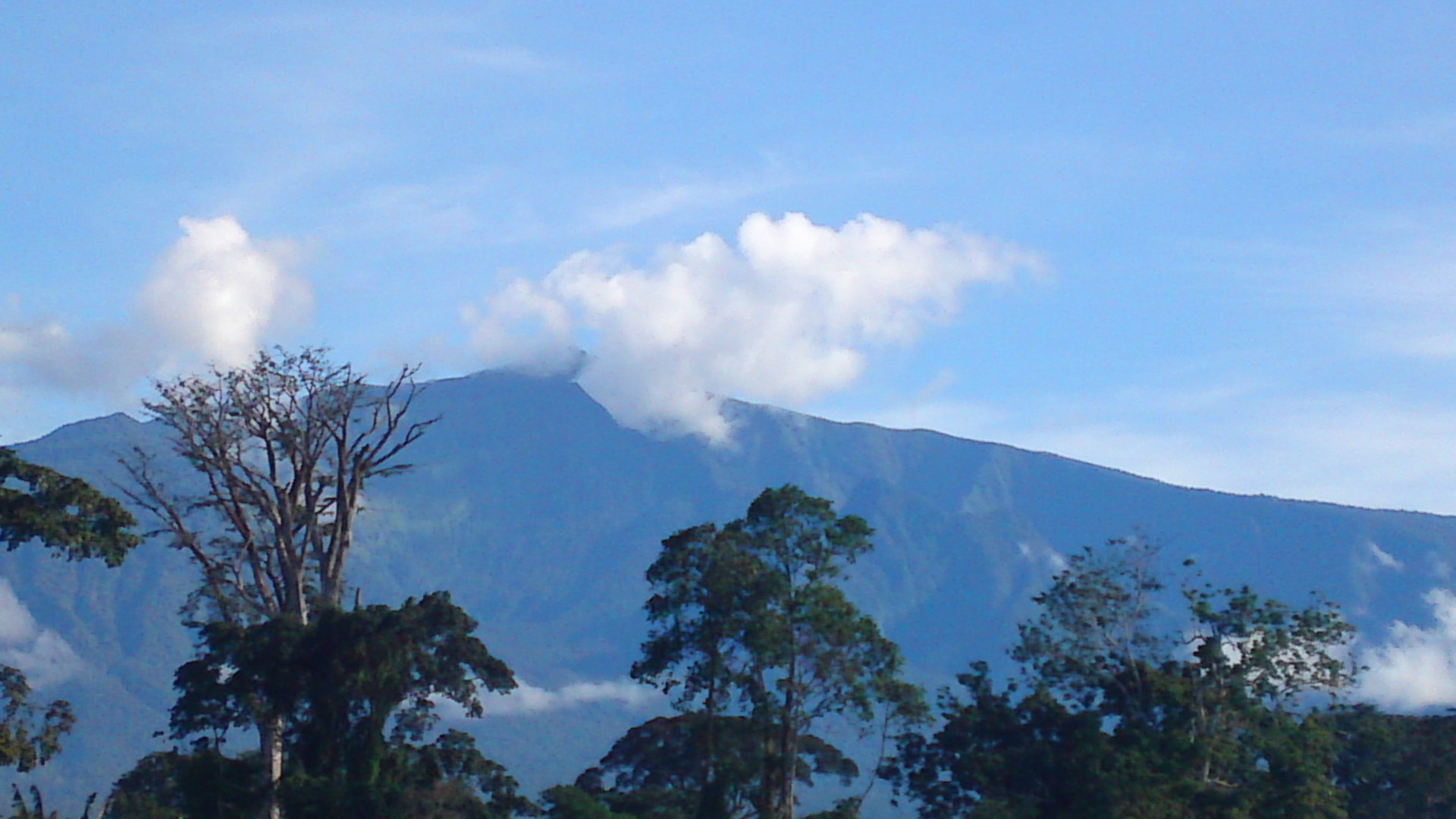
#Mount Cameroon: The Fako volcano rises above four thousand metres and is worth the effort for the extraordinary run of habitats, from wet jungle up to alpine meadow. The climb usually takes two days and a licensed guide is mandatory, easily arranged in Buea.
Lobe Falls: A remarkable spot near Kribi where fresh water drops off a ledge directly into the ocean swell. Baka settlements nearby will arrange a short forest walk if you want to understand how they live.
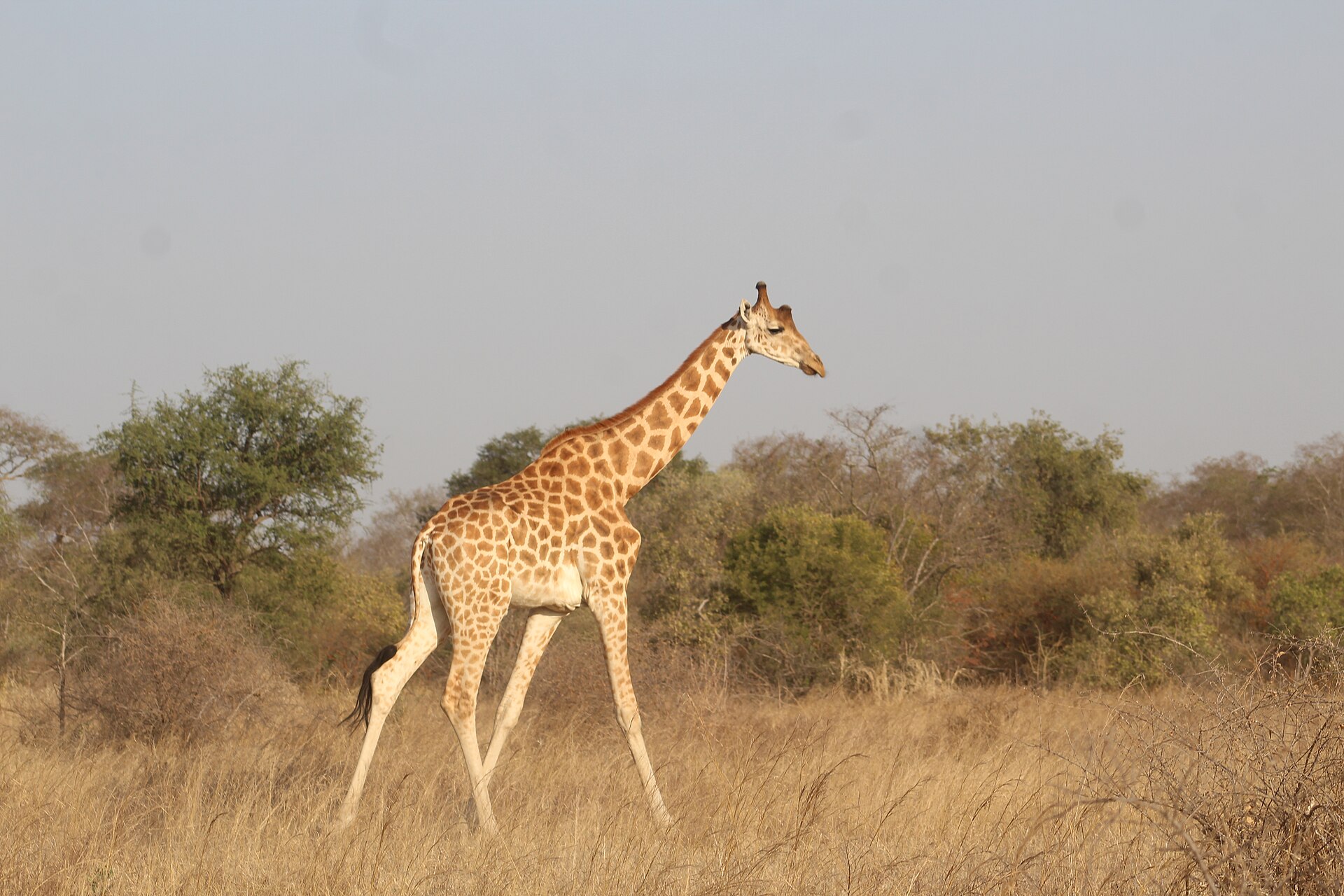
Waza National Park: If you want the best safari in the country, go to the far north near the Nigerian border. In the dry season you can genuinely see elephants, lions and giraffe at the waterholes, though the drive out to this remote region is a long one.
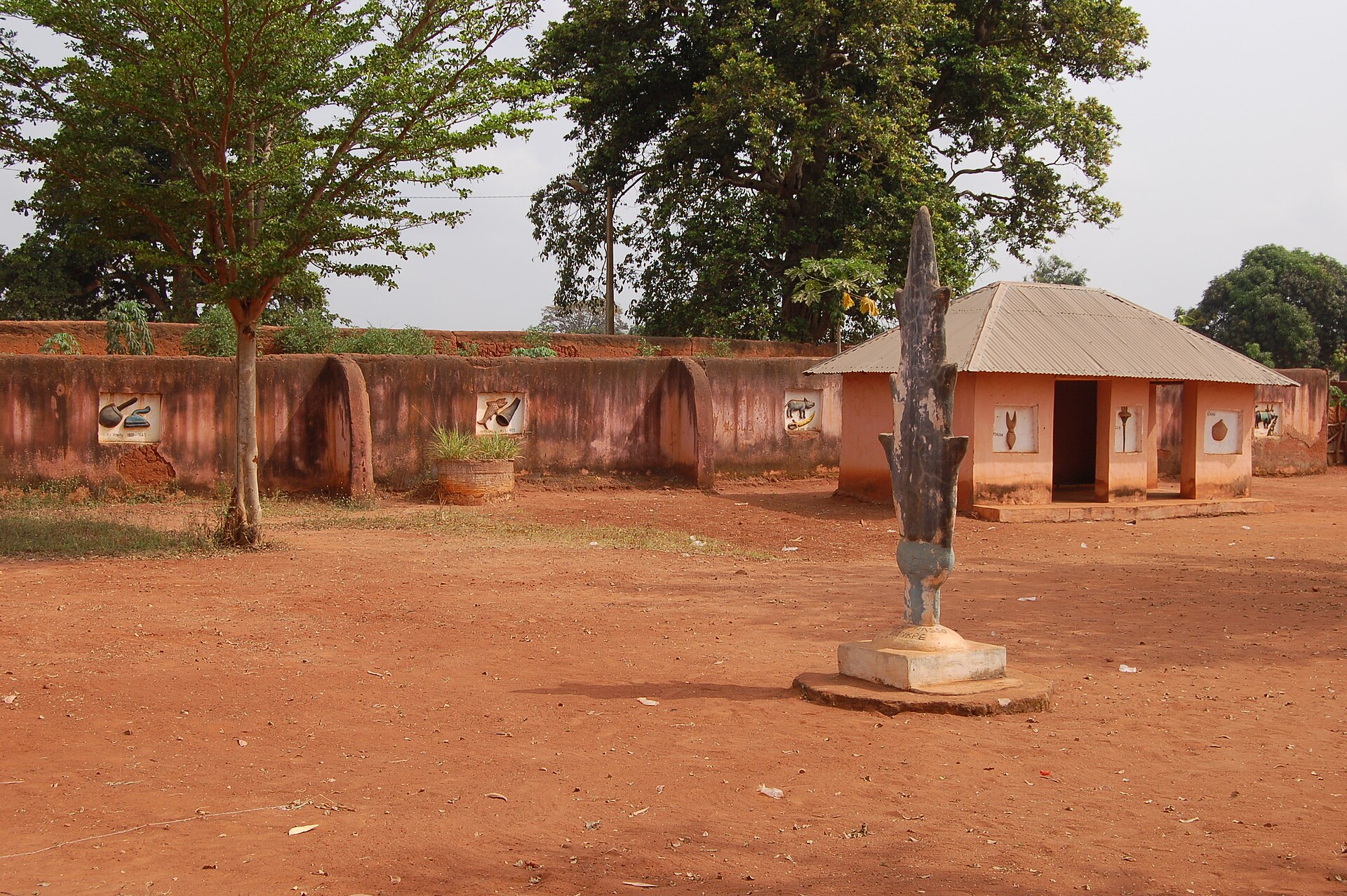
The sultan's palace: Foumban holds one of the most impressive pieces of architecture in the region, with a rich collection of weapons and masks. It is living Bamoun history, and those traditions still shape daily life in the town.
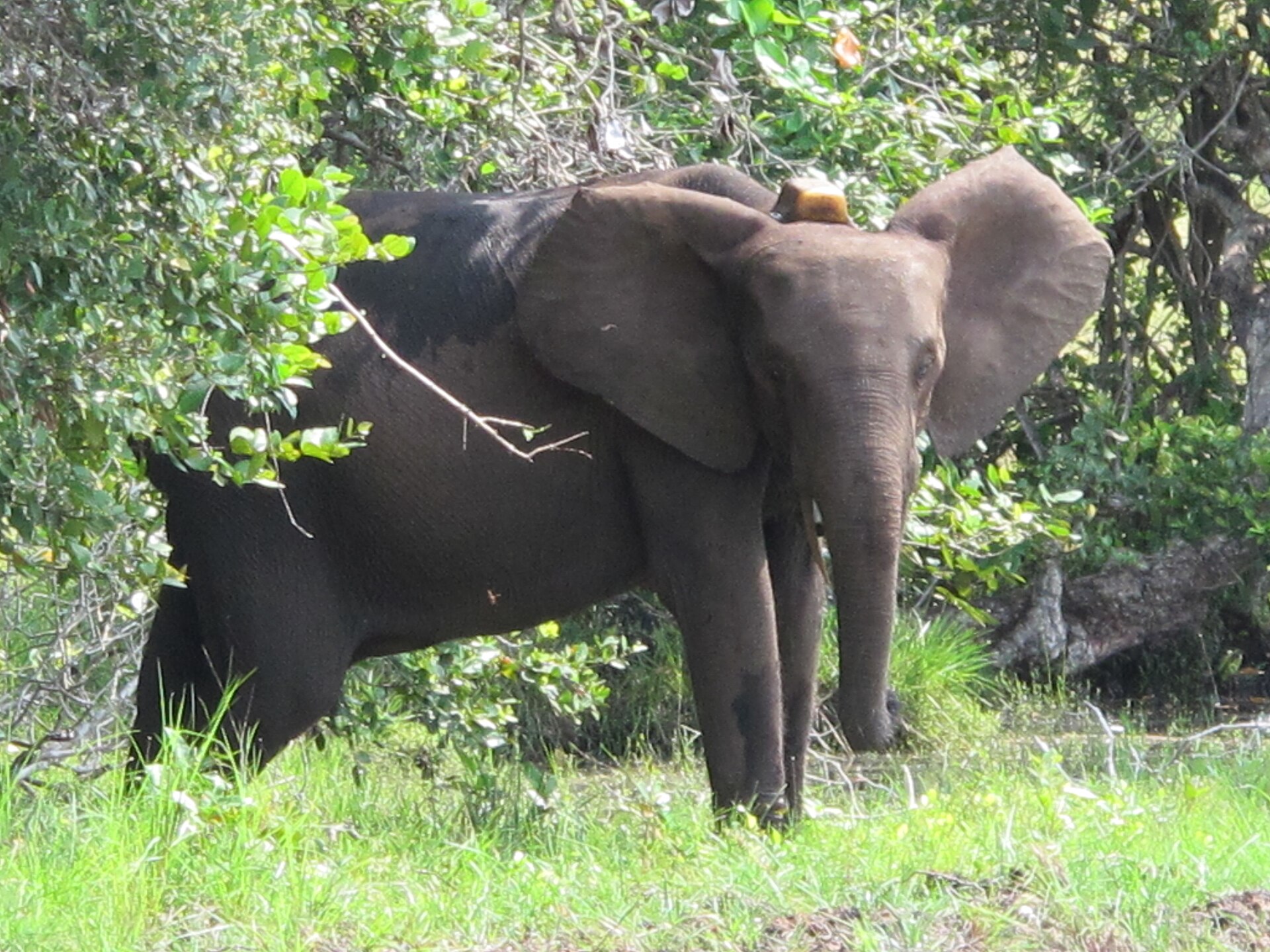
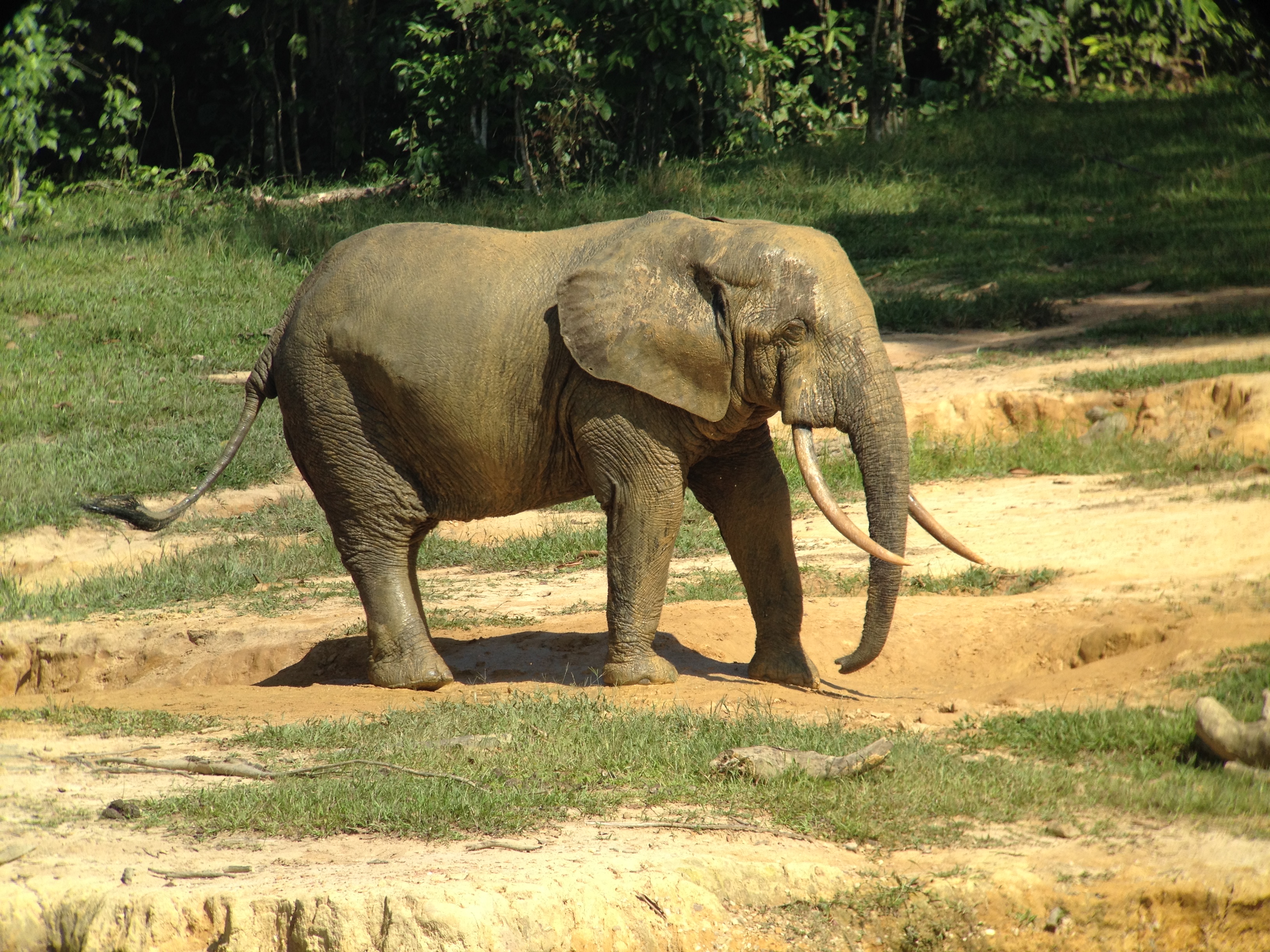
Campo Ma'an National Park: In the deep south there is untouched equatorial forest with gorillas and rare forest elephants. This one is for experienced adventurers willing to sleep in simple village conditions for the sake of the wildlife.
Lake Nyos: The crater lake and its stark landscape are entirely safe to visit now, and the silence is startling. The place looks like a film set and leaves a strong impression through sheer quiet power.
Sandaga market: What to see in Douala is this enormous trading labyrinth where absolutely everything is for sale. Exotic spices and fabrics cost very little if you are ready for endless bargaining and a loud crowd.
Prices
#Currency: The local money is the CFA franc, pegged firmly to the euro, which keeps prices stable. You can change money at banks or official exchange offices in the airports and the larger cities.
Cash: Cards are accepted almost nowhere in Cameroon, apart from a few expensive hotels in the capital. Bring euros or dollars in cash, because that is the only genuinely reliable way to pay for things. Euros tend to move a little more easily than dollars.
ATMs: You can withdraw against a foreign Visa or Mastercard at larger bank branches, but the limits are low and Amex is not worth carrying. Always keep a mix of denominations for markets and taxis.
Mobile money: Locals pay for small services through their mobile operator's money transfer system. If you are staying a while, work out how it functions, because it makes life much simpler once you are away from the cities. A Wise or Revolut card is best used to draw euros at a fair rate before departure.
Tipping: Around ten percent in restaurants is the norm if the service pleased you. In taxis and markets the price is always negotiable, so bargaining is normal and even expected.
| Item | Price (USD) |
|---|---|
| Lunch at a street cafe | 6.00 |
| Dinner in Bastos | 22.00 |
| Shared taxi across town | 0.50 |
| Litre of petrol | 1.10 |
| Bottle of local beer | 1.30 |
| Kilo of mangoes at market | 1.50 |
| Night in a city guesthouse | 28.00 |
| Bus ticket to Kribi | 7.00 |
| Guide for Mount Cameroon | 55.00 |
| Bottled water 1.5l | 0.70 |
| Grilled fish | 5.00 |
| National park entry | 12.00 |
| Moto-taxi ride | 0.40 |
| Local SIM card | 1.00 |
| 5GB data package | 4.00 |
Getting around
#Getting in: Douala is the main international gateway, with Yaounde second, and most arrivals connect through Paris, Brussels, Istanbul, Addis Ababa or Casablanca. From North America that usually means two hops, via Paris or Addis Ababa.
Coaches: Between cities the easiest option is a company like Touristique Express. Buy the ticket at the bus station on the morning you travel so you can pick a seat in a vehicle whose air conditioning actually works.
Taxis: The yellow city cabs operate as shared shuttles, collecting passengers along the way. Raise a hand, tell the driver your destination and settle the fare before you get in, not after.
Motorbikes: The two-wheeled benskin taxis are the fastest way through Douala's congestion. They are neither safe nor comfortable, but when the traffic locks solid there is effectively no alternative.
The railway: Camrail runs trains between the two main cities in several classes of comfort. There is also a night service to the north, which saves you a hotel night and shows you the landscape changing.
Domestic flights: The state carrier links Douala with Garoua and Yaounde. It is expensive, but it spares you many hours on broken roads to the far provinces.
Car hire: Self-drive is not advisable given local traffic behaviour and the frequency of checkpoints. It makes far more sense to agree a flat daily rate with a trusted taxi driver for your whole itinerary.
Roads: The trunk routes are surfaced but heavily pitted, which slows everything down. In the rainy season many rural dirt roads become completely impassable for any vehicle.
Where to stay
#What to expect: The standard option is the small hotel known here as an auberge. It is the most affordable choice for an independent traveller and puts you in the middle of things without spending much.
Check before you pay: In budget rooms, inspect the mosquito net and test the air conditioning before handing over money. Without decent ventilation the humid coastal heat will make sleep genuinely difficult.
Booking: Global platforms show only a fraction of what exists, so it is often more reliable to look on the ground. Plenty of guesthouse owners answer readily on messaging apps if you can find their number online.
Districts: In Yaounde, base yourself in Bastos, which is safe and where expat life is concentrated. In Douala choose Bonapriso, the most comfortable area, with cafes and shops within walking distance.
Kribi: Small eco-lodges built of wood and palm thatch sit right on the beach. They are often overpriced for what you get, but falling asleep to the surf makes up for a lot.
Buea: Mountain hotels here are plain and unfussy, though they are more likely to have hot water. That matters a great deal after two exhausting days coming down off a misty summit.
House rules: Never feel awkward about asking to see the room and testing the water pressure and the sockets. Surprises are frequent at the budget end, so an inspection before payment is simply standard practice.
What to eat
#Ndole: The national dish of bitterleaf with peanuts and shrimp is one everyone should try. The best versions come out of simple maquis, the small local eateries where Cameroonians themselves eat lunch.
Poulet DG: Celebration chicken with fried plantain and vegetables is the country's culinary calling card. The dish signals prosperity, it is very filling, and the local spice mix gives it real character.
Fish: Never buy seafood from a random street vendor unless it is being cooked over flame in front of you. On the coast, choose places that grill the fresh catch over coals with pepper and lime.
Street food: In the evening the braziers come out for suya, spiced beef skewers in a fierce marinade. It is a cheap and popular dinner, but pay attention to how clean the stall looks before you commit.
Breakfast: Every morning brings beignets, fried doughnuts eaten with thick maize porridge or coffee. It is a simple, good breakfast that costs almost nothing at any street stand.
Drinks: Local Castel and Mutzig beers are well made and deal with tropical thirst efficiently. Buy drinking water only in bottles with an unbroken seal, and avoid ice in your drinks.
Fruit: The markets are paradise, with mangoes, pineapple and papaya of remarkable sweetness. Wash anything you buy thoroughly in bottled water before you peel it.
Safety
#The general picture: The country requires constant alertness and caution with strangers. Avoid the English-speaking provinces in the west and the areas along the northern borders, where the situation is tense, and read your own government's travel advisory before you book.
In the cities: Watch for motorbike thieves and pickpockets, particularly wherever crowds gather. After dark, do not walk unfamiliar streets on foot; use official taxis instead.
Checkpoints: Document checks by police or military patrols are frequent on intercity roads. Stay polite, show no irritation and always carry a copy of your passport with a valid visa.
Photography: Photographing government buildings, bridges, military sites and anyone in uniform is strictly forbidden. Even an innocent shot near a police station can end with a confiscated camera and a fine.
Health: Malaria is a serious threat throughout the country all year round. Use a strong repellent, cover up in the evening and sleep under a net without exceptions.
Scams: Ignore the insistent airport fixers who offer to carry your bag or arrange a transfer. Agree the price of any service clearly before the person begins doing it.
Water: Tap water in the cities is unsafe even for rinsing your mouth when brushing your teeth. Stick to bottled drinks and make sure the seal is broken in front of you in cafes and restaurants.
Etiquette and culture
#Diversity: Hundreds of ethnic groups live here, each guarding its own traditions carefully. The result is a cultural layering where Catholic cathedrals stand near mosques and the palaces of traditional chiefs.
Football: The Indomitable Lions are a matter of national pride and the default conversation topic. Knowing the team's recent results will get you talking to almost anyone within a minute.
Etiquette: Greeting is a ritual that includes a handshake and questions about your companion's family. Trying to get straight down to business without that will read as rudeness.
Dress: Cameroonians take real care over their appearance and aim to look neat and colourful. Visitors should avoid anything too revealing at official buildings or at religious sites in the north.
Time: Attitudes to punctuality are philosophical, and an hour late is not considered unusual. Expect to wait for things and do not try to hurry anyone along.
Gifts: If you plan to visit a village or meet a local dignitary, bring something small. A good bottle or a box of sweets is a proper mark of respect and smooths the whole encounter.
Languages: French dominates most of the country, while basic English is useful in the west. Pidgin is heard everywhere, and a couple of phrases in it will earn you a genuine smile from any trader.
Connectivity
#SIM cards: MTN and Orange are the main operators, with shops in every neighbourhood. You can buy a SIM with your passport at the airport or an official office, and registration takes only a few minutes.
Internet: 4G is reasonably stable in the big cities and supports navigation and messaging fine. In remote areas and the national parks the signal often disappears entirely, so download maps in advance.
eSIM: If your phone supports it, buy an international data package from Airalo or a similar provider before you fly. You land with working data and never have to hunt for a kiosk in the terminal.
Topping up: You buy scratch cards from the street vendors sitting under branded umbrellas. Give your number to the person in the operator's vest and the credit lands immediately.
Roaming: Using your home SIM will cost a fortune given the data rates. Keep it only for important bank messages and switch mobile data off entirely in the settings.
Wi-Fi quality: Hotel Wi-Fi is often very slow and works only in the reception area. For anything reliable, depend on your own mobile data rather than the hotel network.
Messaging: Almost all business and personal contact in Cameroon happens on WhatsApp. Make sure the app is set up and that you have data to spare for photos and calls.
Phrasebook
#| English | French | Pronunciation |
|---|---|---|
| Hello | Bonjour | bon-ZHOOR |
| How are you? | Comment ca va? | ko-MON sah VAH |
| All good (slang) | C'est le ndem | say luh en-DEM |
| How much is it? | C'est combien? | say kom-BYEN |
| That's too expensive | C'est trop cher | say tro SHAIR |
| Give me a price | Fais un prix | fay an PREE |
| I don't understand | Je ne comprends pas | zhuh nuh kom-PRON pah |
| Thank you | Merci | mair-SEE |
| Excuse me | Excusez-moi | ex-kew-zay MWAH |
| Water | Eau | oh |
| Beer | Biere | BYAIR |
| Where is the toilet? | Ou sont les toilettes? | oo son lay twa-LET |
| Help me | Aidez-moi | ay-day MWAH |
| Where are we going? | On va ou? | on vah OO |
| Okay, agreed | D'accord | dah-KOR |
| Food | Nourriture | noo-ree-TEWR |
| Very tasty | C'est tres bon | say tray BON |
| Goodbye | Au revoir | oh ruh-VWAR |
| Brother (address) | Mon frere | mon FRAIR |
| White person | Le Blanc | luh BLON |
| Right away, eventually | Tout de suite | too duh SWEET |
| Yes / No | Oui / Non | wee / non |
Good to know
#Consular cover: Most European countries and the United States keep an embassy in Yaounde, largely in the Bastos quarter, while smaller nations cover Cameroon from Abuja or Libreville. Find out which mission handles your passport and save the number before you leave.
Paper documents: Always carry printed copies of your hotel bookings and return flights. Officials and police here still trust paper considerably more than a screen.
Electricity: Sockets are the European type, so most travellers need no adapter. Expect short power cuts, which happen even in the most expensive districts.
Navigation: Download offline maps for every city you plan to visit before you go. It saves hours of frustration when mobile data drops out in the back streets.
Hygiene: Carry hand sanitiser and a pack of wet wipes and use them daily. In the tropics, with street food in the mix, clean hands are the main thing standing between you and a ruined week.
Insurance: Take a comprehensive policy that covers tropical disease treatment and emergency assistance. Care in public clinics is very limited, which makes private cover a practical necessity rather than a formality.
Copies: Make good copies of your passport and visa and store them separately from the originals. At roadside checks, show the copy so you never risk losing or damaging the real document.
Frequently asked questions
#Most nationalities do, and it is arranged in advance through the official e-Visa portal rather than on arrival. Processing takes five to fifteen working days, so apply early and print the approval to show at passport control.
Travelling frugally, with guesthouses and meals in local cafes, allow around 40 to 50 dollars per person per day. If you want more comfort and private taxis, the figure rises to 100 to 120 dollars a day.
A trip is possible but demands strict discipline about where you go. The English-speaking western regions and the northern border areas should be avoided outright because of the risk of conflict.
A yellow fever certificate is the one strictly required document and it is checked the moment you land. Doctors also strongly recommend malaria prophylaxis and typhoid vaccination before you travel.
Intercity coaches run by the larger companies are the most convenient and dependable option. For journeys to the north, take the night train or a domestic flight instead of facing the roads.
Barely anywhere. A handful of expensive hotels in the capital take Visa and Mastercard, and everything else is cash. Bring euros or dollars and withdraw at larger bank branches when you need local francs.
It is strongly discouraged given the state of the road surface and local driving habits. Hiring a car with a local driver for the day, or simply using taxis, is easier and considerably safer.
The dry season from November to February is the ideal window. Rainfall is minimal, the roads stay passable and the malaria risk drops somewhat compared with the wet months.
Yes, but with restrictions. Registration is mandatory for a drone of any weight. CCAA authorisation must be requested at least 30 days in advance; importing is allowed. Rules for other countries are in the drone ranking by country.
Updated
The data on this page goes out of date. Visa rules and permitted stays, border requirements, prices and budgets, transport and local conditions all change fast, and we do not re-check every page every day. We show the date of our last check where we have one, but before you travel, verify with official sources: the country’s consulate, its immigration service, its e-visa portal and your carrier.