
Ecuador
A small country on the equator containing four worlds: the Pacific coast, the Andes and their active volcanoes, Amazon jungle and the Galápagos, one of the great wildlife sanctuaries on earth. Ecuador uses the US dollar, which makes budgeting simple, and prices remain among the lowest in Latin America. The colonial centre of Quito is a UNESCO site, and a three-course set lunch (almuerzo) costs just $2.50–4.
Where to go
#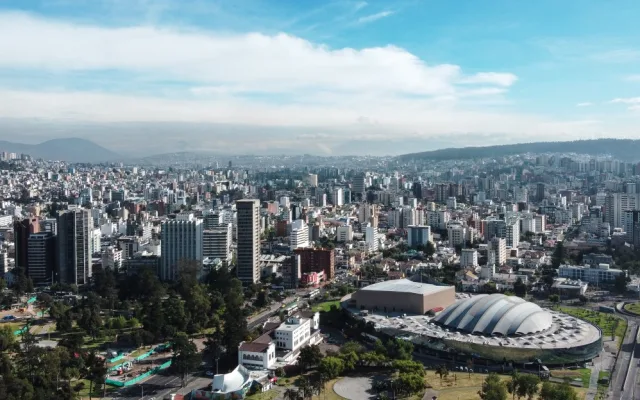
Quito
The equatorial capital with Latin America's best-preserved colonial centre, a cable car up Pichincha, and views of snow-capped volcanoes.
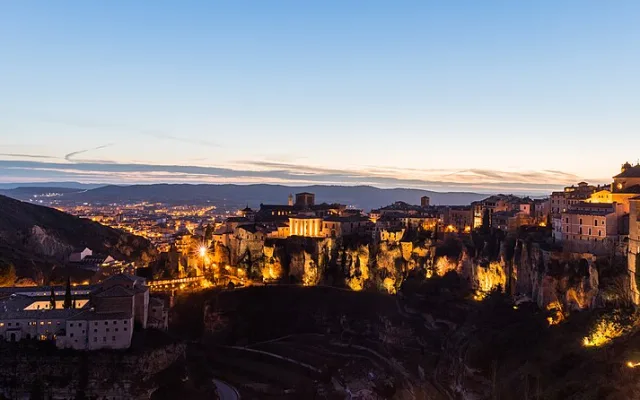
Cuenca
An Andean colonial city with the blue domes of its new cathedral, workshops weaving toquilla-straw panama hats, and Ecuador's finest climate at 22 C year-round.
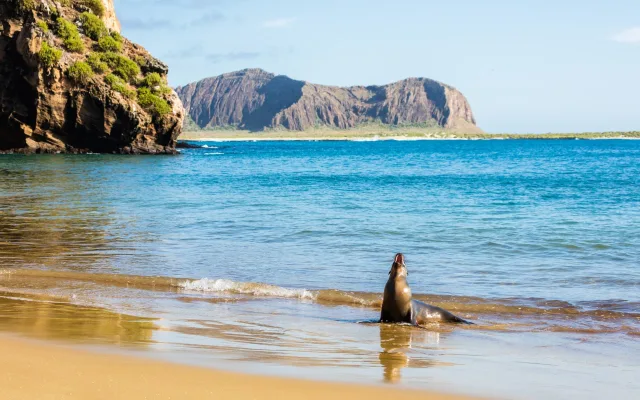
Galápagos Islands
Darwin's living laboratory of evolution: blue-footed boobies, marine iguanas and giant tortoises in an untouched Pacific ecosystem.
What to see
#The Galápagos: Where to go for wildlife found nowhere else: giant tortoises, marine iguanas and blue-footed boobies. To keep costs down, stay on the inhabited islands and take day boat tours rather than an expensive cruise.
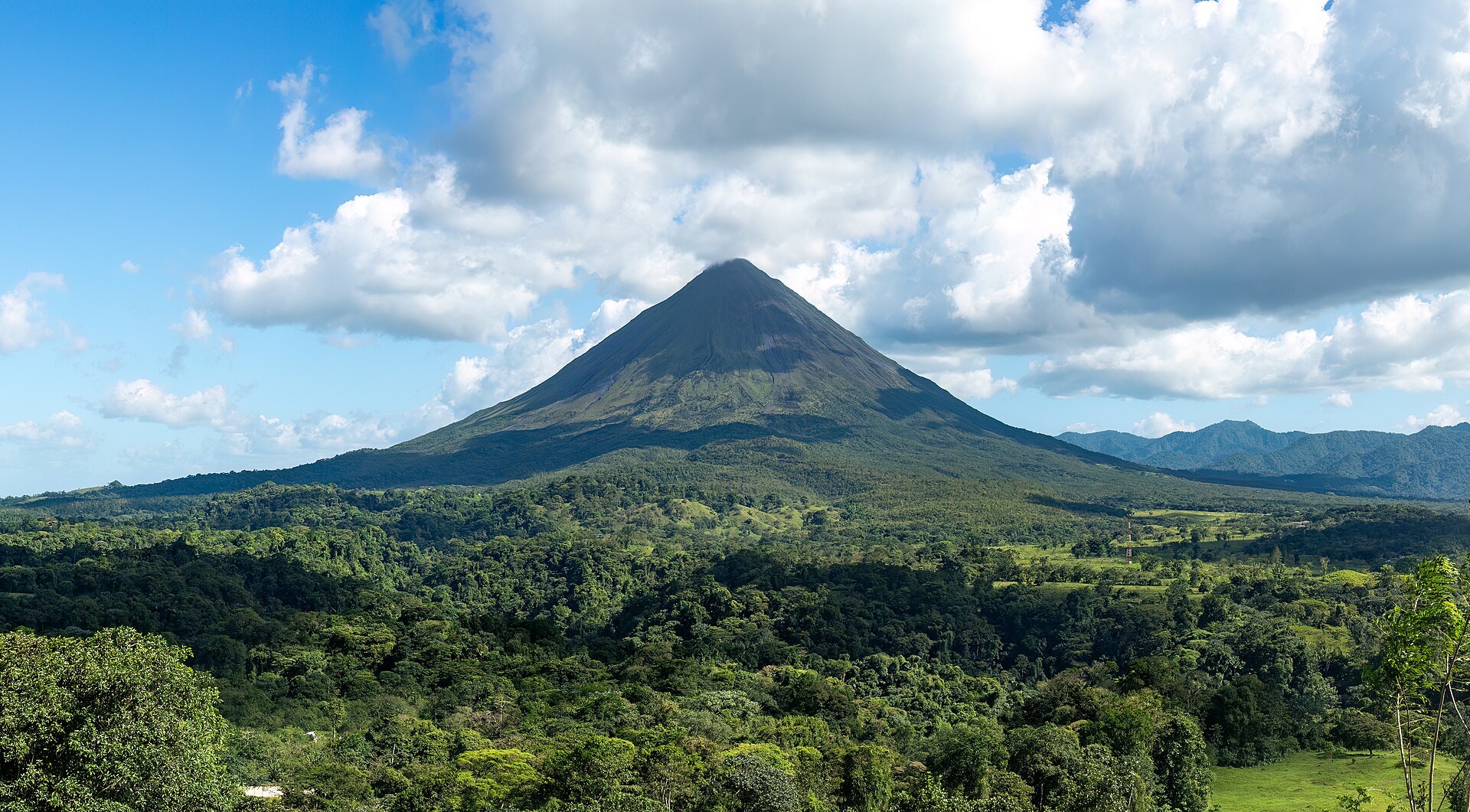
Cotopaxi: The near-perfect snow cone pulls in anyone who likes mountains. Worth a full day in the park to see wild horses and walk up to the first refuge at 4,800 metres.
Quilotoa: A crater lake whose turquoise shifts with the light. The descent takes half an hour; the climb back up through loose ash is a genuine test of your lungs.
The equator line: Mitad del Mundo park is right next to the capital. You can do it in a day, balance an egg on a nail and stand in two hemispheres, though the true GPS equator is in the neighbouring private Intiñan museum.
Pailón del Diablo: The country's most powerful waterfall, reached through narrow rock tunnels and over suspension bridges. From the platform you feel the full force of the ice-cold spray.
Yasuní National Park: A look into untouched Amazon. If you want wild nature, this is where to go, with record numbers of bird, monkey and plant species per hectare of forest.
Prices
#Currency: Ecuador uses the US dollar. The country mints its own cent coins in the same denominations and sizes as American ones, but all banknotes are original US bills.
Small notes: Bring fives, tens and twenties. Small shops, taxis and markets will almost certainly refuse a hundred or even a fifty, either for lack of change or fear of forgeries.
Cards: Visa and Mastercard are accepted in chain supermarkets, larger hotels and decent restaurants in Quito and Cuenca. Amex is rare. Outside the cities, carry cash.
ATMs: Bank machines are widespread in towns and dispense dollars directly, which removes any exchange question. Withdrawal fees vary, so use bank-branded machines.
Tipping: Most restaurants already include 10% service in the bill. Anything extra is optional, and in street cafés and comedores it is not expected at all.
Departure: Up to 10,000 dollars per person can be taken out without declaring it. An airport departure fee of around 25 dollars may apply if it was not included in your ticket.
| Item | Price (USD) |
|---|---|
| Almuerzo set lunch | 3.50 |
| Dinner for two with wine | 35.00 |
| Water 1.5l | 0.80 |
| Local beer from a shop | 1.50 |
| Coffee on the volcano slopes | 2.50 |
| Dorm bed | 12.00 |
| Budget hotel room | 25.00 |
| Taxi across town | 4.00 |
| Bus Quito to Cuenca (10h) | 11.00 |
| Return flight to Galápagos | 280.00 |
| Galápagos park fee | 200.00 |
| Telefériqo cable car | 8.50 |
| City bus ticket | 0.35 |
| SIM card with data | 15.00 |
Getting around
#Long-distance buses: The cheapest way between regions. Quito has two big terminals, Quitumbe in the south and Carcelén in the north. Buy at the counter before departure; schedules are kept reasonably well.
City transport: The capital has a good network of bus rapid transit running in dedicated lanes. Fares are trivial, but at rush hour the crush attracts pickpockets, so keep your bag in front of you.
Taxis: Official yellow cabs are required to run a meter, though agreeing the fare in advance is often simpler. After dark, use Cabify or Uber instead.
Domestic flights: To get from Quito to Guayaquil or the coast quickly, fly. Fares are reasonable booked a couple of weeks out, and the crossing over the Andes gives extraordinary views of the snow peaks.
Galápagos ferries: Fast lanchas connect the inhabited islands in about two hours. The crossing can be very rough, so take motion sickness tablets beforehand and wear the life jacket.
Car hire: A car gives you freedom along the Avenue of the Volcanoes, though mountain driving means fog and switchbacks. City traffic is chaotic and unattended parking in provincial areas is best avoided.
Getting there: Quito and Guayaquil have non-stop flights from Madrid and Amsterdam in Europe, and from Miami, Houston, New York and Atlanta in the US, plus regional connections through Panama City and Bogotá.
Where to stay
#Where to stay in Quito: For a longer stay, choose the green La Mariscal or San Marcos districts. The historic centre is beautiful but empties after sunset and feels less comfortable alone.
Guesthouses: In highland towns like Cuenca or Otavalo there is plenty of accommodation in old mansions with courtyards. It gives you a real sense of colonial life, though unheated rooms get cold at night.
For backpackers: The budget network is excellent, with shared kitchens and common areas nearly everywhere. It is the easiest way to find people to split a jeep to the volcanoes or a taxi to a distant beach.
Haciendas: If the budget allows, spend a night in a converted Andean estate. Overrated purely on comfort, but it delivers a unique experience of farm life among llamas and snow peaks.
Booking: On the Galápagos, book well ahead, because the affordable places in Puerto Ayora go quickly. On the mainland you can generally book a day in advance and be fine.
Showers: Cheap rooms often have electric shower heads. Be careful adjusting the water and do not touch exposed wiring. Reliable internet is more likely in common areas than in the rooms.
What to eat
#Almuerzo: The foundation of a budget traveller's diet. The set lunch brings a substantial soup, a main with rice and meat, a glass of fresh juice and sometimes a small dessert. Look for the word on canteen signs.
Street food: At markets, try fried plantain with cheese and empanadas with various fillings. Be careful with iced drinks and unwashed fruit, which is how most trips get derailed.
Ceviche: Best on the coast and in the Galápagos. Ecuadorian versions are often served with toasted corn or popcorn, which sounds odd and works perfectly.
Cuy: Roasted guinea pig is the great highland delicacy. It tastes something like rabbit but costs noticeably more than ordinary dishes, and functions more as an experience than a regular meal.
Soups: Ecuadorians are serious about them. Try locro de papas, potato soup with avocado, or the thick fish encebollado that locals eat for breakfast.
Drinks: Order a canelazo, the hot spiced cinnamon drink with cane spirit that makes cold Andean evenings bearable. For coffee, buy beans from the southern provinces of Loja or Zamora.
Safety
#Cities: In Guayaquil and Quito, take care and do not display expensive electronics. Pickpockets here are highly skilled, particularly on public transport and in markets.
Areas to avoid: Stay away from the Colombian border regions and the port districts of Esmeraldas province. After dark, take a taxi even for a few blocks back to your hotel.
Altitude: Quito sits at 2,850 metres, which causes headaches and breathlessness in unacclimatised visitors. Drink more water for the first few days, skip heavy food and alcohol, and try coca tea if it hits hard.
Mountains: On volcanoes and in national parks, stay on marked trails. Weather changes instantly, and clear sun can become freezing fog within ten minutes, in which people genuinely get lost.
Valuables: Leave your passport and the bulk of your money in the hotel safe. Carry a copy of your documents and a small amount of cash in small notes for the day.
Galápagos rules: You may not approach wildlife closer than two metres, let alone touch it. The animals have no fear of people, but breaking the rules brings heavy fines and immediate removal from the islands.
Advisories: Security conditions on the coast have shifted in recent years, so read your own government's travel advisory before finalising a route.
Etiquette and culture
#Time: "Hora ecuatoriana" means half an hour late is not a slight. This applies to social arrangements only; buses and planes generally run to schedule.
Manners: Ecuadorians are polite and value formality. Greet people when you enter a shop or café, and use the respectful "usted" with strangers even if your Spanish is minimal.
Religion: Catholicism runs deep in daily life, so keep quiet and cover your shoulders in churches. Religious festivals are celebrated on an enormous scale and close entire streets.
Indigenous heritage: In rural Andean areas, respect for Pachamama, Mother Earth, is alive. Always ask before photographing people in traditional dress. It is basic courtesy and the answer is usually yes.
Haggling: At indigenous markets like Otavalo, bargaining is expected and part of the transaction. In city supermarkets and malls prices are fixed and trying will only baffle the staff.
Carnival: If you travel in February, expect water fights in the street. Soaking passers-by with water or foam is a long tradition and no visitor is exempt, so bag your electronics.
English: Limited outside hotels and tour operators. Basic Spanish transforms the trip, and an offline translation pack covers the rest.
Connectivity
#Operators: The main players are Claro, Movistar and state-owned CNT. Claro suits an independent traveller best, with the most consistent coverage in the highlands and on the remote coast.
SIM cards: Buy at an official shop, where you will need your original passport to register. A 10-15 GB package costs around 15 dollars and you can top up in any pharmacy.
WhatsApp: The dominant communication tool. Hotels, drivers and even food orders run through it, and Ecuadorians love a long voice message over typing.
Wi-Fi: Almost every hostel and café has it, though provincial speeds can be very poor. The Galápagos are noticeably worse than the mainland and drop out away from the main towns.
Power: Sockets are US-style flat pin. Bring an adapter, since finding a decent one for a European plug locally is surprisingly hard.
Useful apps: Install offline maps and RedBus for tracking intercity coaches. For taxis, Cabify and InDriver work best and show the price before you commit.
Phrasebook
#| English | Spanish | Pronunciation |
|---|---|---|
| Hello | ¡Hola! | OH-la |
| How are you? | ¿Cómo estás? | KO-mo es-TAS |
| Thank you | Gracias | GRA-syas |
| Please | Por favor | por fa-VOR |
| Yes / No | Sí / No | see / no |
| How much is it? | ¿Cuánto cuesta? | KWAN-to KWES-ta |
| That's expensive | Es caro | es KA-ro |
| The bill, please | La cuenta, por favor | la KWEN-ta por fa-VOR |
| Help! | ¡Ayuda! | a-YOO-da |
| Where is the toilet? | ¿Dónde está el baño? | DON-de es-TA el BA-nyo |
| Excuse me | Disculpe | dis-KOOL-peh |
| I don't understand | No entiendo | no en-TYEN-do |
| Do you speak English? | ¿Habla inglés? | AH-bla een-GLES |
| Water | Agua | AH-gwa |
| Beer | Cerveza | ser-VEH-sa |
| That's brilliant! (slang) | ¡Qué chévere! | keh CHEH-veh-reh |
| Mate (slang) | Pana | PA-na |
| Great, sorted (slang) | Bacán | ba-KAN |
| Go on, let's! | ¡Dale! | DA-leh |
| Left / Right | Izquierda / Derecha | is-KYER-da / de-REH-cha |
| Altitude sickness | Soroche | so-RO-cheh |
Good to know
#Insurance: Pick a policy covering altitude sickness and evacuation if you plan to climb. Without cover, serious treatment in a private hospital runs into thousands of dollars payable upfront.
Medication: Beyond a standard kit, bring motion sickness tablets for the Galápagos boats and something for stomach upsets. Local pharmacies stock most things, but under unfamiliar brand names.
Documents: Keep scans of your passport, insurance and vaccination certificates in the cloud. National parks and bus ticket counters frequently ask for identification.
Connections: Allow at least three hours between domestic flights. Quito's airport is a long way from the city, and the taxi in at rush hour can take over an hour on narrow mountain roads.
Galápagos fees: Budget 200 dollars for the national park fee on arrival, plus the transit card. Payment at the islands is cash dollars only, and cards are not taken at the Baltra airport desks.
Clothing: Layers are essential in the Andes. Equatorial sun makes a T-shirt right at midday, and an hour after sunset it can be five degrees and you will want a down jacket.
Frequently asked questions
#Most Western passport holders can enter for tourism without a visa, typically for up to 90 days in any 180-day period, but check your own passport's rules. You simply present a valid passport at the border and complete the migration card.
At least six months from the date you cross the border. It is also worth carrying a printout of your onward ticket, which the airline may ask for at check-in.
Ecuador uses the US dollar officially, so bring dollars and nothing else. Carry plenty of small notes, since fifties and hundreds are accepted very reluctantly because of forgery concerns.
Tourist areas are stable, but street theft remains a risk in the large cities. Avoid walking alone at night in Quito or Guayaquil, use official ride-hailing apps, and check current advisories for the coast.
Look for domestic airline fares out of Guayaquil rather than the capital, which are usually lower. Staying independently in Puerto Ayora guesthouses works out far cheaper than buying a multi-day cruise.
In Quito, Cuenca and Guayaquil, Visa and Mastercard work in supermarkets, hotels and better restaurants. Everywhere else, and especially at markets, on buses and in the Galápagos, cash is what functions.
Nothing special is required for the standard highland and coastal routes. For deep Amazon travel, yellow fever vaccination is strongly recommended and you should carry the certificate.
For the Andes and volcano climbs, the dry months of June to September. For the Galápagos, December to May is more comfortable, with the warmest and calmest water for snorkelling and diving.
Yes — you can bring a drone and fly it. No registration is needed. Tourists need no registration. Customs let in a drone worth up to $500 duty-free; above that the duty reaches 35%. The Galapagos are closed to flying. Rules for other countries are in the drone ranking by country.
Updated
The data on this page goes out of date. Visa rules and permitted stays, border requirements, prices and budgets, transport and local conditions all change fast, and we do not re-check every page every day. We show the date of our last check where we have one, but before you travel, verify with official sources: the country’s consulate, its immigration service, its e-visa portal and your carrier.