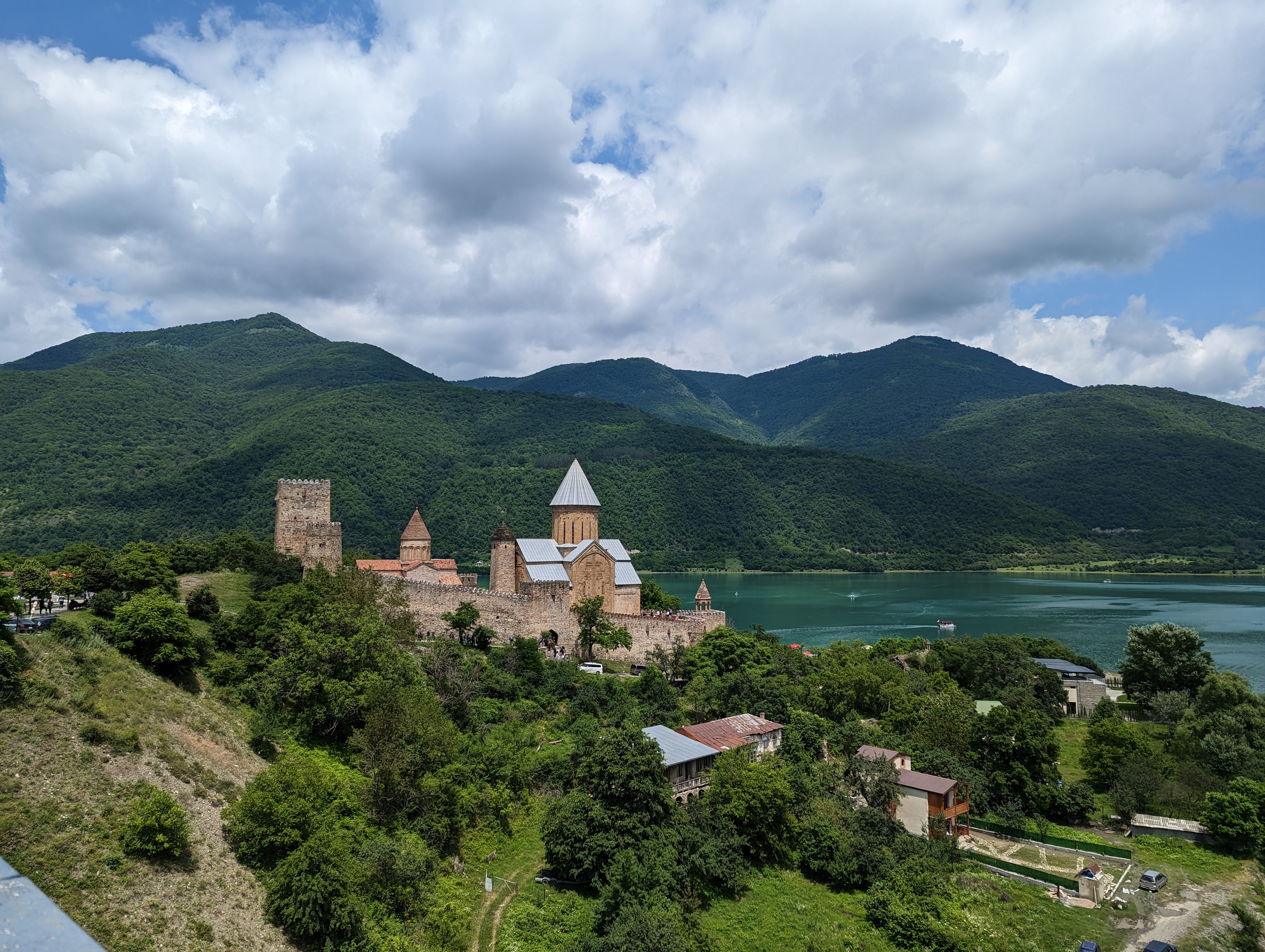

Georgia
GEA country where wine was invented 8,000 years ago, khinkali arrive by the dozen and the mountains begin just outside town. Georgia wins people over with extraordinary food, legendary hospitality, ancient monasteries on cliff ledges and prices that make you want to stay longer. From the sulphur baths of Tbilisi to the Kazbek glacier, from the Kakheti wineries to the beaches of Batumi — all a few hours apart. Citizens of more than 90 countries can stay a full year without a visa.
Where to go #
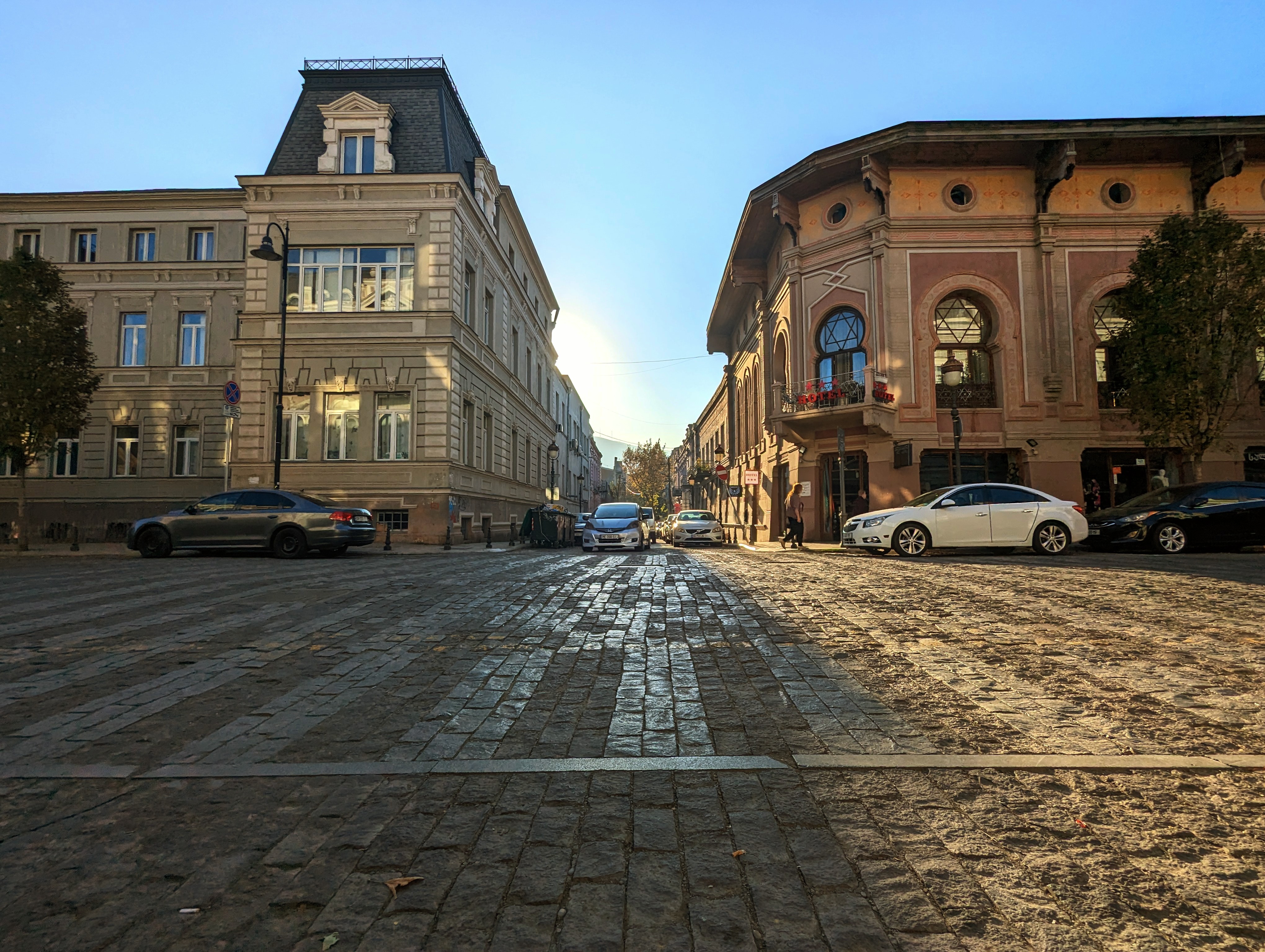
Tbilisi
Tbilisi is the capital of Georgia, known for its historic landmarks, including Narikala Fortress, sulfur bathhouses and houses decorated with carved wooden balconies.
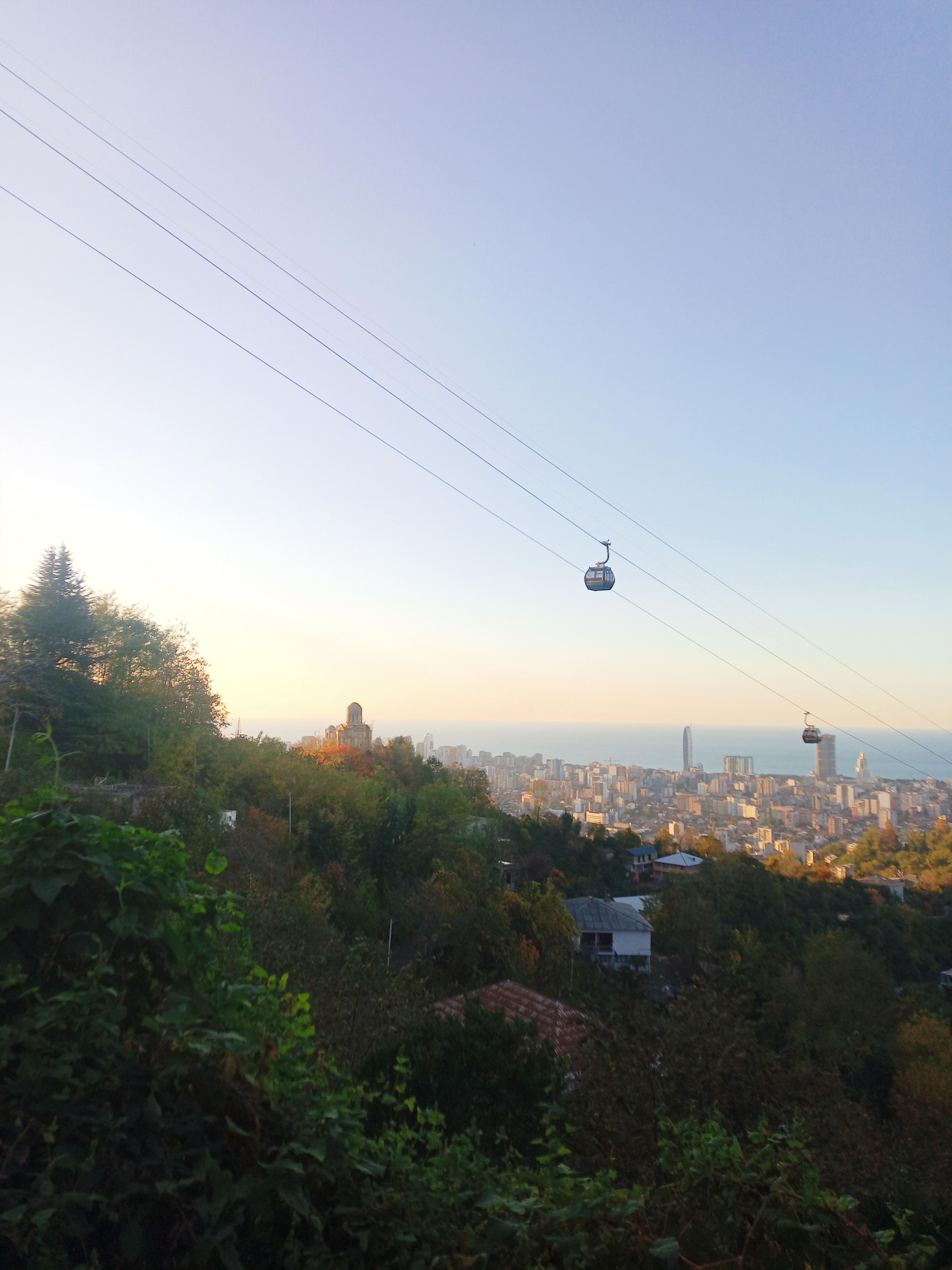
Batumi
Batumi is a city on the Black Sea coast of Georgia, known for its boulevards with fountains, its botanical garden and its modern architecture.
Kutaisi
Kutaisi is Georgia's second-largest city, known for historical and natural attractions such as Gelati Monastery, Prometheus Cave and Sataplia.
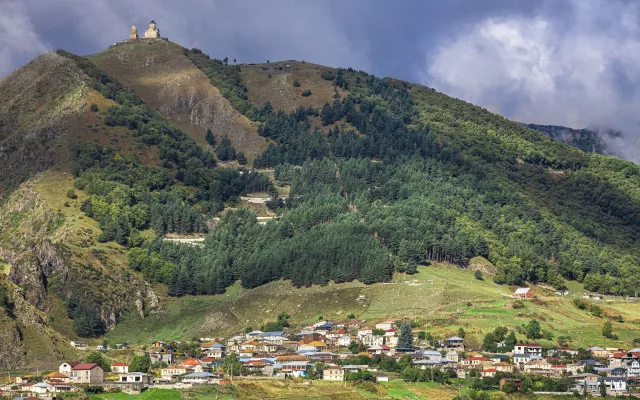
Stepantsminda
Stepantsminda is a mountain village in the Greater Caucasus, known for the Gergeti Trinity Church set against the backdrop of Mount Kazbek. Trekking routes are also popular here.
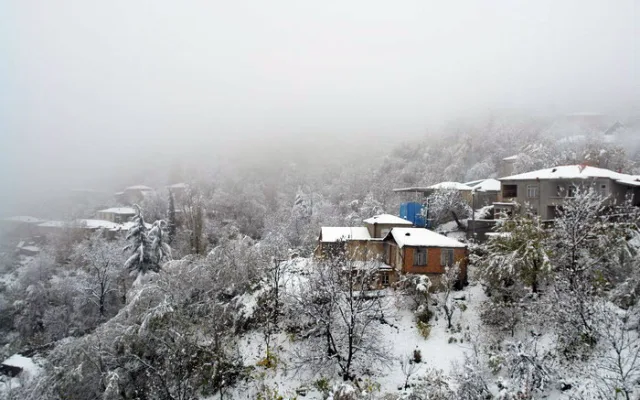
Sighnaghi
Sighnaghi is a town in Kakheti, known for its fortress walls, sweeping views over the Alazani Valley, and vineyards.
What to see #
Church of the Trinity: Where to go for the best mountain photos. Located above Stepantsminda, this is the iconic shot of a church against a massive snowy peak. You can reach it via a steep two-hour hike.
Vardzia Cave City: Is it worth the trip from Tbilisi? Yes, this massive complex carved into a cliff face includes hundreds of rooms and hidden tunnels. It is a stunning example of 12th-century engineering.
Military Highway: Where to go for a scenic road trip. This stunning pass connects the capital to the north, passing turquoise reservoirs and fortress walls. Every turn offers a different mountain vista.
Amber Wine Wineries: What to see in the east. Visit small family cellars in Kakheti to see how grapes are fermented in buried clay jars. Avoid the larger industrial factories for a truly authentic tasting.
Okatse Canyon: This spot is often overrated because of the massive tourist crowds. The metal walkway is high, but Svaneti offers more dramatic wild scenery if you have extra time for the journey.
Abanotubani Baths: Where to go for a local spa experience. These historic sulfur baths are central to the capital's identity and offer affordable private rooms that leave you feeling entirely refreshed.
Prices #
Lari Cash: The Lari (GEL) is the only legal tender. While some guesthouses might quote in dollars, you should always pay in local bills to avoid poor exchange rates and help local owners.
Cards: Plastic issued by non-Russian banks works in most urban shops. ATMs are plentiful in major cities, but they vanish once you head into the deeper mountain regions or small remote villages.
Tipping: Service is usually added as a 10% line item on the bill. If it is missing, leaving a small reward for the staff is appreciated but not mandatory by standard local customs.
Exchange: Street kiosks offer better rates than the airport desks. Check the board carefully for hidden commissions, as some touristy spots in the capital might try to trick unsuspecting visitors.
| Item | Price (USD) |
|---|---|
| Khinkali (1 piece) | 0.45 |
| Adjaruli Khachapuri | 5.50 |
| Coffee (Cappuccino) | 3.00 |
| Local Beer (0.5L) | 2.50 |
| Litre of Wine (Shop) | 5.00 |
| Bus or Metro Ride | 0.40 |
| Taxi (Short ride) | 4.00 |
| SIM Card + Data | 8.00 |
| Dormitory Bed | 12.00 |
| Guesthouse Room | 35.00 |
| Museum Ticket | 5.00 |
| Litre of Petrol | 1.25 |
| Train to Batumi | 14.00 |
| Loaf of Shoti Bread | 0.50 |
| Sulfur Bath (Public) | 2.00 |
Getting around #
Marshrutka Travel: These minibuses are the cheapest way to navigate between towns. They do not follow strict timetables and depart only when every seat is occupied by a passenger, so arrive early.
Modern Rail: The two-story Stadler trains run between the capital and the coast. Booking seats online several days in advance is vital during the summer, as they frequently sell out completely.
Ride-Hailing Apps: Use Bolt or Yandex instead of negotiating with drivers on the street. It ensures a fair price and allows you to pay with a saved card or exact cash for every trip.
Private Transfers: GoTrip is a unique service where you book a car with a driver for a fixed price. It is better than a taxi because you can make unlimited stops for photos.
Car Rentals: Local agencies often allow bookings without credit cards. A 4WD is only necessary if you plan to drive to remote areas like the road to Ushguli or high mountain passes.
Domestic Flights: Small planes fly from Natakhtari to Mestia or Batumi. These routes save hours of mountain driving but are frequently cancelled due to unpredictable mountain cloud cover.
Where to stay #
Local Guesthouses: Staying with families is the standard for independent travellers. These stays usually include massive home-cooked breakfasts and provide a deeper look into the local way of daily life.
Apartment Rentals: Large platforms are the best tool for finding flats in the capital. Look for places with high ratings to avoid damp basements or buildings where the lift is out of order.
Batumi High-rises: The Orbi towers offer thousands of affordable studios with sea views. Be aware that these buildings can be noisy due to ongoing construction and often feel like vertical anthills.
Winter Heating: Many older buildings rely on noisy air conditioners for warmth. If visiting in winter, confirm your room has proper radiators to avoid the bone-chilling dampness common on the coast.
Mountain Lodges: In high-altitude hubs, you must book weeks ahead for the peak summer months. Options range from basic wooden cabins to expensive design-forward hotels with floor-to-ceiling glass windows.
Hostel Culture: Major cities have creative hubs located in repurposed industrial buildings. These spots are perfect for meeting other solo travellers and usually feature onsite bars and communal kitchens.
What to eat #
Khinkali Etiquette: These dumplings are the national staple and must be eaten with your hands. Hold them by the doughy handle, bite a small hole, and sip the hot broth before finishing the rest.
Cheese Bread: Regional varieties of khachapuri are everywhere. The Adjaruli version is a boat-shaped bread filled with melted cheese and a raw egg, meant to be stirred with a piece of crust.
Amber Wine: Traditional winemaking uses clay jars buried underground. This contact with grape skins creates a distinct tannic flavor and a dark orange color that differs from light European white wines.
Vegetarian Options: Try pkhali, which are vegetable pastes made from spinach or beetroot mixed with crushed walnuts. Fried eggplant rolls with garlic and pomegranate seeds are another reliable meat-free choice.
Traditional Barbecue: Mtsvadi is pork or veal grilled over dry grapevine wood. This specific fuel adds a smoky aroma that you will not find in standard city cafes using regular industrial charcoal.
Order Restraint: Portions are notoriously massive and designed for sharing. Start by ordering just a couple of plates for the table, as most travellers end up with far too much food.
Safety #
Road Dangers: The biggest risk is the chaotic local driving style. Drivers often ignore pedestrian crossings and perform dangerous overtakes on blind corners, so stay extremely alert when walking or driving.
Political Sensitivity: Avoid discussing regional conflicts or border issues with strangers. Public demonstrations occur occasionally in the capital; it is best to walk away to avoid getting caught in a confrontation.
Stray Dogs: Most city dogs are tagged, vaccinated, and very friendly. However, be cautious of large shepherd dogs in rural pastures, as they are bred to protect livestock from mountain predators.
Mountain Hazards: Weather in the high peaks changes in minutes, even in mid-summer. Always carry a physical map and extra layers, as mobile signals often fail completely inside deep rocky gorges.
Bar Scams: Watch out for "friendly" locals who invite you to expensive bars for a drink. You might be hit with a massive bill for several hundred dollars that the staff will force you to pay.
Safe Drinking: Tap water is technically drinkable in the capital but has a strong taste. Most travellers stick to the excellent local mineral waters like Borjomi or Nabeglavi to stay hydrated.
Etiquette and culture #
The Supra Feast: Traditional banquets are led by a Tamada, or toastmaster. You are expected to listen to the long stories before drinking, as the meal is a marathon, not a race.
Church Dress Code: Religious sites are strictly traditional. Women must cover their heads and shoulders, while men are forbidden from entering in shorts. Most busy churches provide free wraps at the entrance.
Polyphonic Singing: This ancient vocal tradition is a point of national pride. You might hear these harmonies in village churches or spontaneously during a long dinner in a local restaurant.
Guest Philosophy: Locals believe that a guest is a gift from God. This means you will often be offered help or invited for coffee by strangers who expect nothing but good conversation.
Religious Holidays: Orthodox Easter and the Rtveli grape harvest are the biggest events. During these times, public transport is packed and many shops close, so plan your travel dates with these in mind.
Gift Etiquette: If invited to a home, bringing a small gift like chocolates or flowers is polite. Do not worry about bringing wine, as your host will almost certainly have their own supply.
Connectivity #
Language Barrier: Georgian has its own unique script and sounds. While the older generation is fluent in Russian, younger people in urban areas usually prefer communicating in English for travel help.
Messaging Apps: WhatsApp and Viber are the primary tools for talking to guesthouse owners or drivers. Georgians love sending voice notes, so do not be surprised if you receive many of them.
SIM Cards: Magti offers the most reliable coverage in the mountains. You can buy a card at the airport, though visiting an official office in the city centre will save you a significant amount.
Basic Courtesy: Using the word Madloba for thank you will immediately win you smiles. Even a tiny effort to learn the basic greetings is seen as a sign of deep respect by the locals.
Digital Maps: Google Maps works well in the city, but it misses many mountain trails. Download an offline version of your route before leaving any major town, as data drops out frequently.
Public WiFi: Free hotspots are available in the capital and most Batumi cafes. However, they are often slow or unreliable, so having a local SIM with a data package is essential for navigation.
Phrasebook #
| English | Georgian | Pronunciation |
|---|---|---|
| Hello | გამარჯობა | ga-mar-JO-ba |
| Thank you | მადლობა | mad-LO-ba |
| Please | თუ შეიძლება | tu she-iz-LE-ba |
| Yes | კი | KI |
| No | არა | A-ra |
| Goodbye | ნახვამდის | nakh-VAM-dis |
| Excuse me | ბოდიში | bo-DI-shi |
| How much? | რა ღირს? | RA ghirs? |
| Delicious | გემრიელია | gem-ri-E-li-a |
| Friend | მეგობარი | me-go-BA-ri |
| Water | წყალი | TSKA-li |
| Wine | ღვინო | GHVI-no |
| Bread | პური | PU-ri |
| Bill, please | ანგარიში | an-ga-RI-shi |
| Help! | დამეხმარეთ | da-me-khma-RET |
| I don't understand | არ მესმის | ar MES-mis |
| Good (Slang) | ჯიგარი | ji-GA-ri |
| Cool (Slang) | გაასწორა | ga-as-TSO-ra |
| Brother (Slang) | ძმაო | DZMA-o |
| Dear (Address) | გენაცვალე | ge-nats-VA-le |
Good to know #
Navigation Apps: Download Organic Maps for high-altitude trekking. It contains thousands of small trails and fresh water springs that are completely absent from other digital mapping platforms.
Metromoney Card: This card is essential for the capital's public transport. You can buy it at any metro station for a small deposit and return it before you fly out.
Medical Services: Private clinics in major cities provide high-quality care with modern equipment. Most pharmacies require a local doctor's prescription for antibiotics and certain relief medications.
Police Assistance: The national number 112 connects you to all emergency services. Operators usually speak multiple languages, and the police are strictly forbidden from taking any form of cash bribes.
Shopping for Gear: If you need hiking equipment, buy it in the capital before heading to Svaneti. Mountain villages have very limited supplies and prices are much higher due to the difficult logistics.
Laundry Tips: Most guesthouses will wash your clothes for a small fee. This is often more reliable than searching for a rare self-service laundromat in the smaller regional towns.