Laos
LAA quiet, unhurried country at the heart of South-East Asia, wedged between Thailand and Vietnam. Luang Prabang, with its dawn alms-giving to the monks, is one of the most atmospheric towns in the region. The karst peaks of Vang Vieng, slow boats down the Mekong and Buddhist temples all give the sense of travelling back in time. Laos remains one of the cheapest destinations in the region.
Where to go #
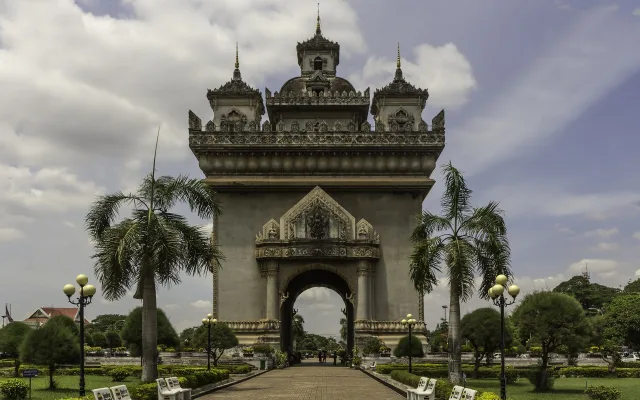
Vientiane
Laos's unhurried capital — the golden Pha That Luang stupa, the Patuxai arch and cafés along the Mekong.
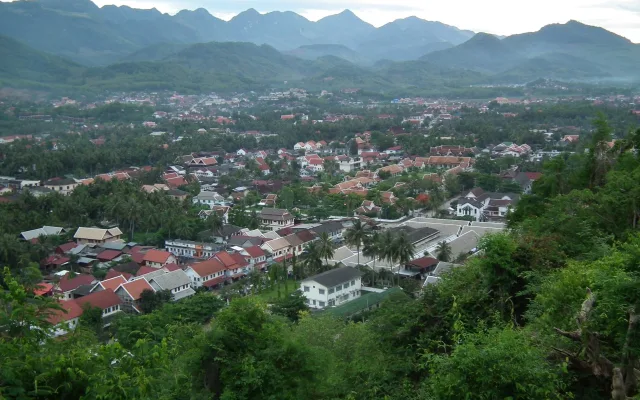
Luang Prabang
The former royal capital of Laos and a UNESCO site: thirty working monasteries, monks at dawn, the Kuang Si waterfalls and the meeting of the Mekong and the Khan.
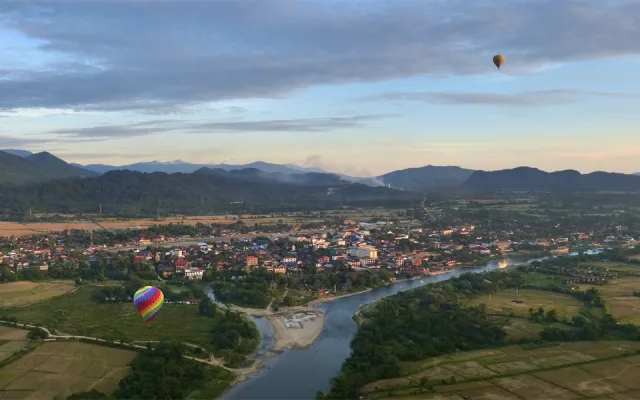
Vang Vieng
A valley of limestone karst in central Laos: tubing on the Nam Song, blue lagoons, caves, hot-air balloons at dawn and cycling among the peaks.
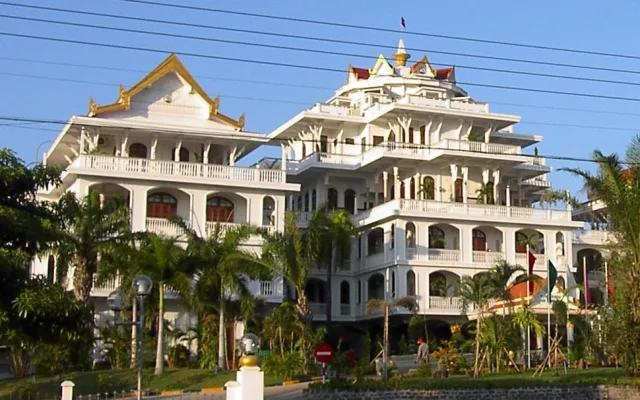
Pakse
The gateway to southern Laos: the Bolaven Plateau with its coffee and waterfalls, the Khmer temple of Vat Phou at Champasak, and the Four Thousand Islands on the Mekong.
What to see #
Kuang Si Falls: The natural wonder near Luang Prabang, where turquoise water spills down limestone terraces. You are officially allowed to swim in the cool pools, but arrive by eight in the morning to beat the crowds.
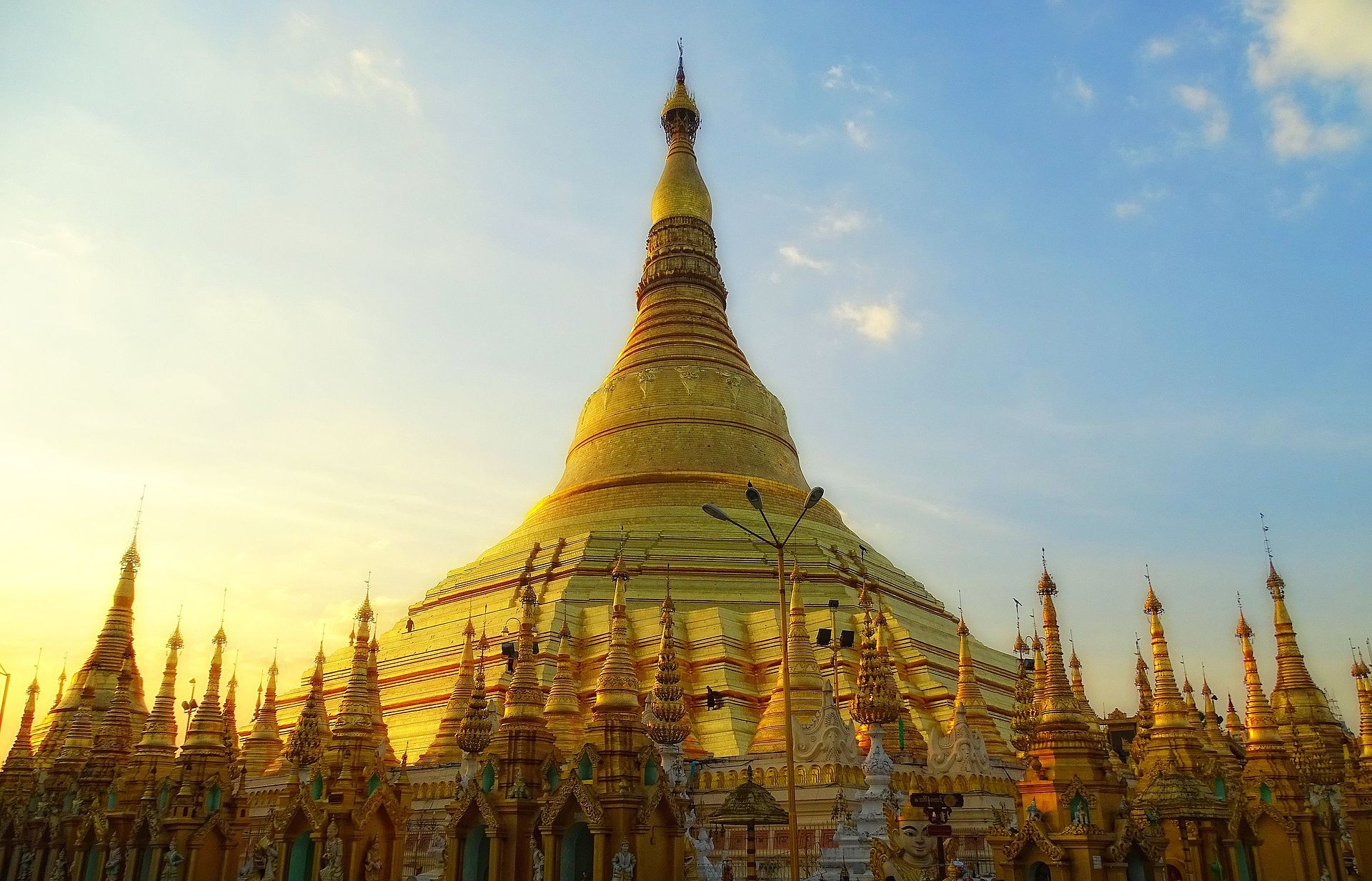
Pha That Luang: The huge golden stupa in Vientiane, the national symbol and a genuine shrine. The gleam of gold against blue sky is impressive, but there is little to do inside, so the exterior and a couple of photos will do.
Pak Ou Caves: To see thousands of Buddha figures in a cliff above the river, take a boat a couple of hours up the Mekong. It is a classic outing, though the caves themselves feel cramped when pilgrims arrive in numbers.
Nam Xay viewpoint: In Vang Vieng, climb this hill, where a motorbike sits at the top for surreal photographs. The ascent is steep and dusty, but the panorama over rice fields and karst repays it.
Patuxai: Laos's answer to Paris, decorated with traditional carving, stands at the end of the capital's main avenue. You can go up for a small fee for the aerial view over the city.
The slow boat: The two-day drift down from Huay Xai is the best way to see the interior from the water. Expect hard seats and no signal, but the Mekong scenery and misty hills replace any entertainment you might miss.
Mount Phousi: In central Luang Prabang, hundreds climb the staircase daily for sunset. Honestly it is oversubscribed; a quiet riverside restaurant gives you the same view in peace.
Prices #
Currency: The kip (LAK) has stayed unstable through 2026, so do not change large amounts at once. Thai baht and US dollars circulate too, but paying in them at small shops always gets you a poor rate.
Exchange: Use BCEL or BFL bank branches, which give the fairest rate and less risk of old notes. Small private booths sometimes slip you a 1000 note instead of a 10,000, since the two look alarmingly similar.
Cards: Card payment is barely developed and only accepted at expensive places in the capital, with a 3 to 5 percent surcharge. ATMs dispense kip only, often cap withdrawals at one or two million, and take a fixed fee each time.
Dollars: Your real treasure is pristine 50 and 100 dollar notes with no crease or mark. If a bill is even slightly crumpled it will either be refused or changed at an insultingly bad rate.
| Item | Price (USD) |
|---|---|
| Filled street baguette | 1.00 |
| 0.6L Beerlao from a shop | 1.20 |
| Coffee with milk | 1.50 |
| Bowl of pho at a market | 2.00 |
| Lunch in a tourist café | 6.00 |
| Bicycle hire per day | 2.00 |
| Motorbike hire per day | 10.00 |
| Litre of petrol | 1.10 |
| SIM card with data | 4.00 |
| Tuk-tuk ride | 3.00 |
| High-speed train ticket | 15.00 |
| Temple or museum entry | 1.50 |
| Foot massage, one hour | 7.00 |
| Blue Lagoon entry | 0.50 |
Getting around #
The railway: The Laos-China high-speed train has rewritten the logistics here, putting Luang Prabang two hours from Vientiane. Book ahead through the LCR Ticket app with your passport details to hand.
Buses: Minivans and old sleeper coaches connect the towns and are often packed solid. The mountain roads are exhausting, so on northern routes take the train instead and save your nerves.
By river: Slow boats remain the romantic but very lengthy way between the north and the Thai border. It is cheap, authentic, and shows you villages that still have no proper road.
Tuk-tuks: In town this is how you get from the station to the centre, and the price for a foreigner is always inflated. Never get in without agreeing the final fare, and haggle without embarrassment.
Scooter hire: A bike buys freedom, especially in Vang Vieng, but remember the poor roads and the absence of insurance. An international licence is formally required, though rental shops rarely ask, taking your passport as a deposit instead.
Bicycles: In Luang Prabang this is the perfect answer, since the town is flat and compact. Many guesthouses lend them free or for a token amount, which saves hunting for a tuk-tuk.
Where to stay #
What to book: Guesthouses suit independent travellers best and there is one on every corner. They are often family homes, with the owners downstairs and guests above, which makes for a genuinely warm atmosphere.
Where to book: The popular platforms work fine, but not every budget place is listed. In Vang Vieng or on the southern islands it is easier to turn up, ask to see a room, and negotiate a price below the online one.
Luang Prabang: Look for a room on the peninsula between the Mekong and the Nam Khan, which is the most atmospheric quarter. There are many boutique hotels in colonial buildings, dearer but fully immersive.
Vientiane: In the capital, stay near the Mekong embankment where the cafés and the night market are. Hotels here are more modern and functional but often lack the charm of provincial towns.
Dorm beds: If money is tight, take dorms at the popular stops on the route. Comfort levels are decent, with hot water and a socket by each bed, and it is the easiest way to find travel companions.
Paying: Note that booking sites may charge you in dollars while the property then asks for kip at a poor rate. Clarify this in advance and keep cash for guesthouse payments.
What to eat #
Sticky rice: The staple of the diet, eaten with the hands by rolling it into small balls. It comes in woven baskets and fills you up thoroughly, though it sits heavily until you get used to it.
Larb: A spicy meat salad loaded with herbs, lime and toasted rice powder. It is treated as a national treasure, made with chicken, pork or fish, and it is the safest and best thing to order almost anywhere.
French legacy: Every town sells fresh baguettes with pâté and vegetables in the morning, called khao jee. It is an excellent thing to take on the road, alongside strong Lao coffee with condensed milk from the Bolaven plateau.
Pho: The Lao version of the famous soup carries more herbs and lets you add your own sauces and chilli. It is the standard local breakfast, costs almost nothing at markets, and is made in front of you in minutes.
Safety: Never drink tap water and avoid ice at questionable street stalls. Also decline the free spirit shots handed out in Vang Vieng bars, because homemade alcohol here is a real risk.
Beerlao: The local beer deserves its reputation as the best in the region and is sold everywhere. It is light and cheap and works perfectly with spicy food, particularly grilled river fish or a sharp papaya salad.
Safety #
Unexploded ordnance: Laos remains one of the most heavily contaminated countries in the world from past wars. Never step off marked paths in the jungle and never touch unidentified metal objects, however much they look like old rusted cans.
Methanol: Be extremely careful with cheap spirits and cocktails in tourist bars. Buy drinks only in sealed bottles from shops, since the poisoning cases of 2024 are still fresh in travellers' memories.
Roads: Lao drivers do not always follow the rules and road conditions are poor. Avoid long bus journeys, because the accident statistics on mountain roads after dark are genuinely frightening.
Theft: Crime levels are low, but pickpockets work popular spots like the Luang Prabang night market. Do not leave valuables in bicycle baskets and watch your bag in a dense crowd.
Healthcare: Good treatment is hard to find and modern equipment exists only in the capital. For a serious injury or illness the reliable answer is being taken to a modern hospital in neighbouring Thailand.
Animals: Monkeys and street dogs can carry rabies, so do not feed or stroke them. If you are bitten, find a vaccination point immediately, because rural areas may simply not stock the serum.
Etiquette and culture #
Greeting: The word "sabaidee" with palms pressed together at the chest is the universal hello. Lao people are extremely calm, value politeness and never raise their voices, and they expect the same from visitors.
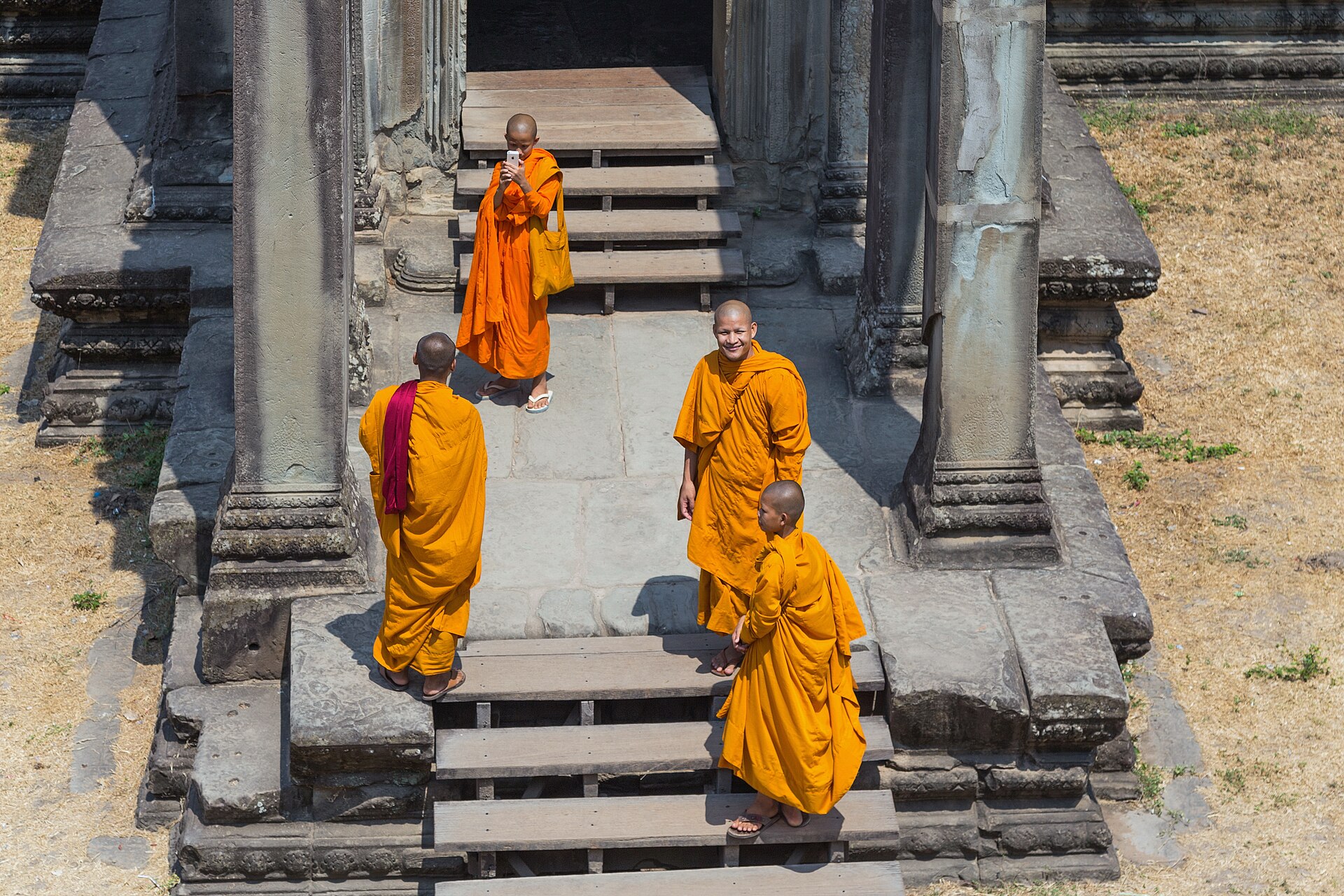
Tak Bat: The morning alms ceremony in Luang Prabang is a sacred ritual, not a show. Watch from a distance, use no flash and dress modestly, covering shoulders and knees completely.
Head and feet: The head is sacred, so never touch a Lao person's head, even a small child's. Feet are the opposite: never point them at people or Buddha statues, and always remove your shoes in temples.
Monks: Women must not touch a monk or hand anything to one directly. To make an offering, place it on the tray provided or pass it through a male intermediary.
Pace: The national motto, "bo pen nyang", means do not worry about it. The bill may take a while and the bus may be an hour late, and getting aggressive will only damage how people see you.
Dress: Laos is conservative and short shorts and crop tops are not welcome away from the water. Even in real heat, wear light covering clothes as a mark of respect for local tradition.
Connectivity #
Mobile: Unitel remains the best choice in 2026 for its coverage, which reaches into the mountains. Buy a SIM at Vientiane airport, where your passport is required for activation.
Internet: 4G is stable in the larger towns, and central Vientiane and Luang Prabang already have 5G. Head into the villages or onto a river route, though, and the signal can vanish for hours or days.
Wi-Fi: Free access exists in almost every guesthouse and café, though speed often disappoints. Do not count on airports, where it is either charged for or needs a local number to authorise.
Apps: Download Maps.me for offline navigation and a translator that supports Lao. The LCR Ticket app is indispensable for train tickets and now accepts foreign cards.
Messaging: All the usual services work without restriction and there is no internet censorship. Video calls only work properly on a good 4G signal, since hotel connections clog up in the evening.
eSIM: If your phone supports it, buy a data package in advance through an international service. It costs more than a local SIM but gets you online the moment you cross the border.
Language: English is understood by guesthouse staff, guides and in tourist restaurants, less so elsewhere. Signage in Luang Prabang and Vientiane is often bilingual; in the provinces it is not.
Phrasebook #
| English | Lao | Pronunciation |
|---|---|---|
| Hello | ສະບາຍດີ | sa-bai-DEE |
| Thank you | ຂອບໃຈ | kop-JAI |
| Thank you very much | ຂອບໃຈຫຼາຍໆ | kop-JAI lai-LAI |
| Yes / No | ແມ່ນ / ບໍ່ | maen / baw |
| Never mind, it's fine | ບໍ່ເປັນຫຍັງ | baw pen NYANG |
| How much is it? | ລາຄາເທົ່າໃດ | la-ka tao-DAI |
| Too expensive | ແພງຫຼາຍ | paeng-LAI |
| Give me a discount | ຫລຸດລາຄາແດ່ | loot la-KA dae |
| Where is the toilet? | ຫ້ອງນ້າຢູ່ໃສ | hong-NAM yoo-SAI |
| Help! | ຊ່ວຍແດ່ | SOO-ai dae |
| Delicious | ແຊບ | saep |
| Not spicy | ເຜັດໜ້ອຍໜຶ່ງ | pet noy-NUNG |
| Water | ນໍ້າ | nam |
| Sticky rice | ເຂົ້າໜຽວ | kao-NYAO |
| Beer | ເບຍ | BEE-a |
| Sorry | ຂໍໂທດ | kaw-TOT |
| I don't understand | ບໍ່ເຂົ້າໃຈ | baw kao-JAI |
| The bill, please | ເກັບເງິນແດ່ | kep NGERN dae |
| Goodbye | ລາກ່ອນ | la-KAWN |
| Beautiful | ງາມ | ngahm |
Good to know #
Consular help: Check before you travel which embassy covers your nationality; several countries handle Laos from Bangkok rather than Vientiane. Save the number, because in a sleepy country like this nothing gets resolved quickly.
Booking transport: The 12Go Asia site is convenient for buses and boats nationwide. It saves you from queueing at bus station counters, where staff speak little English and mistakes get made.
Train tickets: High-speed rail tickets go on sale three days ahead. Use the official site or app so you do not pay agents twice the real fare.
Plugs: Laos uses types A, B and C, so most flat and round pins fit without an adapter, though UK and Australian plugs will need one. Voltage is standard, but rural areas see surges and sudden cuts.
Insurance: Choose a policy with high limits that will pay to fly you out. Any real medical problem here ends with a transfer to Thailand, because local hospitals lack the resources for complex trauma.
Maps: Download the offline area in Maps.me before leaving your hotel. Street names are frequently missing from signs, and locals navigate by temples, markets and the river rather than addresses.