Portugal
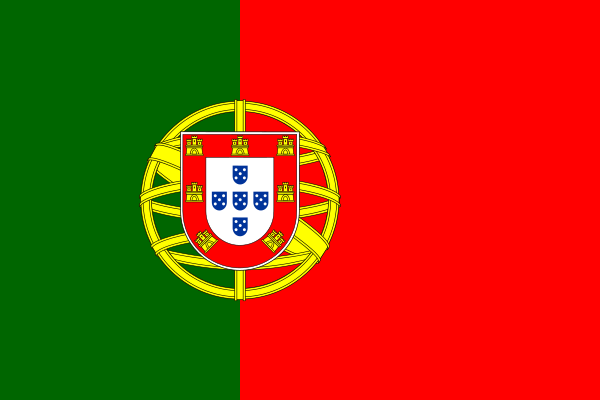
PTThe westernmost country in Europe — where the Atlantic breaks against the cliffs, old trams haul themselves up the hills of Lisbon, and the tavernas serve the freshest seafood alongside port and fado.
Where to go #
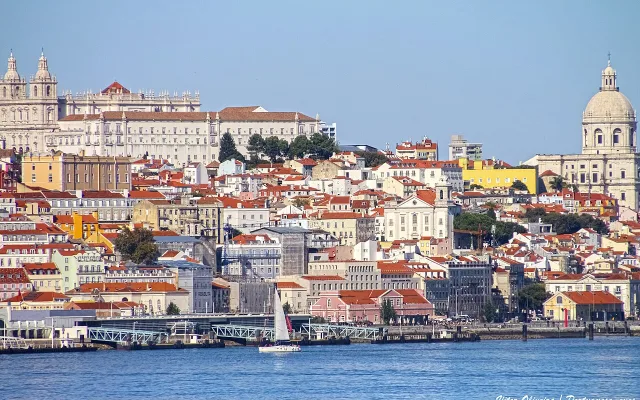
Lisbon
A city on seven hills — tram 28, Belem, fado and pasteis de nata.
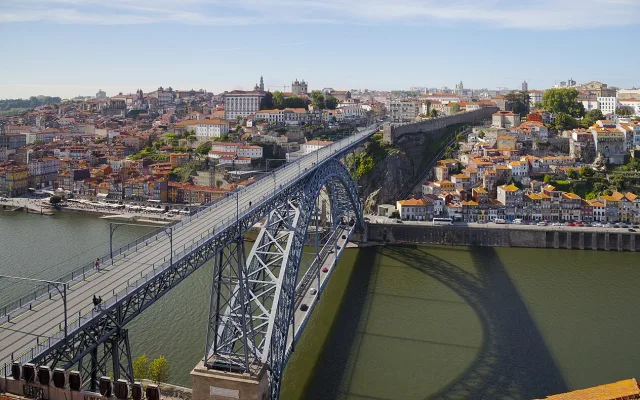
Porto
The city of port wine — the Ribeira waterfront, the Gaia cellars and the Livraria Lello bookshop.
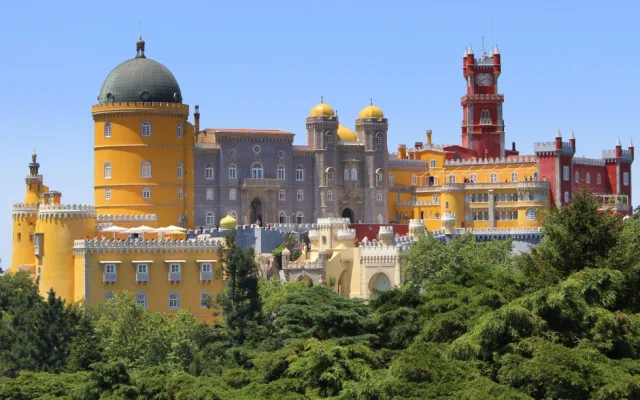
Sintra
Fairytale palaces in the misty mountains of the Serra de Sintra — a romantic UNESCO World Heritage site half an hour from Lisbon.
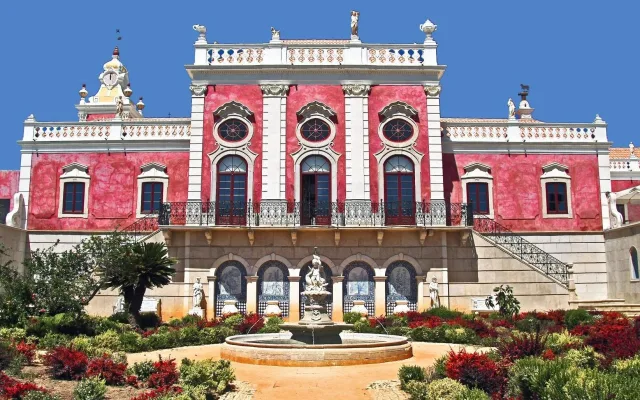
Algarve
Portugal's southern coast, with golden rock arches, turquoise coves and the resort towns of Lagos and Faro.
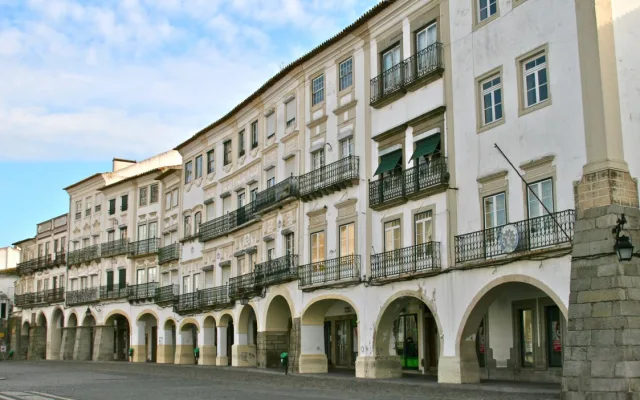
Évora
A well-preserved medieval city in the Alentejo with a Roman temple, a chapel of bones, prehistoric megaliths and cork oak countryside all around.
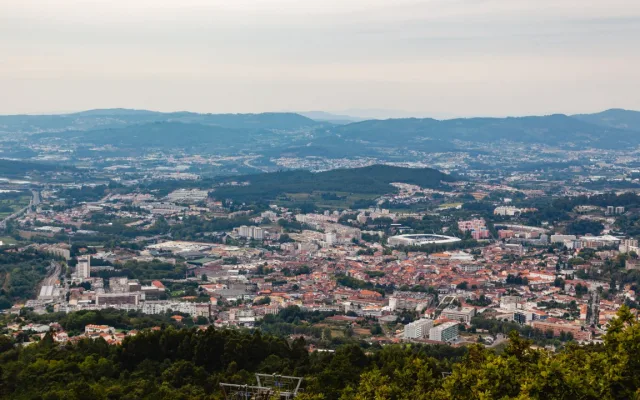
Guimarães
The cradle of Portugal — the city where the nation was born, home to Guimarães Castle, the Palace of the Dukes of Braganza, and atmospheric medieval streets.
What to see #
Jerónimos Monastery: A staggering building in Lisbon, built in the Manueline style on the profits of the spice trade. The cloister alone justifies the queue, so book a slot online.
Pena Palace: The most flamboyant castle in the country, sitting on a peak above Sintra and painted yellow and red precisely to draw the eye. Go early before the coaches arrive.
Douro Valley: Worth a full day to see the terraced vineyards where port has been made for centuries. The train along the river from Porto is one of the best rail journeys in Europe.
Livraria Lello: Porto holds one of the most beautiful bookshops on earth, with a carved staircase that reportedly inspired J. K. Rowling. Buy the timed ticket in advance.
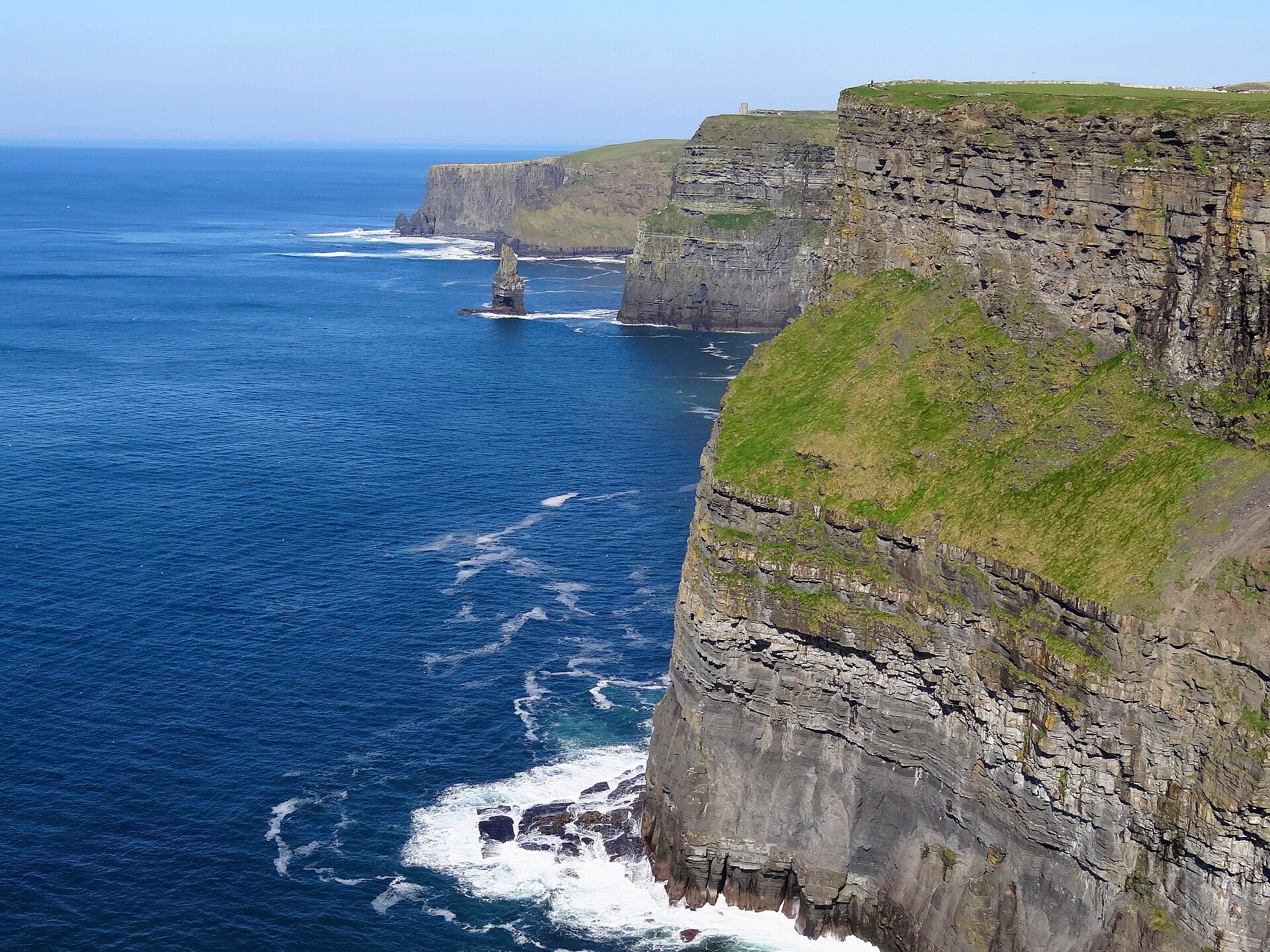
Cabo da Roca: The westernmost point of mainland Europe, where you feel the full weight of the Atlantic standing on a high cliff in a hard salt wind.
Cabo Girão: On Madeira, a glass platform juts out almost 600 metres above the dark ocean below. It is not one for anybody with a fear of heights.
Belém Tower: The old fort on the Tagus that served as the departure point for the great voyages of discovery. Pair it with the monastery, since they are a short walk apart.
Prices #
Currency: Portugal is in the eurozone, so euros are the only currency you need. Prices are quoted in euros everywhere, including on Madeira and the Azores.
Cards: Visa and Mastercard are accepted almost everywhere, with Amex noticeably less so. That said, plenty of small taverns, bakeries and market stalls remain cash-only, so keep some notes for coffee.
ATMs: Look for the Multibanco machines, which are everywhere and generally do not charge on top. Avoid the independent Euronet machines in tourist areas, which offer poor conversion rates.
Tipping: Not obligatory, but rounding up in a tavern or leaving around ten percent for good service is normal. Nobody will chase you for it.
Value: Portugal remains one of the cheapest countries in Western Europe, which is exactly why it works so well for independent travel on a modest budget.
| Item | Price (USD) |
|---|---|
| Prato do dia lunch | 12.00 |
| Restaurant dinner | 22.00 |
| Pastel de nata | 1.30 |
| Espresso (bica) | 0.90 |
| Glass of wine | 3.50 |
| Pint of beer | 4.00 |
| Bottle of wine in a shop | 5.00 |
| Single metro ride | 1.60 |
| Guesthouse per night | 55.00 |
| Pena Palace ticket | 21.00 |
| Litre of petrol | 2.10 |
| Lisbon to Porto train | 38.00 |
| Dorm bed | 20.00 |
| Intercity bus | 17.00 |
| SIM card with data | 15.00 |
Getting around #
Getting there: Lisbon, Porto and Faro all take budget and full-service flights from across Europe, and TAP flies non-stop from New York, Boston, Toronto and São Paulo. Ryanair and easyJet make short-notice trips from the UK and Ireland genuinely cheap.
Trains: CP covers the country and the Alfa Pendular fast service links Lisbon and Porto in around two and a half hours. Book online for the cheaper fare buckets.
Buses: FlixBus and Rede Expressos often undercut the railway and reach the whole coastline plus the remoter beaches. Journeys are comfortable and reliable.
City transport: In Lisbon buy a Viva Viagem card so you are not overpaying on the metro and the funiculars. In Porto the metro partly runs above ground and fares depend on zones, so always validate.
Car hire: On Madeira a car is close to essential, since many viewpoints and levada walks are unreachable otherwise. On the mainland you only really need one for the Alentejo and the interior.
Ride hailing: Uber and Bolt both work well and consistently come out cheaper than hailing a taxi in the street.
Island flights: TAP and SATA connect the mainland with Madeira and the Azores. Book early for the best fares, as they climb sharply in summer.
Where to stay #
What to choose: Independent travellers gravitate to guesthouses in old buildings, where the architecture survives along with high ceilings and plaster mouldings. They usually cost less than a hotel of the same standard.
Hostels: Portugal is famous for having some of the best hostels anywhere, combining genuine cleanliness with communal dinners and locally run tours. They suit solo travellers particularly well.
Guesthouses: Small family-run pensões come in below hotel prices while offering better personal service and proper breakfasts. Book direct where you can.
Where to stay in Lisbon: The centre puts you on the metro, while Alfama immerses you in the old city at the cost of hauling luggage up steps. Decide which matters more to you.
Porto: Ribeira is the loudest district in the city. For quiet, look at the neighbourhoods set back from the Douro waterfront, which are only a short walk in anyway.
Older buildings: Historic centres frequently have no lift. If you are travelling with a heavy case, check before you book, because those staircases are narrow and steep.
Booking: The usual platforms cover Portugal thoroughly. In summer the good places in Lisbon, Porto and the Algarve are gone weeks in advance.
What to eat #
Bacalhau: Salt cod is prepared in hundreds of ways, and the most popular of them all pairs it with potato, onion and egg. Every region claims its own version is the correct one.
Sandwiches: In Porto try the francesinha, a monstrous layered sandwich under a beer-and-tomato sauce. For something quicker anywhere in the country, hunt down a juicy bifana.
Pastéis de nata: The custard tarts from Belém are a required ritual. Crisp pastry and soft cream have never disappointed anyone, and they cost almost nothing.
Seafood: For grilled sardines and a cataplana pan of shellfish, head for the smaller coastal towns rather than the city centres. It is fresher and considerably cheaper.
Drinks: Start the day with an espresso and try ginjinha, the sour cherry liqueur, often served in a cup of dark chocolate. Portuguese table wine is absurdly good value.
Port: Do a tasting in the Gaia cellars to understand the difference between Ruby and Tawny straight from the producer. Most tours run in English several times a day.
Meal times: Many traditional taverns close for the afternoon, so plan lunch before two o'clock. Dinner rarely gets going before eight.
Safety #
Overall: Portugal ranks among the calmest countries in the world, and walking alone late in the evening is entirely comfortable in the cities.
Pickpockets: The main risk is tram 28 in Lisbon and the main railway stations. Keep an eye on your backpack and do not leave a phone on a cafe table.
The Atlantic: The ocean here is treacherous, with strong rips that can carry you out fast. Swim only on beaches with lifeguards on duty and pay attention to the flags.
Street hustles: On the viewpoints people will try to sell you dubious goods. Walk past politely and calmly, and nothing further will happen.
Driving on Madeira: The switchbacks demand total concentration and turn slippery after rain. Take an automatic if you are not confident with a manual on a steep hill start.
Healthcare: The system is good, but without insurance any doctor's visit costs real money. Bring an EHIC or GHIC card if you are eligible, and a policy if you are not.
Police: Officers are generally friendly and speak English, so approach them without hesitation if you need help. Check your own government's travel advisory before you travel.
Etiquette and culture #
Fado: These mournful guitar songs express saudade, the national feeling of longing for something absent. Hear it in a small Alfama house rather than a dinner show.
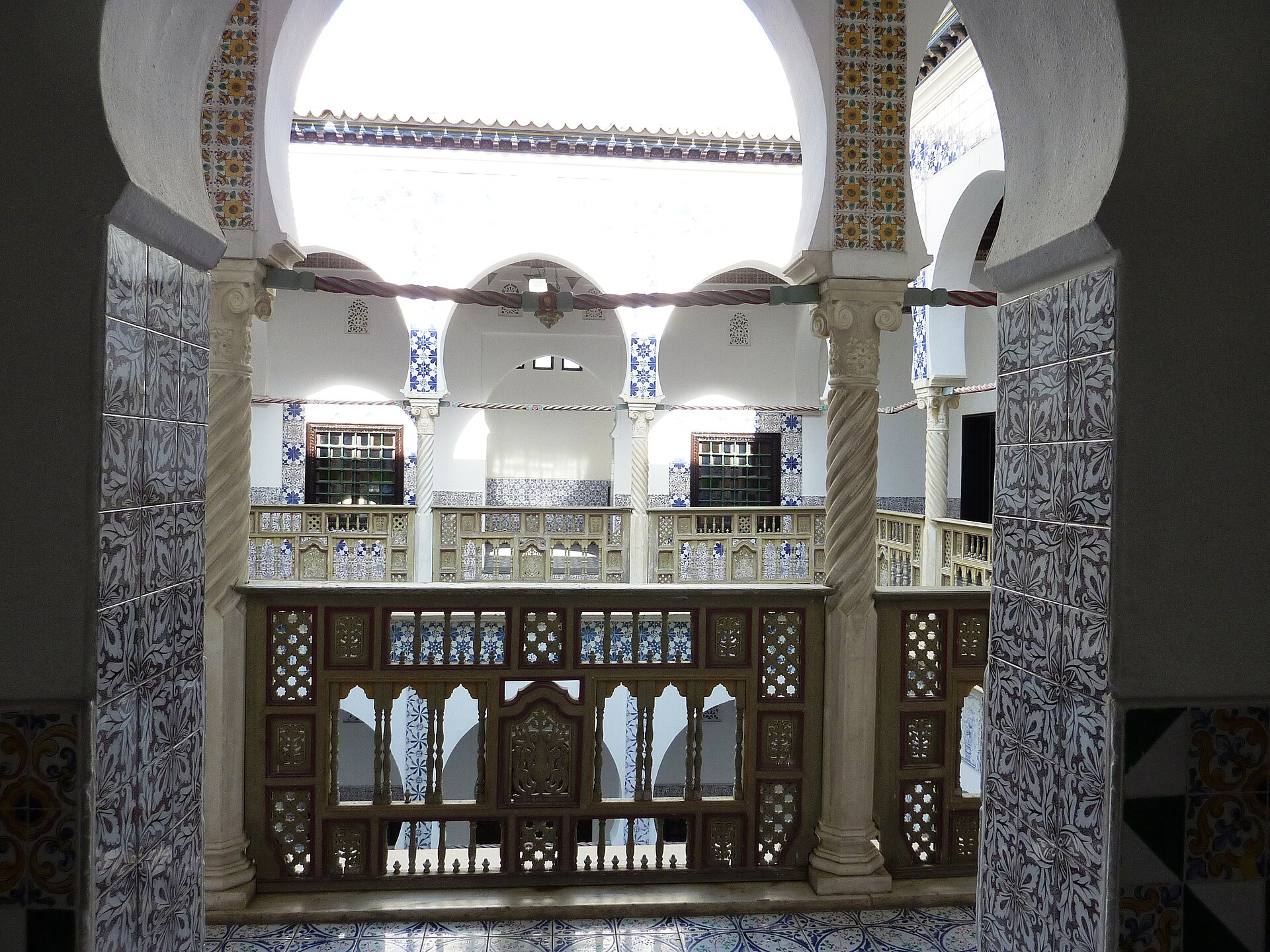
Azulejos: Tiled walls cover churches, houses and metro stations, effectively turning whole streets into open-air museums. São Bento station in Porto is the most famous example.
Festivals: In June the cities become one enormous street party for their patron saints, with dancing and the smell of grilled sardines everywhere.
Coffee: The morning is unthinkable without the ritual in a pastelaria, where locals talk over an espresso and fresh pastry standing at the counter.
Pace: Life moves unhurriedly and Portuguese people value conversation, so do not expect lightning service in a small cafe. Push and you will simply be ignored.
Attitude to visitors: Tourists are welcomed warmly, and a couple of words of Portuguese for a greeting are noticed and appreciated far more than you would expect.
Family: At weekends families gather round enormous tables, and that attachment to roots is felt in every region of the country.
Connectivity #
Language: Spoken Portuguese sounds nothing like Spanish and takes some getting used to. In the cities young people and hospitality staff speak excellent English, and menus and signs are routinely bilingual.
SIM cards: Buy a prepaid MEO or Vodafone card at the airport for cheap and dependable mobile data. Coverage across the mainland is excellent.
eSIM: For a short trip, an international eSIM activated before departure is the simplest option. EU visitors can simply roam at no extra cost.
Apps: Install the CP railway app and Rede Expressos for tickets, which are often discounted online compared with the counter price.
Navigation: Google Maps works very well here, including bus timetables and accurate arrival times for the historic trams.
Wifi: The metro and the large shopping centres offer free access, usually needing nothing more than a simple registration. Cafe wifi is nearly universal.
Phrasebook #
| English | Portuguese | Pronunciation |
|---|---|---|
| Hello | Olá | oh-LAH |
| Thank you (m/f) | Obrigado / Obrigada | oh-bree-GAH-doo |
| Please | Por favor | poor fa-VOR |
| Yes | Sim | seeng |
| No | Não | nowng |
| How much is it? | Quanto custa? | KWAN-too KOOSH-ta |
| The bill, please | A conta, por favor | a KON-ta poor fa-VOR |
| Where is the toilet? | Onde é o WC? | ON-de eh oo veh-SEH |
| Help! | Ajuda! | a-ZHOO-da |
| Sorry | Desculpe | dish-KOOL-peh |
| An espresso | Uma bica | OO-ma BEE-ka |
| It's excellent | Está ótimo | shtah OH-tee-moo |
| Beer | Cerveja | ser-VAY-zha |
| Wine | Vinho | VEE-nyoo |
| Mate (slang) | Pá | pah |
| Cool! (slang) | Fixe! | FEE-sheh |
| Right now | Agora mesmo | a-GO-ra MEZH-moo |
| Goodbye | Adeus | a-DEH-oosh |
| I don't understand | Não entendo | nowng en-TEN-doo |
| Do you speak English? | Fala inglês? | FA-la ing-LESH |
| Left | Esquerda | shKER-da |
| Right | Direita | dee-RAY-ta |
Good to know #
Planning: The visitportugal portal is genuinely useful, as are the carrier sites cp.pt and rede-expressos.pt for timetables and advance fares.
Transport card: The Viva Viagem card works across every mode in Lisbon, including the ferry across the Tagus and the Santa Justa lift.
Flights: Watch for TAP promotions, which frequently produce cheap connections onwards to Madeira and the Azores from the mainland.
Weather: Bring strong sunscreen in summer and a windproof jacket in winter, because coastal rain arrives sideways and without warning.
Sockets: Standard European type C and F plugs at 230 volts. Visitors from the UK and North America need an adapter, nothing more.
Time zone: Portugal runs on London time, an hour behind most of continental Europe. Set your watch back when you fly in from Spain or France.