Slovakia
SKA small country in the middle of Europe with the dramatic Tatras, medieval castles and prices that are surprisingly low for the eurozone. Bratislava is the only capital in the world bordering two other states, Austria and Hungary. The High Tatras are often called the smallest high mountains in the world, offering Alpine scenery without Alpine climbing skills. Slovakia is a fine alternative to neighbouring Austria and the Czech Republic at half the cost.
Where to go #
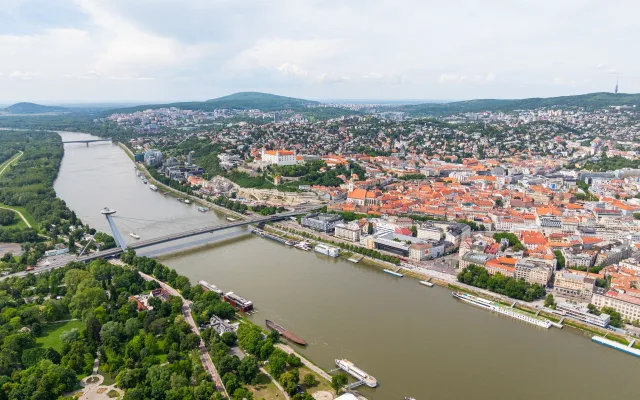
Bratislava
A compact Danube capital with a hilltop castle, a charming old town, and Vienna just an hour away — perfect for a weekend trip.
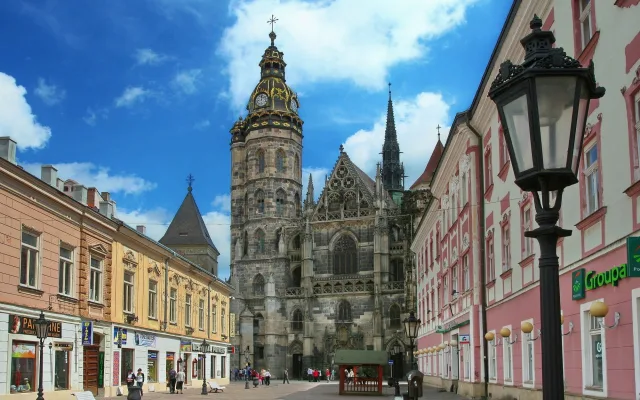
Košice
Slovakia's second-largest city, home to the magnificent Gothic Cathedral of St. Elizabeth and a lively pedestrianised main street.
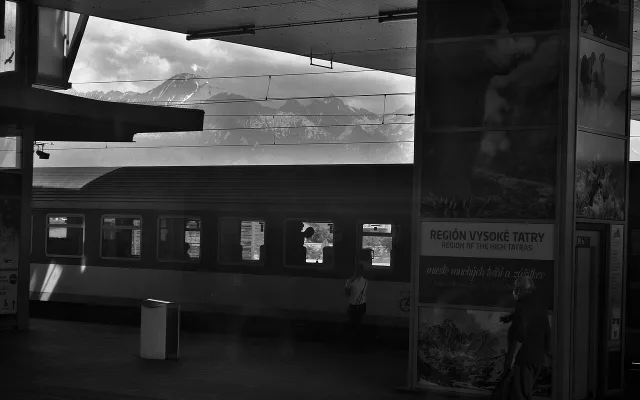
Poprad
The main gateway to the High Tatras — ski resorts, trekking and the AquaCity water park.
What to see #
Spis Castle: The country's great hilltop fortress, and the one ruin everyone should make the effort to reach. The scale of the walls is genuinely impressive, but expect crowds and no cafe inside the grounds. The walk up takes close to an hour, so wear proper shoes.
Bratislava Castle: The white block above the Danube, worth the climb for the free viewing terraces alone. On a clear day you're looking across into neighbouring Austria as well as over the city. Give it about an hour and a half if you want the armoury museum too.
UFO Bridge: The futuristic observation deck with a restaurant on top, and the best place in the capital for photos if you're doing the city in a day. Going up costs money and the restaurant prices are steep. The bird's-eye view over the city and the river makes up for it.
St Martin's Cathedral: The main Gothic church, where monarchs were once crowned. Look up at the spire and find the gilded crown, which weighs 150 kilograms. Inside it's austere and properly medieval, and entry for visitors is normally free.
Devin Castle: Mighty ruins at the meeting of two rivers on the city's edge, easiest to reach on an ordinary city bus. The history stacks up here from the Romans onwards. There are good wineries nearby if you fancy trying the local berry wine afterwards.
Blue Church: The fairytale church of St Elizabeth, endlessly photographed for postcards. It sits slightly out of the centre, roughly on the way to the bus station. The colour and the art nouveau detailing make it stand out sharply against everything around it.
Prices #
Currency: Slovakia uses the euro, and carrying some cash still matters. Small notes are handy for souvenir stalls at Spis Castle and tickets at village museums. Card terminals thin out noticeably once you leave the capital.
Cards: Visa and Mastercard work almost everywhere in cities, in shops, restaurants and ticket offices. American Express is accepted far less often, so don't rely on it as your only card. ATMs are common, though bank-branded machines give better terms than the standalone tourist ones in the old town.
Getting cash: Withdraw from a proper bank ATM and always decline the machine's own currency conversion. Travel cards like Wise or Revolut save you the worst of the fees. If you're arriving from outside the eurozone, exchange rates in town beat the airport by a wide margin.
Tipping: Around 10% is normal in a cafe or restaurant if you liked the service. Most people simply round the bill up when paying the server. In small pubs, leaving a couple of coins on the table is plenty.
| Item | Price (USD) |
|---|---|
| Restaurant lunch | 25.00 |
| Castle ticket | 7.00 |
| Beer in a bar | 5.50 |
| City bus ride | 1.20 |
| Souvenir magnet | 3.50 |
| Coffee to go | 2.50 |
| Train to Poprad | 18.00 |
| Dinner for two | 50.00 |
| Bottle of water | 1.00 |
| Street food | 6.50 |
| Guesthouse night | 45.00 |
| SIM card | 12.00 |
| Taxi across town | 10.00 |
| Museum ticket | 5.00 |
| Cafe dessert | 4.00 |
Getting around #
Trains: The railway is the easiest way to move between towns. Buy tickets in the Ideme vlakom app, which also shows delays as they happen. The trains are clean, run often and connect every major region.
Buses: The bus network reaches tiny villages and remote mountain resorts that trains never touch. Use the CP aggregator to find connections and current timetables. It's the most reliable way to plan a complicated multi-leg route by yourself.
City travel: In Bratislava the IDS BK app sells single tickets. Elsewhere Ubian is useful and lets you watch vehicles moving on a map. Remember to validate paper tickets in the machine the moment you board.
Getting here: Bratislava is unusually well connected by rail, with Vienna and Budapest both around two hours away. Border checks on those routes are usually absent or a formality. That makes the city a sensible hub for a wider Central European trip.
Flights: Most long-haul travellers fly into Vienna, an hour away, rather than Bratislava's own small airport. From North America you'll typically connect through Frankfurt, Amsterdam, London or Munich; from within Europe budget carriers serve both Vienna and Bratislava directly. Summer schedules are much fuller than winter ones.
Airport link: Buses run every hour from Vienna airport to the Slovak capital. The trip takes about 60 minutes and tickets start around 10 euros. It's the standard way independent travellers arrive.
Car hire: A car pays off if you're chasing national parks and castles. Buy the eZnamka electronic motorway sticker through the app before you drive, or you will be fined. Roads are in good shape but city-centre parking is paid.
Where to stay #
Where to stay: In Bratislava, base yourself in the Old Town so the main sights are on your doorstep. You'll save transport time and can stay out late without worrying about getting back. Budget travellers should look at the streets around the main railway station.
Booking: The big international booking sites all work normally here and give the widest choice. Book directly with small guesthouses in the regions, where you'll often get a better rate. Always check reviews for comments about the wi-fi if you need to work.
Guesthouses: Out in the regions, a family-run penzion is both the cheapest and the warmest option. Owners will point you at walks that never make the guidebooks and often throw in a homemade breakfast. It's the quickest way to get a feel for local life.
Check-in: Hotels ask for nothing more than your passport. It's worth checking in advance whether the eHranica online form applies to you, as it's a standard step for arriving foreign nationals. Staff will tell you if anything else is needed.
Old buildings: Historic centre properties frequently have no lift, which matters if you're hauling heavy luggage up four floors. The trade-off is windows looking out over tiled roofs. Heating in winter sometimes runs on a fixed schedule rather than on demand.
Prices: The capital costs noticeably more than Poprad or Kosice for the same standard of room. Book at least a month ahead in peak season. Outside the big cities you can often still find a free room on the day you turn up.
What to eat #
Delivery: If you can't face leaving the room, Bistro.sk covers most towns. The range runs from pizza to proper Slovak specialities and couriers are quick. It's a decent way to try local dishes without hunting for a restaurant.
Restaurants: Modra Hviezda in Bratislava is worth booking for refined cooking, though the bill reflects it. For a cheap lunch, look for places advertising denne menu. That's a fixed soup-plus-main deal at a price that's hard to argue with.
Snacks: There is almost nowhere to eat at the foot of Spis Castle or at other remote sights. Carry water and something to eat so you're not stuck hungry halfway up a hill. The same goes for hiking days in the national parks.
Cafes: Mackafe in Bratislava is a local favourite, complete with resident cats. You can collapse on a sofa with a coffee and a homemade dessert after a long walk. Independent travellers rate it for the atmosphere as much as the food.
Shops: Large supermarkets often close on Sundays and public holidays. Plan your shopping ahead, especially if you've booked an apartment with a kitchen. Local cheeses, cured meats and fresh bakery goods are consistently good and cheap.
Drinks: Try the beer from small independent breweries, or wine from the Devin area. In tourist spots a glass runs to about five euros. In an ordinary neighbourhood bar the same drink costs half that.
Safety #
Getting help: Install the Zachranka app, which sends your exact coordinates to emergency services. That matters enormously if you're somewhere unfamiliar and don't speak the language. The service responds fast and works across the whole country.
Mountains: In the Tatras, use the Horska zachranna sluzba mountain rescue app. Weather at altitude turns in minutes and a direct line to rescuers can save your life. Never take on a hard route alone or without proper kit.
Border checks: Spot checks on documents happen occasionally at the Polish and Czech borders. Keep your passport and insurance easy to reach on intercity buses. It's usually a two-minute business that causes travellers no trouble.
In town: The country is calm overall, but keep an eye on your belongings in busy parts of Bratislava. Petty theft does happen around stations and popular fountains. Don't leave bags or phones unattended on outdoor cafe tables.
Health: Carry proof of travel insurance for your whole stay. Plenty of medicines sold over the counter at home need a local prescription here. Bring a basic kit so you're not hunting for equivalents.
Police: Officers are polite and helpful, but they enforce the rules strictly. If you're driving a hire car, stick to the speed limits, because fines are steep. Never offer money on the spot, which will get you arrested.
Before you go: Check your own government's travel advisory before booking, and note down your embassy's contact details. Slovakia rarely appears on anyone's warning list, but it costs nothing to be prepared.
Etiquette and culture #
Traditions: The bigger castles, Spis especially, regularly host jousting tournaments and festivals. Actors in armour make the whole thing genuinely immersive rather than tacky. It's worth building your trip dates around one if you can.
Rules: Some shops and government offices may still ask you to wear a face mask. Keep one in your bag so you don't get pulled up on it. Slovaks value following the posted rules and keeping noise down in public.
Etiquette: Greet the staff when you walk into a small shop or a guesthouse. Do that and you'll get warmth and help with whatever you need in return. People here are reserved at first but will always stop to give directions.
Nights out: The national theatre expects a certain standard of dress. Trainers and sportswear will look wrong, so pack something smarter if you plan to go. Book tickets for popular productions online well ahead.
Holidays: On national holidays, cities more or less shut down. Most museums and shops close and public transport thins out. The compensation is the folk celebrations and craft fairs that fill the main squares.
Language: English is widely spoken by younger Slovaks and by anyone working in tourism, so you'll get by easily in Bratislava and the ski resorts. In small towns it's patchier and older people may speak German rather than English. A couple of Slovak phrases go a long way out in the regions.
Connectivity #
Data: A travel eSIM from Airalo, Yesim or a similar provider is the least hassle. You're online the moment you cross the border, with no hunting for a phone shop. Any recent smartphone supports it and you pay online before you fly.
Local SIMs: Slovak SIM cards are sold in newsagents and phone shops but require passport registration. If you're staying more than a couple of weeks, a local prepaid plan works out cheaper than roaming. EU residents can simply use their home plan under roaming rules.
Maps: Install Mapy.cz and download the offline map of your region before you go. It's the best tool for walking in the mountains, where signal regularly disappears. Every marked trail, spring and rest spot is on it.
Navigation: Google Maps handles cities and public transport well enough. For serious Tatras routes, rely on the dedicated hiking apps instead. Always check opening hours before you set off for a sight.
Translation: Download the Slovak language pack in your translation app before arriving. It helps with signs and menus in smaller towns that aren't duplicated in English. The camera translation feature saves real time in restaurants.
Wi-fi: Hotels and chain cafes almost all have free wi-fi, though speeds can be poor. For calls home or working, your own data allowance is more dependable. Public networks in stations are best avoided for anything sensitive.
Phrasebook #
| English | Slovak | Pronunciation |
|---|---|---|
| Hi | Ahoj | AH-hoy |
| Good day | Dobrý deň | DOH-bree dyen |
| Thank you | Ďakujem | DYAH-koo-yem |
| Please | Prosím | PROH-seem |
| Yes | Áno | AH-no |
| No | Nie | nyeh |
| Sorry | Prepáčte | PREH-pahch-teh |
| How are you? | Ako sa máš? | AH-ko sah mahsh |
| How much is it? | Koľko to stojí? | KOL-ko toh STOH-yee |
| Where is the station? | Kde je stanica? | k-deh yeh STAH-nee-tsa |
| Beer | Pivo | PEE-voh |
| Help | Pomoc | POH-mots |
| The bill, please | Účet, prosím | OO-chet PROH-seem |
| Fork | Vidlička | VID-leech-ka |
| Good | Dobre | DOH-breh |
| Bad | Zle | zleh |
| Awesome (slang) | Pecka | PETS-ka |
| Mate (slang) | Kamo | KAH-mo |
| Let's go (slang) | Poďme | POD-meh |
| Food | Jedlo | YED-lo |
| Water | Voda | VOH-da |
| Goodbye | Dovidenia | doh-VEE-den-ya |
Good to know #
Second-hand shopping: Vinted is hugely popular here for cheap clothes and accessories. It's a good way to replace something you forgot to pack or find an unusual souvenir for very little. The interface is simple and local listings are plentiful.
Price checks: Heureka compares prices across Slovak online shops. Use it before buying electronics or brand-name clothing so you don't overpay. It also carries genuine customer reviews.
Parcels: If you need to post excess luggage home or receive an order, look for Packeta pickup points. The network covers the whole country, including small villages. Sending something through the app takes a couple of minutes and costs very little.
Events: The GoSlovakia guide lists which festivals and markets are running right now. It publishes ready-made walking routes and tips from residents. It's the best source for things to do that aren't in every guidebook.
Parking: In the capital, pay for street parking through the official PAAS system. That spares you the fines and the hunt for a working meter. You pick your zone in the app and set how long you're staying.
Trip planning: The official Slovakia Travel app has detailed write-ups of every national park. It's indispensable for planning harder Tatras routes and tracking down castles. Download the sections you need and it all works offline.