
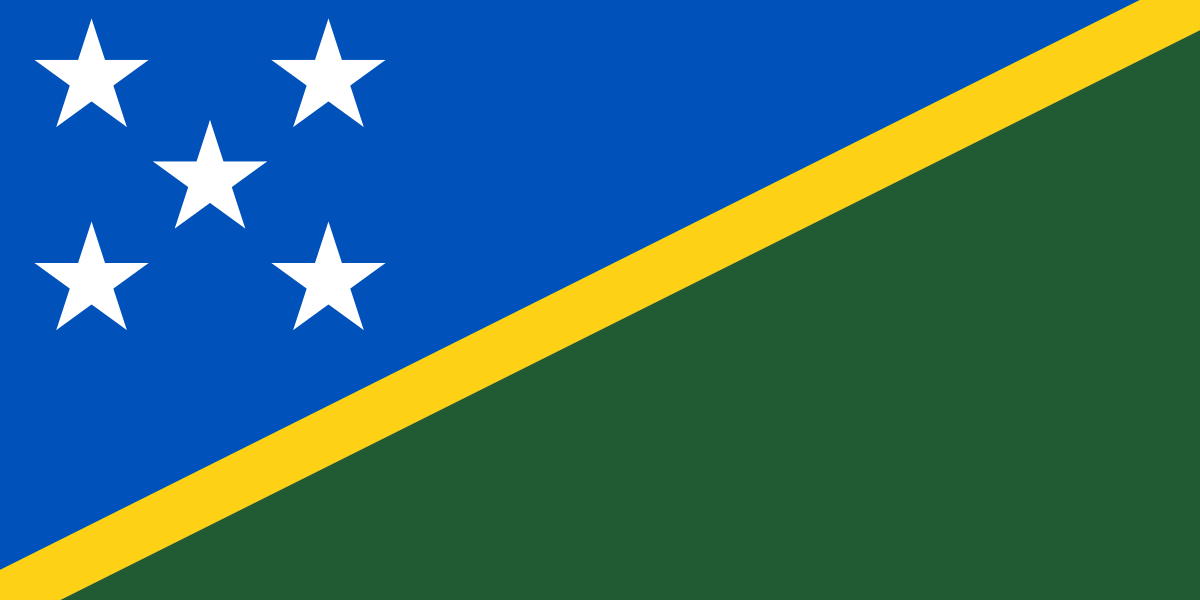
An archipelago of almost a thousand islands in the South Pacific — one of the last genuinely untouched places on the planet. Sunken ships from the Second World War, pristine coral reefs, active volcanoes and traditional Melanesian villages. The Solomon Islands mean world-class diving, the history of the battle for Guadalcanal and island life a long way from anywhere.
Where to go
#Honiara
The capital sits on Guadalcanal, and life revolves around the Central Market and Mendana Avenue. Give it a couple of days to take in the National Museum and climb to the American Memorial for the best view over the ocean. It's dusty and chaotic, but it's also an honest picture of modern Melanesian life.
Gizo
The main tourist hub of the Western Province, ringed by turquoise lagoons and scatterings of tiny islands. Worth a trip for the waterfront market and the snorkelling on the reefs just offshore. The town is so compact you can walk it in an hour with the sea breeze behind you.
Munda
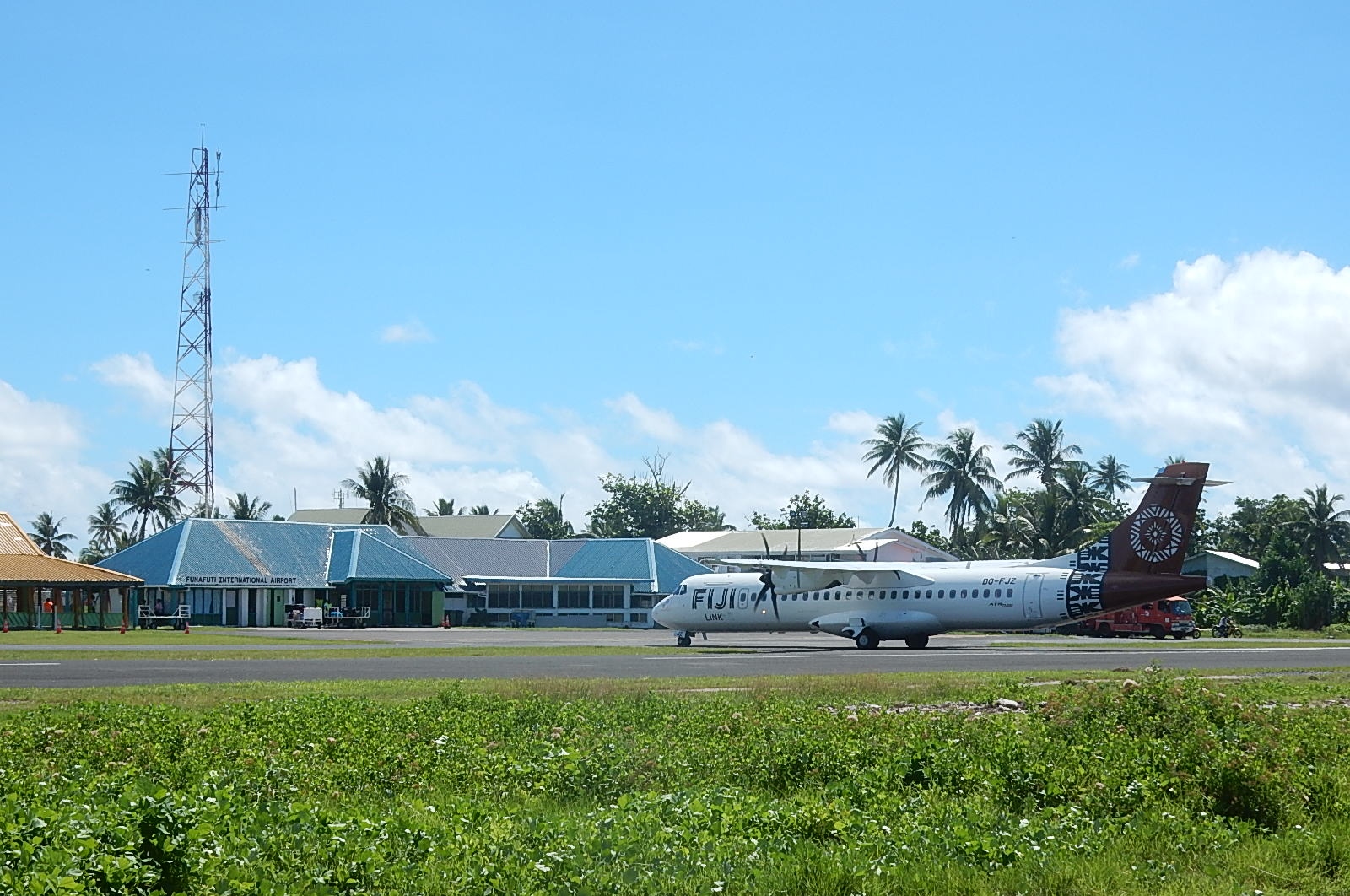
This settlement on New Georgia draws history-minded travellers with its old airstrips and wartime relics. If you want somewhere unpolished, this is it: sunken aircraft in clear water and rainforest walks straight from town. Munda has its own airport, which makes getting here from the capital straightforward.
Tulagi
A tiny island and the former capital of the archipelago, still marked by the colonial era and the Japanese occupation. What to see on a day trip from Honiara: ruined old buildings and famous dive sites right off the shoreline. With no cars and almost no noise, it feels like a paradise someone walked away from.
Auki
The busy administrative centre of Malaita Province, connected to the main port by regular passenger ferries. It's interesting for its distinct culture and for the artificial coral islands in the Langa Langa Lagoon nearby. This is where to go for a proper immersion in local tribal traditions.
Kirakira
A quiet coastal town on Makira, lost among thick rainforest and coconut groves. Here you get the genuine unhurried rhythm of island life with no tourist gloss whatsoever. It's one of the most remote places in the country and a solo traveller can feel like a genuine explorer.
What to see
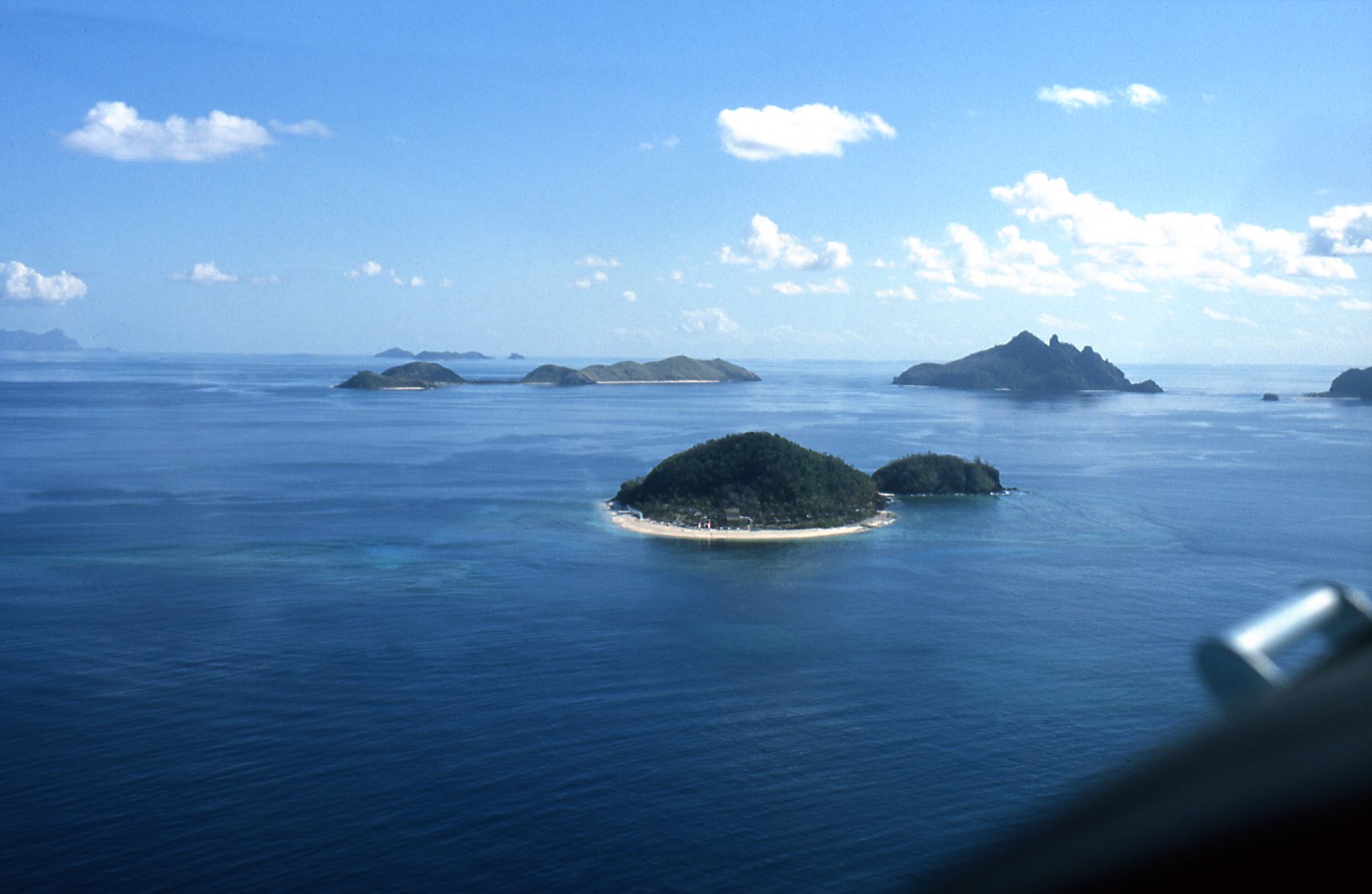
#Marovo Lagoon: Reckoned to be one of the largest saltwater lagoons in the world and unmissable if you care about wild places. Hundreds of islets and untouched coral gardens can be explored by boat in a day. Local carvers are famous, and their woodwork makes the best souvenir you'll find anywhere here.
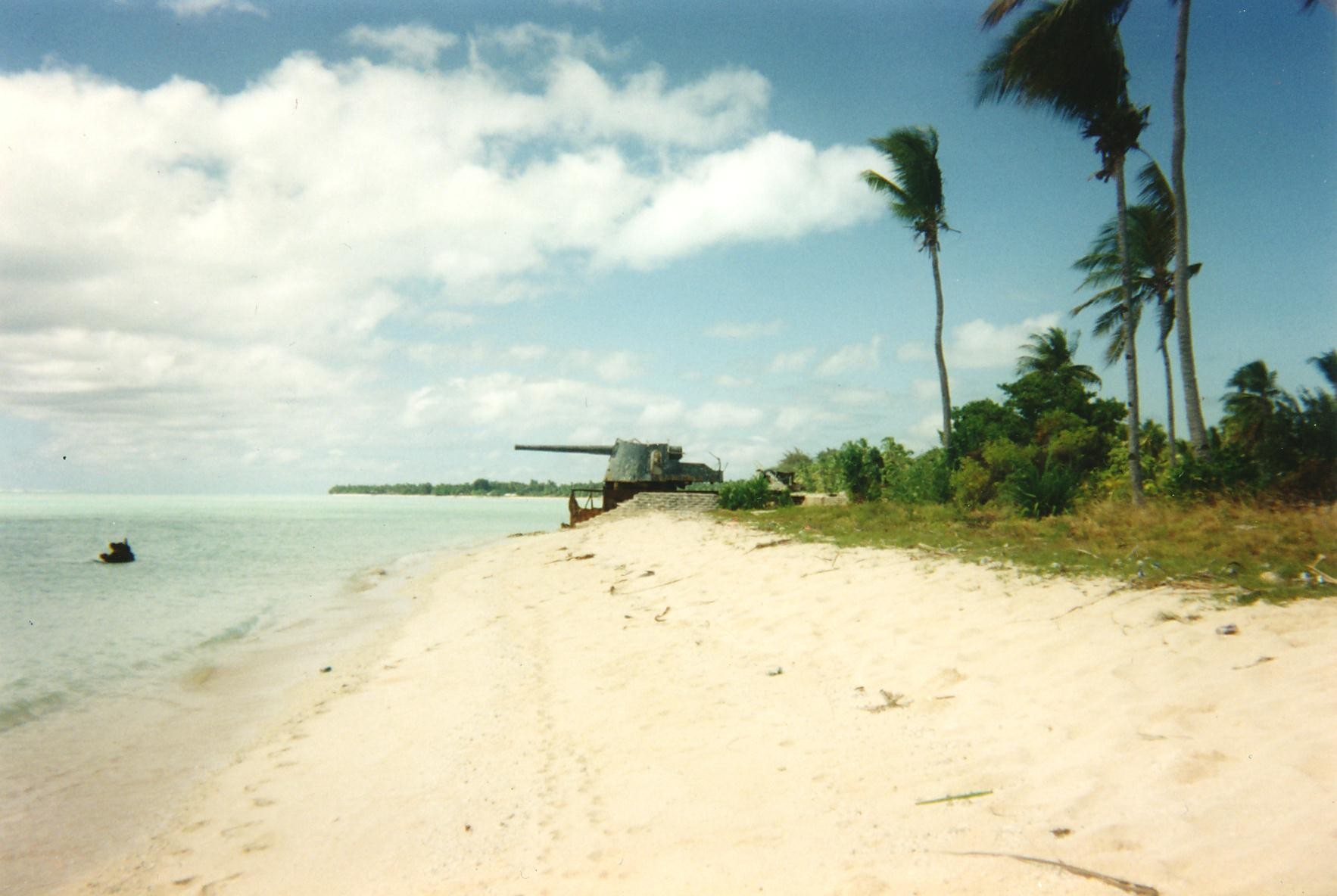
Wreck diving: Iron Bottom Sound holds a graveyard of Second World War ships and aircraft. Come for dives on the Japanese transport Hirokawa Maru or the American destroyer Aaron Ward. Many of them lie shallow, which puts them within reach of divers with a standard open-water certificate.
War history: The American Memorial on Skyline Ridge is the best thing to see in Honiara if you want to grasp the scale of the battle for Guadalcanal. The terrace looks out over the city, Henderson airport and the strait. It's a sacred place for locals, so keep quiet and keep it tidy.
Village visits: A trip to Hotomai village gets you traditional dancing and the intricate business of weaving coconut fibre. It's a good way into Melanesian daily life and a chance to eat food cooked in an earth oven. The welcome from the elders and the conversation are what make it stick.
Wild country: Tenaru Falls in the Guadalcanal jungle needs decent fitness and shoes you're happy to wade streams in. A local guide gets you there easily, and swimming in the cool pool at the bottom is the reward. The forest feels primeval and the noise of the water blots out everything else.
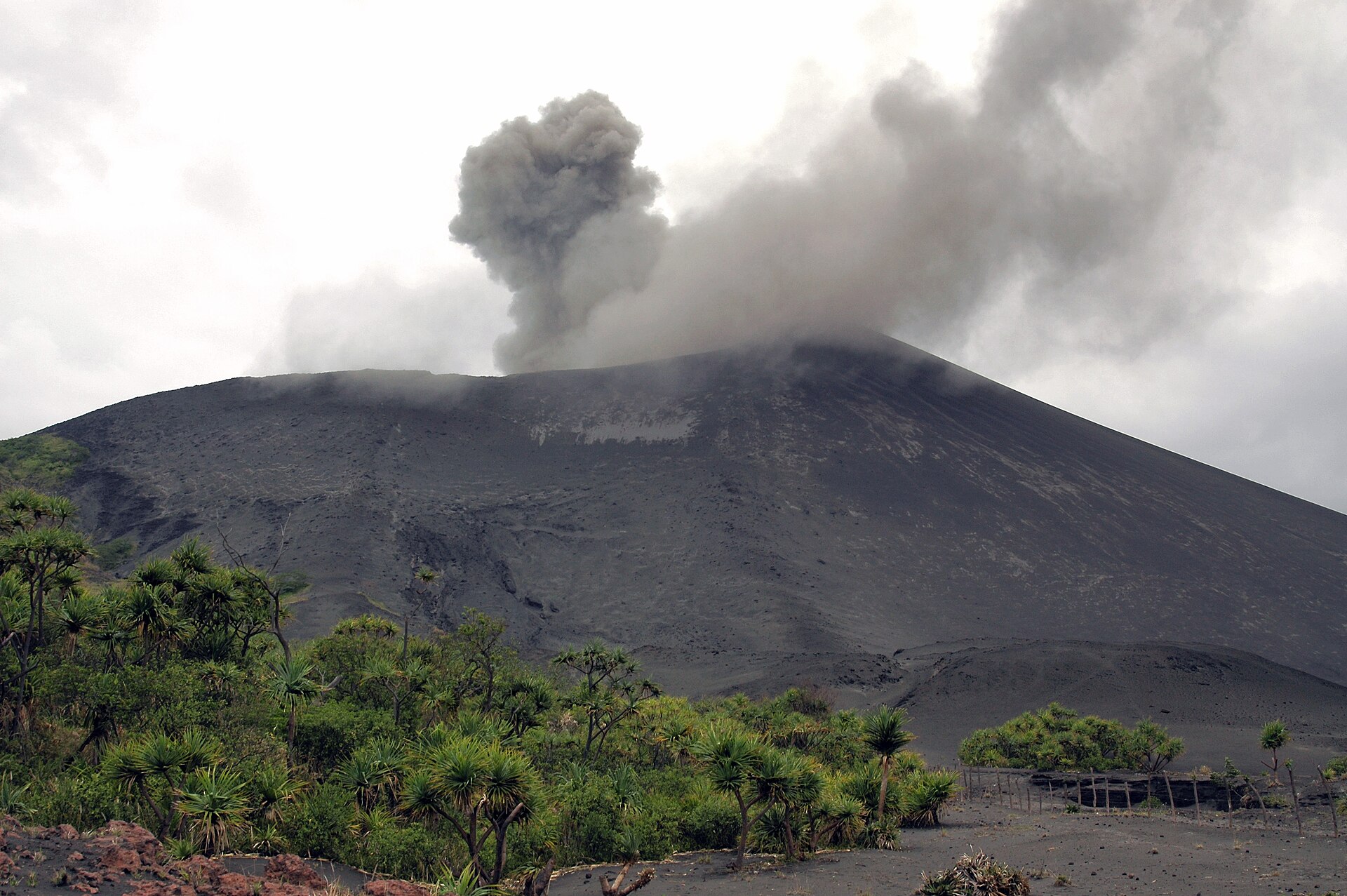
Volcanic island: Savo pulls travellers in with hot springs and its odd megapode birds. The boat from Honiara takes about an hour and you get to watch the birds burying their eggs in warm volcanic sand. It's often oversold on comfort, but the ecosystem alone justifies the trip.
Prices
#Currency: The Solomon Islands dollar (SBD) is the local currency, running at roughly 8 to the US dollar in 2026. Cash is the only dependable way to pay across most of the archipelago.
Cards: Cards are taken reluctantly, essentially at a couple of large Honiara hotels and one Japanese restaurant. Bring US or Australian dollars in cash and change them at the airport or a bank branch on arrival.
ATMs: ANZ and BSP machines exist only in the capital, and they're often empty or refuse foreign cards. On the outer islands withdrawing money is simply not possible, so budget with a margin for delays.
Tipping: Tipping isn't part of the culture and can come across as an odd gesture. Haggling at markets isn't done either — the price a seller names is considered the fair price for everyone.
| Item | Price (USD) |
|---|---|
| Lunch at a simple cafe | 12 |
| Dinner for two | 48 |
| Market snack | 4 |
| 1.5l bottle of water | 2 |
| Local beer in a bar | 5 |
| Night in a basic guesthouse | 75 |
| Waterfront hotel room | 170 |
| Taxi across the centre | 8 |
| Minibus fare | 0.4 |
| Litre of petrol | 1.1 |
| 4WD hire per day | 82 |
| Single shore dive | 115 |
| Private beach entry | 3 |
| War museum ticket | 19 |
| SIM with data bundle | 15 |
Getting around
#City minibuses: Minibuses run around the capital for about 3 Solomon dollars a ride. They get packed, the air inside is thick and the music is loud, but nothing else moves you around town so cheaply.
Taxis: Flag one down on the street; meters are basically nonexistent. Agree the fare before you get in — the going rate around Honiara is roughly 10 Solomon dollars per kilometre.
Domestic flights: Solomon Airlines is the only domestic carrier and serves around 20 destinations. The small aircraft are very weather-sensitive and cancellations are routine, so always keep a spare day in your schedule.
Ferries: Passenger boats and ferries link the capital with Auki, Tulagi and Gizo. It's slow but full of character, and tickets are best bought at the port the day before departure.
Car hire: For exploring Guadalcanal, take a 4WD, because the tarmac runs out not far past the city limits. Driving is on the left, and rush hour around the market can be surprisingly grim.
Small boats: People move between the smaller islands by motorised canoe, paying for a seat. You can charter privately, but it's expensive: fuel is scarce out here and costs a fortune to ship in.
Getting to the country: International flights into Honiara come mainly via Brisbane, Port Moresby, Nadi and Vanuatu. Most visitors from Europe or North America route through an Australian or Fijian hub, so allow a full day either side for connections.
Where to stay
#In the capital: Honiara offers a couple of large waterfront hotels and a handful of budget guesthouses up on the hills. Book several weeks ahead, especially if you're travelling in the dry season from May to October.
Guesthouses: This is the standard and most affordable option for independent travellers on the outer islands. Rooms are very plain with basic furniture, but hospitable owners will arrange home-cooked meals and boat trips for a small extra charge.
Eco-lodges: Community-run lodges built from local materials operate in the remoter areas. Staying at one lets you disconnect entirely, provided you accept that comfort and service will be minimal.
How to book: The big international booking sites only cover properties in the capital. For anywhere in the provinces you'll be emailing owners directly or messaging them through social media pages.
What to expect: Power cuts are frequent and hot water is rare in budget places. Air conditioning is uncommon; usually there's a ceiling fan, which does a reasonable job against the humidity.
Dive resorts: The specialist dive bases in Marovo Lagoon sell packages with diving included. They're the most expensive rooms in the country, but they guarantee access to the best sites and professionally maintained gear.
What to eat
#The basics: Fish and seafood are always straight out of the water and cooked simply, over coals or braised in coconut milk. Tuna, lobster and crab are cheap at the markets, so eating well on a small budget is genuinely doable.
Sides: Instead of bread you'll get boiled cassava, taro or sweet yam. The traditional method is baking everything in a motu earth oven, which gives dishes a smoky edge and keeps the juices in.
Betel nut: Betel chewing is everywhere and leaves red stains on pavements and walls. Don't try it yourself: it produces a strange head, stains your teeth badly and can upset your stomach.
Fruit: Markets sell papaya, pineapple, bananas and coconuts in quantity all year round. Order the fresh juices in Honiara's cafes, which beat anything imported in a plastic bottle.
Where to eat: The capital has decent Chinese and Japanese restaurants plus Australian-style coffee shops doing good breakfasts. The cheapest food comes from the stalls along the waterfront, where a plate of fried fish and rice costs almost nothing.
Coconut crab: This rare delicacy is legally protected but still appears on some menus. The meat has an unusual sweet, nutty flavour, which comes from a diet of nothing but fallen coconut flesh.
Safety
#In town: Stay alert in the capital, particularly after dark near the markets and the port. Don't wave expensive phones around or carry large amounts of cash where it can be seen.
Natural hazards: The islands sit in a seismically active zone and small tremors happen regularly. Note the tsunami evacuation signs and ask hotel staff where the nearest high ground is before you need to know.
Crocodiles: Saltwater crocodiles live in the rivers and coastal mangroves. Never swim in fresh water you don't know, and always ask locals whether a stretch of shore is safe to enter.
Disease: Malaria risk persists across all the islands, so repellent and a mosquito net are genuinely necessary. Dengue also circulates, which means protecting yourself from bites during the day as well.
Sun: So close to the equator you can burn through cloud in minutes. Use high-factor sunscreen, wear a hat and drink bottled water steadily to stay ahead of dehydration.
In the water: Watch for sea urchins and broken coral when swimming over reef. Reef shoes are worth packing, because the bottom is jagged at low tide and coral cuts take a very long time to heal in this climate.
Advisories: Read your own government's travel advice before you book, and note down where your nearest embassy or high commission sits, since few countries have representation here.
Etiquette and culture
#Kastom law: Traditional life rests on communal ownership of land and resources. Nearly every beach, waterfall and path belongs to someone, so be ready to pay the owner a small fee for access.
Sunday: Christianity runs deep here and Sunday is treated as a day of quiet. Towns go still, transport stops running and visitors are strongly advised to dress modestly and keep covered.
Languages: Over 70 local languages and dialects are officially recognised across the archipelago. Solomon Islands Pijin is the shared language, sounds like simplified English, and will get you talking to people in any province.
Shell money: Strings of red shells are still used in ceremonies and in bride price. This shell money holds real value and is passed down through generations in prominent families.
Photography: Always ask politely before photographing anyone, and especially before photographing children. In some cultural villages there's a formal fee for filming ceremonies or dances, which goes to the community fund.
Attitudes: Melanesians are usually very open and warm towards guests who show respect for their traditions. Don't be surprised if people assume you work for an aid organisation, since independent travellers are still a rarity.
Connectivity
#Mobile: Two operators dominate, Our Telekom and bmobile, with broadly similar tariffs. You can buy a SIM at the airport or in central Honiara, but expect slow service and bring your passport.
Internet: 3G and 4G work reliably only in the capital and near larger settlements. Signal can disappear entirely once you head into the provinces, so download maps and save guides' contact numbers to your phone in advance.
Off-grid: Many remote islands have no internet at all, which makes for an enforced digital detox. Wi-fi in guesthouses is a real rarity, and even at expensive hotels in the capital it can be slow and intermittent.
Apps: Use offline maps such as Maps.me for navigation, since other services frequently show roads that don't exist. WhatsApp is the main tool for talking to locals and booking boats.
eSIMs and roaming: International roaming here is punishingly expensive and eSIM coverage is limited. A local prepaid SIM with a few gigabytes of data is by far the most sensible option for an independent traveller.
Power: You'll need adapters for British-style three-pin sockets. In rural areas electricity often runs for only a few hours in the evening off a diesel generator, so carry a large power bank.
Phrasebook
#| English | Pijin | Pronunciation |
|---|---|---|
| Hello | Halo | HAH-lo |
| How are you? | Hao iu? | HOW yoo |
| I'm fine | Oraet | oh-RIGHT |
| Thank you very much | Tanggio tumas | TANG-yo too-MAHS |
| Please | Plis | plees |
| Yes / No | Yes / No | yes / no |
| How much is it? | Hao mas? | HOW mahs |
| That's too expensive | Hem dia tumas | hem DEE-ah too-MAHS |
| I want to buy this | Mi laekem baem | mee LIKE-em BUY-em |
| Where is the toilet? | Toilet hem wea? | TOY-let hem WEH-ah |
| Food / to eat | Kaikai | kai-KAI |
| Water | Wata | WAH-tah |
| Foreigner (slang) | Waetman | WHITE-man |
| Very beautiful | Naesfala tumas | NICE-fah-lah too-MAHS |
| Help me | Helpem mi | HEL-pem mee |
| Sorry | Sore | SOR-reh |
| Friend | Fren | fren |
| Let's go | Go | go |
| Boat / canoe | Bot / Kenu | boht / KEH-noo |
| I don't understand | Mi no savve | mee no SAH-veh |
| Small / a little | Smol | smol |
| Goodbye | Lukim iu | LOO-kim yoo |
Good to know
#What to pack: Bring sturdy trainers for the walk to the waterfalls and reef shoes for getting into the ocean. A full medical kit including antibiotics and treatment for stomach bugs should be top of the list.
Customs: Border control at Henderson airport is extremely strict about food imports. Don't attempt to bring in fresh fruit, vegetables or cured meat — it will be confiscated and destroyed, and you may be fined.
Drinking water: Tap water is unsafe and shouldn't even be used for brushing teeth in budget guesthouses. Buy sealed bottled water or carry a proper backcountry filter.
Clothing: The humidity is extreme, so pack light natural fabrics. Keep a sarong or a light shirt with you for village and church visits, to cover shoulders and knees out of respect.
Souvenirs: Beyond the famous carvings, look at pearl jewellery and woven bags. The fairest prices for handicrafts are at Honiara's central market first thing in the morning, when the most sellers are out.
Embassies: Diplomatic representation on the islands is thin, and many countries cover the Solomons from their mission in Australia or Papua New Guinea. Note the right contact details before you travel, because a lost passport means dealing with an office in another country.
Frequently asked questions
#Entry rules depend on your passport, and many Western nationals get a visitor permit on arrival for short stays. Check your own country's requirements with the immigration department in Honiara well before you fly, as anything requiring pre-approval can take weeks.
The Solomon Islands dollar is the official currency, and cards are only taken at a couple of hotels and one restaurant in the capital. You will need cash for essentially everything, changed at the airport or a bank on arrival.
The country is broadly safe if you follow the basics and avoid walking around Honiara alone at night. The bigger risks aren't people but tropical disease, fierce sun and the crocodiles that live in some rivers.
The dry season from May to October is the pick, when the sea is calmest and clearest. Underwater visibility can reach forty metres then, which is ideal for the wrecked ships and aircraft.
The realistic minimum for an independent traveller is 80 to 100 US dollars a day, staying in guesthouses and eating at markets. The country is expensive because moving between islands costs so much and almost everything is imported.
The main options are domestic flights with Solomon Airlines or passenger boats from the capital's port. Within a single province, hiring a place on a motorised canoe is usually the practical way to island-hop.
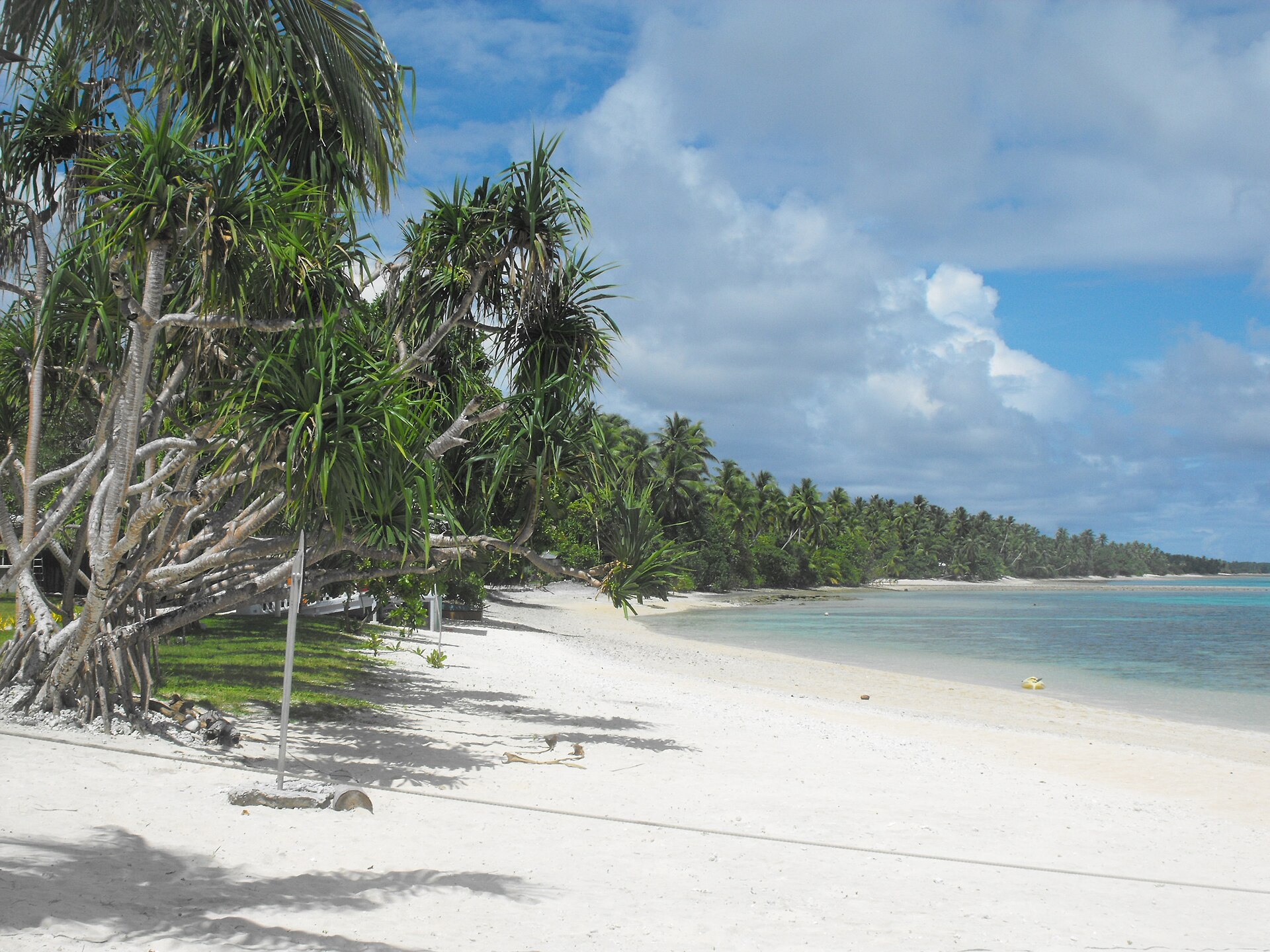
The archipelago suits history buffs, divers and adventurous travellers far more than anyone after a straightforward beach break. Many shores are covered in broken coral, and reaching the genuinely beautiful beaches often means paying the landowner.
Strong mosquito repellent, reef shoes and a British-style plug adapter are the essentials. Bring a stock of cash and a personal medical kit with everything you might need, since pharmacies outside the capital stock very little.
Yes, but with restrictions. Registration is mandatory for a drone of any weight. Registration or authorisation is required before flying. Rules for other countries are in the drone ranking by country.
Updated
The data on this page goes out of date. Visa rules and permitted stays, border requirements, prices and budgets, transport and local conditions all change fast, and we do not re-check every page every day. We show the date of our last check where we have one, but before you travel, verify with official sources: the country’s consulate, its immigration service, its e-visa portal and your carrier.