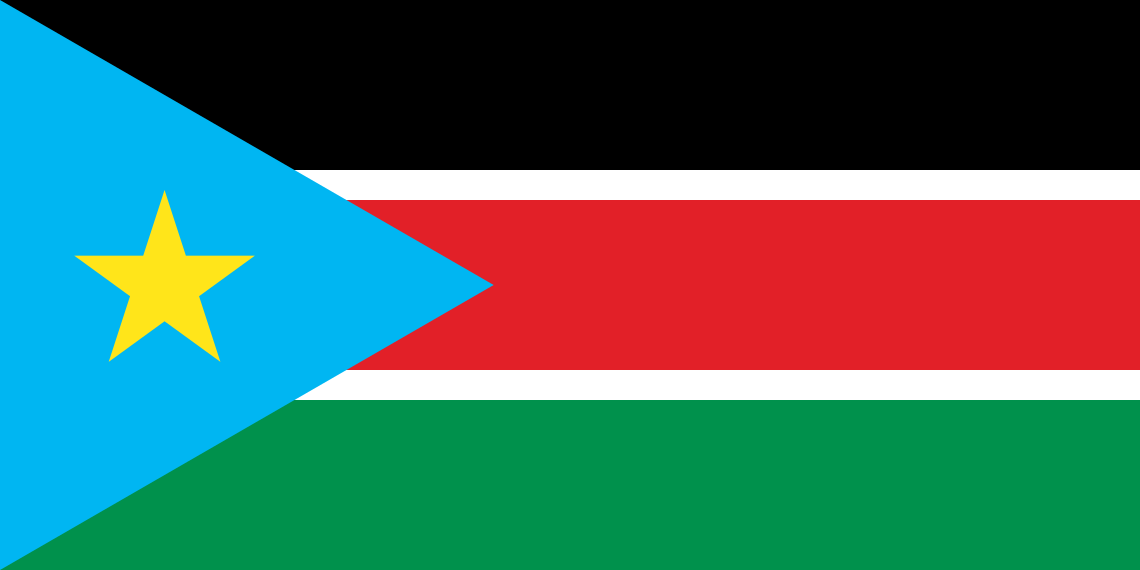
South Sudan
The world's youngest state, independent since 2011. South Sudan is endless savannah, the Sudd wetlands with their singular wildlife and the cultures of dozens of African peoples. The country remains deeply unstable and dangerous: governments worldwide advise against travel here. This is a destination strictly for experienced travellers with serious preparation and a tolerance for extreme conditions.
Where to go
#Juba
The capital and main hub sits on the White Nile, and a day here covers the market and the memorials. It's chaotic and dusty, but this is where all the services a traveller needs are concentrated. Evenings in the riverside cafes, watching the great river slide past, are the best part of it.
Bor
Worth a trip for the feel of the real Nile and an introduction to Dinka culture. The town is the launching point for boat routes into the Sudd wetlands, if you can come to an arrangement with the boatmen. It has rebuilt itself since the war and looks livelier than most provincial centres.
Wau
This north-western town is considered relatively calm and comfortable by local standards. The thing to see is the huge Catholic cathedral rising above the low-rise streets around it. A different cultural influence is obvious here, and so is the slower pace.
Malakal
Where to go for the historic character of the Upper Nile, security situation permitting. It was always a significant trading centre and now leans heavily on humanitarian operations. For an independent visit it's the hardest and least predictable destination in the country.
Nimule
The border post, where in a day you can see the Fula falls and step into the national park. This is the main overland gateway for anyone arriving by bus from Uganda. It's known for the views over the rapids and how close the wildlife is.
Terekeka
A small town north of the capital that draws visitors because of the Mundari cattle camps nearby. There's no architecture to speak of, but the trade and the herders' life going on around you is the point. It's the best place to start engaging with traditional life without going through a big agency.
What to see
#The Sudd wetlands: An enormous freshwater system worth seeing for the crocodiles and the rare birds. Getting there independently is hard and means finding a private boat in Bor or Juba. It's genuinely wild country with no roads, and navigation depends on the level of the Nile.
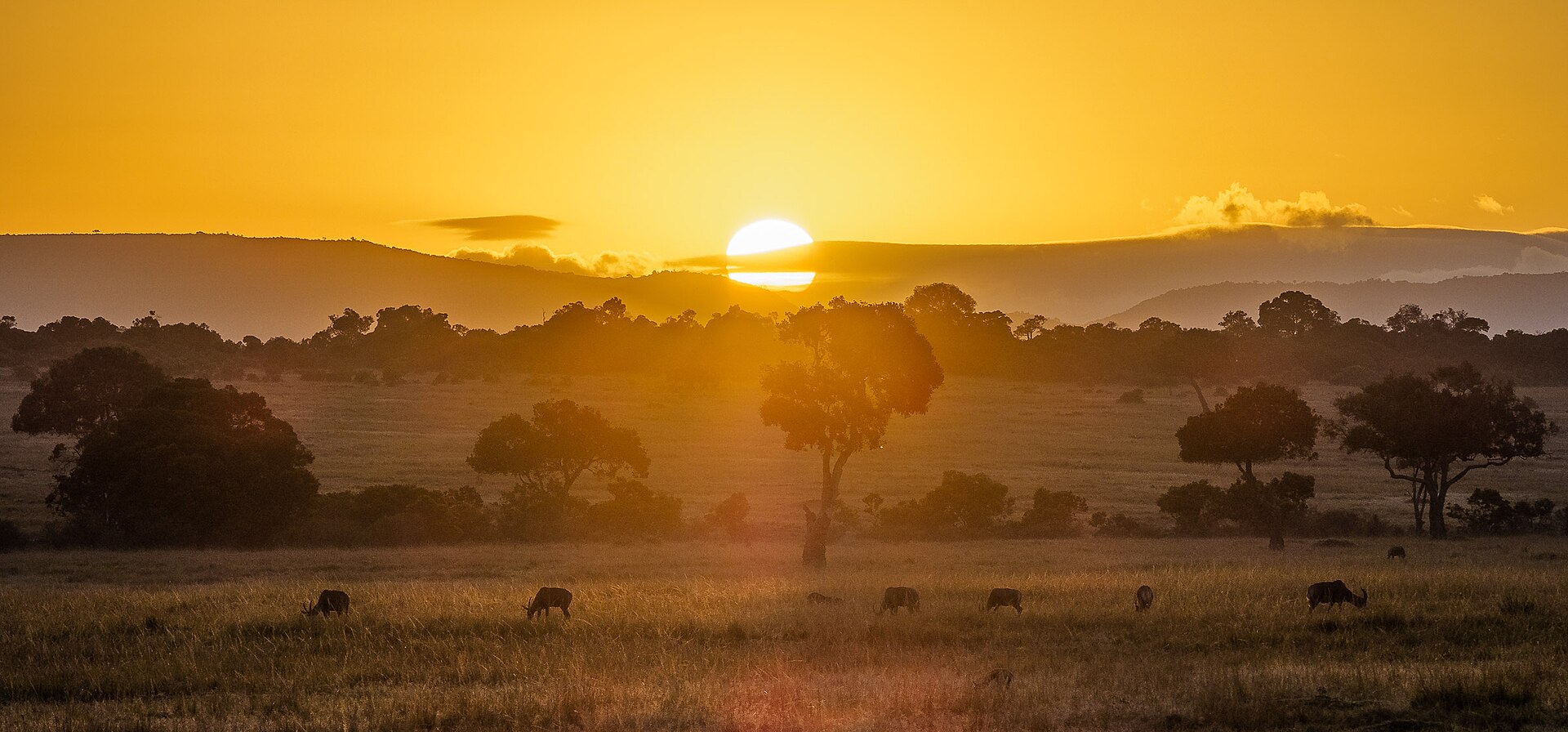
Boma National Park: The site of a great antelope migration on a scale that rivals the Serengeti. You can only see it in the dry season when the herds move across the savannah. There's no infrastructure inside, so you need to be fully self-sufficient and carry your own fuel.
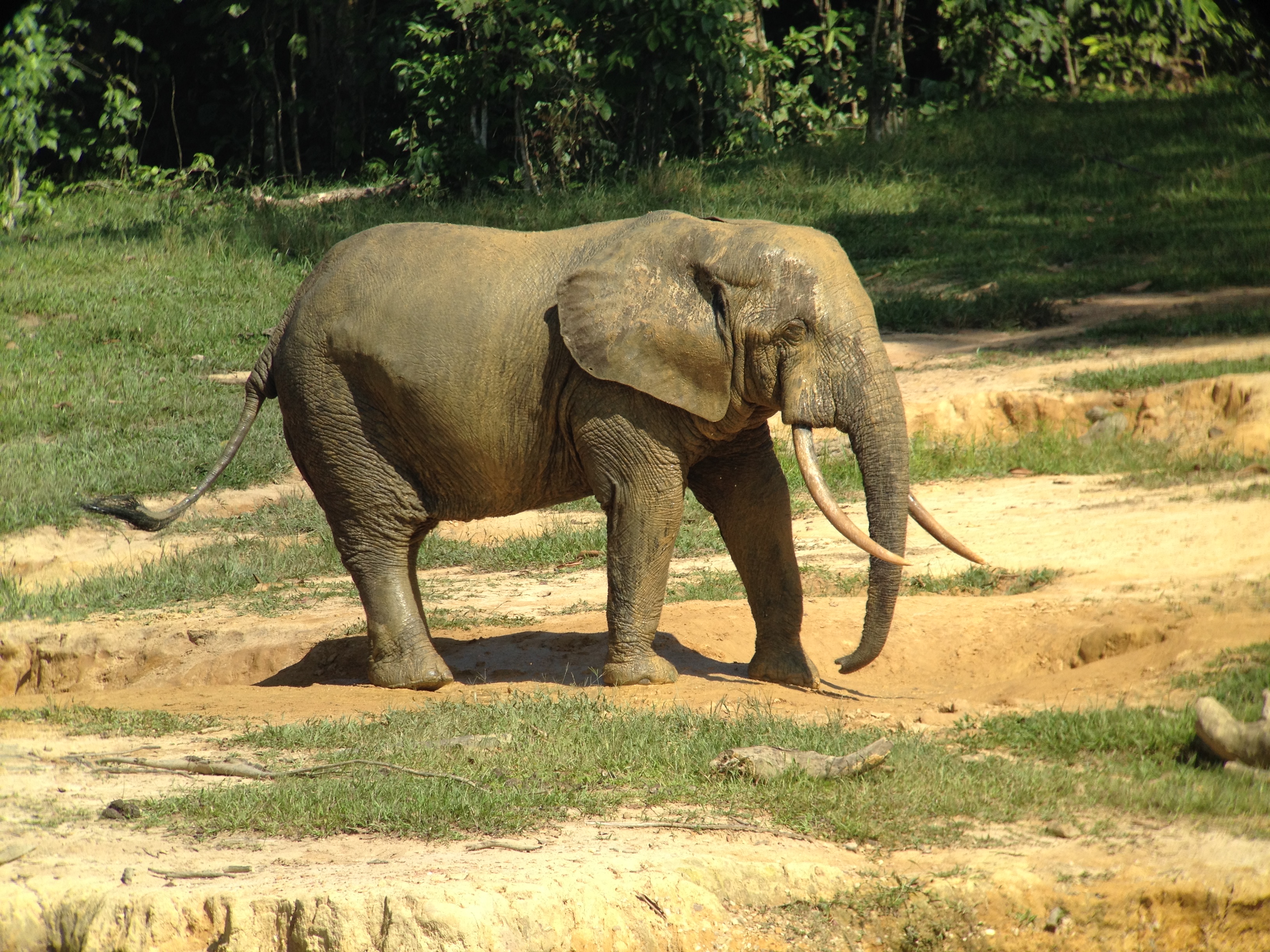
Nimule National Park: A compact reserve on the border where elephants and hippos live. Don't miss the Fula falls, where the Nile roars through a gap in the rock. It's the most accessible piece of wild country for anyone travelling under their own steam.
John Garang Memorial: The main symbolic site in Juba, dedicated to the nation's founding father. The large square is used for parades and gatherings and the monument is guarded around the clock. Locals treat the place with enormous reverence.
Konyo Konyo Market: The best way to feel the pulse of the capital and to buy genuine souvenirs or food. Everything is sold here, from fabric and beadwork to dried Nile fish. Expect noise, crowding and having to bargain over every small thing.
Mundari cattle camps: Herders' camps where people live in complete union with their cattle. The morning ritual of ash and enormous horned cows justifies whatever the logistics cost you. It isn't staged for visitors; it's the daily life of some of the tallest people on earth.
The White Nile: The great river runs the length of the country and offers the finest views at sunset. You can hire a boat by the bridge in Juba for an hour on the water. The river feeds the city and remains the main transport artery for remote villages.
Prices
#Currency: The South Sudanese pound is the official currency, but the economy effectively runs on US dollars. Small market purchases are paid in pounds, while accommodation and transport are quoted in dollars.
Cash: Bring only crisp US dollar notes issued after 2013. Worn, dirty or older notes are close to impossible to exchange or spend anywhere.
Exchange: A parallel market flourishes here at rates many times better than the official one. Look for money changers at Juba's big markets, but stay alert and count the bundles twice.
Cards: The banking system is effectively comatose and your cards are useless. No ATM in the country reliably dispenses cash to foreigners, so plan to carry everything you need.
Costs: The country is expensive because almost all food and fuel comes overland from Uganda and Kenya. Your daily budget will be higher than the East African average.
| Item | Price (USD) |
|---|---|
| 1.5l bottled water | 1.5 |
| Street tea | 1 |
| Cafe lunch | 12 |
| Restaurant dinner | 55 |
| Motorbike taxi in town | 3 |
| Taxi from the airport | 15 |
| Litre of petrol | 2 |
| Local beer | 4 |
| SIM card | 5 |
| Data bundle | 15 |
| Kilo of meat | 9 |
| Guesthouse night | 50 |
| Intercity bus fare | 15 |
| Loaf of bread | 2 |
| Pack of cigarettes | 4 |
Getting around
#Boda-bodas: Everyone in Juba moves by motorbike taxi, known locally as boda-boda. It's quick but risky given the chaotic traffic and the dust. Fix the price firmly before you get on the seat.
Intercity buses: The main way to travel between towns, usually departing early in the morning. Roads are frequently unpaved and in the rains the run from Juba to Bor can eat a whole day. Tickets are bought at informal bus yards.
River barges: Cargo and passenger barges run north along the Nile. It's very slow and very basic, but nothing gives a better view of the riverside settlements. There are no sleeping arrangements on board, so prepare for spartan conditions.
Domestic flights: Small aircraft on local airlines serve remote towns like Wau and Malakal. Tickets are expensive and schedules change constantly. Often it's the only realistic way into a region because of the road conditions.
Cars with drivers: At Juba airport you can arrange a 4WD with a driver, which is far safer for a foreign visitor. Driving yourself isn't advisable given the checkpoints and unwritten rules. The Land Cruiser is the local standard for a reason.
Checkpoints: Leaving any town, soldiers will stop you to check documents. Keep your passport and visa to hand, and never argue with armed men. Movement between towns stops completely after dark.
Getting into the country: Juba is reached by air from Nairobi, Entebbe, Addis Ababa, Cairo and Dubai, and overland by bus from northern Uganda. Most travellers from Europe or North America connect through a Gulf or East African hub.
Where to stay
#In the capital: Juba has everything from decent hotels to very modest rooms. Prices are inflated because the market is built around aid workers. Book directly by messaging apps or email.
Guesthouses: The mainstream option for anyone travelling independently on a budget. Inside you get a bed with a mosquito net and a fan. Power comes on a generator schedule and water often comes from tanks.
Church missions: In towns like Wau and Nimule you can sleep at Catholic centres. They're dependable, clean and cheaper than the commercial hotels. Simple home-cooked meals are often available too.
What to expect: Air conditioning is a luxury and not available everywhere. Wi-fi in rooms is rare, so plan on mobile data. Always check the mosquito net for holes before you go to sleep.
Security: Choose places with a guard on the gate and a high wall. Don't leave valuables or electronics visible in your room. Better hotels in Juba keep a safe at reception.
Outside the towns: Beyond the major towns there are effectively no hotels. In villages you negotiate a place to sleep with the elders or pitch a tent. Camping alone is acceptable only with the community's agreement.
Aid-agency guesthouses: In some places international organisations run guesthouses. They don't always accept outsiders, but they're the best option for hygiene and security, and often have satellite internet and filtered water.
What to eat
#Kisra: The local diet is built on kisra, sour sorghum pancakes. You use them instead of a spoon, dipping into sauces and stews. The flavour is distinctive but grows on you.
Grilled meat: Nyama choma, meat grilled over coals, is a market staple. Usually goat or beef, served with hot pepper. Portions are large and filling, and it makes an ideal lunch.
Fish: Nile perch and tilapia are the stars in riverside areas. Fish is fried whole or turned into a thick stew. Make sure it's freshly caught and thoroughly cooked before you eat it.
Breakfast: Almost everywhere serves ful in the morning, stewed beans with oil and spices. It comes with flatbread and sweet milky tea. It's the cheapest and safest thing a visitor can eat.
Drinks: Alcohol is legal and Juba has plenty of bars serving imported and local beer. The traditional drink is merissa, a sorghum beer brewed in the villages. Drink bottled water only, including for brushing your teeth.
Mundari camps: Among the Mundari you may encounter milk mixed with cow urine as a disinfectant. Visitors shouldn't try it, for obvious digestive reasons. Stick to food that's been properly cooked.
Hygiene: Market street food looks appetising but the infection risk is real. Use hand sanitiser and pick stalls where locals themselves are eating. Buy only fruit you can peel.
Safety
#The overall picture: South Sudan remains a high-risk country with an unpredictable security situation. Never travel between towns after sunset, as armed groups operate on the highways at night.
Checkpoints: The roads are studded with army and police checks, and they can turn aggressive. Be polite, show your documents and don't assert your rights. Small bribes are sometimes requested; judge the situation as you find it.
Photography: Photographing bridges, military installations, the airport and government buildings is absolutely forbidden. A single frame can cost you your camera or several days in a police cell. Always ask people before you photograph them.
Theft: Pickpockets in crowded parts of Juba are highly skilled. Don't wear an expensive watch or pull out a wad of cash in public. Keep valuable electronics in an unremarkable bag, not around your neck.
Landmines: The war left a great deal of unexploded ordnance in the fields. Never step off a beaten track or wander through long grass in the provinces. Watch where you put your feet and take local guides' advice.
Health: Malaria is everywhere, so prophylaxis and repellent are essential. Your policy must cover air evacuation to Kenya or Dubai for serious illness. Bring your own medical kit, because local pharmacies carry a lot of counterfeit stock.
Advisories: Most governments advise against all travel to South Sudan, which also affects whether standard insurance will cover you. Read your own government's current advice, avoid political discussions and keep a low profile throughout.
Etiquette and culture
#Cattle: For the Dinka and the Mundari, cows are the meaning of life and the real currency. The number of head determines a man's standing and his ability to marry. Never joke about cattle or startle them.
Scarification: Many groups keep the tradition of ritual scars on the face and body. Among the Dinka these are lines across the forehead, among the Larim intricate patterns on the stomach. They're a mark of pride and maturity, not something to pity.
Greetings: A handshake here is long and accompanied by genuine interest in how you are. Always use your right hand for eating and for passing anything. The left hand is considered unclean.
Elders: In any village, authority sits with the council of elders rather than the official police. If you want to do something or camp somewhere, get the community leader's approval first. Respect for age is absolute.
Height: South Sudanese are among the tallest people in the world. The Mundari take pride in their stature, which their traditional dress emphasises. Don't comment openly on people's appearance, which is considered rude.
Religion: Most of the population is Christian, blended with traditional beliefs. Towns have many churches, which become the centre of community life on Sundays. Dress modestly when visiting religious sites.
Dancing: Music matters enormously, especially at weddings. Dancing with leaping and singing can go on all night. If you're invited to join in, don't refuse, because it's a real mark of trust.
Connectivity
#Networks: MTN and Zain both operate here, and SIM cards are sold on every corner. Activation needs your passport and some patience, since registration is done by hand. Coverage exists only in the towns.
Mobile data: Speeds are generally low but adequate for messaging apps. 4G is rare and you'll mostly see 3G or even Edge. Access is open and no services are officially blocked.
Wi-fi: Free internet in cafes is virtually nonexistent and only expensive hotels offer it. Even there the connection drops with power cuts or channel congestion. Rely on your own SIM.
Language: English is official but spoken by relatively few, mainly officials and younger people. For markets and transport, Juba Arabic is what you need. It's a simplified Arabic dialect understood by almost everyone.
WhatsApp: It's the main channel for everything. Hotels are booked, drivers arranged and news exchanged through it. You'll want a local number to register the app.
Radio: In the provinces, radio remains the main source of information. If the network drops, go by what the local stations are saying. It's how you'll hear about security changes in time.
Satellite: For trips to remote parks or the wetlands, a satellite phone is strongly advisable. Ordinary mobile coverage vanishes the moment you leave Juba's city limits, and it can save your life in an emergency.
Phrasebook
#| English | Juba Arabic | Pronunciation |
|---|---|---|
| Hello | Salaam | sa-LAAM |
| How are you? | Mungo? | MOON-go |
| Fine / good | Kweis | KWAYS |
| Thank you | Shukran | SHOOK-ran |
| Yes | Aiwa | AY-wa |
| No | La | lah |
| How much? | Bi kam? | bee KAM |
| Expensive | Ghali | GHAH-lee |
| Water | Moya | MOY-ya |
| Food | Akil | AH-kil |
| Market | Suuk | sook |
| Friend | Sahib | SA-hib |
| Foreigner (slang) | Khawaja | kha-WAH-ja |
| OK / fine | Tamam | ta-MAAM |
| Car | Arabiya | a-ra-BEE-ya |
| Go | Rou | roh |
| Stop | Guif | gwif |
| Where? | Wein? | wayn |
| Help me | Sa'idni | sa-EED-nee |
| Tea | Shai | shy |
| A little | Shwaya | SHWAY-ya |
| Goodbye | Ma'a salama | ma-sa-LAA-ma |
Good to know
#Consular help: Very few countries maintain a full embassy in Juba, and many cover South Sudan from Nairobi or Kampala. Save the duty officer's number for whichever mission handles your nationality, since losing a passport here means dealing with another country.
Departure tax: At the airport on the way out you'll often be asked for an airport fee in cash. The amount varies, so keep 20 to 30 dollars aside for it. Receipts are rarely issued.
Photo permits: Formally, professional filming requires a permit from the Ministry of Information. An ordinary visitor with a phone doesn't need one, but any serious-looking camera will attract police attention.
Medical: Hospital standards are very low and there's no competent care outside the capital. Always carry antibiotics, rehydration salts and antimalarials. Juba has a couple of private clinics used by expatriates.
Power: Sockets are British type G with three flat pins. Buy an adapter before you arrive, since the ones in local markets are poor quality. Voltage is unstable.
Water: Never drink from the Nile or the tap, even boiled. Buy sealed bottles from known brands only. In villages you may be offered cloudy well water, which you should decline politely.
The day: Life starts at dawn and winds down by six or seven in the evening. Plan everything for the first half of the day. After dark the streets empty out and become dangerous.
Frequently asked questions
#Almost every nationality needs a visa, arranged in advance through the official electronic portal. You usually don't need to visit an embassy, but a printed visa will be checked at check-in and again on arrival.
Yellow fever vaccination with an international certificate is the only compulsory one and it is checked on entry. Typhoid and hepatitis jabs are strongly advised, as is a course of antimalarials.
Official banks give very poor rates, so visitors normally use street money changers at the markets. Bring new, high-denomination US dollar notes to get the best parallel-market rate.
Photographing in the capital carries a real risk of detention, especially near bridges and government buildings. Ask permission before photographing people and put your phone away whenever you see anyone in uniform.
Self-drive hire is essentially unavailable and would be very unwise given the checkpoints and absence of road signs. Travellers hire a 4WD with a local driver who knows how to handle military posts.
English is the official language but is mainly spoken in the capital and in larger organisations. For markets and the provinces, a few phrases of Juba Arabic will take you much further.
The big booking sites list almost nothing, so contact hotels and guesthouses directly on WhatsApp. Outside the capital, people usually find a bed on arrival through Catholic missions or aid-agency guesthouses.
MTN and Zain are reliable only within the larger towns. Head into remote areas or the national parks and the signal disappears entirely, which is why a satellite phone is worth carrying.
Yes, but with restrictions. Registration is mandatory for a drone of any weight. You also need to pass a test and hold a pilot certificate. The CAA UAS Regulation 2026 applies: importing needs a permit with security clearance, and the drone is declared on entry. Registration from any weight, the pilot needs training and an assessment, and non-residents need CAA approval. Rules for other countries are in the drone ranking by country.
Updated
The data on this page goes out of date. Visa rules and permitted stays, border requirements, prices and budgets, transport and local conditions all change fast, and we do not re-check every page every day. We show the date of our last check where we have one, but before you travel, verify with official sources: the country’s consulate, its immigration service, its e-visa portal and your carrier.