Trinidad and Tobago
TTA two-island nation off the Venezuelan coast — the birthplace of carnival, calypso and the steelpan. Trinidad is an energetic industrial island of extraordinary ethnic diversity and the best carnival in the Caribbean. Tobago is its opposite: sleepy villages, coral reefs and undeveloped beaches. Indian, African, Creole and European cultures have fused here into a singular Caribbean cocktail.
Where to go #

Port of Spain
Birthplace of carnival and the steel pan: the Caribbean's most spectacular carnival, the Aripo biosphere, and a cuisine shaped by a fusion of cultures.
Scarborough
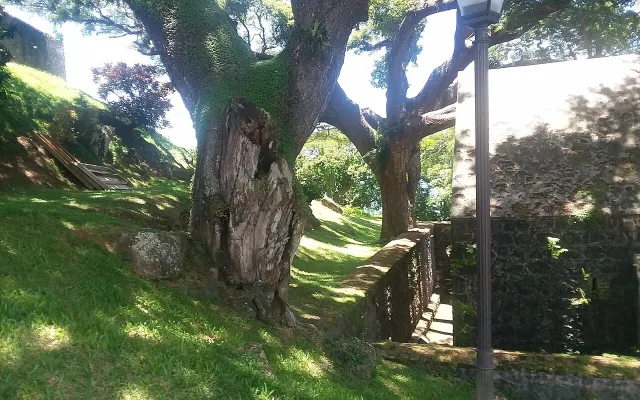
The capital of Tobago island — Fort King George, Stonehaven Bay, and Buccoo Reef.
San Fernando
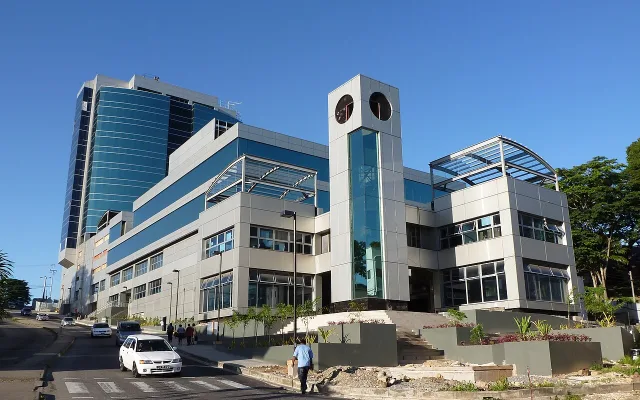
Trinidad's second city in the island's southwest — San Fernando Hill and Indo-Caribbean cuisine.
What to see #
Carnival: The main event of 2026 falls on 16 and 17 February in Port of Spain. It is not a spectator sport, since the whole city is either in a band or on the roadside, and nothing else in the Caribbean comes close in scale.
Pitch Lake: This natural asphalt lake looks like an infinite black car park laid down by geology rather than a contractor. It is genuinely strange to walk on, and guides will show you where the surface is still moving.
Caroni Swamp: At sunset thousands of scarlet ibis fly in to roost in the mangroves. Boats leave in the late afternoon and the birds arrive as the light goes, which is worth the trip on its own.
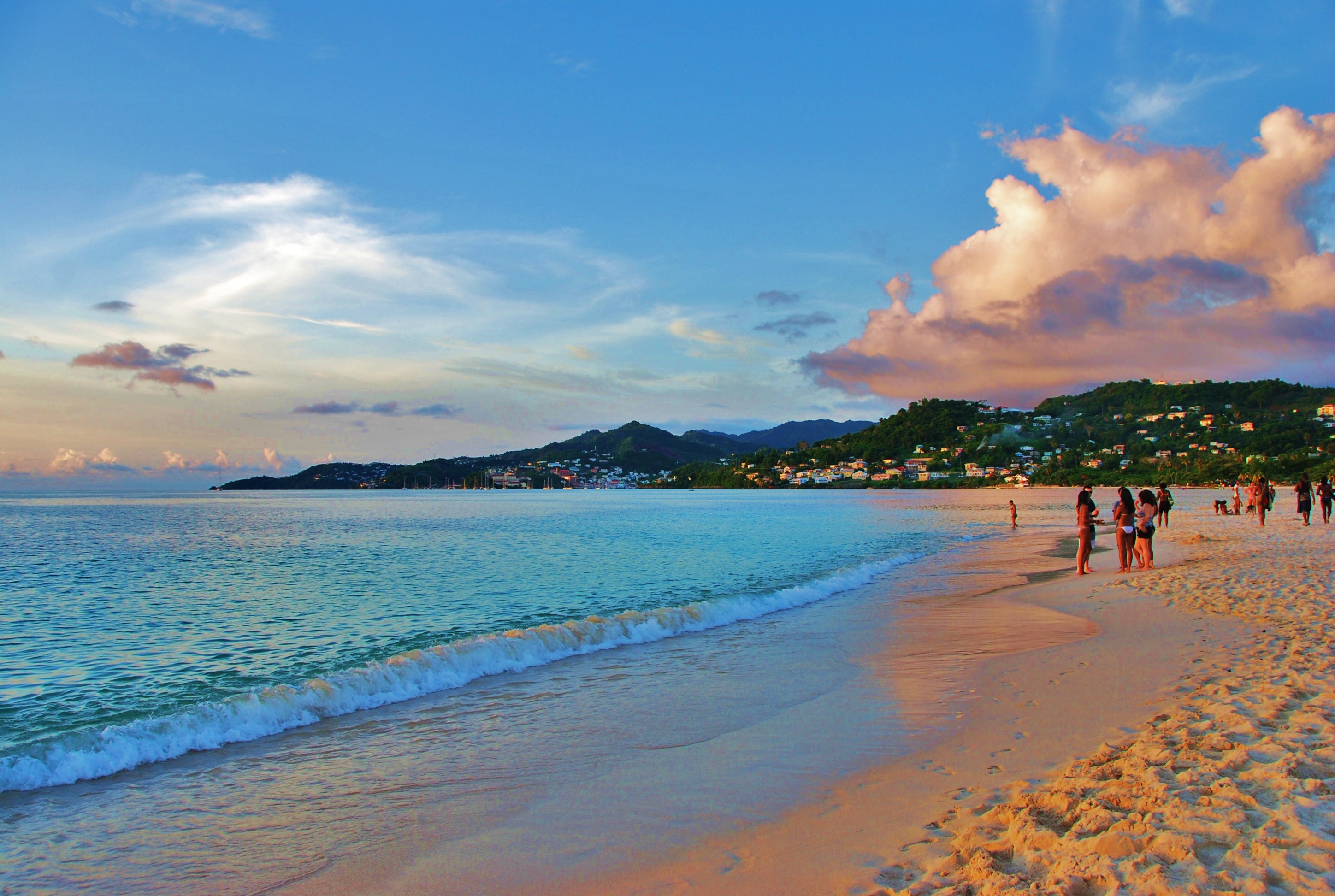
Pigeon Point: Tobago's postcard beach, all turquoise water and thatched roofs on a jetty. It is the most photographed spot in the country and busy accordingly, but the water lives up to the pictures.
Tobago Main Ridge: This rainforest has been protected for centuries and threaded with trails past waterfalls and hanging vines. It is one of the oldest legally protected forests anywhere.
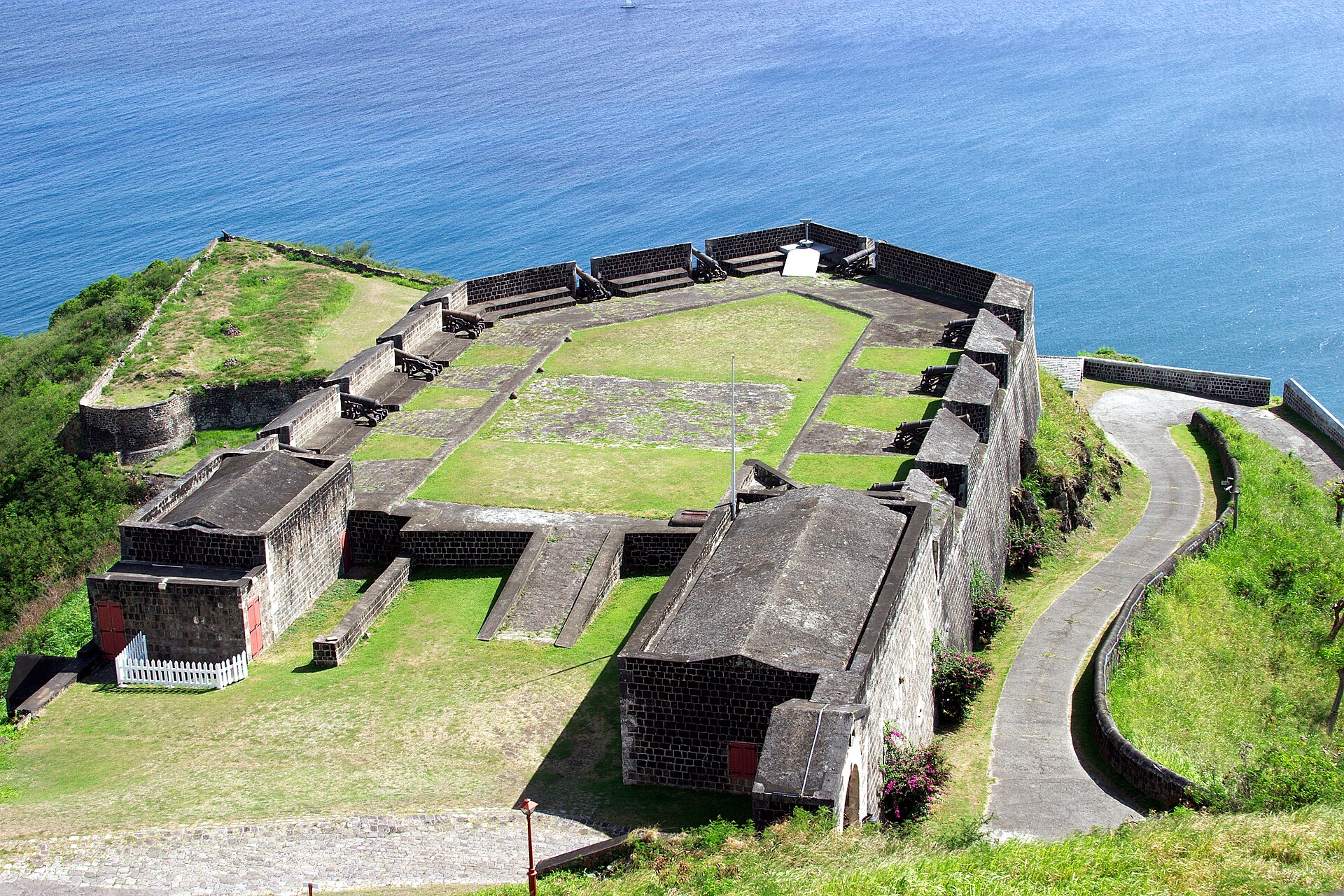
Buccoo Reef: Glass-bottom boats in Buccoo Bay let you see the coral without getting wet. Fort King George above Scarborough rounds out the day with old cannon and the best view over the Atlantic.
Prices #
Currency: The Trinidad and Tobago dollar is stable, and US dollars are accepted without fuss in the larger hotels. Everywhere else, expect to be quoted and to pay in local currency.
Exchange: Banks give the best rate, while the airport counters are conspicuously poor value. Change enough on arrival to cover a taxi and your first day, then sort the rest in town.
Cards: Visa and Mastercard work in supermarkets, restaurants and hotels, and Amex much less so. For street food, maxi taxis and beach vendors it is cash only, every time.
Cash machines: ATMs dispense local currency only, so carry a reserve of US dollars if you need hard currency. Withdrawal limits are modest and machines outside the main towns can be unreliable.
Tipping: Restaurant bills often already carry a ten percent service charge, so read the line before adding more. Otherwise ten percent is the norm and drivers appreciate being rounded up.
| Item | Price (USD) |
|---|---|
| Doubles from a street stall | 1 |
| Lunch at a local cafe | 8 |
| Dinner for two | 40 |
| Carib beer 0.5 l | 2 |
| Bottle of Angostura rum | 15 |
| Water 1.5 l | 1 |
| Car hire per day | 50 |
| Litre of petrol | 1 |
| Ferry to Tobago | 15 |
| Inter-island flight | 40 |
| Pigeon Point entry | 3 |
| One dive | 55 |
| Guesthouse bed | 50 |
| City hotel room | 130 |
| Maxi taxi ride | 1 |
Getting around #
Getting there: Piarco takes direct flights from London and Amsterdam, and from Miami, New York and Houston on the North American side. Caribbean Airlines and British Airways run the most useful long-haul services, and Panama City works as a connection from Latin America.
Between the islands: Caribbean Airlines flies Port of Spain to Tobago in about twenty minutes. Seats are cheap and go quickly around holidays, so book as soon as your dates are fixed.
Ferry: Fast ferries link the capital with Scarborough in around two and a half hours. Buy tickets in advance, especially at weekends, since sailings sell out.
Maxi taxis: These shared minibuses carry a coloured stripe showing which route they serve across the island. They are cheap, frequent and the standard way ordinary people get around.
Car hire: A car transforms Tobago and lets you reach the northern villages easily. Be ready for driving on the left and for steep, narrow switchbacks with no barrier.
Traffic: Rush hour in Port of Spain can swallow an entire afternoon. Plan any airport run with a generous margin and avoid crossing the city between four and six.
Boats and taxis: Trips to the uninhabited island of Little Tobago leave from the jetties at Speyside. For road taxis, always agree the fare before you set off, as meters are effectively unheard of.
Where to stay #
Where to stay in the capital: Woodbrook and St Clair are the districts to aim for, both safe and central enough to walk in daylight. They also put you near the best restaurants and bars in the city.
Tobago: The island is full of characterful guesthouses, either right at the water's edge or set back in thick forest. Owners are typically hands-on and will arrange boats, dives and airport pickups.
Budget: Genuinely cheap dorm beds are hard to find here, so adjust expectations. Small private villas and rooms in family homes often work out better value than anything advertised as budget.
Carnival: Prices triple for the carnival period and the good places are booked six months ahead. If your trip is built around it, treat accommodation as the first thing to lock in.
Air conditioning: In this climate air conditioning is not a luxury but a requirement, especially on the Trinidad side. Check it is actually in the room rather than just in the listing photos.
Business hotels: The commercial districts of Port of Spain have chain hotels with large pools, which are useful if you land late or fly out early.
Village rooms: In Castara you can rent a room from local families and get a genuine sense of island life. It is the cheapest way to stay somewhere beautiful.
What to eat #
Doubles: Two soft fried flatbreads around curried chickpeas, eaten standing up for breakfast. It is the national dish in everything but name, and every Trini has strong opinions on which vendor makes it best.
Bake and Shark: At Maracas beach this is the reason people make the drive over the mountains. You get the fried fish in a bun and then load it yourself from a long row of sauces and toppings.
Roti: Curried goat or duck wrapped in a soft flatbread is the substantial legacy of Indian migration to the islands. A single one will keep you going for most of a day.
Callaloo: A thick green soup of taro leaves and crab, traditionally cooked on Sundays. If you are invited to a Sunday lunch, this is what will be on the table.
Rum: Local Angostura is excellent neat and forms the backbone of any serious tropical punch. The distillery is a Trinidad institution in its own right.
Heat: Local pepper sauce is genuinely fierce. Say "no pepper" when you order unless you know exactly what you are getting into.
Beer and pelau: Carib and Stag are best drunk ice cold from the bottle on the sand. Pelau, rice cooked down with meat and coconut milk, is the reliable filling lunch when you are on the move.
Safety #
Crime: Trinidad has genuine problem areas where the risk of armed robbery is high. This is not a reason to avoid the country, but it is a reason to plan your movements deliberately.
Areas to avoid: Stay out of Laventille, Beetham and Cocorite entirely, including in broad daylight. If in doubt, ask your guesthouse which streets are fine and which are not.
After dark: Walking around central Port of Spain once the sun goes down is not advisable. Take a taxi even for short distances at night.
Tobago: The beach island is far calmer, though theft from beaches and unlocked rooms is common. Never leave a bag on the sand while you swim.
Valuables: Leave gold and expensive watches at home and do not pull out a thick roll of notes to pay for a beer. Blending in costs nothing.
Carnival: Big street crowds attract pickpockets, so carry copies of your documents rather than the originals. Keep your phone secured and your cash split between pockets.
Transport and sea: Use official taxi services rather than unlicensed drivers. On Trinidad's north coast the currents are strong, so swim only where locals swim and check your own government's travel advisory before you travel.
Etiquette and culture #
Liming: This is the local art of doing nothing in good company, at length and with conversation. Being invited to lime with people is how friendships start here.
Steelpan: The steel drum is the only acoustic instrument invented in the twentieth century, and it was invented here. Hearing a full band rehearse in a panyard is one of the best free experiences in the country.
Mas bands: Costumed bands such as TRIBE spend the best part of a year preparing their shows. Visitors can buy into a band and play mas themselves rather than just watching.
Wining: The hip-rolling dance takes some practice and is the engine of carnival energy. Nobody expects you to be good at it, but they do expect you to try.
Religion: Hindu temples, mosques and Catholic cathedrals coexist here without friction, and the public holiday calendar reflects all of them.
Panorama: The steelband competition fills stadiums and dominates conversation for weeks. It is the serious, competitive side of carnival and worth a ticket.
Mixed heritage: The ethnic diversity of the islands shows up in everything from faces to the food on a festival table.
Connectivity #
SIM cards: Digicel and bmobile sell tourist packages at Piarco airport, and you need your passport to register. Coverage from Digicel is generally reckoned the better of the two, including remote Tobago beaches.
eSIM: Airalo, Yesim and similar providers save you hunting for an office on arrival. Load the package before you fly and you are connected the moment you land.
Internet: 4G is stable across the towns, though in the hills of Tobago the signal often drops back to 3G. Download offline maps before heading up the ridge.
Topping up: Credit can be added in grocery shops or through the operator apps. Both work fine and neither requires local ID.
Messaging: WhatsApp is the main channel for everything, from booking a boat to confirming a guesthouse. Guides and drivers will expect to hear from you there.
Language: English is official, but the creole accent takes real effort to follow at first. Ask people to repeat things and nobody will mind.
Wifi: All international sites are accessible and cafes in the capital generally have a connection. Hotel wifi is adequate rather than fast.
Phrasebook #
| English | Trini Creole | Pronunciation |
|---|---|---|
| Hanging out, socialising | Limin' | LIE-min |
| A party | Fete | fet |
| Dancing hips to soca | Wining | WY-ning |
| Costumed carnival band | Mas band | mas band |
| Dawn carnival street party | J'ouvert | joo-VAY |
| Steel drum | Steelpan | STEEL-pan |
| Brother, mate | Bredren | BRED-ren |
| Everything's fine | All good | all good |
| How much for that? | How much for dat? | how much fah dat |
| Let's go! | Leh we go! | leh we go |
| No | Nah | nah |
| Hey there! | Wais! | wise |
| That's delicious | Dat sweet | dat sweet |
| Really good | Real nice | real nice |
| Squeeze up, make room | Small up | small up |
| Chickpea street breakfast | Doubles | DUB-bles |
| Carnival music | Soca | SO-ka |
| Steelband competition | Panorama | pan-o-RA-ma |
| Move over | Move nah | moov nah |
| See you later | Later | LAY-tah |
Good to know #
Getting around by app: Waze handles the capital's traffic and awkward junctions better than anything else. Download the map area before you land so it works from the airport.
Airport transfers: Taxis from Piarco run on fixed fares by zone, and the desk inside the terminal will tell you the correct price. Agree it before you load the bags.
Who to call: Police answer on 999 and the ambulance service on 990. Your guesthouse will usually be the fastest route to a doctor for anything non-urgent.
Consular help: Not every country keeps a mission in Port of Spain, and many cover Trinidad and Tobago from Caracas, Bridgetown or Kingston. Look yours up and save the number before you fly.
Carnival planning: Band schedules and stand tickets are published through the NCC. Registration for the big bands opens months ahead and closes early.
Connectivity: Digicel has the widest coverage on both islands, including the far end of Tobago. Buy the largest data bundle you can, since it is cheap.
When to go: Carnival is the peak in February, but the dry season from January to May is generally the easiest weather for beaches and hiking.