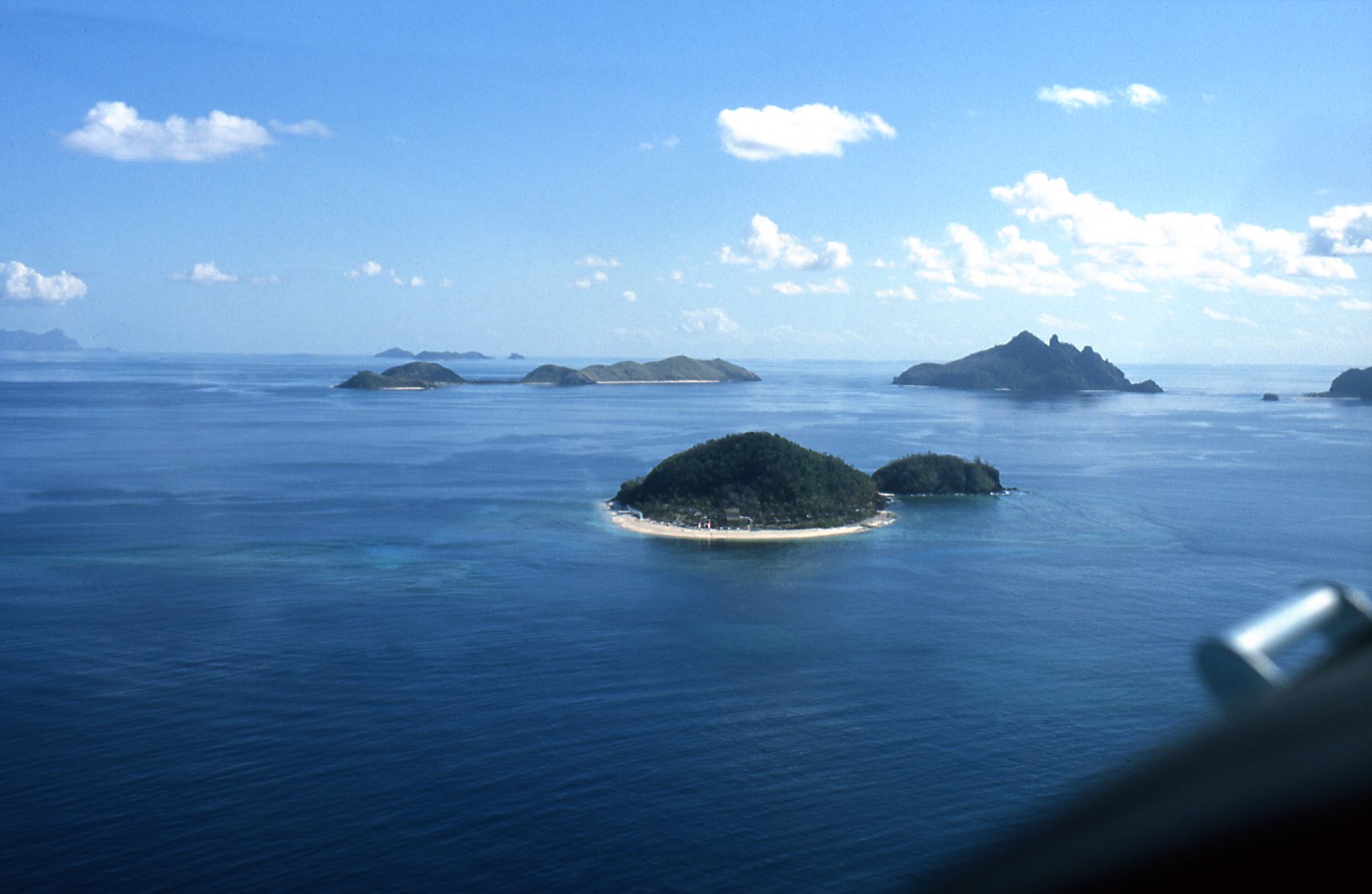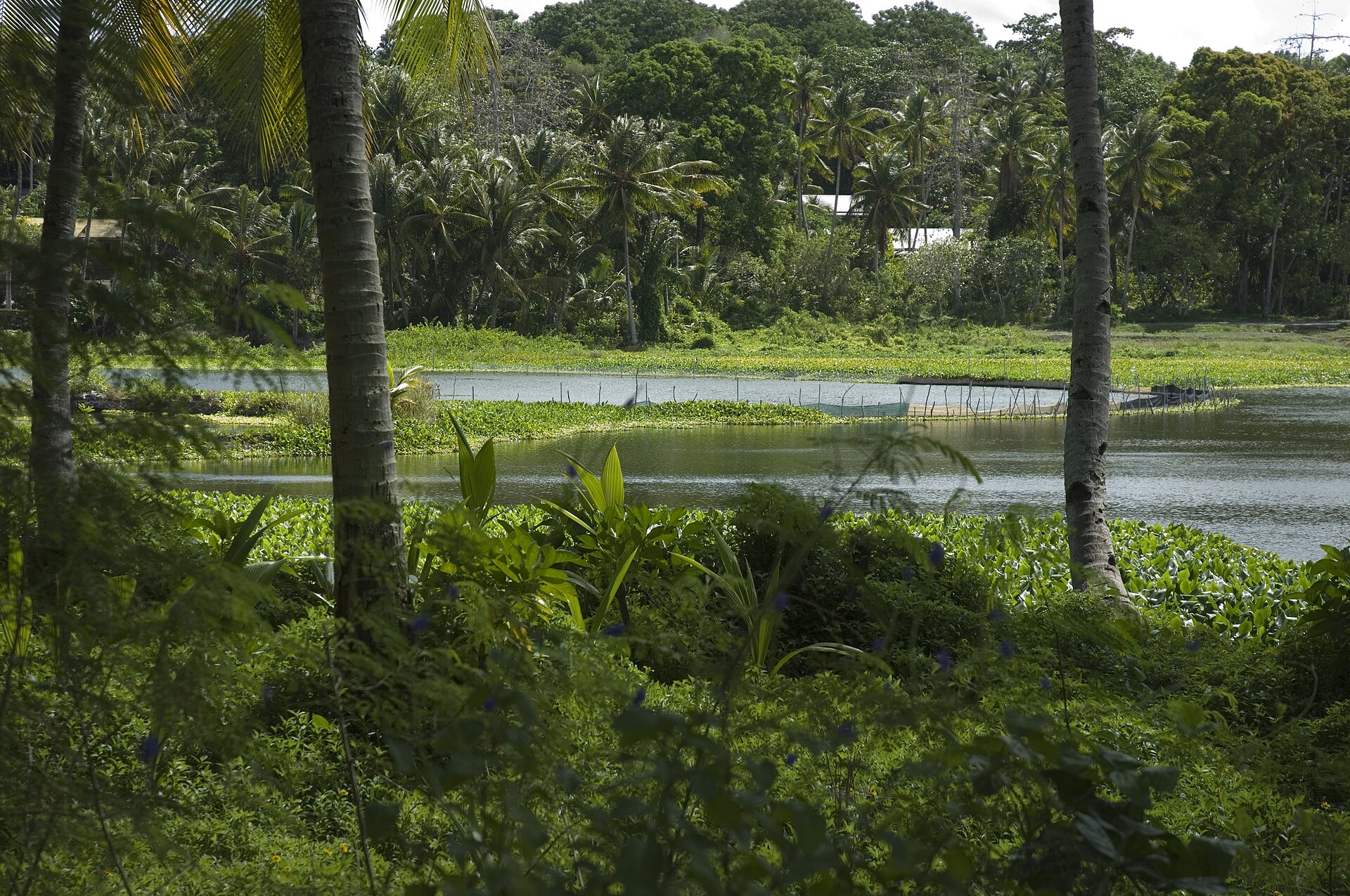

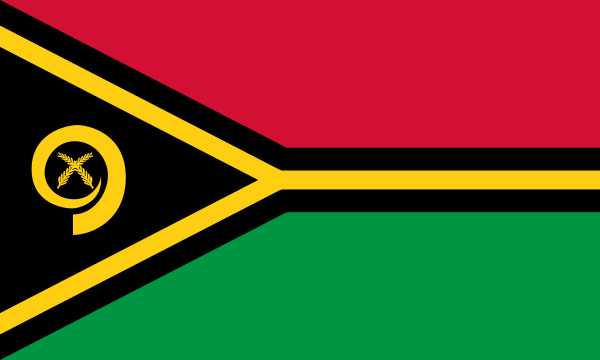
An archipelago of 83 islands in the south-west Pacific, where active volcanoes sit beside turquoise lagoons and communities still live by ancestral custom. Vanuatu gave the world bungee jumping, by way of the ritual land-diving from vine towers on Pentecost, along with kava bars instead of nightclubs and one of the most accessible active volcanoes on the planet, Yasur on Tanna. It feels like the edge of the earth.
Where to go
#Port Vila
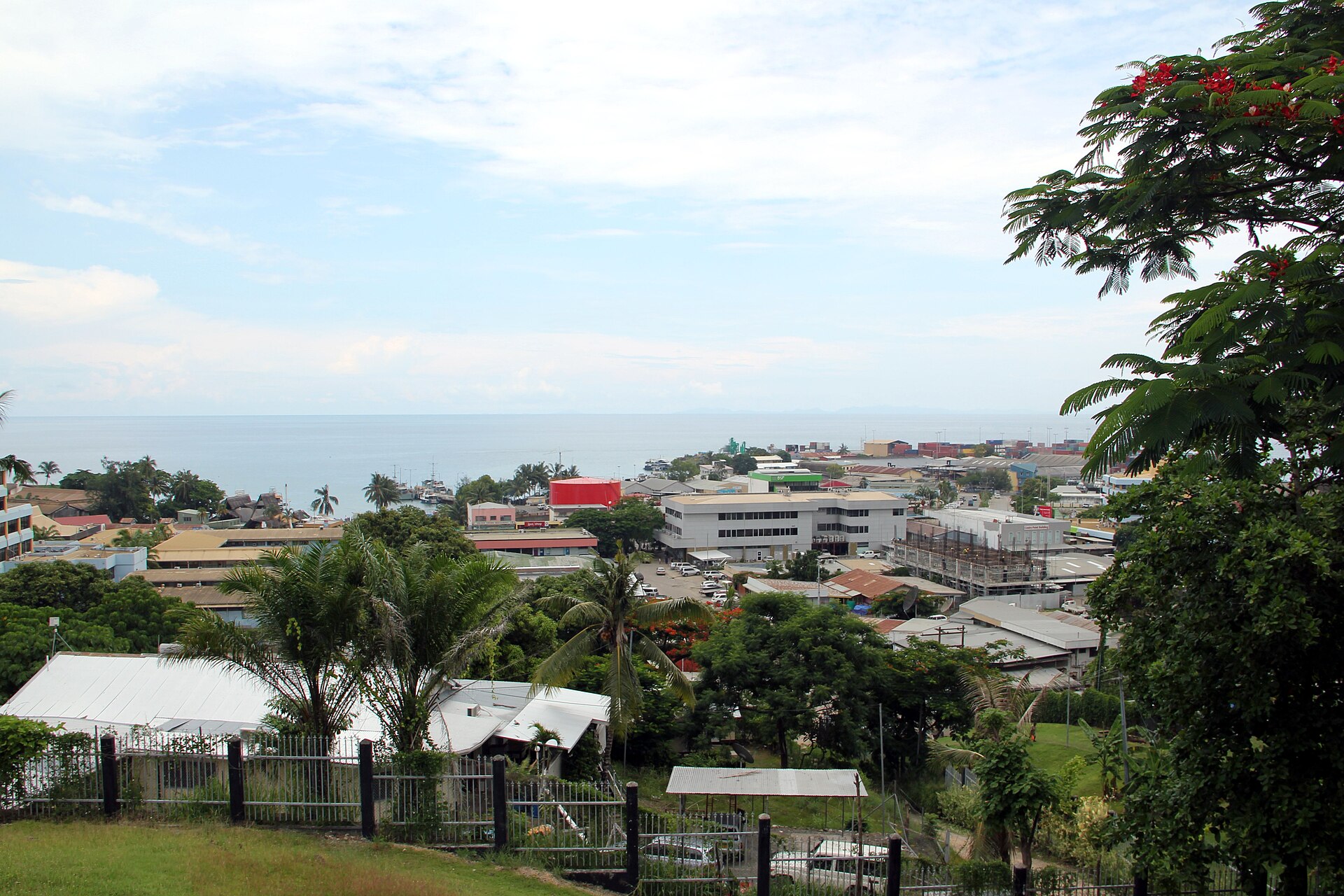
The capital on Efate feels like a small European town that got lost in the tropics. Head for the waterfront and Mama's Market to buy tropical fruit and try authentic laplap. It works well as a base for the Mele cascades and the underwater post office.
Luganville
The country's second town sits on the huge island of Espiritu Santo. Come here for what is arguably the world's best wreck dive and for blindingly white beaches. The place is essentially one long street holding all the shops and dive centres.
Isangel
A small settlement on Tanna and the gateway to the most accessible active volcano on the planet. People base themselves here to watch Yasur erupt and to meet communities still living by kastom law. Every jeep tour to the crater starts from here.
Craig Cove
A village on the mysterious island of Ambrym, for travellers who like their landscapes harsh. From here you can reach the foot of the Marum and Benbow volcanoes in a day, into terrain that looks distinctly off-world. The island is famous for its sand drawing and traditional dance.
Norsup
The administrative centre of Malekula suits anyone after real ethnography. The Big Nambas and Small Nambas villages survive here with their old rituals and distinctive masks. Travellers come for jungle trekking and for the island's cannibal history.
Isaka
A tiny village on Tanna as close to Mount Yasur as it is possible to sleep. Accommodation is built up in the trees so guests can watch lava arc across the sky from the balcony. If you want the most extreme night in the Pacific, this ash cloud is where to go.
What to see
#Mount Yasur is the friendliest erupting giant on earth in the sense that visitors are allowed right up to the rim. The jeep ascent takes very little time, and watching lava bombs fly against a sunset sky repays every dollar.
The President Coolidge wreck off Santo is a top-tier site for anyone drawn to what lies underwater. The enormous Second World War liner rests so close in that you can swim out to it from the beach.
The blue holes on Espiritu Santo are natural pools of piercingly turquoise fresh water. These crystal lakes in the jungle are worth a trip for the rope swing and for cooling off after a hot walk in.
The underwater post office on Hideaway Island lets you send a genuine waterproof postcard from the sea floor. It sits inside a marine reserve where thousands of coloured fish work the coral.
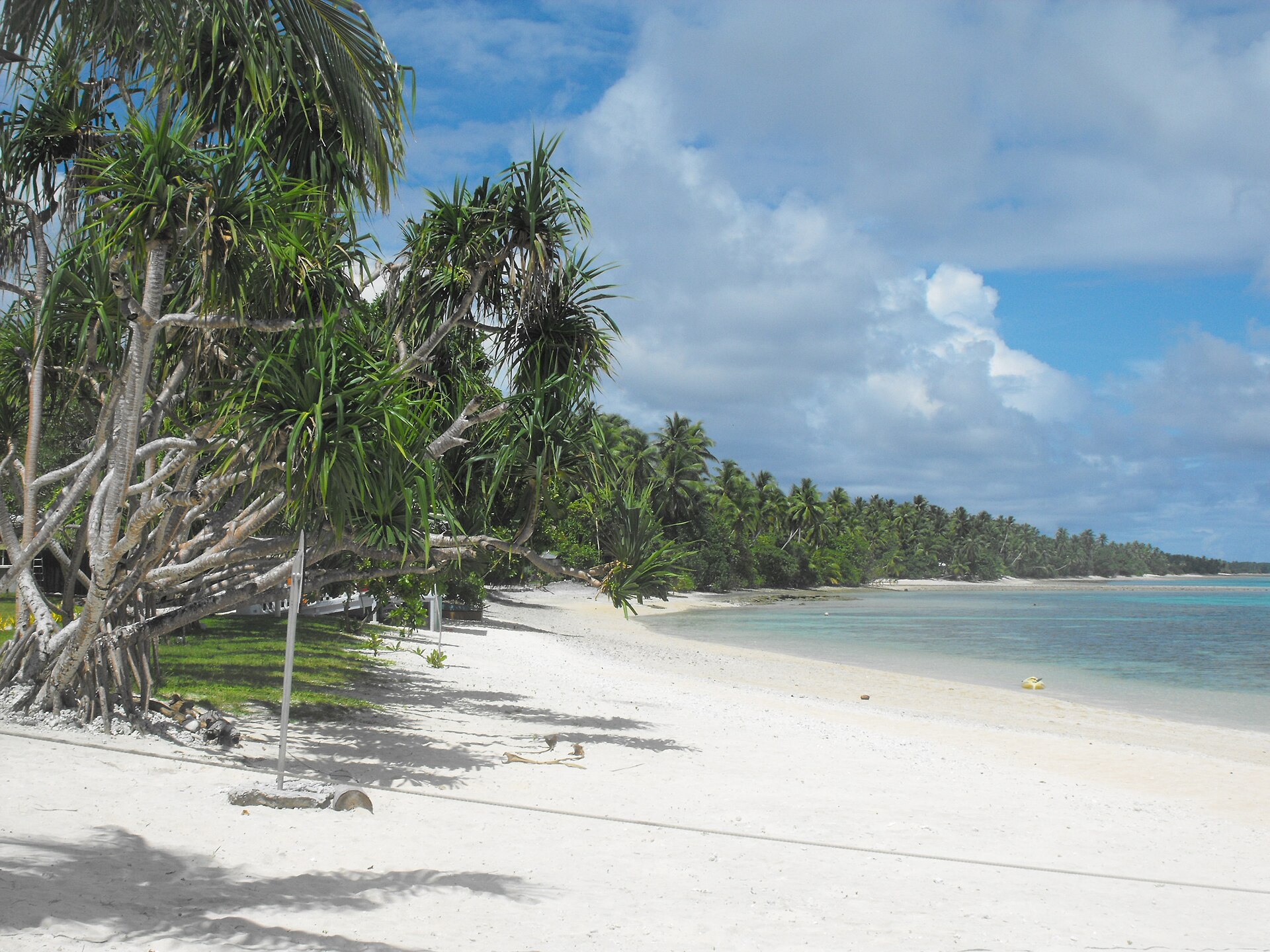
Champagne Beach turns up on lists of the world's most beautiful shorelines for its shape and its white sand. The name comes from gas bubbles rising from the seabed at low tide, which do look convincingly like sparkling wine.
The Mele cascades on Efate are a terraced climb through thick vegetation right to the top. The natural pools are lovely to swim in, and the upper platforms give you a view over the lagoon and the islands beyond.
Pentecost Island is famous for the naghol land diving ritual that inspired modern bungee jumping. From April to June you can watch men leap from tall wooden towers with nothing but vines tied to their ankles.
Prices
#Currency: The Vanuatu vatu, code VUV, circulates in polymer notes that shrug off water, which is handy when you live beside the ocean. Small coins have largely vanished and prices round to five vatu.
Changing money: Change at Bauerfield airport or a Port Vila bank, because on the outer islands it is simply not possible. Bring US dollars or euros in cash and change enough before you island-hop.
Cards: Visa and Mastercard are taken in the capital and the bigger Luganville hotels, usually with a surcharge of three to five percent; Amex is rarely accepted. For Tanna or Pentecost, carry a thick wad of notes, because there are no ATMs at all.
Tipping: Tipping is not part of the culture here and can read as showing off. The better way to thank someone who helped you is a warm word or a small practical gift.
Costs: Almost everything is imported, so supermarket prices feel high for the region; fruit, fish and market food are the exceptions and are very cheap.
| Item | Price (USD) |
|---|---|
| Lunch in a local cafe | 12 |
| Seafood dinner | 35 |
| Bottle of water, 1.5 l | 1.5 |
| Local Tusker beer | 4 |
| Shell of kava in a bar | 2 |
| Minivan ride | 1.5 |
| Taxi across town | 8 |
| Night in a bungalow | 45 |
| Port Vila hotel | 90 |
| Mount Yasur entry | 50 |
| Single dive | 110 |
| Snorkelling tour | 60 |
| SIM card with data | 10 |
| Kilo of mangoes | 2 |
| Postcard with stamp | 5 |
Getting around
#Getting there: Bauerfield in Port Vila is served from Brisbane, Sydney, Auckland, Nadi in Fiji and Noumea. From Europe or North America you connect through an Australian or New Zealand hub, or route via Fiji, and it is worth checking the transit rules of whichever country you change in.
Minivans: The cheapest way around Efate and Santo is the minibuses with a B on the plate. They have no fixed routes: you wave one down, tell the driver where you are going and he works it into the loop.
Taxis: Cars with a T on the plate act as private transfers and cost considerably more. There are no meters, so agree the fare before you get in, not after.
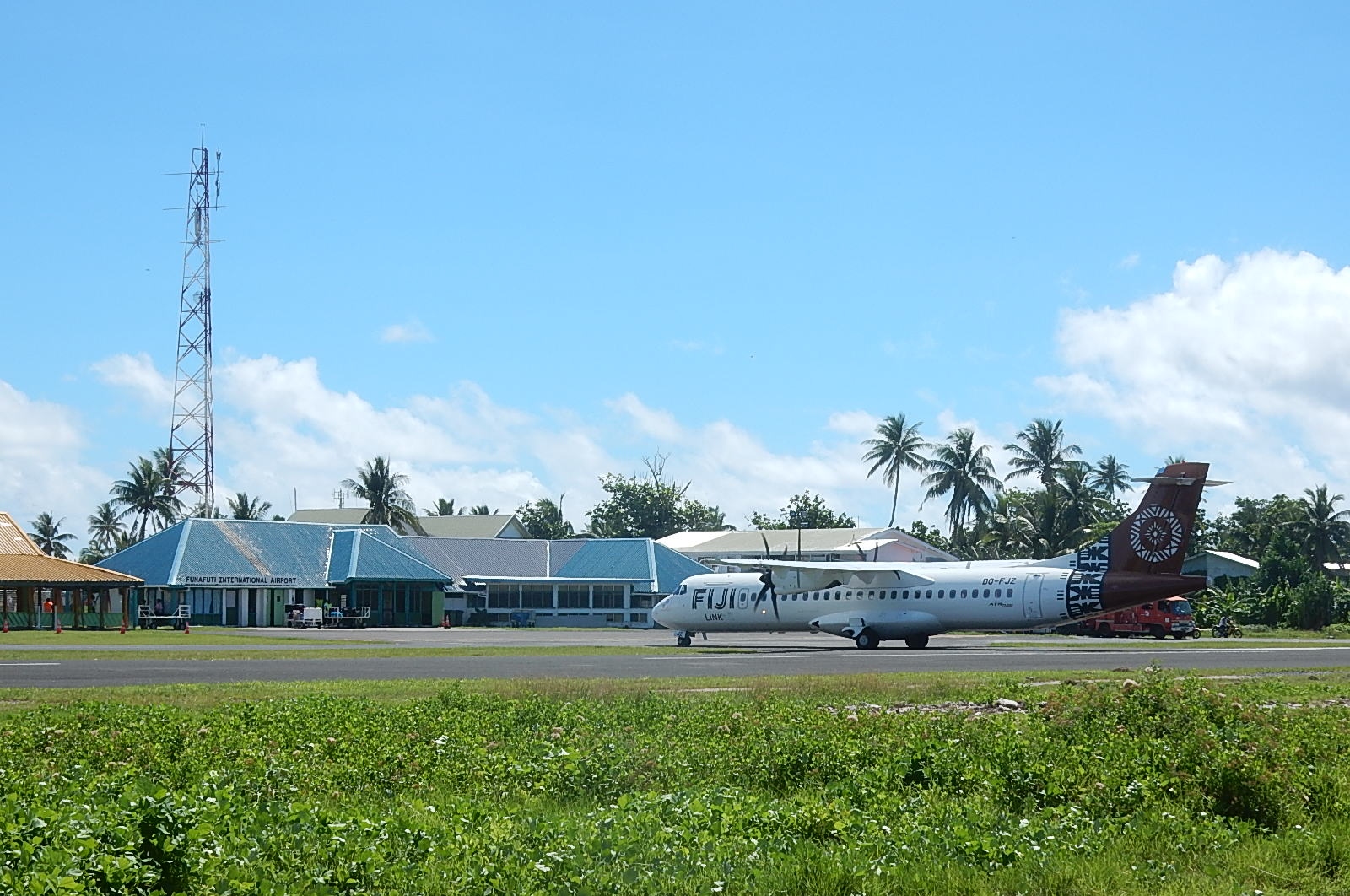
Inter-island flights: Air Vanuatu handles the hops between islands and is the only quick way to cover the country. Book a couple of months ahead, because the small aircraft fill up fast.
Boats and ferries: Ferries and cargo ships link the islands, but this is for hardy travellers only. Schedules move with the weather and conditions on board are basic, with sleeping on deck or in a shared saloon.
Car hire: Available at the airport and in the centre of the capital; driving is on the right. Efate's roads are decent, but on Tanna you need a proper four-wheel drive to reach the volcano.
Small boats: Short crossings to islets such as Hideaway are made by launch or traditional canoe. Prices are fixed and the boatmen wait on the beach from early morning until sunset.
Where to stay
#Bungalows: The most authentic option is a bamboo hut with a palm-thatch roof right on the sand. They are cheap, but expect no hot water and electricity only when the generator runs.
Guesthouses: Port Vila and Luganville have plenty of private guesthouses with rooms and a shared kitchen. Good value, and a reliable way to meet other backpackers swapping notes on the outer islands.
City hotels: Mid-range places in the capital give you air conditioning, wifi and breakfast, usually within reach of the waterfront and the minivan stops, which is convenient for day trips.
Treehouses: On Tanna, hotels built high in banyan crowns face the volcano. Falling asleep to the boom of eruptions and seeing the red glow through your window is not something you forget.
Camping: Formal campsites barely exist, but you can arrange to pitch on community land. Always find the village chief first and ask permission, and expect to pay a small courtesy fee.
Practical notes: On the outer islands the Australian-style sockets only carry current for a few hours a day. Bring a big power bank and a good torch, because village streets have no lighting whatsoever.
What to eat
#Laplap: The national dish is a dense pudding of grated yam or cassava with coconut milk, baked in an earth oven wrapped in banana leaves, often with chicken or fresh juice added on top.
Kava: The drink made from pepper roots is the centre of Melanesian social life. Never mix kava with alcohol; sip it slowly in a nakamal bar and let the numb tongue and deep calm arrive on their own.
Tuluk: The local fast food, a meat filling inside a grated cassava dough. These filling rolls sell for pennies at the markets and are perfect for a long drive across an island.
Seafood: The fish is caught in the morning and grilled the same day. Try coconut crab or lobster, which cost a fraction in town restaurants of what you would pay at resorts in neighbouring countries.
Fruit: Markets overflow with papaya, pineapple and mango at very low prices. The best of it is sold by the mamas at Port Vila's central market, alongside fried bananas and coconut sweets.
Drinks: Tusker, the local beer, is properly refreshing in the heat and sold everywhere. People also drink straight from young green coconuts, which minivan drivers will often cut down at the roadside while you wait.
Safety
#Overall: Vanuatu is one of the calmest countries in the Pacific, with very little crime. People are exceptionally friendly towards independent travellers and will help with directions or transport unprompted.
Natural hazards: The real risk is geological and meteorological. From November to April is cyclone season, when wind and rain can shut down air travel entirely for days.
Health cover: Serious treatment is only available at the hospital in the capital; the islands have small clinics. Make sure your policy pays for an air ambulance to Australia, because major injuries cannot be handled locally.
Wildlife and insects: There are no venomous snakes or dangerous animals in the forests, but plenty of biting insects. The northern islands carry a malaria risk, so use repellent and cover up in the evening.
The ocean: Strong currents and sharp coral catch out even good swimmers. Wear reef shoes going in and do not swim far from shore in unfamiliar places with nobody else around.
After dark: Port Vila goes very dark at night because electricity is rationed. Carry a torch, stick to lit streets and check your own government's travel advisory before you travel.
Etiquette and culture
#Kastom: Life here runs on a system of traditional rules that often carry more weight than national law. Every island has its own customs, so ask a guide what might cause offence before visiting a remote village.
The chief: Each community has a chief who makes the decisions and settles disputes. If you want to enter private land or pitch a tent, find him first and get explicit permission.
Dress: People are fairly conservative about appearance away from the beach. Women should cover knees and shoulders in villages, and men should not walk around the capital shirtless.
Photography: Always ask before pointing a camera at a person or a house. Some cultural villages charge a small fee for photographs, which goes towards community needs or repairing the school.
Island time: Nothing here is in a hurry. A bus an hour late or a delayed flight is normal, so do not show impatience; take the extra hour and look at the scenery.
Religion: Christianity coexists comfortably with spirit belief and cargo cults. Sunday is for rest and worship, when most shops shut and transport thins right out because everyone is at church.
Connectivity
#SIM cards: Two operators cover the country, Digicel and Vodafone. You can buy a SIM on arrival at Port Vila airport; registration takes your passport and about ten minutes.
Coverage: Solid 4G exists in the capital and Luganville, and elsewhere only in the larger settlements. In the jungle and on remote beaches there is often nothing at all, so download offline maps first.
Wifi: Free hotel wifi is unusual and usually costs extra. Even in Port Vila speeds are modest, fine for messaging but not for heavy video.
Electricity: Sockets are Type I with three flat pins, as in Australia, at 220 volts. On Tanna and Ambrym the power often only comes on in the evening when the village generator starts.
Apps: Nothing is blocked, so WhatsApp and Google Maps behave normally. To reach hotels on the outer islands, phone them directly; email often goes unread for weeks.
Radio: In remote areas radio is still the only information source. If you are trekking in the Malekula jungle, take a small receiver so you can pick up weather forecasts and storm warnings.
Phrasebook
#| English | Bislama | Pronunciation |
|---|---|---|
| Hello | Halo | HA-lo |
| How are you? | Olsem wanem? | ol-SEM wa-NEM |
| Thank you very much | Tangkyu tumas | TANK-yoo too-MAS |
| Please | Plis | plees |
| Yes / No | Yes / No | yes / no |
| I don't understand | Mi no save | mee no SA-vay |
| How much is it? | Hamas long hem? | ha-MAS long hem |
| Far too expensive | Hem i dia tumas | hem ee DEE-a too-MAS |
| Where's the toilet? | Toilet i stap wea? | TOY-let ee stap WAY-a |
| Help! | Halpem mi! | HAL-pem mee |
| Slang: friend | Fren | fren |
| Food | Kakae | ka-KAI |
| Drinking water | Wota | WO-ta |
| Very good | Gudwan | GOOD-wan |
| Beautiful | Naesfala | NICE-fa-la |
| Sorry | Sori | SO-ree |
| Where's the hotel? | Hotel i stap wea? | ho-TEL ee stap WAY-a |
| See you later | Lukim yu | LOO-kim yoo |
| Tourist | Turis | too-REES |
| Village chief | Jif | jeef |
Good to know
#Calling for help: The numbers are short and easy to hold in your head. Police is 112, ambulance 115 and fire 113 from any phone.
Consular cover: Very few countries have a mission in Port Vila; most cover Vanuatu from their embassy or high commission in Canberra or Suva. Look up which post handles your nationality and save the number before you fly.
Cruise ship days: Check the schedule for liners calling at Port Vila and Luganville before you plan. On those days taxi prices jump and the popular beaches and waterfalls fill with thousands of people.
Domestic flights: Air Vanuatu services are frequently delayed or cancelled without notice. Always leave a day or two of slack before your international departure so weather does not cost you the long-haul ticket.
Souvenirs: Beyond the carved masks and woodwork, people take home Tanna coffee and organic chocolate. Note that kava powder is restricted or banned in several countries, so check your own customs rules before buying any to carry.
Apps: Install WhatsApp, which is how you will reach local guides and bungalow owners. An offline English and French translator is useful too, though Bislama is largely intuitive to an English speaker once you tune your ear.
Frequently asked questions
#Outstanding. The President Coolidge off Espiritu Santo is one of the most accessible large wrecks anywhere, reachable by swimming out from the beach, and there are blue holes, reef dives and the marine reserve at Hideaway Island. Budget around 110 dollars a dive or 60 for a snorkelling tour.
Bauerfield airport in Port Vila is served from Brisbane, Sydney, Auckland, Nadi and Noumea. From Europe or North America, connect through an Australian or New Zealand hub, or route via Fiji, and check the transit rules of the country you change in.
Bring US dollars or euros in cash and change them into vatu at the airport or a bank in the capital. Cards work only in Port Vila and a few Luganville hotels, and there are no ATMs at all on Tanna or Pentecost.
Around fifty dollars per person, which includes the local driver and guide. The fee is collected at the park entrance and goes to the communities that own the land around the crater.
April to October is the dry, sunny season with comfortable temperatures and it is the right window for beaches and diving. From November the rains set in and the cyclone risk rises, which regularly disrupts inter-island travel.
It is one of the safest countries in the region, with serious crime against foreigners almost unheard of. The genuine risks are the active volcanoes, poor roads on the outer islands and the weather.
Fast enough in Port Vila and Luganville on a local Digicel or Vodafone SIM. Elsewhere coverage is patchy, and hotel wifi is usually paid for and slow, so download maps in advance.
Tanna coffee, wood carving, pandanus woven bags and the local Gaston chocolate all travel well. Think twice about kava powder, which many countries restrict on import.
Yes, but with restrictions. Registration is mandatory for a drone of any weight. Registration with the civil aviation authority must be completed before arrival. Rules for other countries are in the drone ranking by country.
Updated
The data on this page goes out of date. Visa rules and permitted stays, border requirements, prices and budgets, transport and local conditions all change fast, and we do not re-check every page every day. We show the date of our last check where we have one, but before you travel, verify with official sources: the country’s consulate, its immigration service, its e-visa portal and your carrier.