 Города и дороги
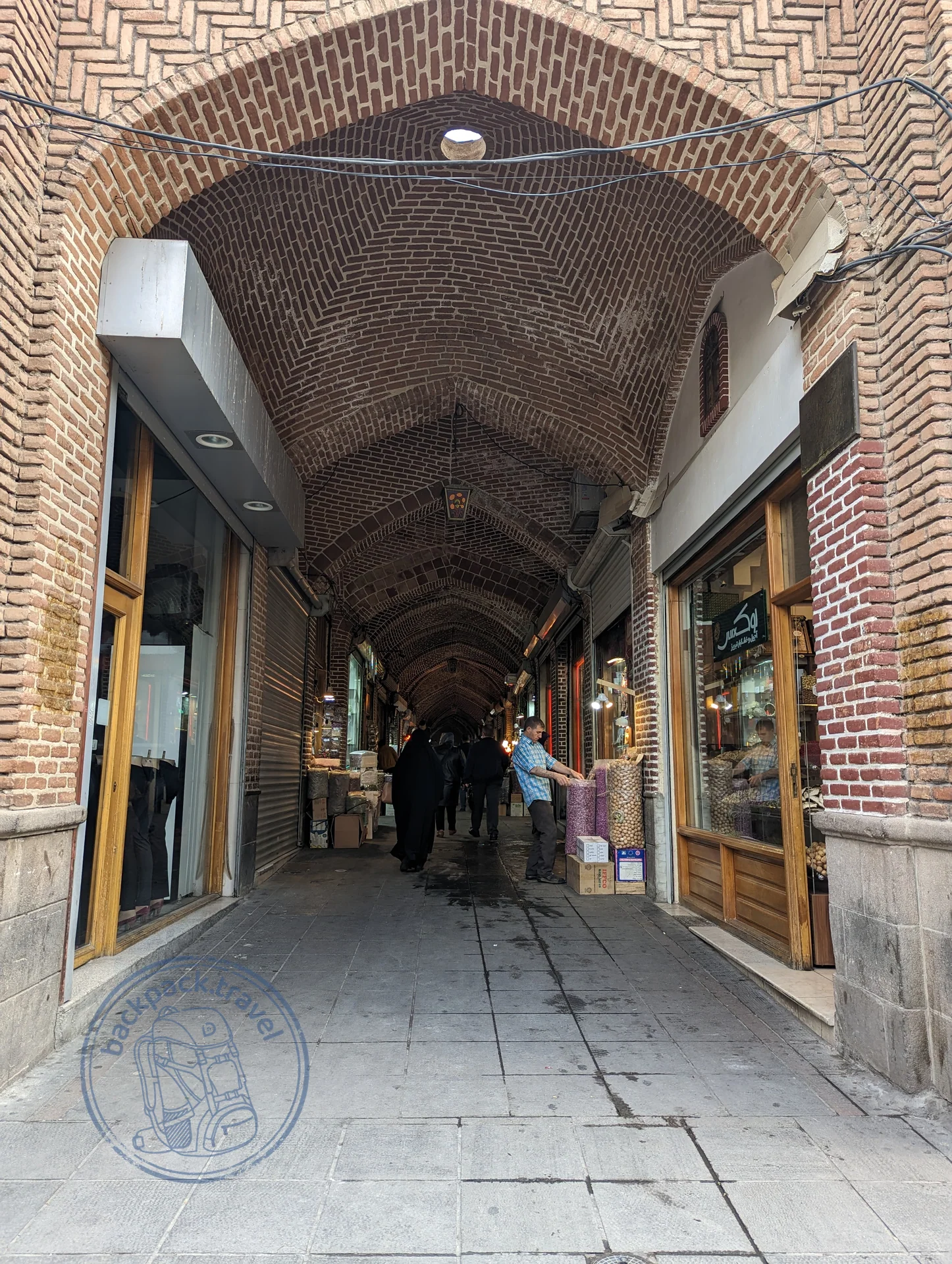
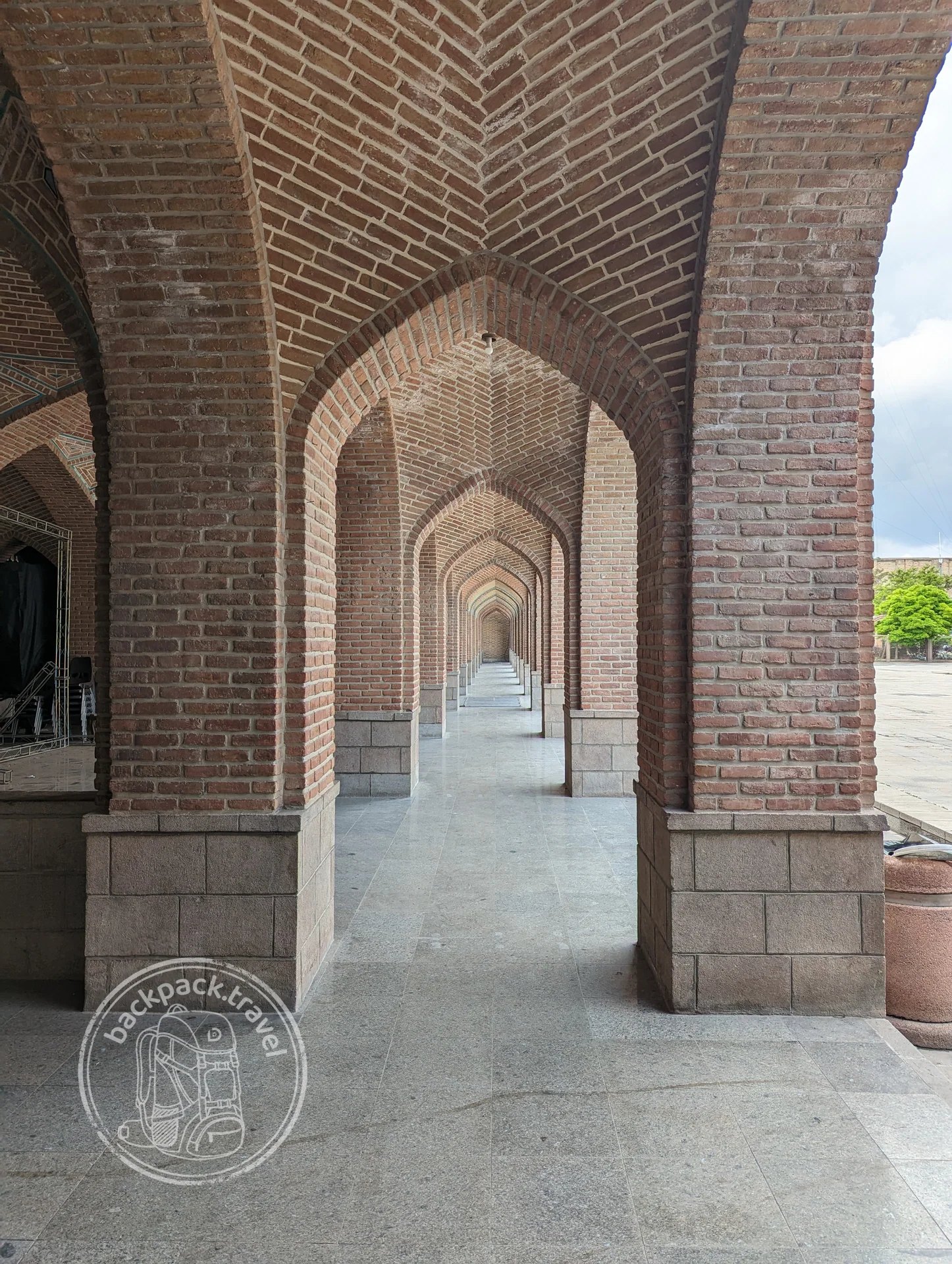
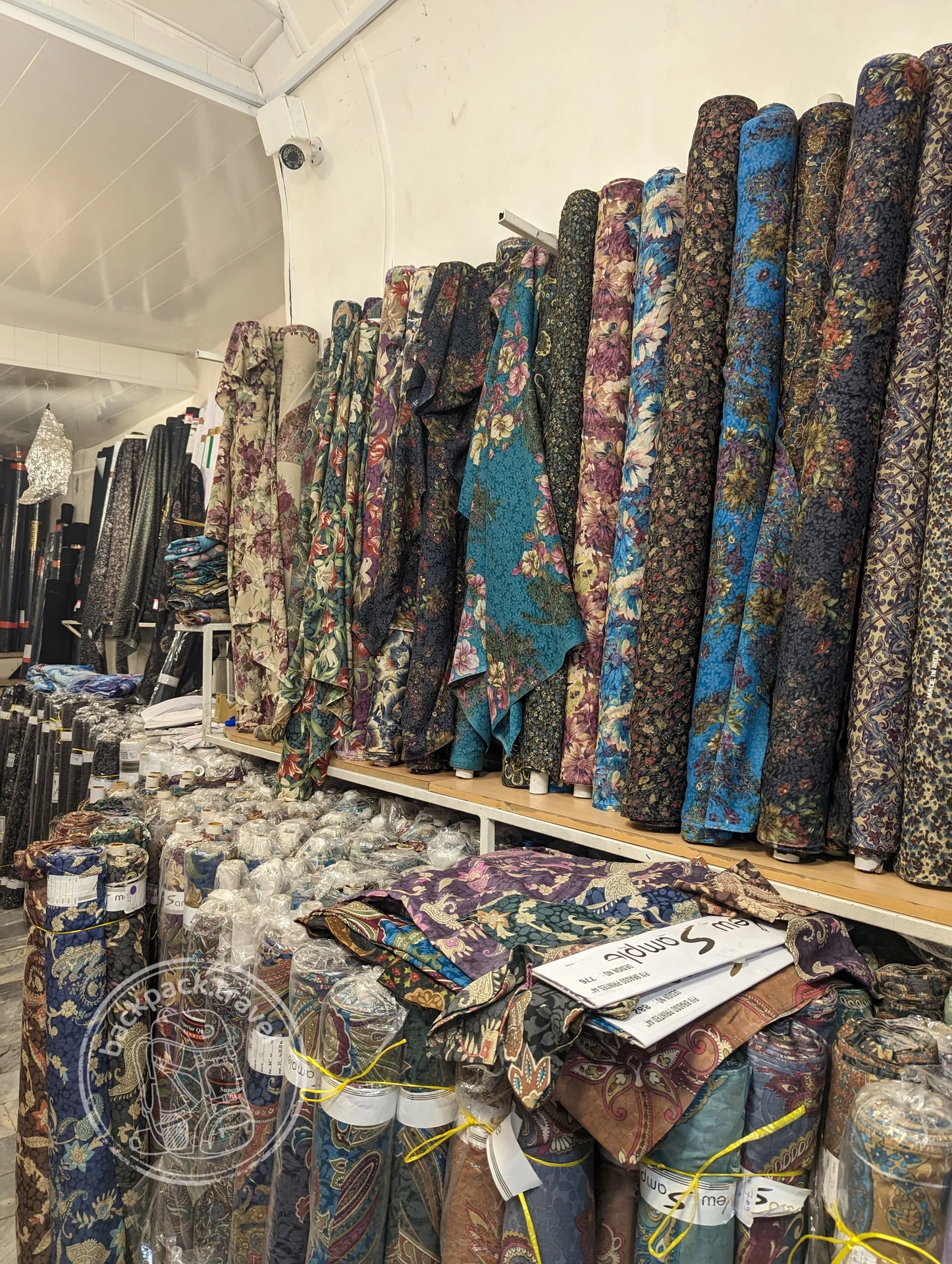
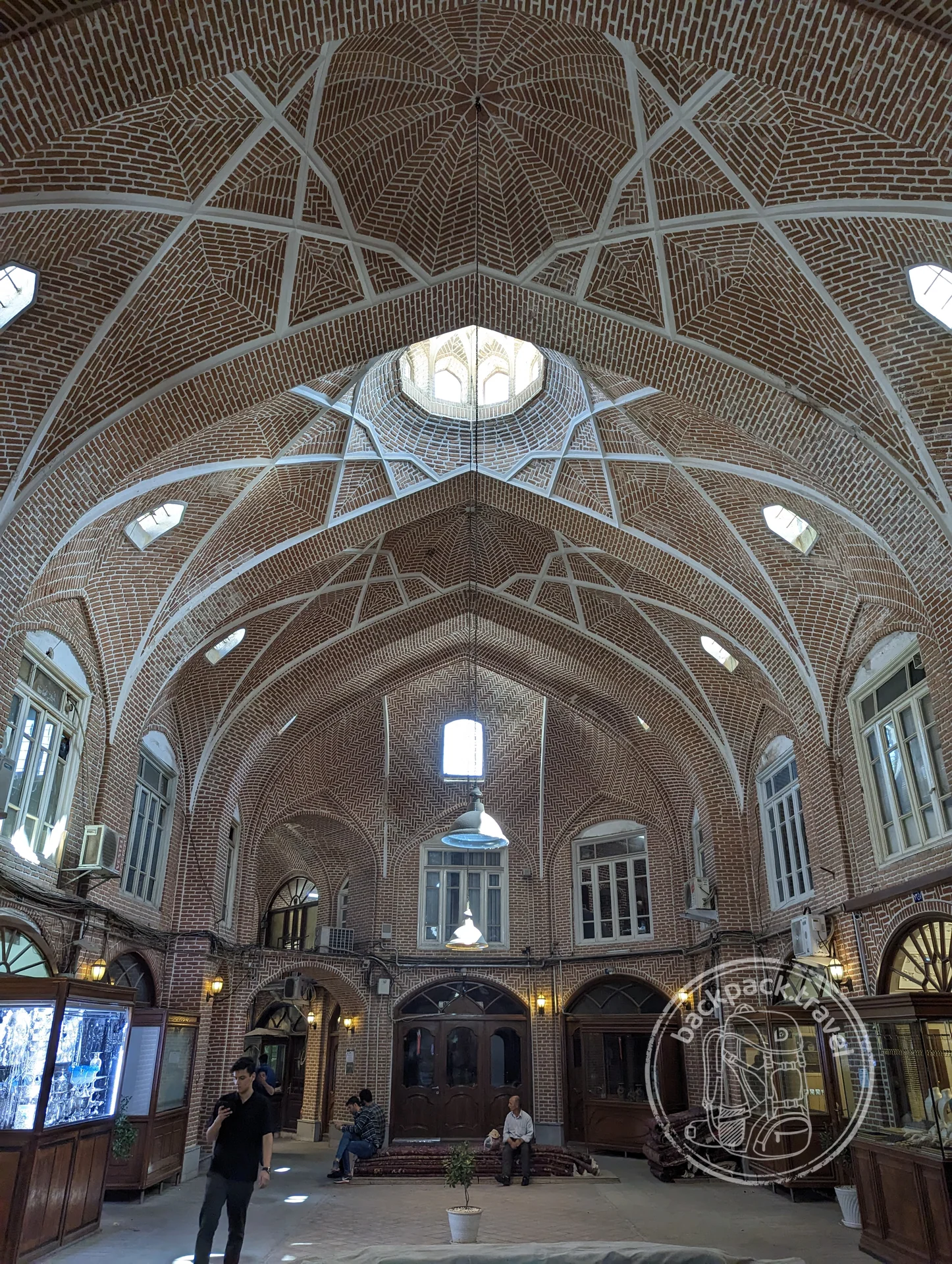
The covered bazaar of Tabriz is one of the oldest and largest trading complexes in the Middle East: kilometres of passageways run beneath brick vaults, linking dozens of specialised rows, caravanserais, mosques, schools and bathhouses. Trade was going on here as early as the beginning of the Middle Ages, when Tabriz stood on the routes from Asia to Europe, while the present buildings date mostly from Safavid and Qajar times, after the destructive earthquake of the eighteenth century. Each row is given over to its own goods: gold separately, and separately shoes, tableware, spices and fabrics, but the main commodity has always been the carpet, and Tabriz carpets went out across the Ottoman Empire and Europe. The vaults are laid in fired brick and pierced with light openings, so the galleries hold an even, diffused light by day and stay cool in summer. The most impressive part is the domed hall of the carpet dealers, Timcheh-ye Mozaffariyeh. In 2010 the complex was inscribed on the UNESCO World Heritage List.
The bazaar is alive and enormous. To avoid getting lost, keep to the main axis and look into the carpet dealers' domed hall, Timcheh-ye Mozaffariyeh. It is better to come during the day; on Fridays many rows are closed. People buy Tabriz carpets and sweets here. Payment is in cash.
- Address
- قدیم راستا بازاری, Tabriz
On the map
Reviews (0)
No reviews yet. Be the first!
Updated