
Japan
A country where thousand-year-old temples sit next to the neon delirium of the megacities. Cherry blossom and shinkansen, ramen and ryokan, robots and tea ceremonies — Japan resets your sense of what is possible and offers an experience like nowhere else.
どこへ行く
#
Tokyo
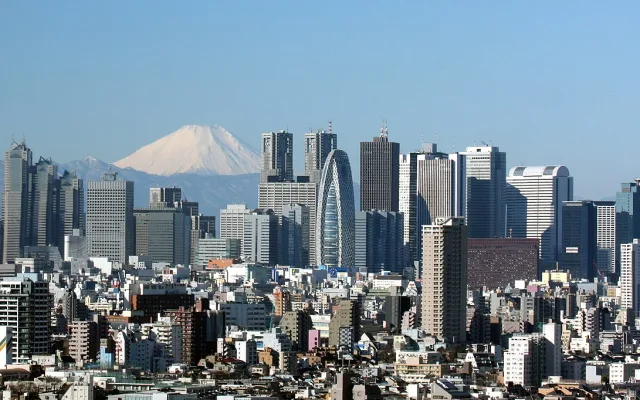
Japan's capital is a city of the future, where the traditions of haiku sit alongside neon towers and more Michelin stars than anywhere else on earth.
Kyoto
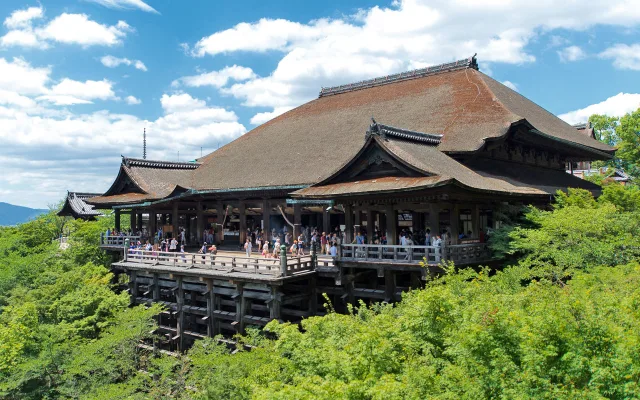
Japan's ancient capital, with a thousand temples, rock gardens and the geisha quarter of Gion.
Osaka
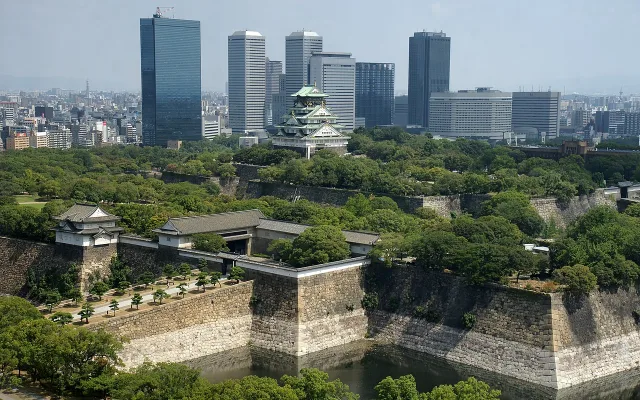
Japan's food capital, with a castle, the neon-lit Dotonbori canal and the best street eating in the country.
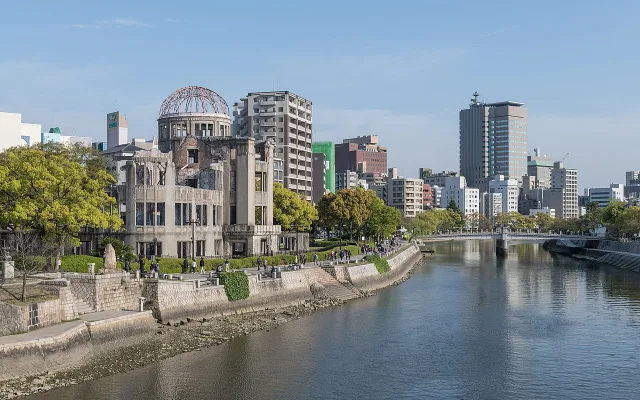
Hiroshima
A city reborn after the tragedy of 1945 — home to the Peace Park and the island of Miyajima with its "floating" gate.
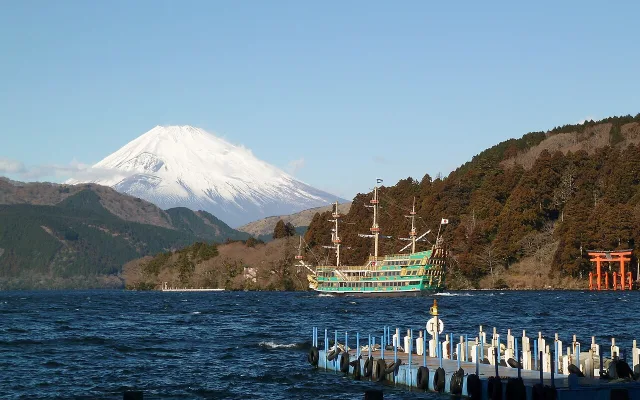
Hakone
A mountain spa town within reach of Tokyo, with views of Fuji, hot springs and traditional ryokan inns.
見どころ
#What to see first: Start at Senso-ji in Asakusa for the classic experience of a massive red lantern and traditional market stalls. It is the city's oldest temple and very touristy, but it remains a must for every first-time visitor.
Worth a trip: Fushimi Inari in Kyoto is the hillside covered in thousands of orange gates. Go at 6 AM or you will just be staring at the back of other people's heads while trying to walk up the trail.
Can you do it in a day: You can definitely visit Nara's Todai-ji temple as a quick day trip. The wooden hall is one of the largest on the planet and the bronze statue inside is genuinely mind-blowing in its scale.
Where to go for views: Shibuya Scramble Square has a high rooftop called Shibuya Sky. It is a much better option than the old towers for seeing the endless city sprawl and the famous crossing below.
Overrated spots: The Arashiyama Bamboo Grove is often a letdown because it is much shorter than it looks in professional photos. Try finding a quieter forest in Kamakura for a more peaceful and authentic feeling.
Neon madness: Dotonbori in Osaka is where the giant moving crabs and flashing signs are located. It is the best place to feel the urban pulse and see the famous Glico Man sign glowing over the canal.
Golden glow: Kinkaku-ji is literally covered in gold leaf and reflects perfectly in the surrounding pond. It is a quick walk-through for a photo, so don't expect to spend a whole afternoon on the grounds.
物価
#Currency: You will use Japanese Yen for almost every transaction. The current exchange rate makes the country feel quite affordable compared to many Western capitals, especially when it comes to high-quality meals.
Cash: Carry around 10,000 yen in your pocket at all times. While big department stores take cards, many small ramen shops, local buses, and temples are strictly cash-only and will not have card readers.
Cards: You can use your phone or plastic at convenience stores and most train stations. Machines inside 7-Eleven are the most reliable places to withdraw more money using your international bank cards.
Tipping: There is no expectation of extra payment for service in any setting. Leaving coins on a restaurant table will likely result in a waiter chasing you down the street to return what they think you forgot.
Budgeting: You can eat well for very little if you stick to local chain restaurants and supermarkets. A satisfying bowl of noodles or a rice set often costs less than a basic fast food burger back home.
| Item | Price (USD) |
|---|---|
| Ramen bowl | 8.00 |
| Konbini bento | 5.50 |
| Coffee cup | 3.50 |
| Subway ride | 1.80 |
| Temple entry | 4.00 |
| Capsule bed | 35.00 |
| Business hotel | 75.00 |
| Shinkansen ticket | 95.00 |
| Beer in store | 2.50 |
| Takoyaki plate | 5.00 |
| Water bottle | 1.00 |
| Izakaya dinner | 25.00 |
| eSIM plan | 20.00 |
| Umbrella | 4.50 |
移動手段
#Bullet trains: The Shinkansen is fast and spotlessly clean but very expensive. Buy individual tickets at the station unless you are zig-zagging across the entire country multiple times in a single week.
IC cards: Buy a Suica or Pasmo as soon as you land at the airport. You tap it on the gates for subways and buses, and it even works at vending machines and most convenience stores.
Local lines: Trains are always on time, often departing at the exact second scheduled. Follow the color-coded signs on the floor and walls in the stations to find the correct platform for your trip.
Bus rules: In cities like Kyoto, you usually get on at the back door and pay at the front when getting off. Use your IC card to tap the reader both times to save yourself from fumbling with coins.
Walking: Expect to walk at least 10 miles every single day of your trip. The stations are massive, and transferring between different lines often involves walking through long underground tunnels.
Taxis: These are a luxury and the doors open and close automatically. Don't touch them yourself, as you might startle the driver or damage the mechanism which is controlled by a lever in the front.
Regional passes: If you are staying in one specific area like Kansai for a few days, look for local tickets. They are often much cheaper than buying individual fares for every small journey you make.
宿泊
#Business hotels: These are the backbone of independent travel throughout the country. Rooms are tiny and very compact, but they are perfectly clean and provide everything from pajamas to green tea.
Traditional inns: Booking a ryokan for at least one night is a great way to splurge. You sleep on a futon on the floor and usually get a massive multi-course seasonal dinner included with the price.
Capsule stays: These pods are a fun experience for a night if you aren't claustrophobic. They are cheap and efficient, but keep in mind that you usually have to check out and back in every morning.
Guesthouses: Small guesthouses in Kyoto or Osaka are great for meeting other travelers. Many are located in renovated old wooden houses that provide a lot of local character and a cozy atmosphere.
Location choice: Stay near Shinjuku or Umeda stations for the best transport links to other areas. It saves you from extra transfers and long walks when you are tired at the end of a long day.
Booking ahead: Popular spots in the big cities fill up months before the cherry blossom season begins. If you are traveling in spring, you should reserve your beds at least half a year in advance.
食事
#Quick bites: Convenience stores like Lawson are a goldmine for cheap and tasty meals. Their egg sandwiches and rice balls are actually high quality and are restocked multiple times every single day.
Noodle shops: Slurping your ramen is not just okay, it is actually expected. It helps cool the hot noodles and shows the chef that you are enjoying the flavor of the broth they have prepared.
Street snacks: Osaka is the absolute best place to try octopus balls called takoyaki. They are served piping hot, so be extremely careful not to burn your mouth on the very first bite.
Vending machines: You will find these on almost every street corner selling hot and cold drinks. They are perfect for grabbing a cheap canned tea or coffee while you are on the move between sights.
Izakaya life: These are local gastropubs where you order many small plates to share with your group. It is the best way to try many different dishes in a loud and fun social atmosphere.
Department stores: Check the basement floors of big stores like Daimaru for amazing variety. These food halls sell incredible bento boxes that often get discounted heavily late in the evening.
Dining etiquette: Never stick your chopsticks upright in a bowl of rice. This is a rite performed at funerals and will make everyone around you very uncomfortable if you do it at a restaurant.
治安
#Crime rates: You can walk almost anywhere at any hour of the night without a worry. It is very common to see people leave their bags on chairs to save a spot while they go to order their food.
Natural events: Earthquakes happen frequently, but the buildings are built to sway with the movement. If you feel one, stay calm and follow the emergency instructions that will appear on your phone.
Summer heat: July and August are brutal months with very high humidity levels. Drink plenty of water from the ubiquitous vending machines to avoid heatstroke while you are out exploring the city.
Police boxes: Small koban stations are found near every major train hub and neighborhood. Go there if you get lost or lose an item; the officers are incredibly helpful to visitors and very patient.
Hospital costs: Medical care is excellent but will cost you a small fortune without the right protection. Make sure your personal policy covers international incidents before you start your journey.
Emergency drills: You might see locals practicing for disasters in public spaces. It is taken very seriously by everyone, so just be respectful and stay out of the way during a scheduled drill.
マナーと文化
#Noise levels: Talking loudly on the train is considered a major social error. Keep your phone on silent mode and save your long conversations for when you finally step outside the station.
Bowing basics: A simple nod or a small bow is the standard way to say hello or thank you. You don't need to overthink the depth of the angle to be considered polite by the people you meet.
Trash duty: You won't find many bins on the city streets. Carry a small plastic bag with you to keep your wrappers in until you can get back to your hotel room to dispose of them properly.
Queue culture: People stand in perfect lines for everything from the subway to popular ramen shops. Never try to cut in or push through a crowd, as it is seen as incredibly rude behavior.
Shoe rules: You must take your shoes off at the entrance of many temples and traditional inns. Look for the designated cubbies or use the small plastic bags often provided by the staff.
Escalators: Stand on one side and let people pass on the other to keep the flow moving. The side changes depending on the city, so just watch what the locals are doing and follow along.
Public baths: You must wash yourself completely while sitting on a stool before you ever touch the communal hot water. Never wear a swimsuit or bring a large towel into the actual bath.
通信・インターネット
#Stay connected: Buy an eSIM before you leave your home country. Having a live map on your phone is the only way to navigate the maze-like train stations and find small restaurants in hidden alleys.
Language gap: Most people speak very little English outside of the major international hotels. Don't expect to have a long conversation; stick to simple words, polite gestures, and clear pointing.
Translation tools: The camera feature on your translation app is a lifesaver for reading menus and signs. Just point it at the kanji characters and it will translate the text into English instantly.
Signs and maps: Major train stations have English labels on almost every directional sign. Follow the exit numbers carefully, as taking the wrong one can easily add twenty minutes to your walk.
Polite nods: If you can't find the right words to say, a small bow and a smile go a long way. Most people are patient and will try their best to help you if you approach them respectfully.
Apps to get: Download a dedicated transit app for the most accurate train data. While maps are good, local apps often tell you exactly which train car is closest to your specific exit.
会話集
#| English | Japanese | Pronunciation |
|---|---|---|
| Excuse me | すみません | Soo-mee-ma-SEN |
| Thank you | ありがとう | Ah-ree-GAH-toh |
| Yes / No | はい / いいえ | HAH-ee / EE-yeh |
| Please | お願いします | Oh-neh-gah-ee-shee-MAHS |
| How much? | いくらですか | EE-koo-rah dess kah? |
| Delicious | 美味しい | Oy-SHEE |
| Check please | お会計 | Oh-kah-ee-keh |
| I don't understand | わかりません | Wah-kah-ree-mah-SEN |
| Where is...? | どこですか | DOH-koh dess kah? |
| Water | 水 | Mee-ZOO |
| Beer | ビール | BEE-roo |
| Help! | 助けて | Tah-soo-KEH-teh |
| Awesome! | すげえ | Soo-GEH-eh |
| Seriously? | まじで | MAH-jee deh |
| No way! | やばい | Yah-BAH-ee |
| Cool | かっこいい | Kah-koh-EE |
| Hello | こんにちは | Kon-NEE-chee-wah |
| Goodbye | さようなら | Sah-yoh-NAH-rah |
| Welcome | いらっしゃいませ | Ee-rah-shah-ee-MAH-seh |
| Toilet | トイレ | TOY-reh |
役立つ情報
#Power needs: Japan uses flat two-pin plugs like those in North America. Most of your modern gadgets will work fine, but you will definitely need a small adapter if your home country uses a different style.
WiFi access: Free public internet is spotty and usually requires a painful registration process. It is much better to have your own data plan or a pocket device if you want to stay online reliably.
Luggage help: Look for the Takkyubin service at your hotel front desk. You can ship your big suitcases from one city to the next for about fifteen dollars, so you don't have to lug them on trains.
Vending coins: Keep a pocket full of 100-yen coins at all times. You will need them for laundry machines, station lockers, and grabbing a quick hot coffee from a machine while you wait.
Train timing: If a train schedule says it leaves at 10:04, it will be moving away from the platform at exactly 10:04. Don't be the person running and shouting at the last second; you will miss it.
Walking side: Follow the flow of the local crowd. In Tokyo, people generally keep to the left on paths, but in Osaka, they often stand on the right. Just observe the person in front of you.
Public toilets: These are found in every station and are usually spotlessly clean. Most have heated seats and a control panel for water sprays or privacy sounds for your comfort.
よくある質問
#Japan is exceptionally safe for solo travelers and families alike. Violent crime is very rare, and it is perfectly normal to see young children commuting alone on subways. Your biggest concerns will be natural weather events like summer humidity or tremors rather than personal safety issues.
For a traveler seeking comfort, expect to spend about two hundred to two hundred fifty dollars per day on the ground. This covers a nice business hotel room, great restaurant meals, and local transport. You can do it for under one hundred dollars if you stay in hostels and eat from convenience stores.
The pass had a massive price hike recently and is now rarely worth the cost for the average tourist. For a standard trip between Tokyo and Kyoto, it is much cheaper to just buy individual tickets at the station. Use an online calculator to check your specific route before spending your money.
Big hotels and major department stores will take your card without any issues. However, you still need cash for small local cafes, temple entrance fees, and charging your transport IC card. Always have several thousand yen in your wallet for these specific daily situations.
Peak bloom usually happens between late March and early April in cities like Tokyo and Kyoto. This is the busiest and most expensive time of the year to visit, so you must book everything months in advance. The actual flowers only last for about one week on the trees.
An eSIM is the most convenient and affordable choice for most independent travelers today. You can set it up before you even leave home and have data the moment you land. If you are traveling in a large group, a pocket WiFi device might be better for sharing one connection.
Tipping is not part of the culture and can sometimes be seen as confusing or even slightly insulting by the staff. The price you see on the menu is exactly what you pay at the register. Good service is considered the standard and is already included in the cost of your meal.
The Narita Express is the most comfortable way to reach major hubs like Shinjuku or Tokyo Station. If you are on a tight budget, look for the local Keisei lines or the airport limousine buses that drop you at hotels. The trip usually takes between sixty and ninety minutes.
Yes, but with restrictions. Registration is mandatory for drones from 100 g — lighter models can fly without it. This is one of the lowest thresholds in the world — the popular 249 g models do not get you off the hook here. Remote ID is required. Flights over densely inhabited districts (DID) — which covers most of Tokyo and Osaka — need permission, and city parks are off limits. Rules for other countries are in the drone ranking by country.
Neither a national nor an international licence is enough — you need a local permit. Traffic drives on the left. Car rental starts at 18. Only the 1949-convention IDP is recognised — Russian licences do not qualify, so you need an official JAF translation or a Japanese licence. Rules for other countries are in the driving and rental table.
A foreign licence will not do for a bike — you need a local permit. Crucially, your licence must include category A. Category B is not enough — this is what catches most riders out. A helmet is compulsory. Bike rental usually starts at 18. Rules for other countries are in the driving and rental table.
One of the lowest levels of street crime in the world. Intentional homicides: 0.229 per 100,000 a year (UNODC, 2024 data). Corruption is effectively absent: rank 18 of 180 on the Transparency International index, and offering a bribe is a crime in itself. Police — 110, ambulance — 119. Ratings for other countries are in the safety table.
更新日
The data on this page goes out of date. Visa rules and permitted stays, border requirements, prices and budgets, transport and local conditions all change fast, and we do not re-check every page every day. We show the date of our last check where we have one, but before you travel, verify with official sources: the country’s consulate, its immigration service, its e-visa portal and your carrier.