Description
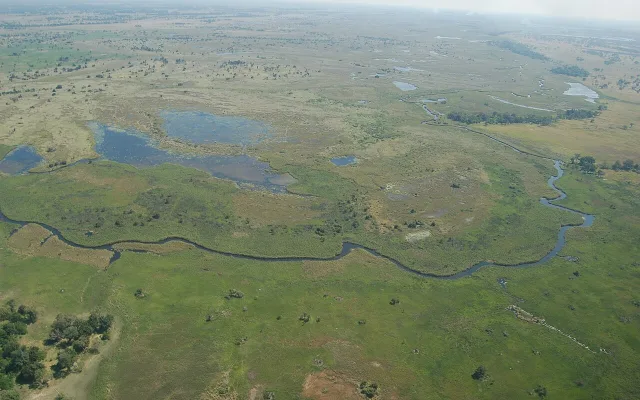
Maun is a town that serves as the jumping-off point for safari charters and mokoro tours into the Okavango Delta.
Wiki
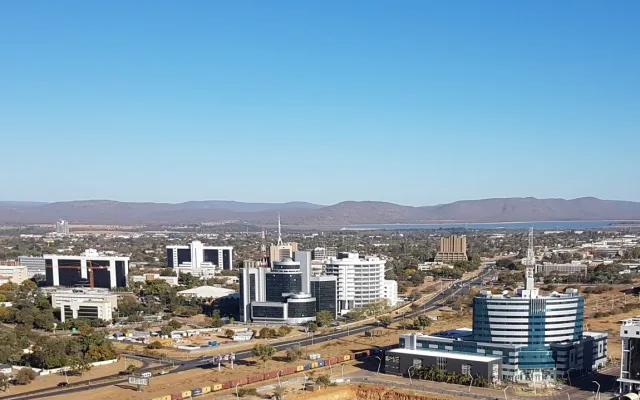
Maun is the administrative centre of the North-West District of Botswana and the main gateway to the Okavango Delta, the largest inland delta on Earth. Most safaris and water excursions by traditional mokoro canoe begin here, which is why this modest-sized town is considered the country's tourism capital.
Overview
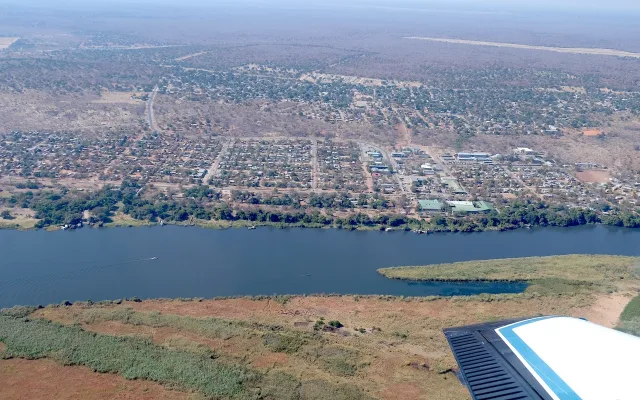
Maun lies on the south-eastern fringe of the Okavango Delta, on the banks of the Thamalakane River, which carries off part of the floodwaters from this vast wetland system. The town's name goes back to the word maung, meaning roughly "the place of short reeds." For a long time it was a quiet settlement of Batawana cattle herders, but with the growth of tourism in the second half of the 20th century Maun expanded rapidly into a busy transport hub.
Today the town blends the character of a traditional African village with that of a modern tourist centre: mud-walled homesteads and cattle kraals sit alongside tour operators, bush-air companies, lodges and equipment shops. The permanent population numbers several tens of thousands.
Getting There
- By air. Maun Airport is one of the busiest in the country by number of movements, as it handles the main flow of charter flights to remote camps inside the delta. Scheduled services connect Maun with Gaborone as well as neighbouring countries via connecting flights.
- By road. Tarred highways link Maun with Francistown to the east and Ghanzi to the west. Many travellers arrive in rented 4WDs, continuing on to Chobe National Park or the delta.
The Okavango Delta
The primary reason to come to Maun is the Okavango Delta, a UNESCO World Heritage Site. The Okavango River does not reach the ocean but instead fans out across the sands of the Kalahari, forming a labyrinth of channels, islands, lagoons and reed beds. This ecosystem supports an extraordinary variety of wildlife: elephants, buffalo, hippos, crocodiles, antelope, lions and hundreds of bird species.
Typical ways to explore the delta:
- Mokoro — a trip by narrow dugout canoe, propelled by a guide using a pole. Gliding silently through shallow channels allows close-up views of birds and smaller wildlife.
- Light-aircraft flights over the delta, revealing the winding waterways and herds of animals from above.
- Walking safaris on the islands, led by experienced guides.
- Multi-day fly-in trips to remote camps reached by small plane.
What to See in Town
Maun is primarily a base and starting point, but there is enough to fill a day or two:
- The Thamalakane River, with riverside walking areas and lodges offering good sunset views.
- The Nhabe Museum, in an old colonial building — a small display on the region's history and work by local artists.
- Craft shops and markets selling woven baskets, wooden items and local souvenirs.
- Batawana culture: the town retains a strong cattle-herding tradition, and the surrounding villages give a sense of everyday rural life in Botswana.
Practical Information
- When to go. Water levels in the delta vary throughout the year. The flood pulse from Angola typically reaches the Maun area during the dry winter months (roughly May to August), making mokoro trips most spectacular and the dry conditions ideal for game viewing.
- Climate. The region has a hot, rainy summer (November to March) and a mild, dry winter with cool nights.
- What to pack. Lightweight, neutral-coloured clothing, a hat, sunscreen, insect repellent and shoes you don't mind getting wet are all useful.
- Health. The area is in a malaria zone, so consult a doctor about prevention and insect protection before you travel.
How Long to Allow
Two days is enough to see Maun itself and make a day trip into the delta: the first day to settle in, walk around town and along the Thamalakane; the second for a mokoro trip or a scenic flight. If the goal is a multi-day safari deep inside the delta, Maun becomes the departure point from which travellers fly out to remote camps and return.