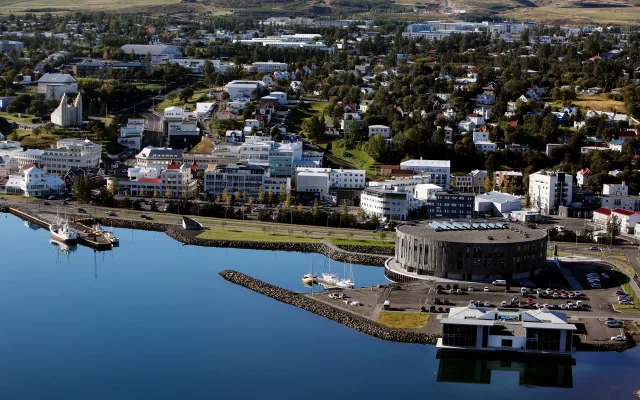
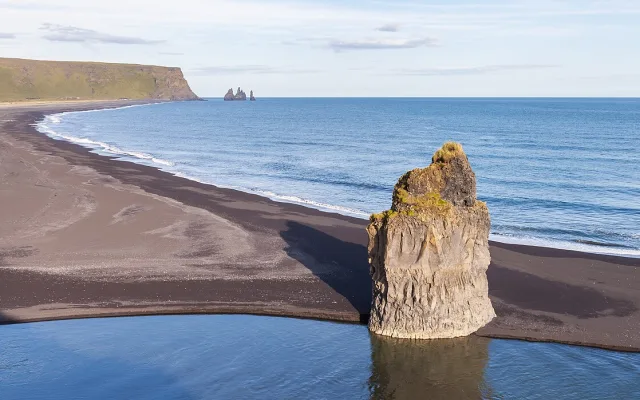
Description
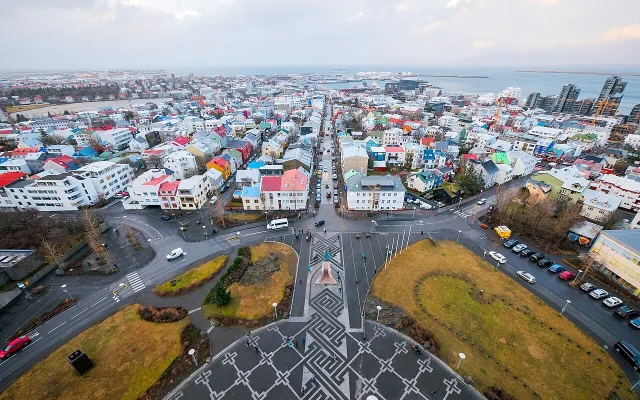
Reykjavík is the world's northernmost capital, known for natural attractions such as the Blue Lagoon and the northern lights, as well as the Golden Circle day-trip route.
Wiki
The world's northernmost capital and main gateway to Iceland — around 140,000 people in the city proper and 230,000 in the greater urban area (60% of the country's population in one place). One of the most expensive cities in Europe, but also one of the happiest, safest and most sustainable. 100% of its energy comes from geothermal and hydroelectric sources, including the underground pipes that keep pavements ice-free in winter. The city also has a formidable food scene and one of the world's most celebrated music scenes (Björk, Sigur Rós, Of Monsters and Men). It is the natural base for exploring every corner of Iceland.
Main sights
- Hallgrímskirkja — Iceland's landmark Lutheran cathedral, completed in 1986 and standing 74.5 m tall; visible from across the city. The tower lift gives the best panoramic view.
- Harpa Concert Hall — opened in 2011, with a striking geometric glass facade designed by Olafur Eliasson. The most important contemporary building in Reykjavík.
- Sun Voyager (Sólfarið) — a steel sculpture evoking a Viking longship, set on the waterfront.
- Tjörnin (City Pond) — the central pond in the heart of the city, home to ducks and swans; an ice rink in winter.
- Reykjavík Old Harbour — the historic harbour, with whale-watching tours and waterfront restaurants.
- National Museum of Iceland — the country's main museum, covering the Viking age and medieval Iceland.
- Saga Museum — wax figures recreating scenes from the Icelandic sagas.
- Phallological Museum — yes, the world's only museum of its kind, with 280 specimens ranging from whale to mouse.
- Blue Lagoon — Iceland's flagship geothermal spa, 50 km from the city on the way to the airport; book one to two months ahead.
- Sky Lagoon — a newer (2021) geothermal lagoon within Reykjavík itself, somewhat more accessible in price.
- Perlan — a glass dome set atop six geothermal hot-water tanks, housing a viewing deck and a glacier and ice-cave exhibition.
- Golden Circle (Þingvellir, Geysir, Gullfoss) — the classic day trip taking in Iceland's three most iconic natural sites; organised tours run 50–80 EUR ($55–$88).
- South Coast — the waterfalls Skógafoss and Seljalandsfoss, the black-sand beach at Reynisfjara, and Sólheimajökull glacier.
Food and prices
Icelandic staples to try: hákarl (fermented shark — for the adventurous), plokkfiskur (fish gratin), kjötsúpa (lamb soup), skyr (Icelandic strained yoghurt), smoked salmon, lamb, and the famous hot dogs at Bæjarins Beztu — a compulsory stop. Lunch at a café runs 25–35 EUR ($28–$39), dinner at a restaurant 60–110 EUR ($66–$121). Coffee costs around 5 EUR ($6) and a pint of beer 12–15 EUR ($13–$17). A litre of petrol is about 2 EUR ($2), a single journey on the Strætó bus network 4 EUR ($4), and a taxi 25–50 EUR ($28–$55). Prices are as of 2026.
Getting around
Keflavík International Airport (KEF) is 50 km from the city and served by Icelandair, Wizz Air, easyJet and direct flights from North America. The Flybus express coach to the city centre costs 24 EUR ($26) and takes about 45 minutes. A taxi from the airport runs 110–130 EUR ($121–$143). Within the city, the compact centre is very walkable; the Strætó bus network covers wider areas. A 4×4 rental costs 80–150 EUR ($88–$165) per day and is recommended for the Ring Road. The Reykjavík City Card offers good value for multiple attractions.
When to go
June to August brings temperatures of 10–15°C and the midnight sun (round-the-clock daylight in June). September to March is northern-lights season — you need clear skies and low light pollution. December to February offers only 4–5 hours of daylight and temperatures of −2 to −10°C. Iceland Airwaves, the country's premier music festival, takes place in November. The main long-form Iceland itinerary is the Ring Road (1,332 km, best done in 7–10 days); shorter trips fan out daily from Reykjavík.