 Города и дороги
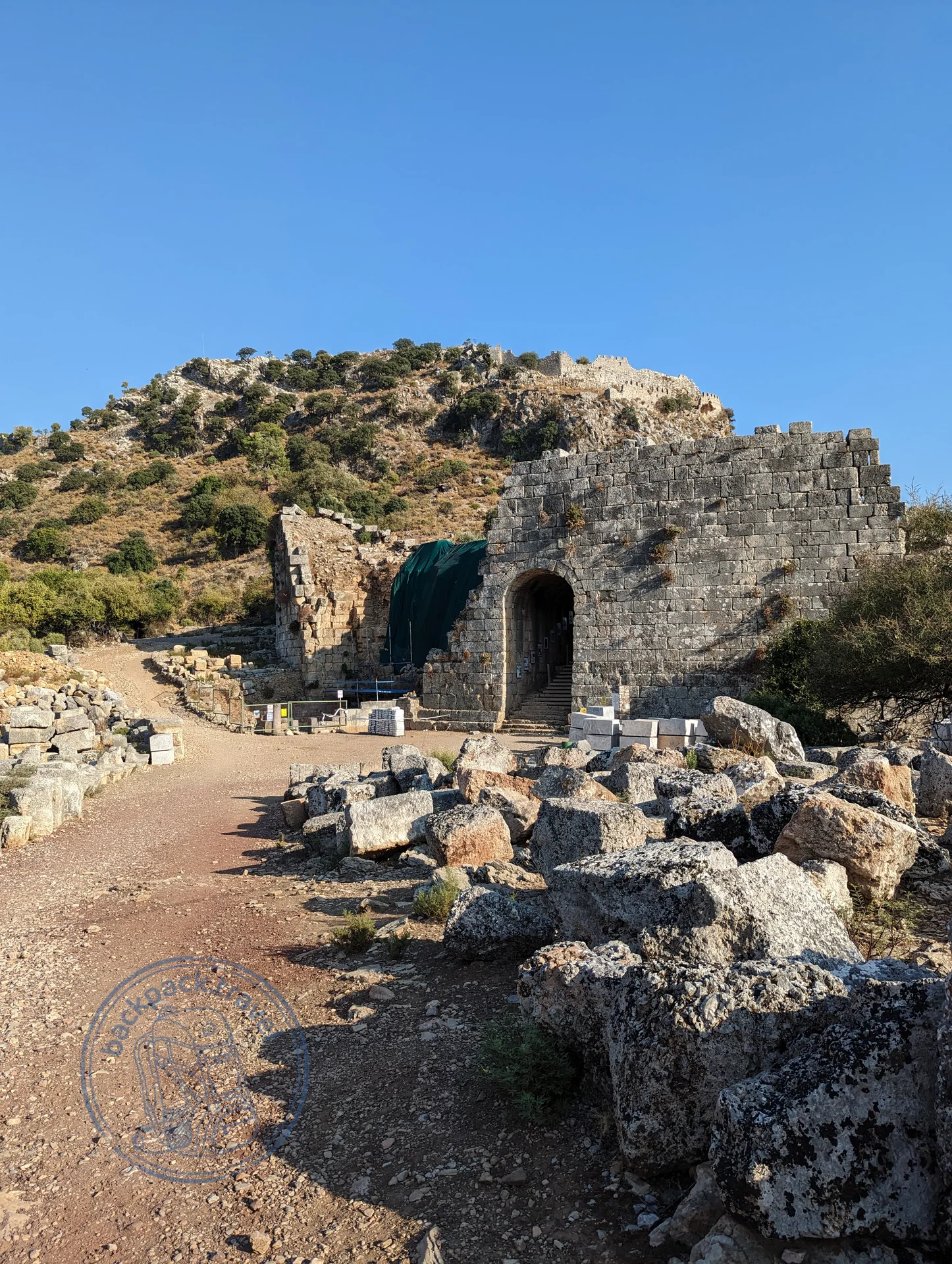
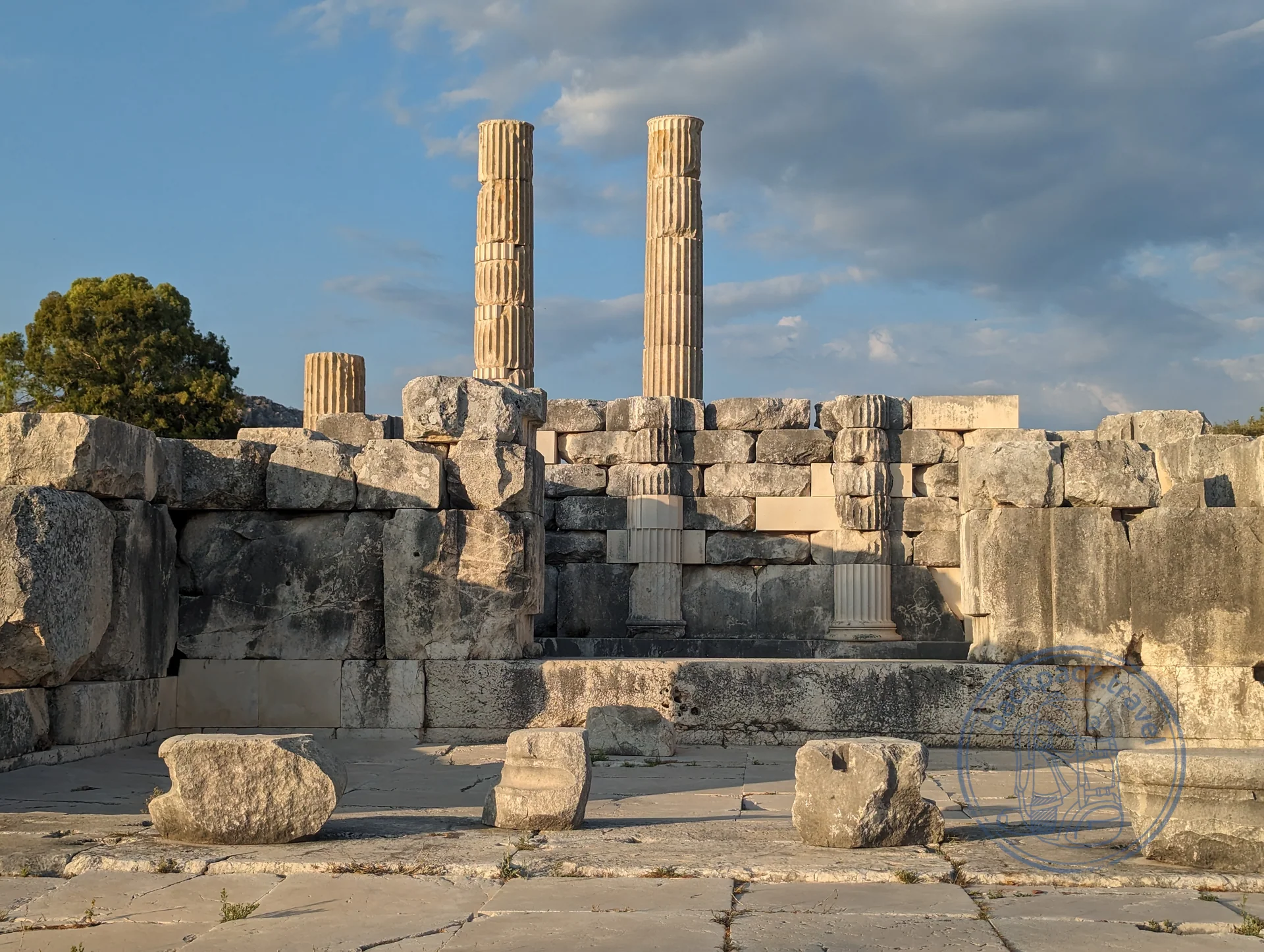
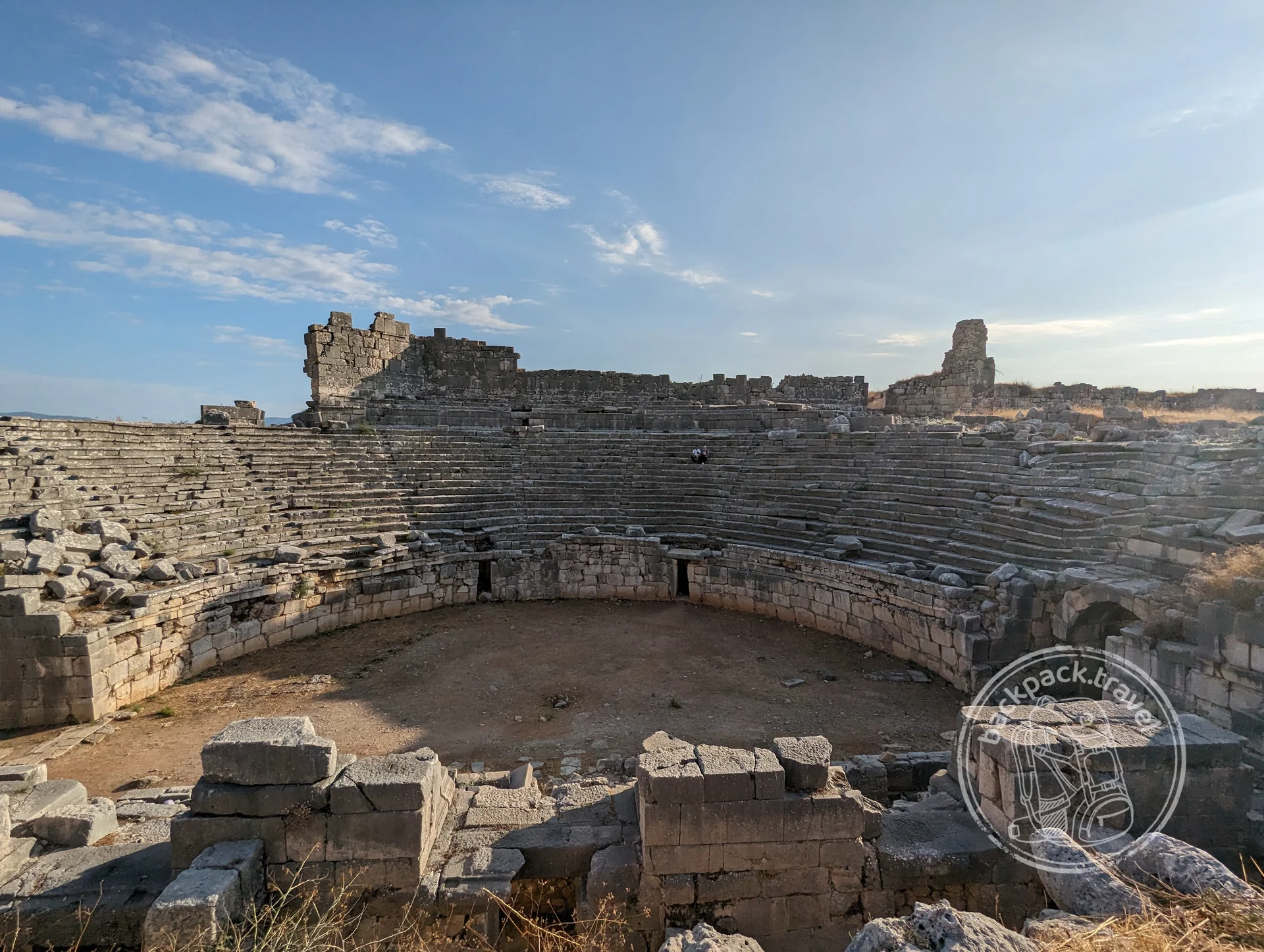
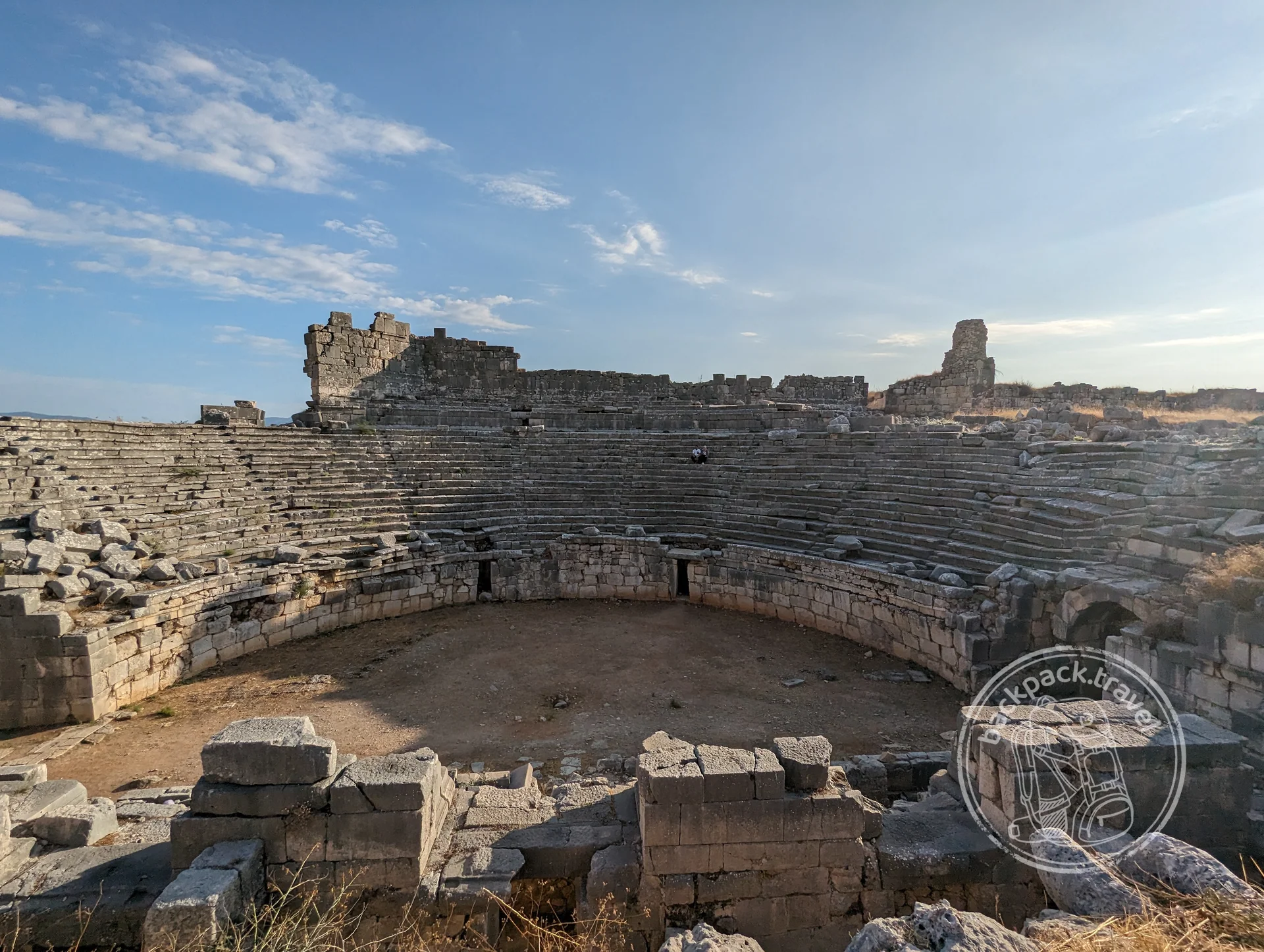
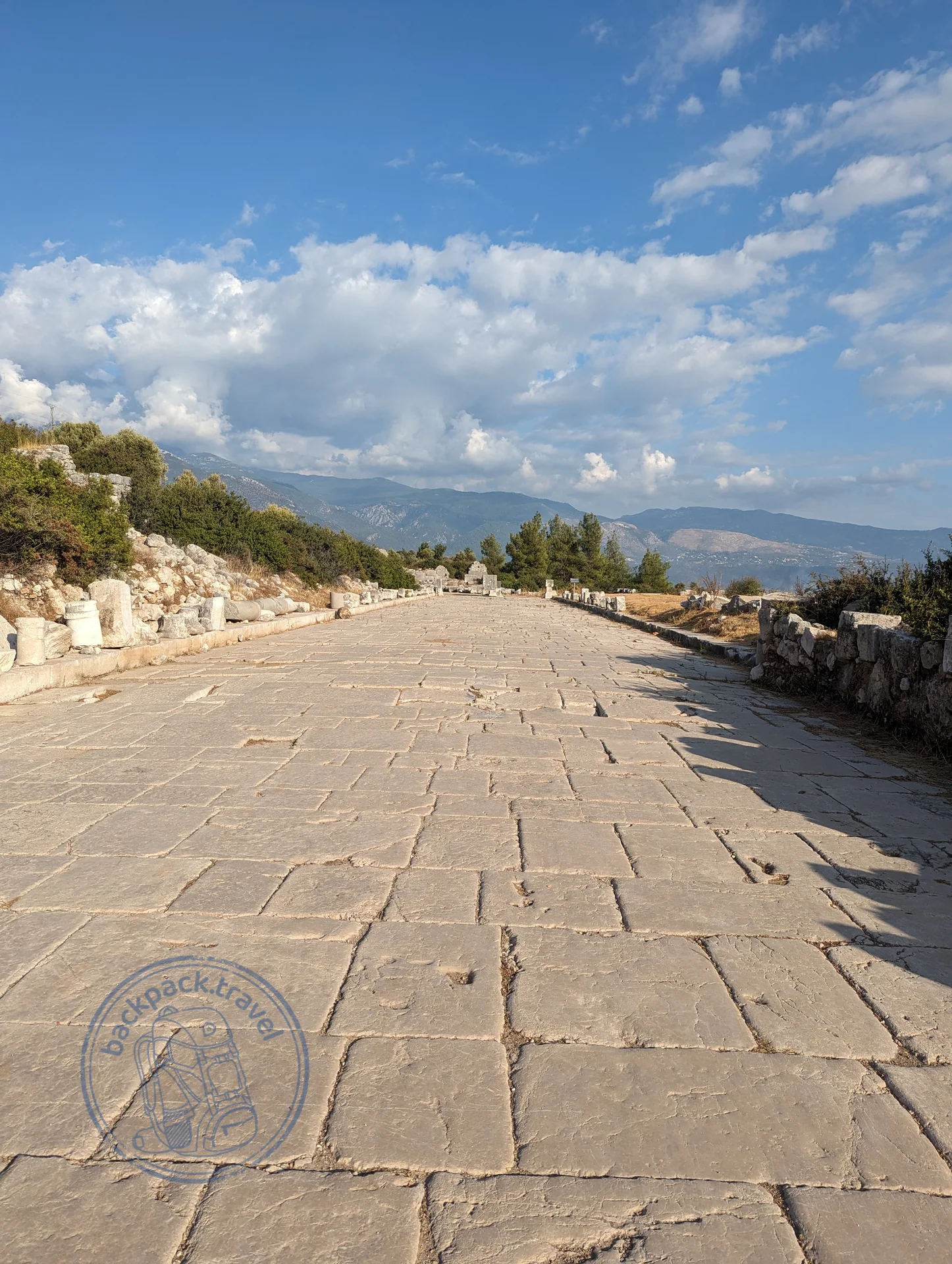
Xanthos was the largest city of Lycia and its capital, as shown by an inscription found here that calls it the metropolis of the Lycian people. The city stood on a hill above the river of the same name and twice in its history perished entirely: in 540 BC during the siege by the Persian general Harpagus and in 42 BC during the assault by the troops of Brutus, and on both occasions, according to ancient authors, the inhabitants chose to burn themselves along with the city. Rebuilt under the Romans, Xanthos became the centre of the province and acquired a theatre, an agora and paved streets. Its main distinctive feature is the Lycian funerary monuments: tall stone pillars with a chamber on top, among them the Harpy Tomb with reliefs of winged creatures and a pillar bearing the longest known inscription in the Lycian language. Many of the reliefs, including the Nereid Monument, were taken to the British Museum in the 1840s by Charles Fellows. The site, together with the neighbouring sanctuary of Letoon, is on the UNESCO list. The ruins lie beside the village of Kinik and occupy two hills separated by a broad street. Some of the sculpture on the monuments has been replaced by copies in place of the originals that were taken away.
- Address
- Kınık Yolu, Kaş
Lists and awards
On the map
Reviews (0)
No reviews yet. Be the first!
Updated