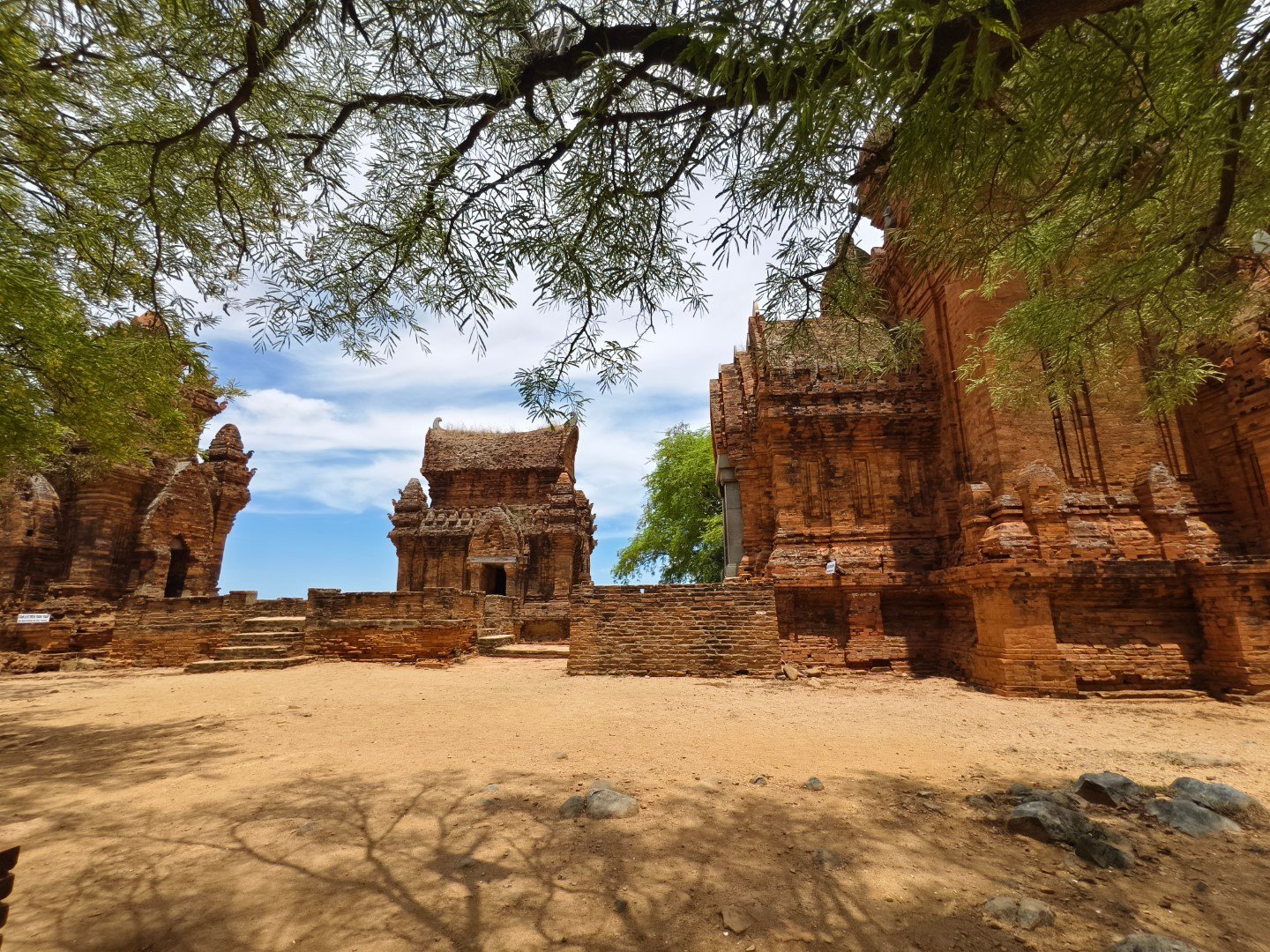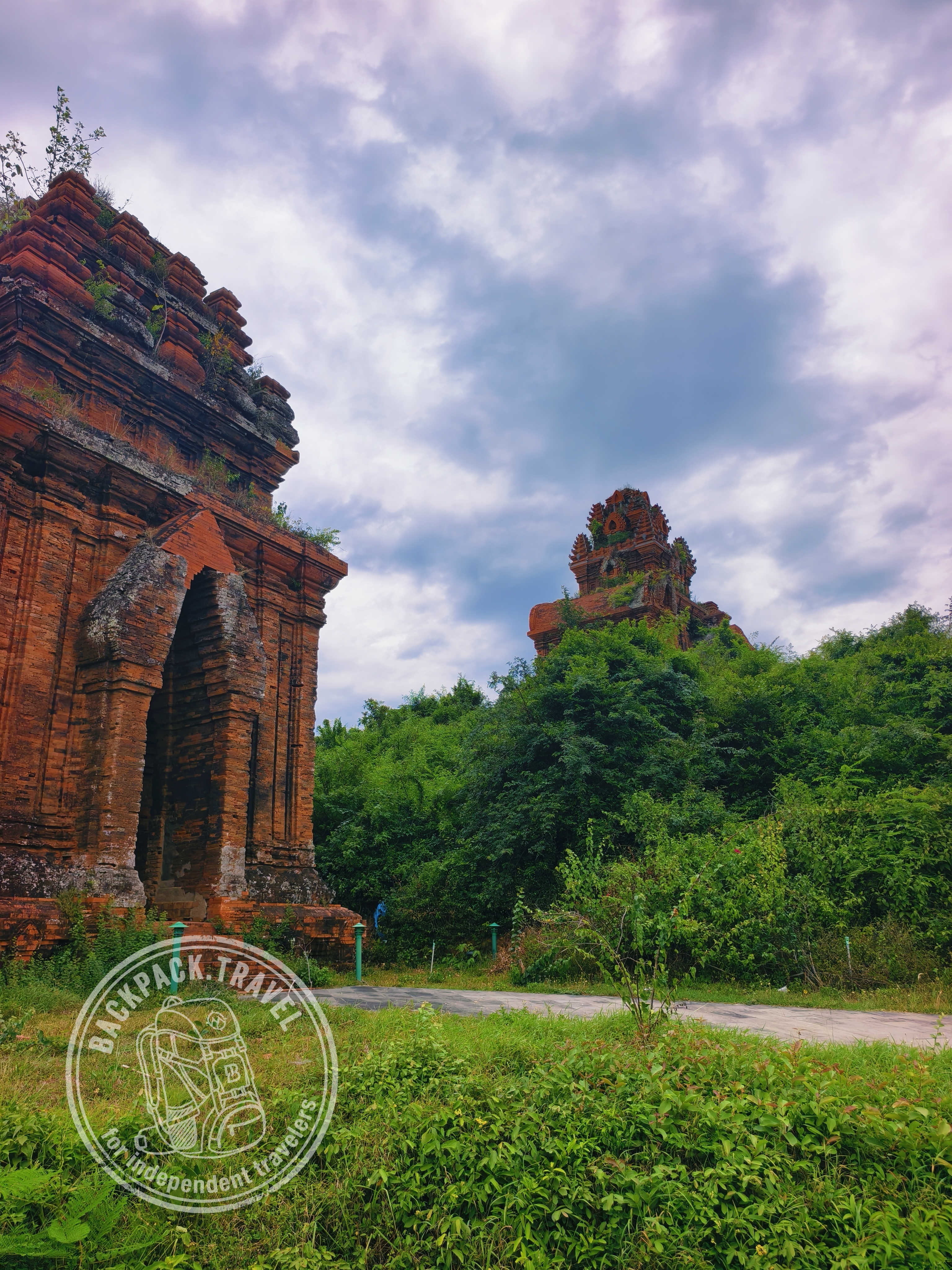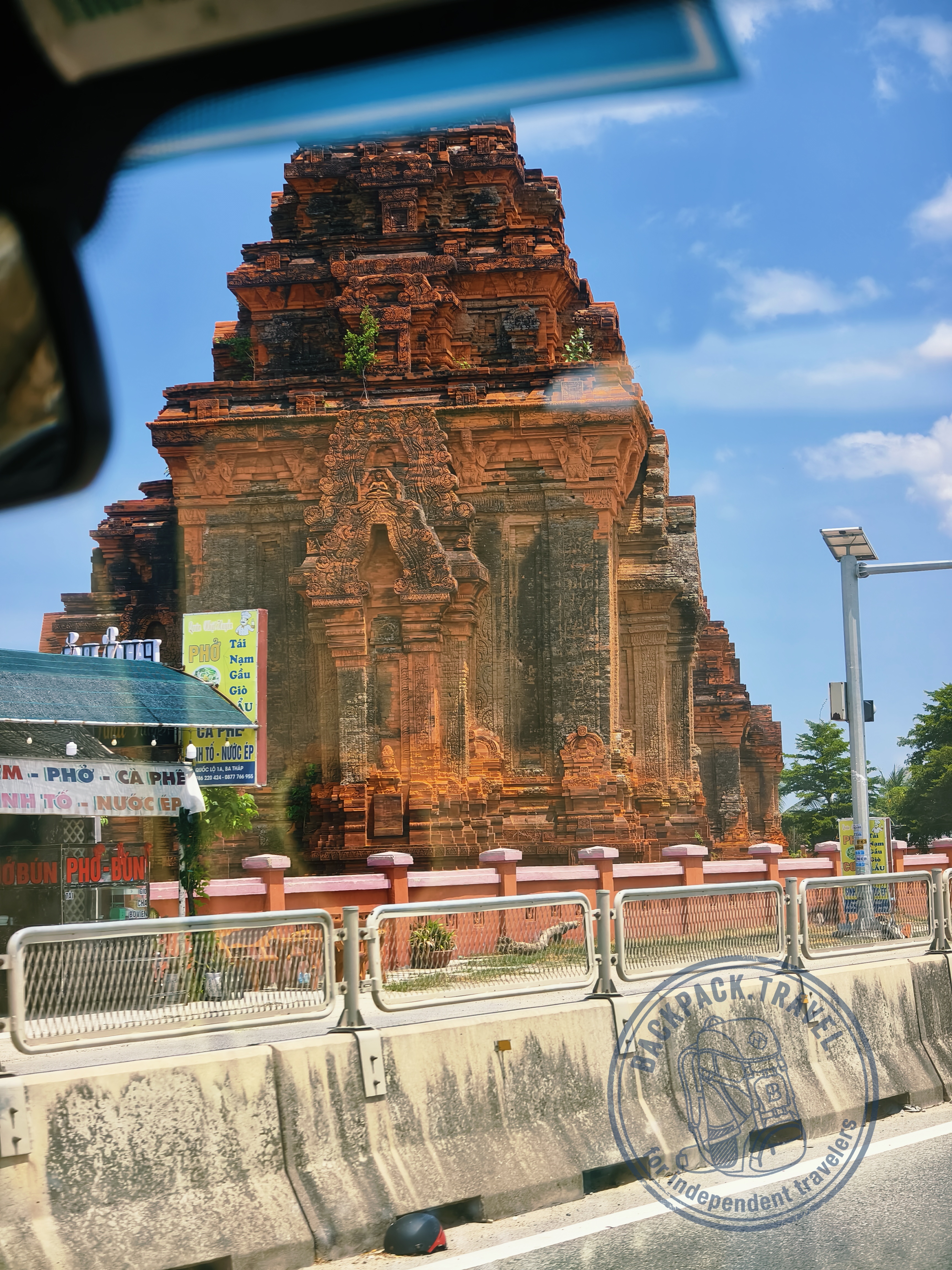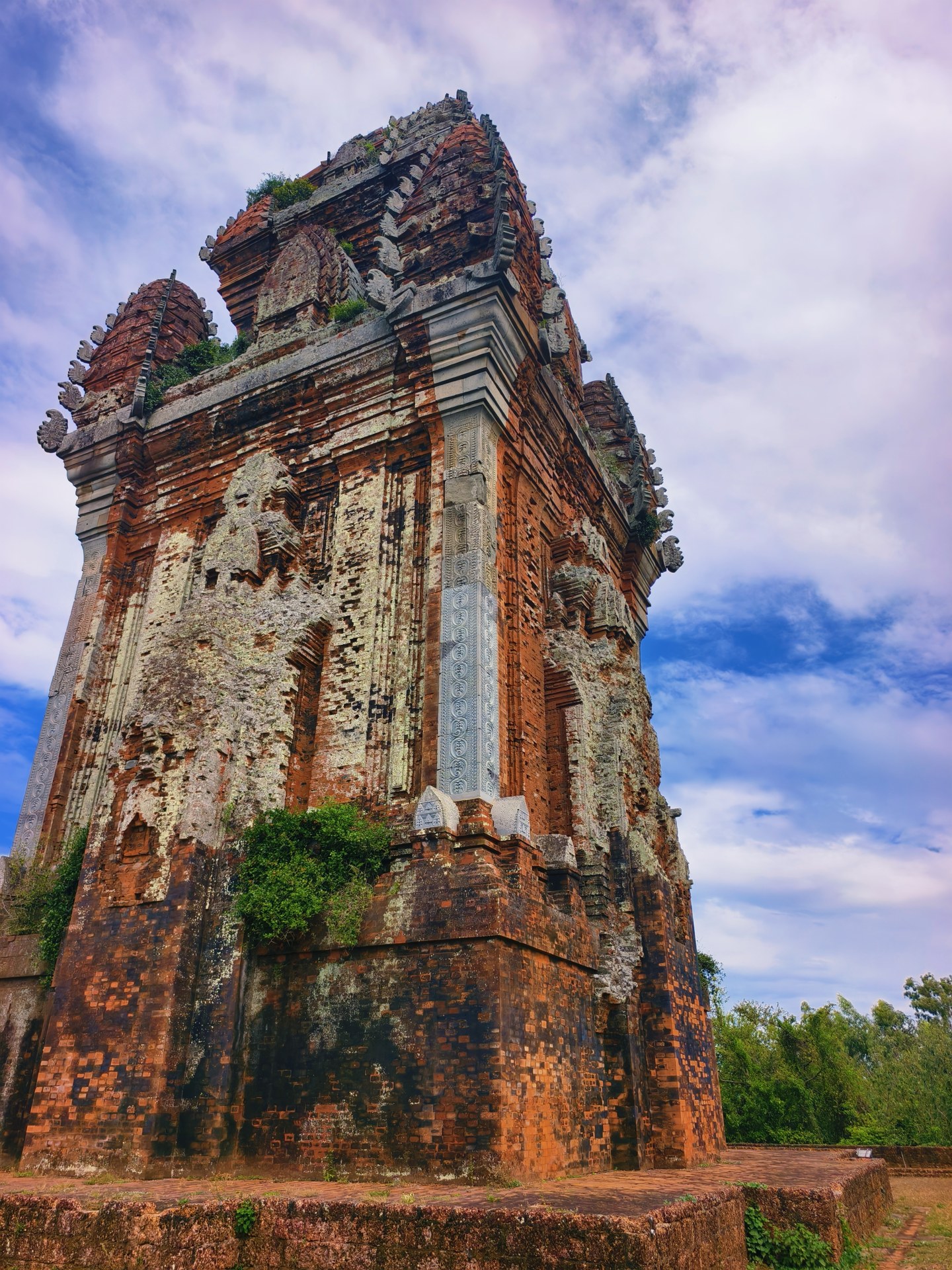
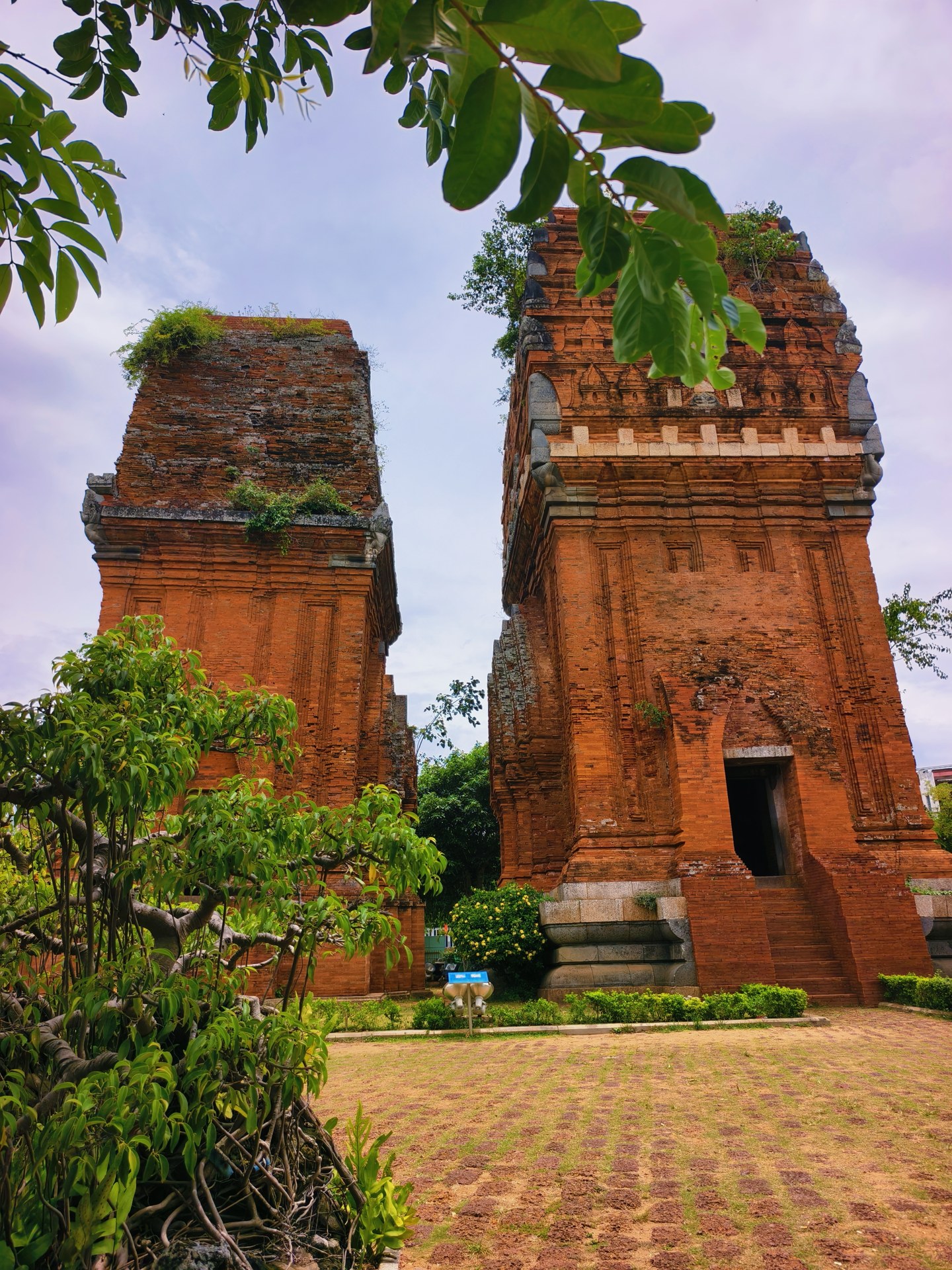
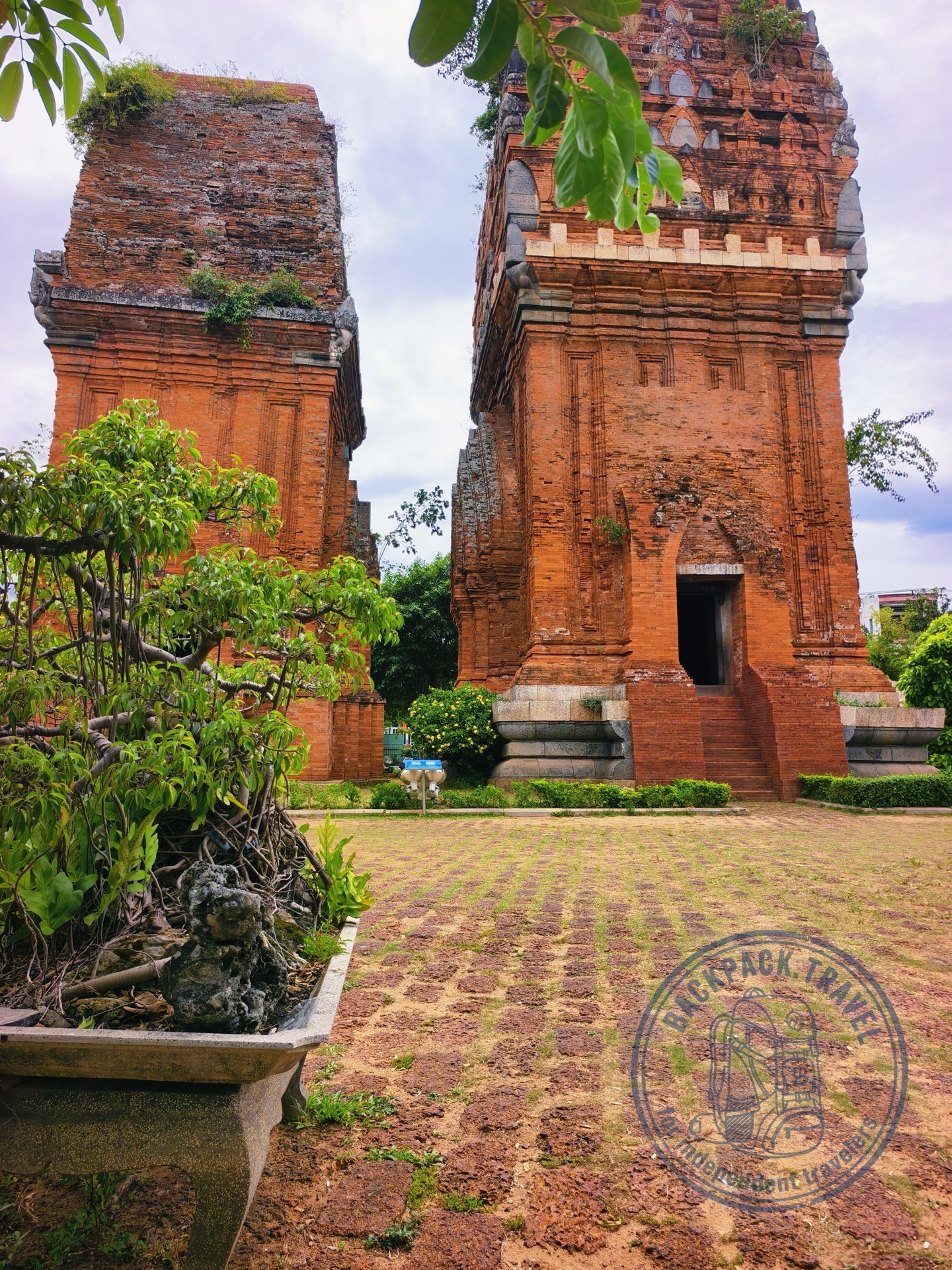
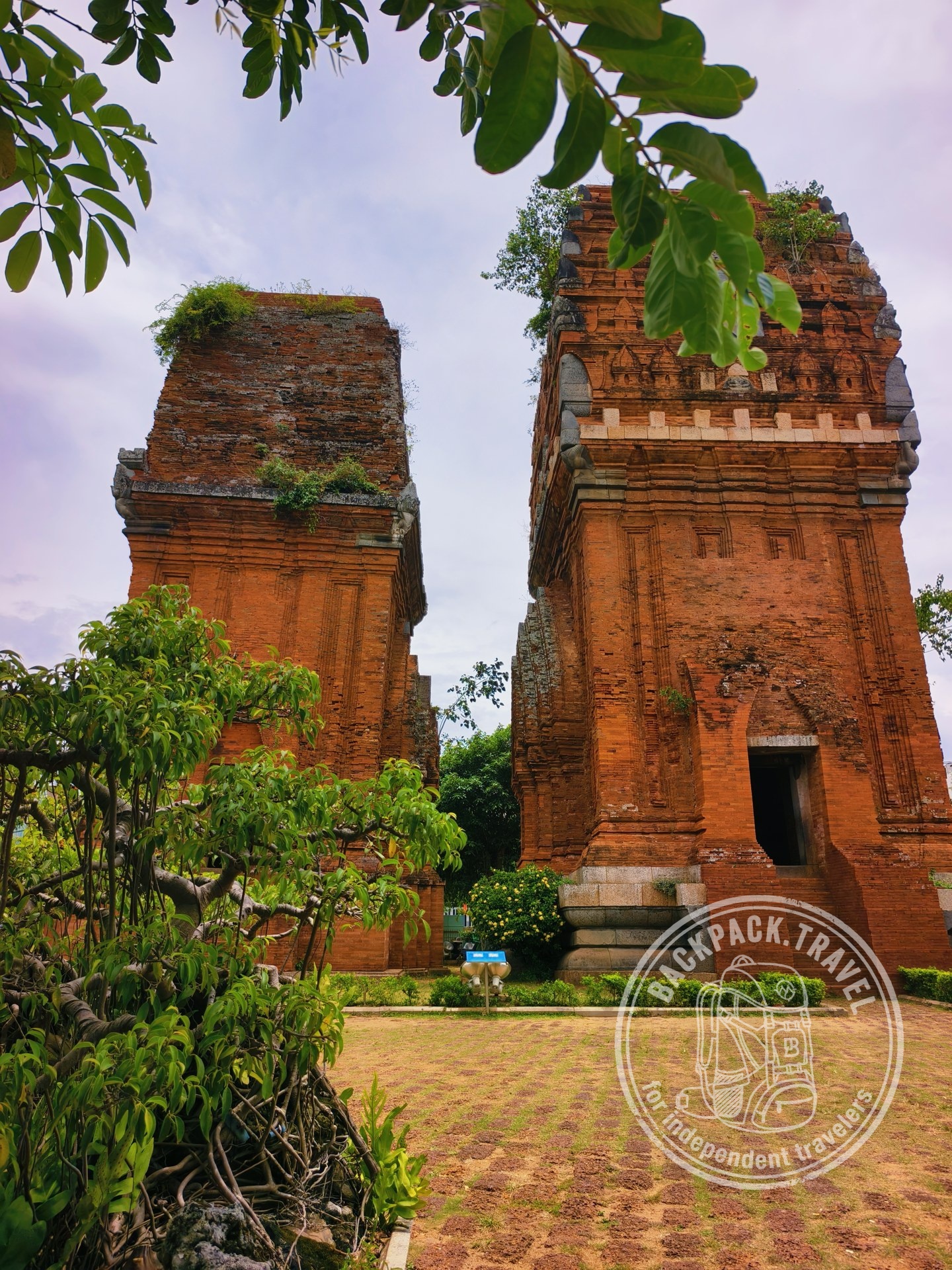
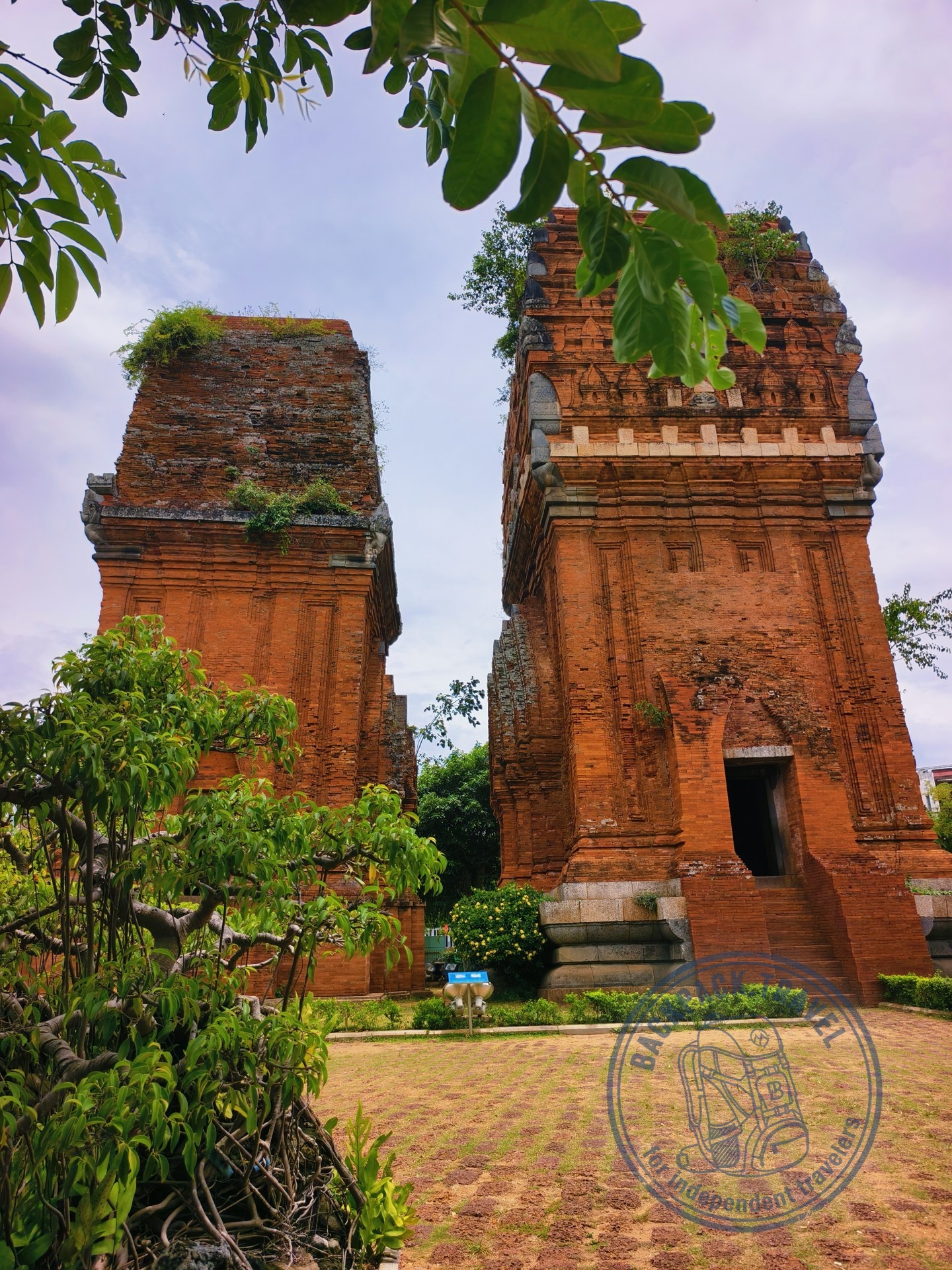
Thap Doi ("Twin Towers") is a Cham temple complex of the 11th–13th centuries within the city limits of Quy Nhon, made up of two brick sanctuaries; after the old name of the locality it is also called Hung Thanh.
A pair of towers without a third is a rarity for Champa: sanctuaries were usually built in threes or standing alone. They differ from typical Cham kalans in the shape of their tops: instead of a tiered pyramid there is a curved cornice with stone figures of garudas at the corners, which is linked to Khmer influence of the Angkor period.
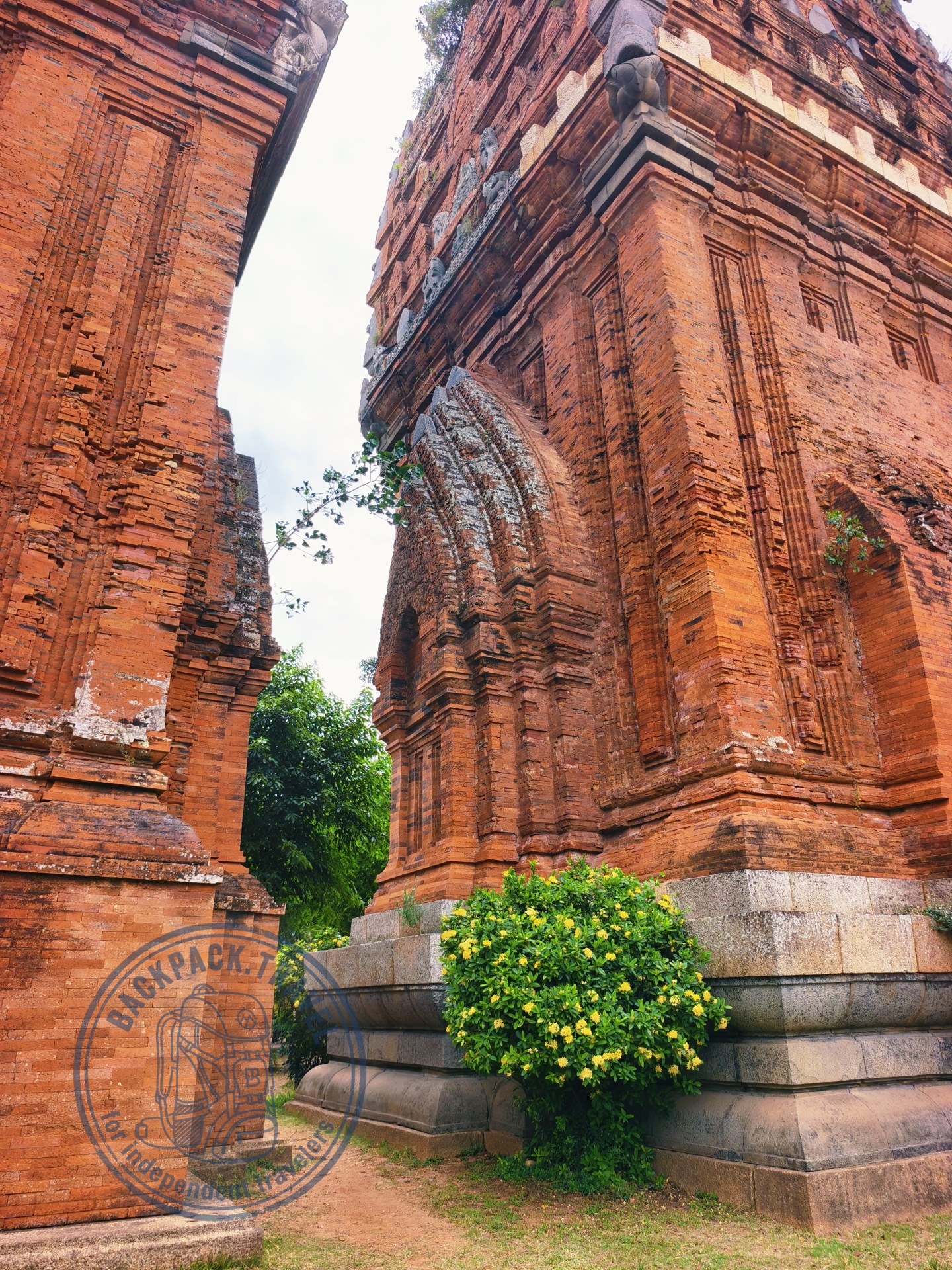
The larger temple rises about twenty metres, the smaller one a couple of metres lower; the openings and plinths are framed in sandstone with reliefs of dancers and mythical animals.
The brick is laid with almost no visible joint, and restorers are still working out how the Cham achieved such masonry. By the end of the twentieth century the tops of the towers had been almost lost, and from 1990 to 1997 the complex was put back together — Vietnamese archaeologists worked alongside Polish restorers.
Thap Doi was recognised as a monument of national significance as early as 1980. The towers stand right inside the city, some fifteen minutes from the centre, with a small park laid out around them.
- Address
- Tháp Đôi, Quy Nhon
On the map
Reviews (0)
No reviews yet. Be the first!
Updated