 Города и дороги
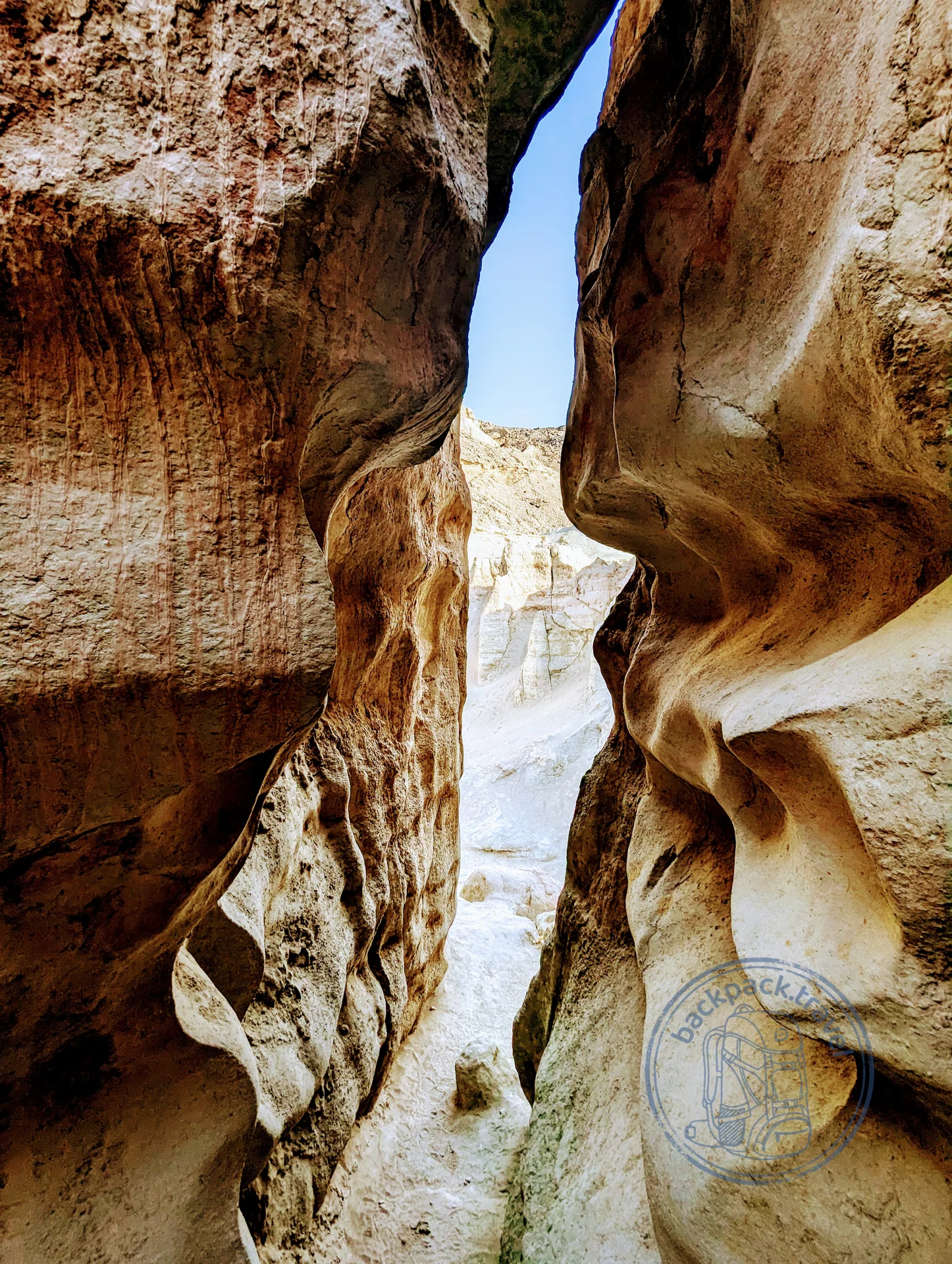
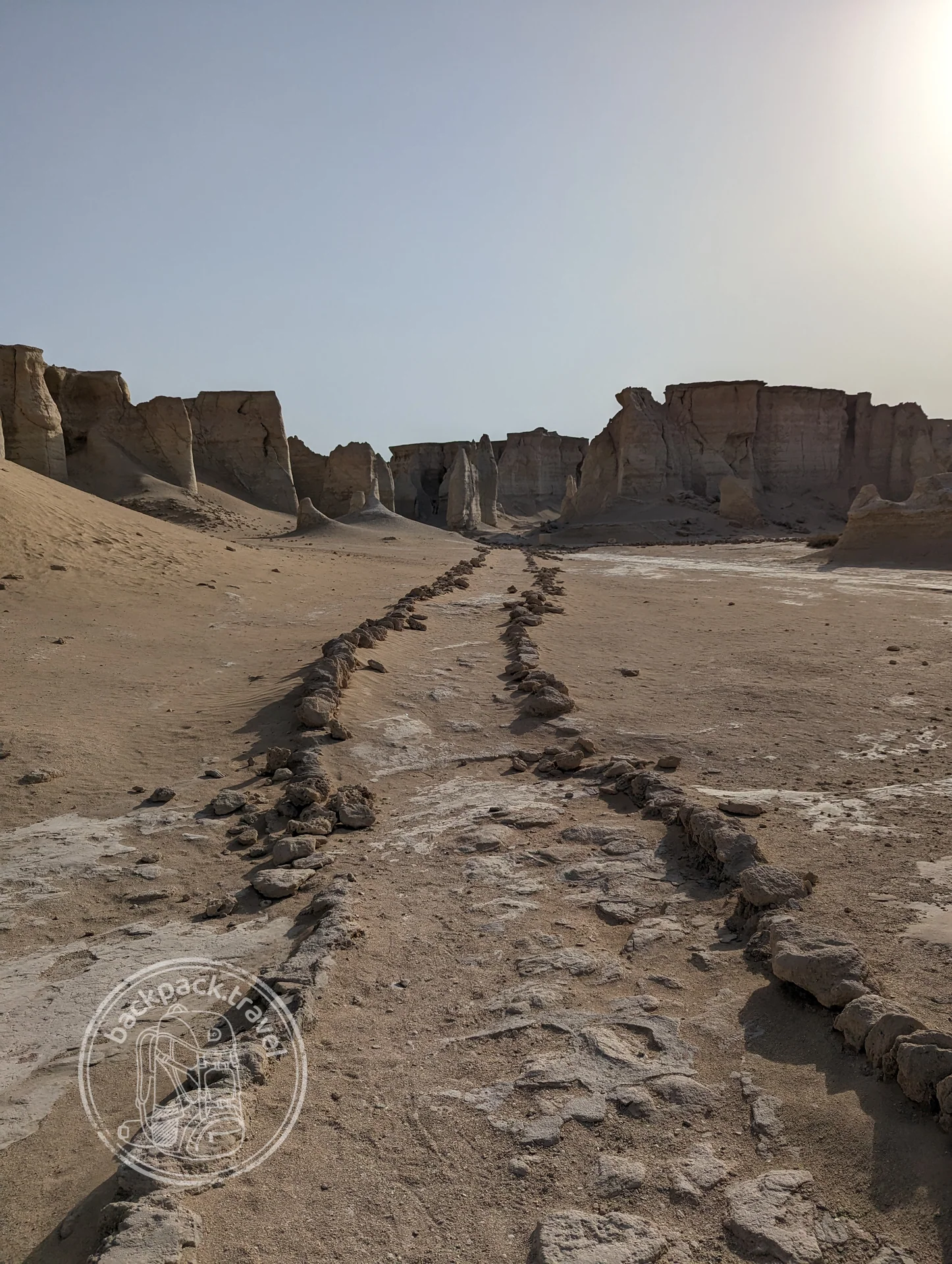
Chahkooh cuts through a limestone and marl plateau in the western part of Qeshm island, not far from the villages of Chahu. From outside it is a flat white waste, and the cleft opens up only at its very edge: the walls come so close together that in places a single person can pass between them, while the depth reaches several tens of metres. The rock was eroded not by rivers but by rainwater. Rare but heavy downpours have over thousands of years washed out the crack and left vertical grooves and hollows on the walls, resembling streaks of run-off. The name translates as mountain well: pits are cut into the floor of the canyon in which people from the surrounding villages collected rainwater, the only source of fresh water in this part of the island. The rock is pale and almost without vegetation; at midday the light reflects off the walls, and towards evening the cleft sinks into deep shade. The canyon is part of the Qeshm geopark, the first geopark in the Middle East to be recognised by UNESCO. Nearby on the island are the Valley of the Stars and the Namakdan salt dome, formed of the same sedimentary layers pushed up by salt from below.
The canyon is part of the Qeshm geopark; people get here by car from the Chahu villages, and there is a charge at the entrance. It is best seen in the morning or closer to evening, when the cleft is not flooded with reflected light. The visit is easily combined with the Valley of the Stars and the Namakdan salt dome - they are close by. Payment in cash.
- Address
- دهستان دولاب
On the map
Reviews (0)
No reviews yet. Be the first!
Updated