Qeshm
Description
The largest island in the Persian Gulf and a UNESCO geopark off the southern coast of Iran: eroded desert canyons, one of the world's longest salt caves and mangrove thickets toured by boat.
Wiki
Qeshm is the largest island in the Persian Gulf and the town of the same name on it, off the southern coast of Iran opposite Bandar Abbas. The island is a free trade zone and a UNESCO geopark at once: desert canyons, salt caves and mangrove thickets make Qeshm the least Iranian-feeling trip in Iran. Distances are long, so the island is best seen by car.
Main sights
- Valley of the Stars (Darreh-ye Setaregan) — a canyon eroded out of soft rock by wind and water, at its best at sunset.
- Namakdan salt cave — one of the longest salt caves in the world, with flowstone formations and an underground stream.
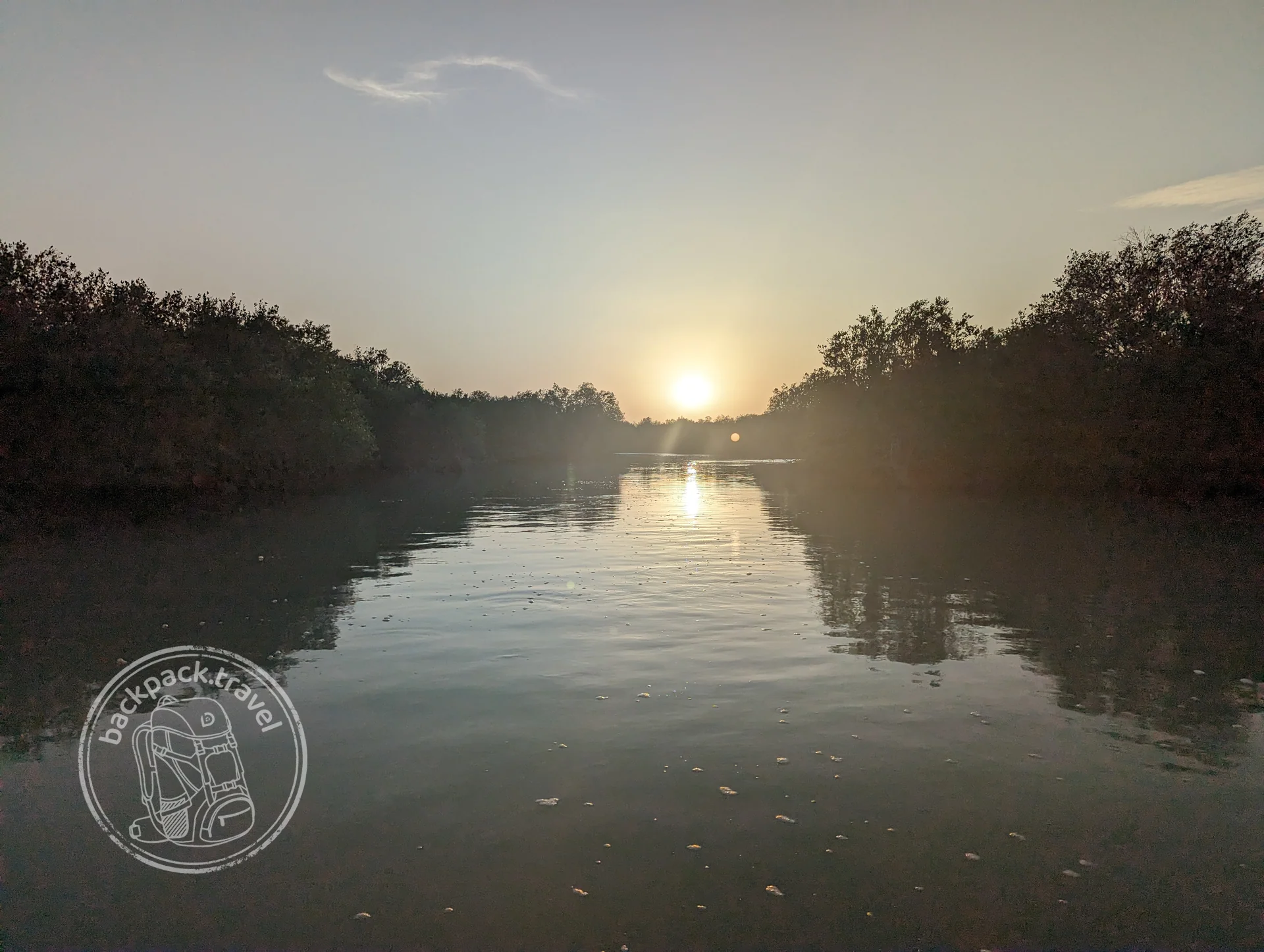
- Hara mangrove forests — coastal thickets toured by boat among the birds, a protected marine area.
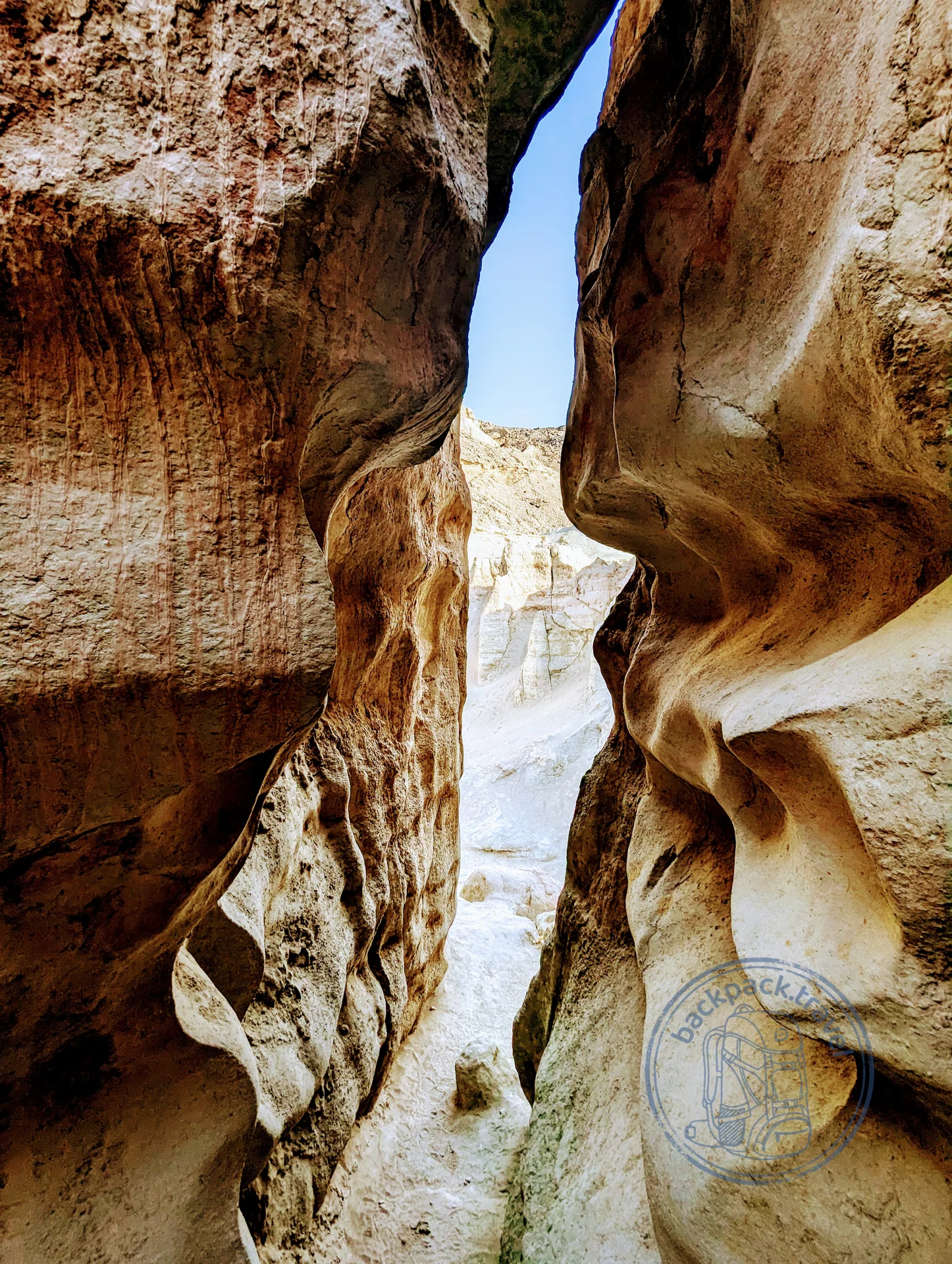
- Chahkuh canyon — a narrow cleft with vertical grooves washed into the rock by rain.
- Naz Islands — tidal islets you can walk out to across the exposed seabed at low tide.
- Laft village — an old port with badgir wind towers and wells.
- Portuguese Castle — the remains of sixteenth-century fortifications on the shore.
Food and money
The cooking is southern, bandari: fish and prawns, and ghalyeh mahi, a spicy stew with tamarind. Cash is essential — cards issued by foreign banks do not work in Iran.
Getting there
The island has an airport (GSM), but most people arrive on the ferry from Bandar Abbas, a short crossing. On the island there are taxis and rental cars; end to end takes about an hour. Boats run from Qeshm to the rainbow island of Hormuz.
When to come
The climate is hot, humid and tropical. The season here is winter: from November to March it is warm and comfortable. Summer, with its exhausting humidity, is best skipped.
Updated