 Города и дороги
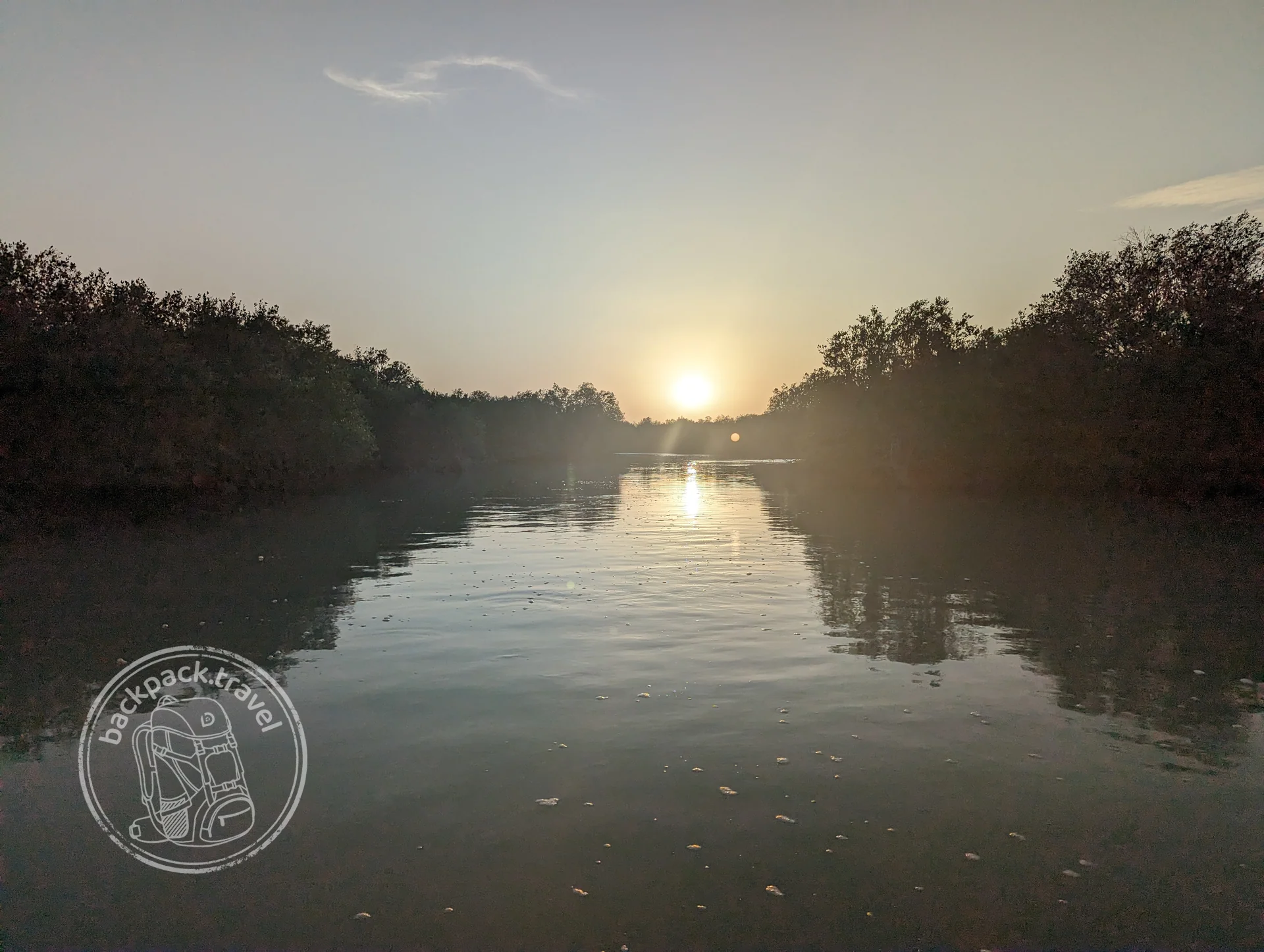
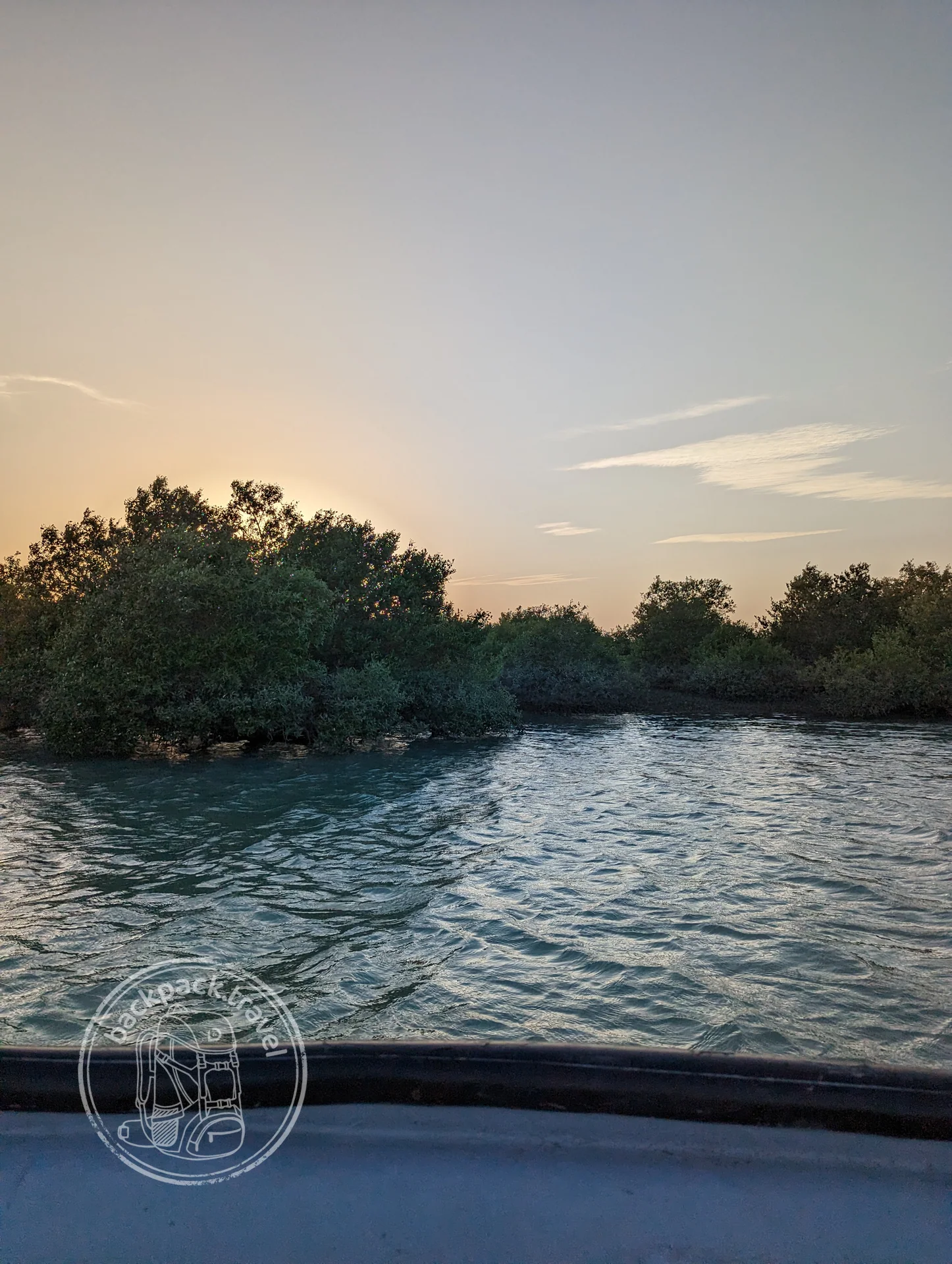
The Hara mangroves occupy the shallows between Qeshm Island and the mainland coast of Iran: around ninety square kilometres of mud flats, channels and islets. There is essentially a single species here, the grey mangrove Avicennia marina, which locals call hara, and that is where the name of the whole area comes from. The trees are low, up to three or four metres, but adapted to life in salt water: they excrete salt through their leaves, and breathing roots, pneumatophores, stick up out of the mud and are exposed at low tide. Twice a day the picture changes completely: at high tide the crowns stand directly in the water, at low tide the muddy bottom opens up beneath them, with crabs and mudskippers. The thickets serve as a nursery for fish and shrimp and as a wintering ground for herons, cormorants and flamingos. Since 1975 the area has been listed under the Ramsar Convention and recognised as a UNESCO biosphere reserve. People come here by boat from the villages on the shore of the strait, and the narrow channels let you go deep inside the forest, where the water is almost still.
Boats into the mangroves leave from the villages along the strait; trips are timed to high tide, when the channels are navigable, and the boat is arranged in advance at the port. The best time is the cool season from November to March, and the morning hours, when there are more birds. Payment in cash.
- Address
- دهستان سلخ
On the map
Reviews (0)
No reviews yet. Be the first!
Updated