 Города и дороги
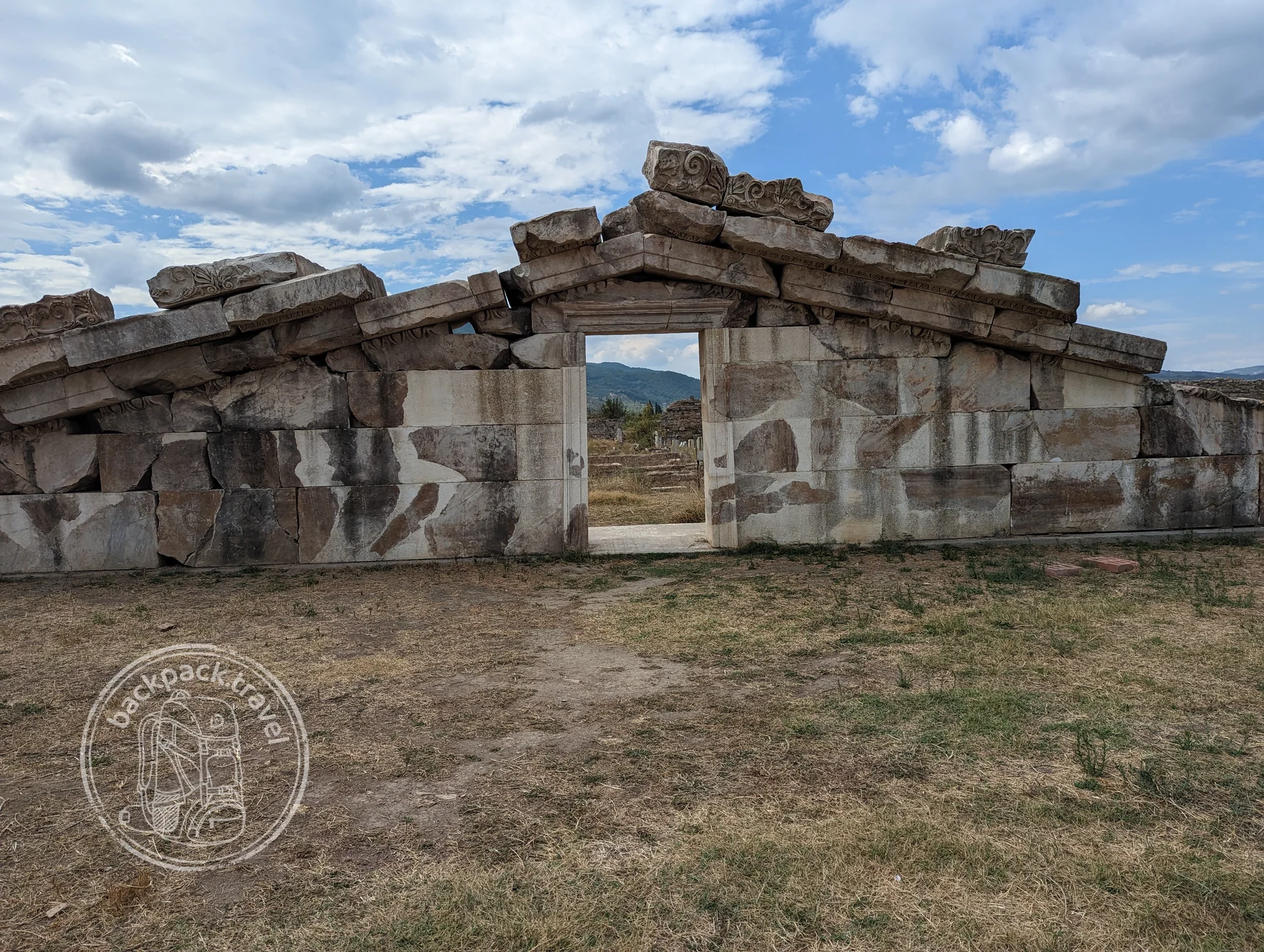
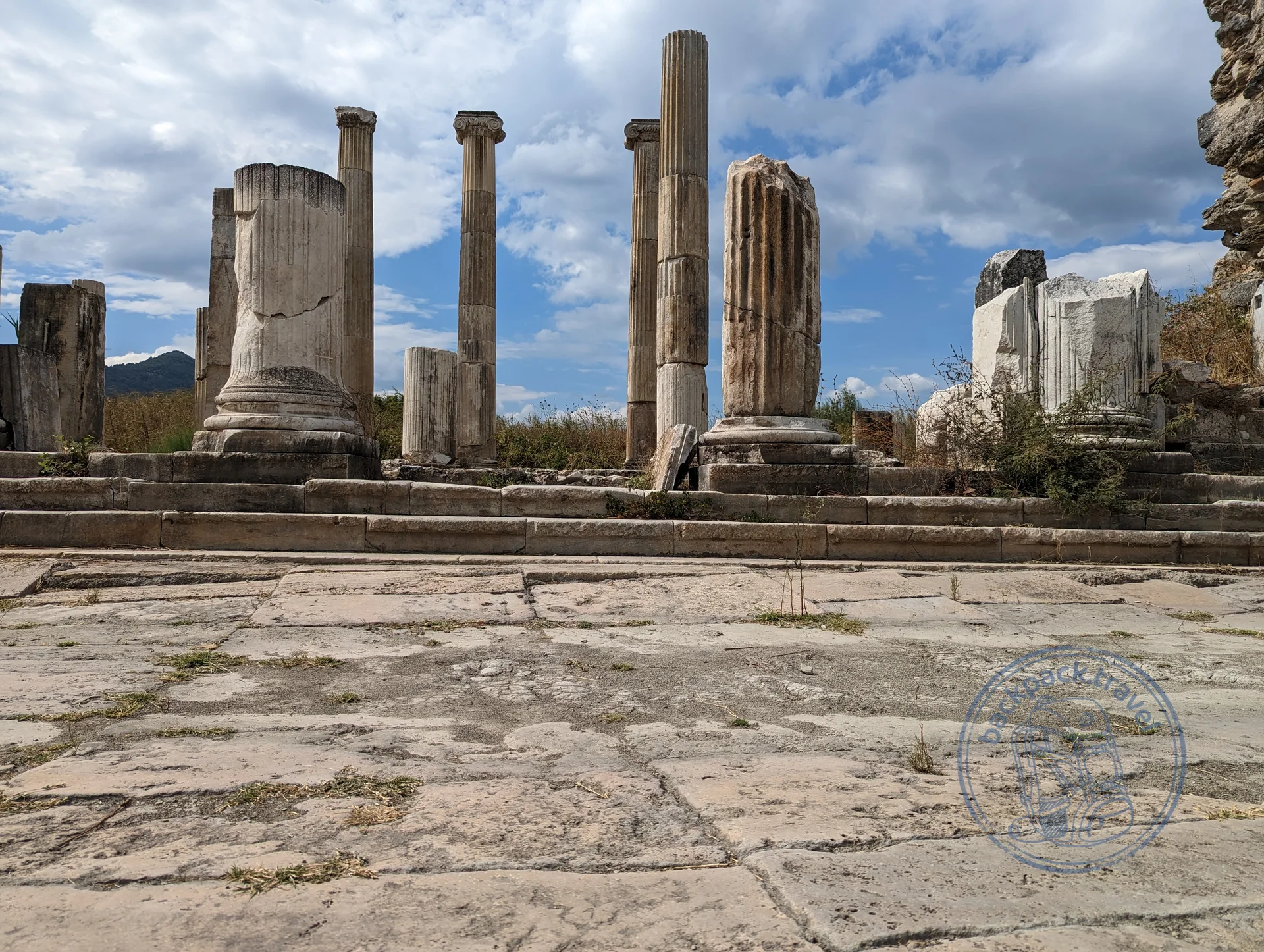
Magnesia on the Maeander stood on the plain between Ephesus, Tralles and Priene, at the foot of Mount Thorax. The city was founded by settlers from Thessalian Magnesia, and its fame came from the sanctuary of Artemis Leukophryene, whose temple was built at the end of the 3rd century BC by Hermogenes, the theorist of the Ionic order. It was the fourth largest Ionic temple in Asia Minor, a pseudodipteros with eight columns along the facade, and its scheme was later repeated all over the Hellenistic world. Carl Humann excavated here in the 1890s and carried the frieze with the Amazonomachy off to Berlin; systematic work resumed in the 1980s and goes on to this day. At the entrance to the site you can see the triangular pediments of the temple raised anew from massive marble blocks. Further on lies the sacred agora, some twenty-six thousand square metres in area, with rows of columns of different orders and a marble floor, part of which stands under water because of the high groundwater. The propylon, the temple of Zeus, the prytaneion, a theatre and a stadium on the hillside have also survived.
- Address
- İzmir - Söke Yolu, Germencik
On the map
Reviews (0)
No reviews yet. Be the first!
Updated