Города и дороги
Description
A town of forty thousand beside Ephesus, 80 kilometres south of Izmir: the Library of Celsus and the Terrace Houses, the Basilica of St John on Ayasuluk hill, and storks nesting on the aqueduct downtown.
Wiki
Selçuk is a town of forty thousand people 80 kilometres south of Izmir, and it grew up beside Ephesus. The ancient city lies three kilometres to the west, and Selçuk is essentially its successor: when the harbour of Ephesus silted up for good, life moved to Ayasuluk hill, where the Basilica of St John stood. The medieval town around the İsa Bey Mosque and the fortress slowly became an agricultural settlement, and only in the twentieth century did it turn to tourism. Today it is a convenient and inexpensive base for seeing one of the most fully excavated ancient cities in the Mediterranean. Storks nest on the aqueduct in the middle of town, and locals read that as a good sign.
Why come and what to actually see
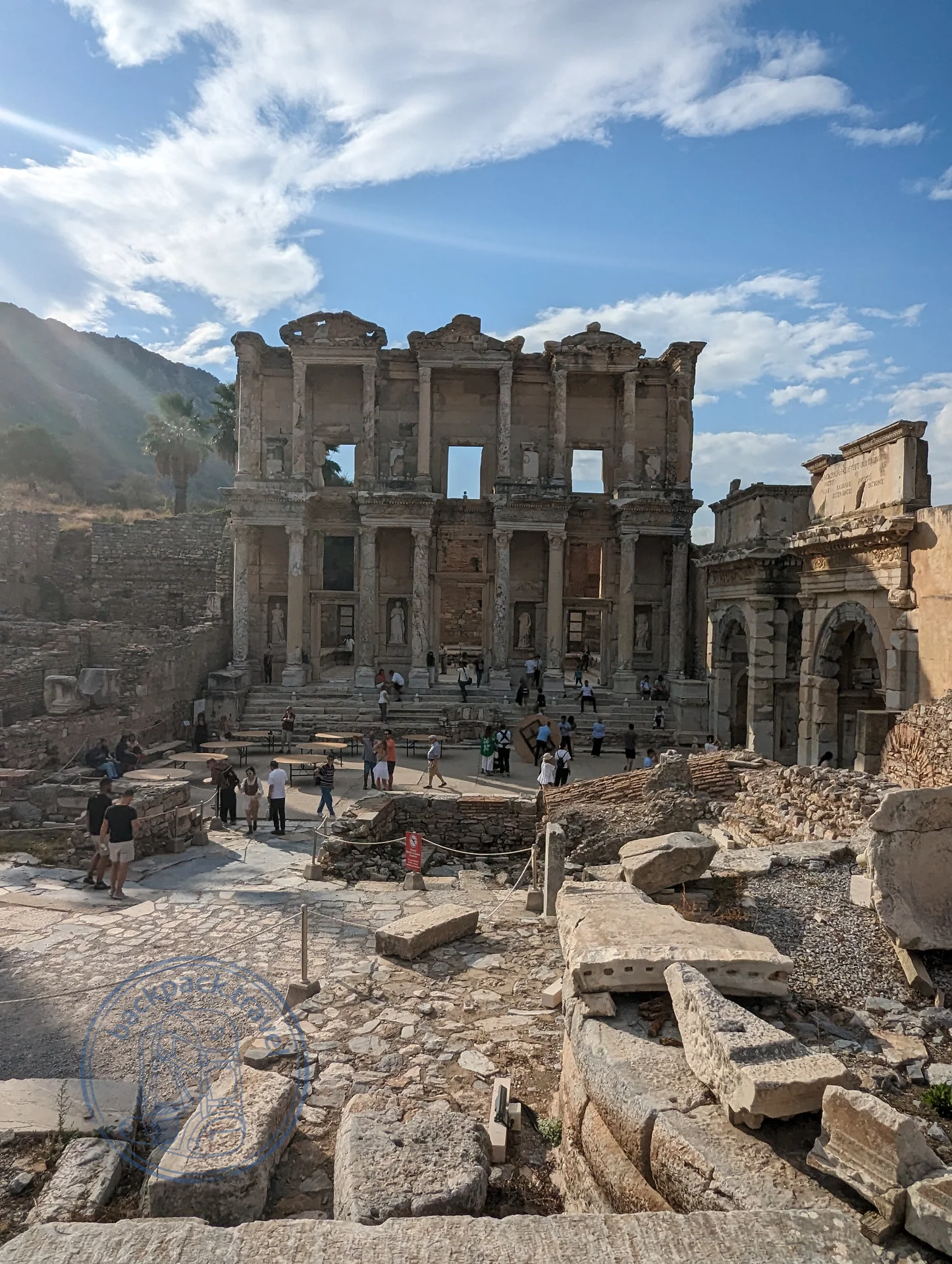
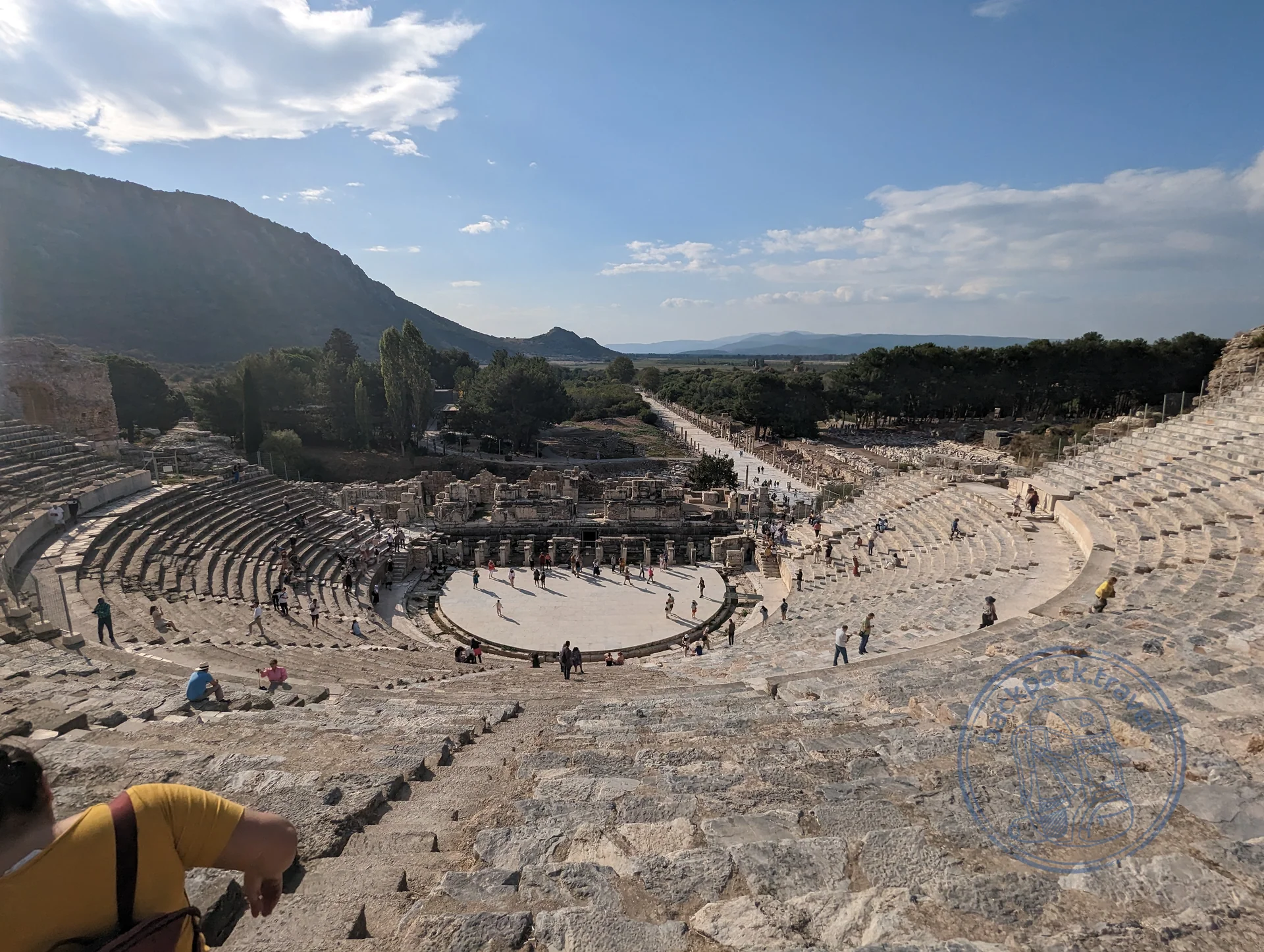
Ephesus was the largest port in Asia Minor and the capital of the Roman province of Asia, with a population of more than two hundred thousand. About a fifth of it has been excavated, and even that takes half a day. The Library of Celsus, built in 117 as a tomb-monument to a proconsul, has been reassembled from its original blocks and remains the city's defining facade. The Great Theatre, cut into the slope of Mount Panayır, seated twenty-five thousand, and it was here, according to the Acts of the Apostles, that the silversmiths rioted against the preaching of the Apostle Paul.
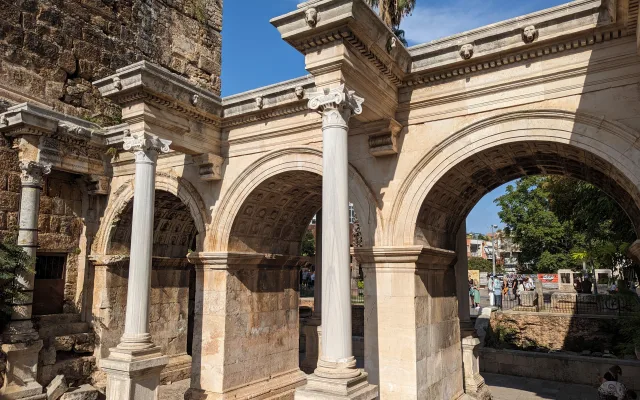
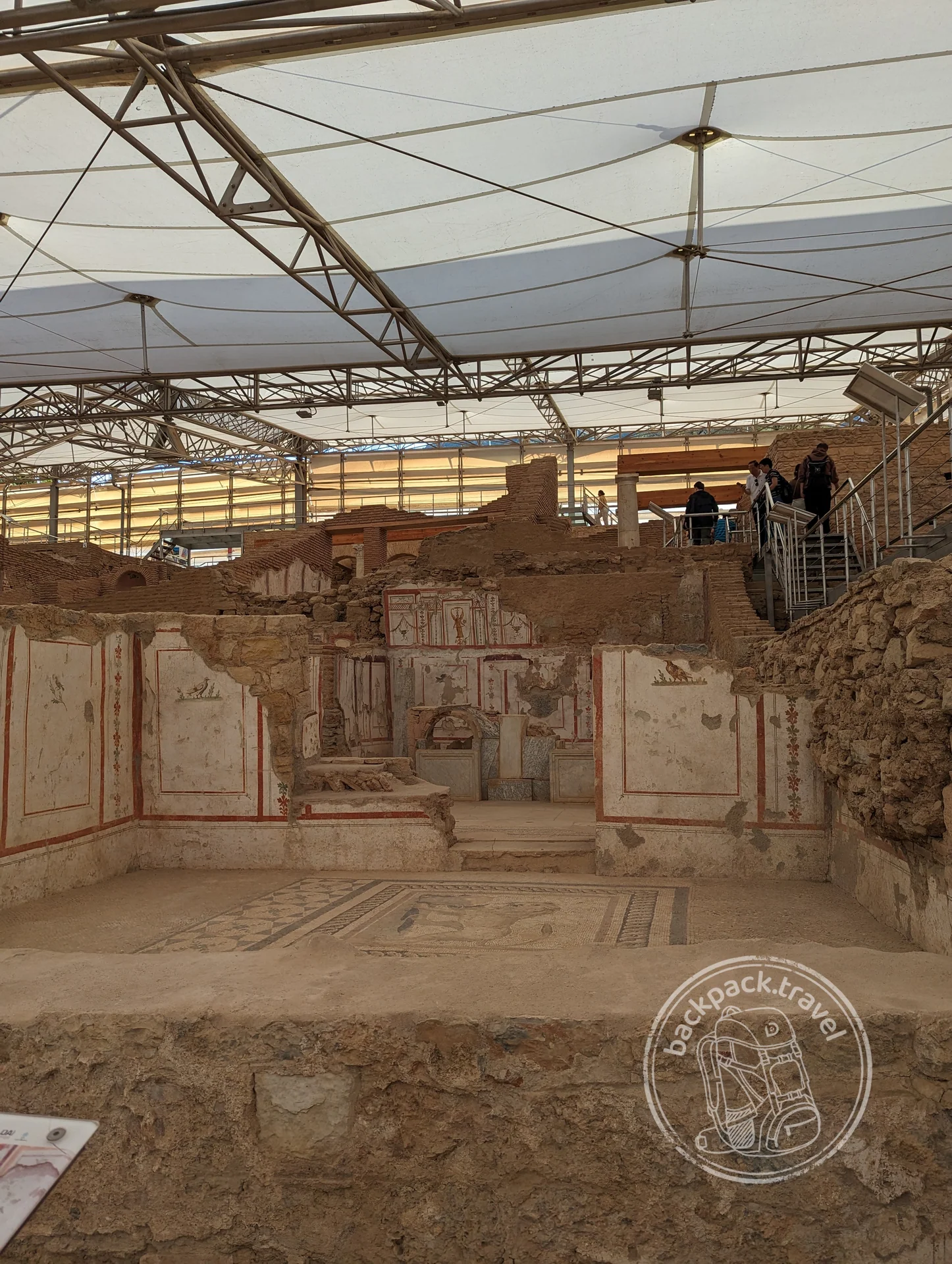
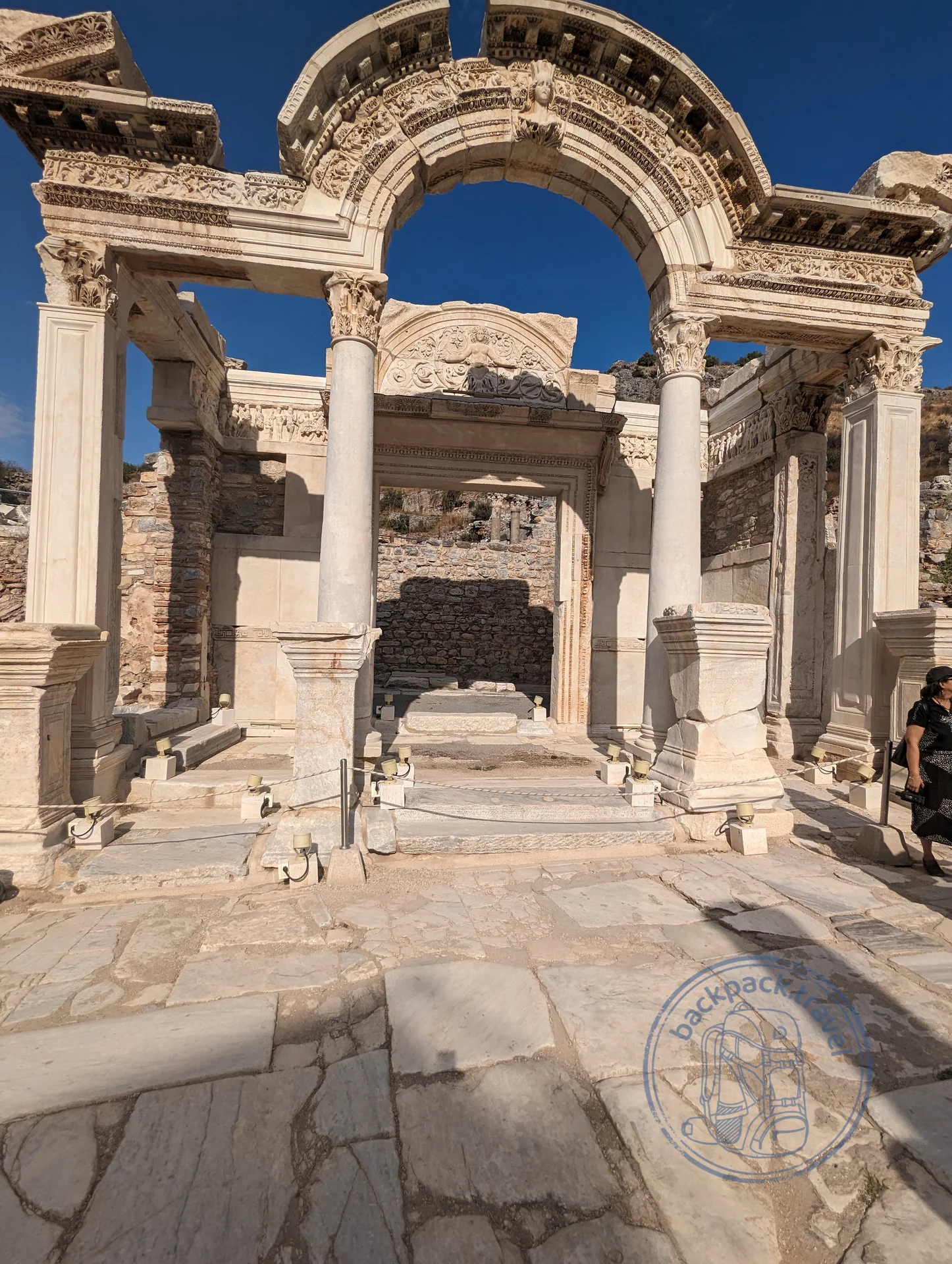
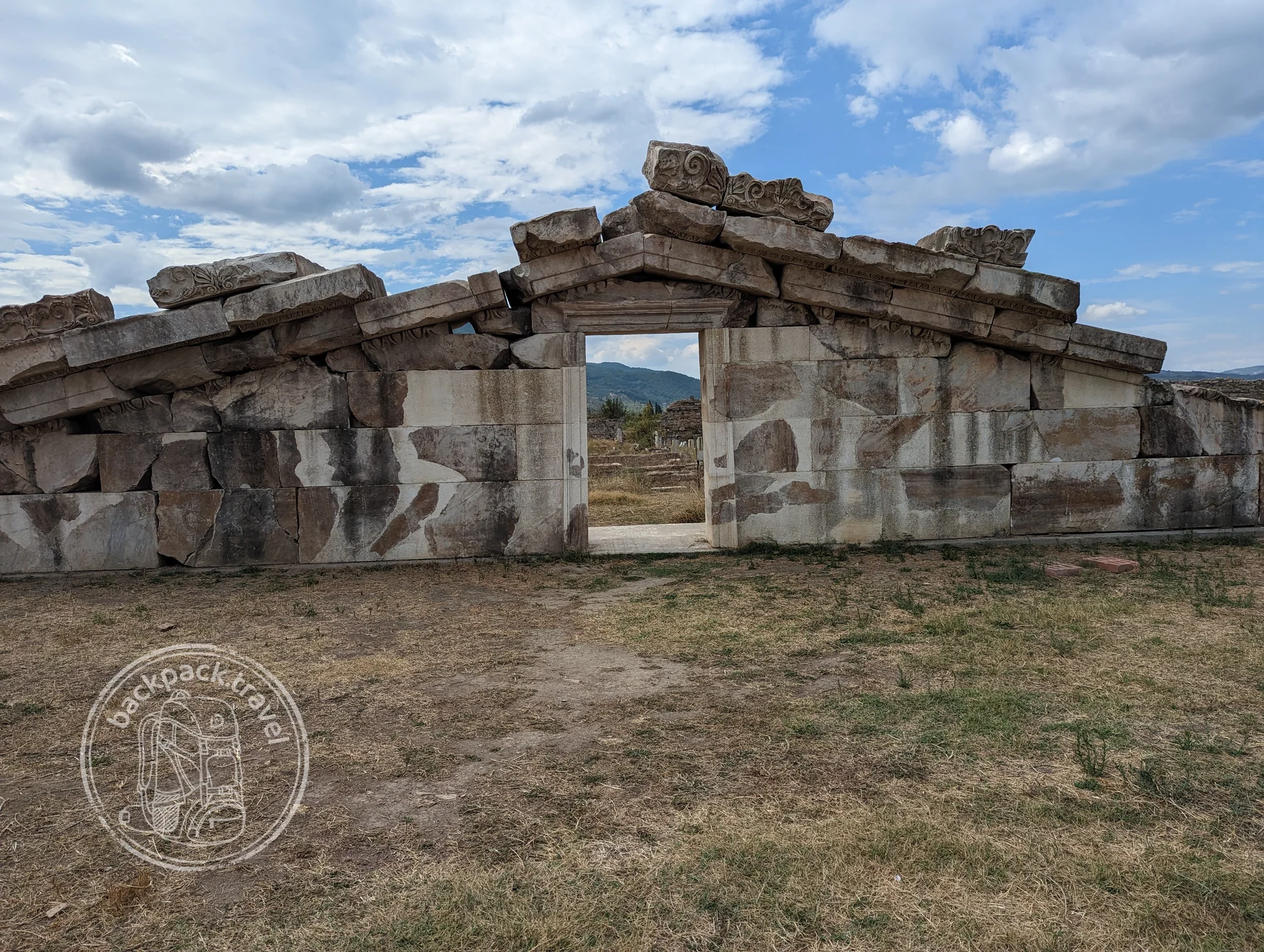
Curetes Street runs downhill past the Temple of Hadrian, the public latrines and the mosaic pavements in front of the shops. The Terrace Houses need a separate ticket: a residential block of wealthy citizens kept under a roof, with frescoes, marble revetment and mosaics. Nowhere else in Turkey gives you a clearer picture of private life in a Roman city.
Of the Temple of Artemis, one of the seven wonders of the ancient world, a single reassembled column stands in the middle of a marshy field. It is a sobering sight, but go anyway: the foundations give you the scale.
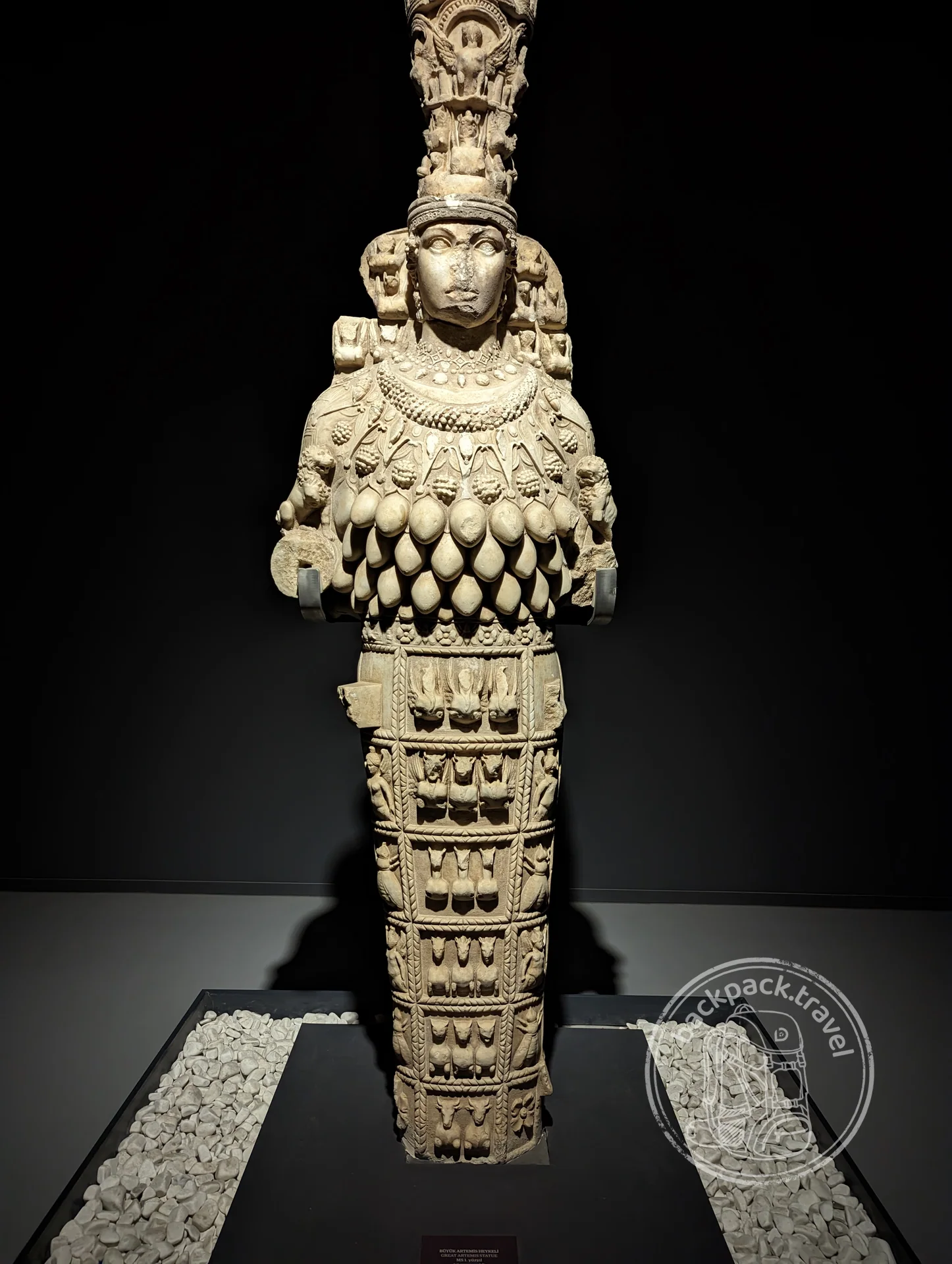
In Selçuk itself the main sights are the Basilica of St John on the hill, built under Justinian in the sixth century over the supposed grave of the apostle, and the İsa Bey Mosque of 1375, whose columns were taken from ancient buildings. The Ephesus Archaeological Museum holds the finds from the excavations, including two statues of the many-breasted Artemis.
Getting there and getting around
A suburban train runs from Izmir and takes about an hour and a half to the station in the centre of Selçuk. This is the simplest way in, because the station is a five-minute walk from the hotels.
Izmir airport is 55 kilometres away and is linked to the city by buses and trains. Kuşadası on the coast is 20 kilometres off, and the cruise groups come from there.
Ephesus is three kilometres from the centre. There is a dolmuş, but plenty of people walk it in half an hour. The site has two gates, upper and lower. Starting at the top makes more sense, since the whole route then runs downhill.
Where to stay
Selçuk is built up with small family-run pensions, and that is its strength: prices are low, breakfasts are homemade, and the station and the museum are within walking distance. A night here is cheaper and quieter than in Kuşadası.
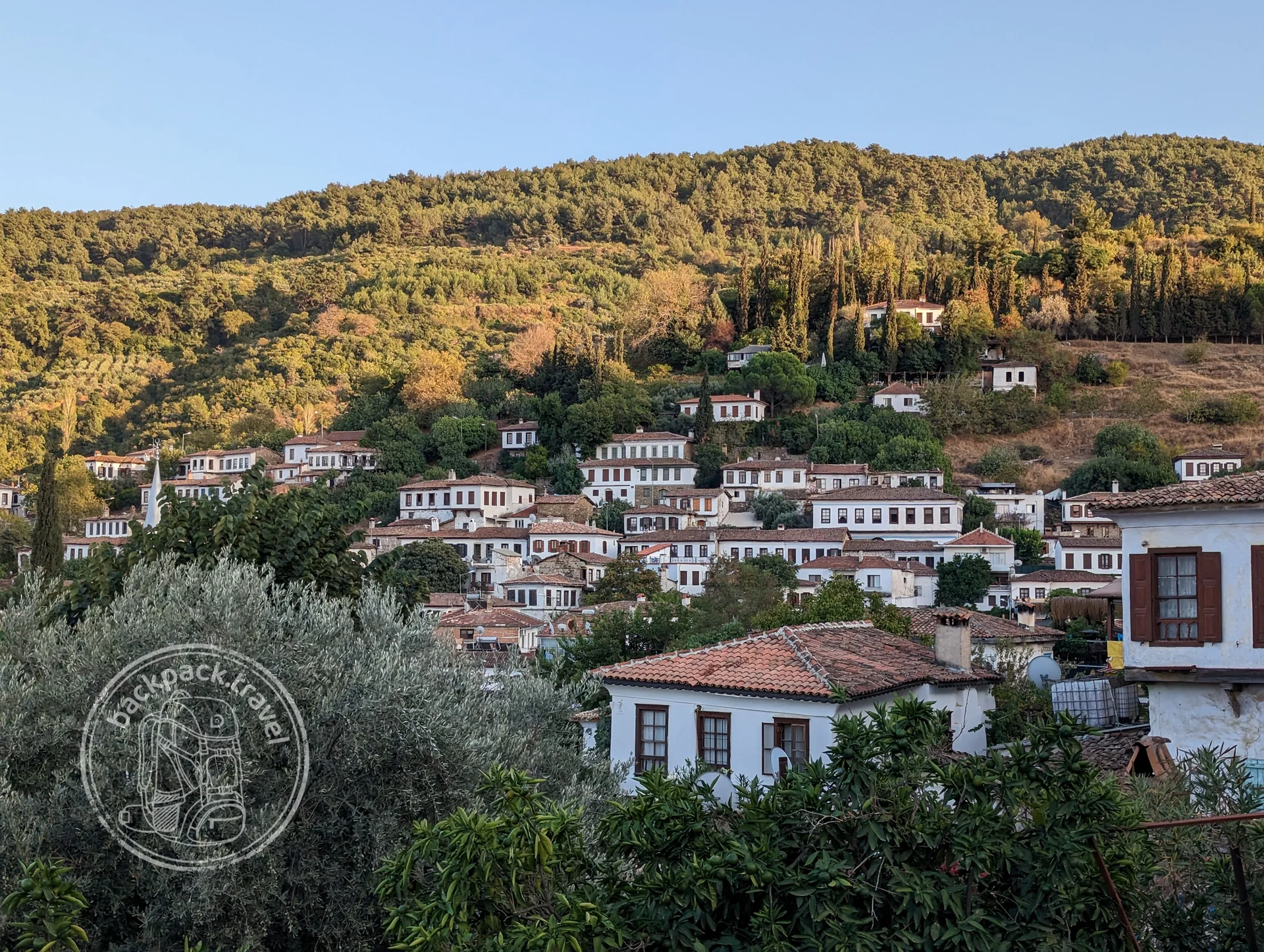
The alternative is Şirince, eight kilometres away, a village on a hillside with stone houses and fruit wine. It is quieter and prettier, but awkward without a car or a dolmuş.
Kuşadası suits anyone who wants the sea and full resort infrastructure, though it means commuting to Ephesus.
Day trips
The House of the Virgin Mary on Bülbül Mountain, seven kilometres out, is a small stone chapel that the Catholic Church honours as the place where the Mother of God spent her last years. It is a quiet pilgrimage site.
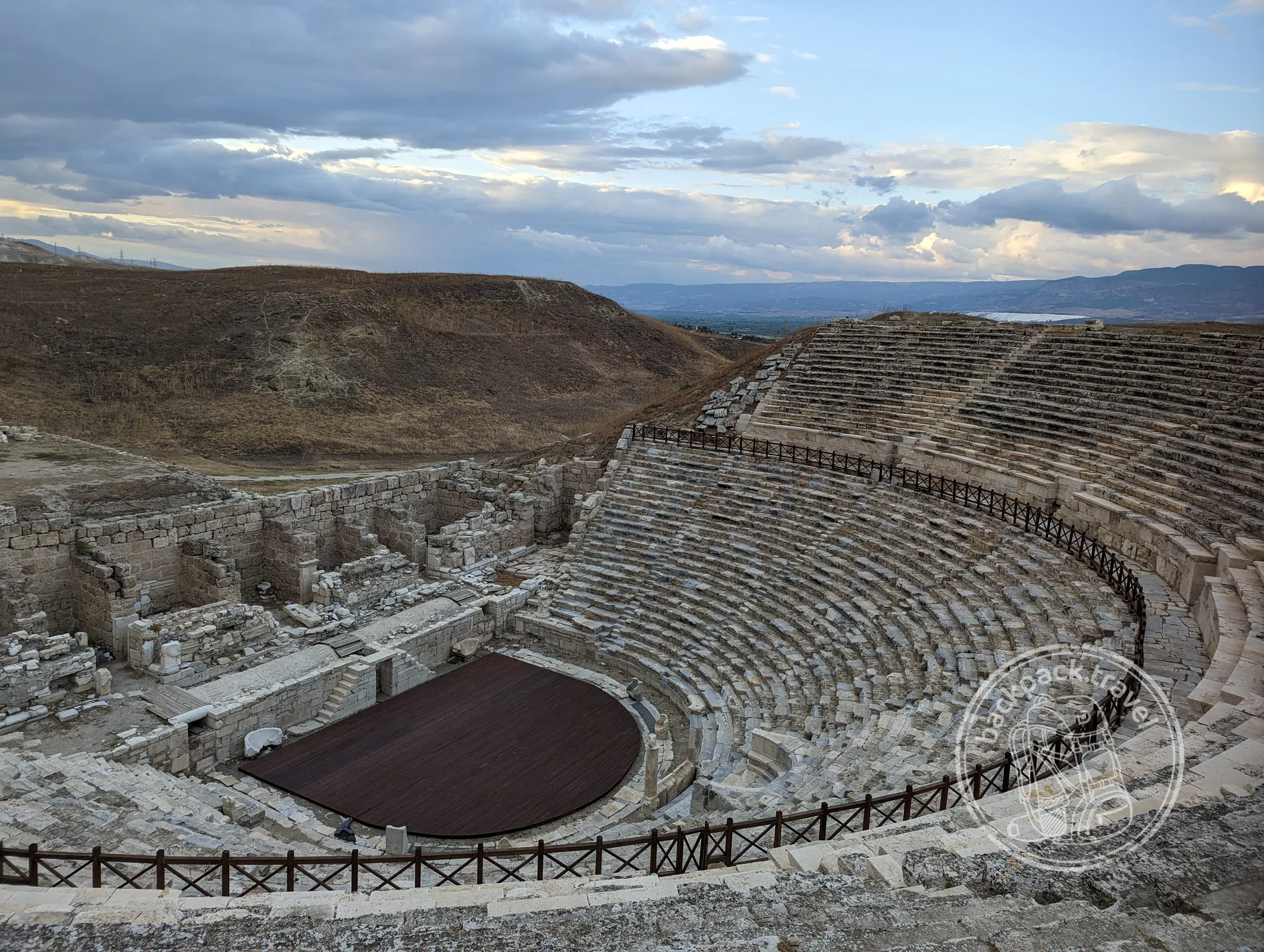
Şirince, with its winemaking and herb market, fills half a day. Further south lie Priene with its theatre on the slope, Miletus with an enormous theatre, and Didyma with the sanctuary of Apollo: three cities in one long day if you have a car.
Pamukkale, three hours east, is a full-day outing and most people take it as an organised tour.
When to come
April, May, October and the first half of November are the best months. In spring the field by the Temple of Artemis turns green, and you can walk around Ephesus from morning to evening.
July and August are hard going: the marble streets of Ephesus climb past thirty-five degrees, there is practically no shade, and the coaches from Kuşadası arrive around midday. In that season people start at opening time and finish by eleven. Winter is mild, around twelve to fifteen degrees, and rainy, but the ruins are empty — an underrated season.
Food and money
The cooking is Aegean: plenty of olive oil, wild greens, vegetable meze. For meat, the local speciality is çöp şiş, small kebabs on wooden skewers.
Şirince makes fruit wines from mulberry, pomegranate and peach; the taste is an acquired one, but it is worth trying. The Saturday market sells figs, olives and cheese from the surrounding villages.
Cards are accepted in hotels and restaurants; you need cash for the dolmuş and the market.
What to know
There is no shade at Ephesus and no free drinking water, so a bottle and a hat are not optional. The marble has been polished to a slippery shine by centuries of feet, and shoes with grip matter.
The cruise groups from Kuşadası arrive in the middle of the day, and in those hours it is crowded in front of the Library of Celsus. Early morning, or the last two hours before closing, gives you a completely different city.
The Terrace Houses and the basilica are ticketed separately, and the combined museum pass does not cover everything. Worth remembering, too, that Selçuk is an ordinary farming town: evenings end early, and for nightlife people drive to Kuşadası.
Updated