
India
A subcontinent of a country: the Taj Mahal and the chaos of Delhi, the Kerala backwaters and the beaches of Goa, the Himalaya and the Thar desert, thousand-year-old temples and unruly traffic. The cheapest and most intense country in Asia — nobody comes away indifferent.
どこへ行く
#
Delhi
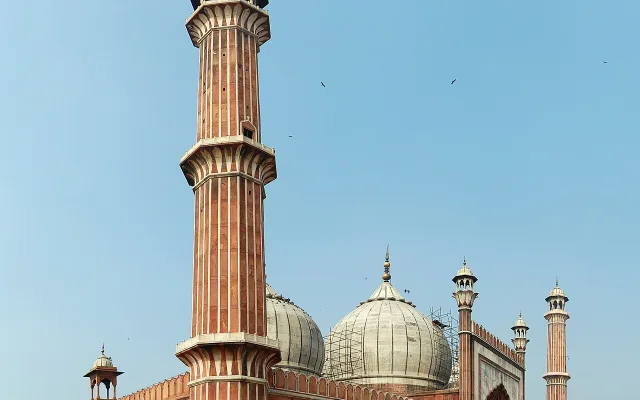
Delhi is known for historic and architectural monuments including India Gate, the Red Fort, the Qutub Minar and the Lotus Temple, and for its sprawling bazaars.
Mumbai
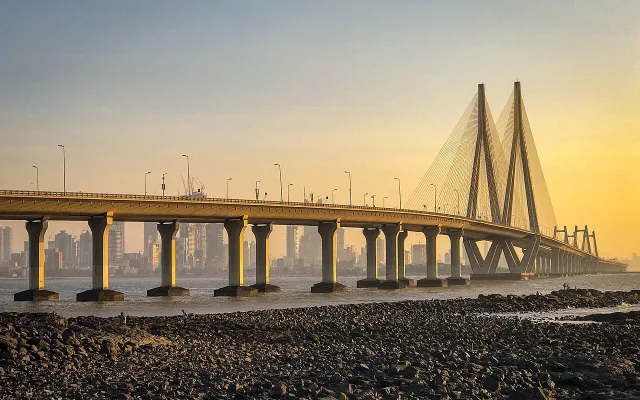
Mumbai is India's financial capital and the home of Bollywood: the Gateway of India, the Elephanta cave temples, Marine Drive, street food and the dabbawala lunch couriers.
Goa
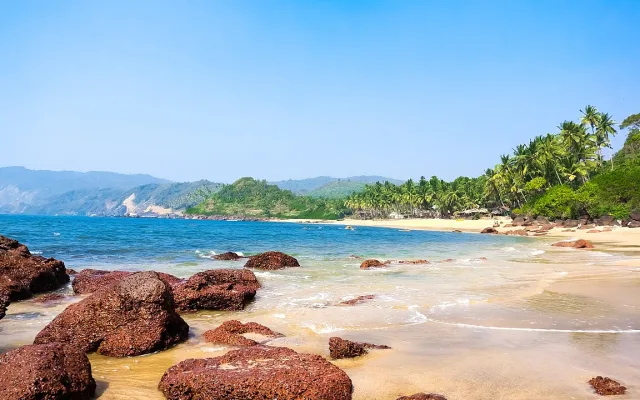
Goa is known for its beaches, Portuguese architecture and colourful markets. It also serves some of the best seafood in India.
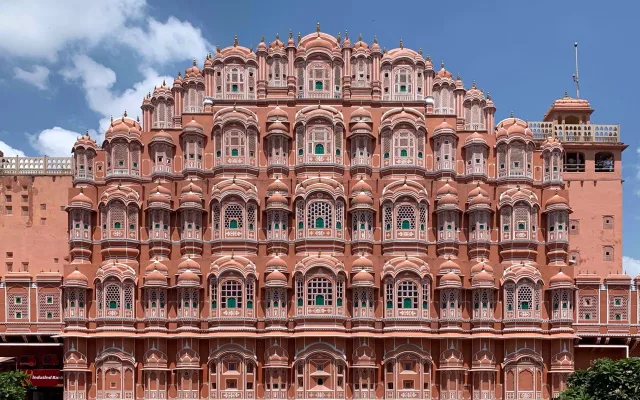
Jaipur
Jaipur is a city in Rajasthan known as the Pink City. Its landmarks include the Hawa Mahal, the Jal Mahal water palace and Amer Fort.
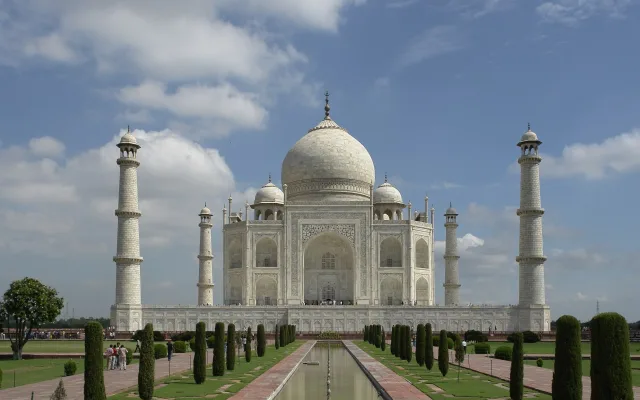
Agra
Agra is a city in India known for the Taj Mahal, a UNESCO World Heritage Site, and for the red sandstone Agra Fort.
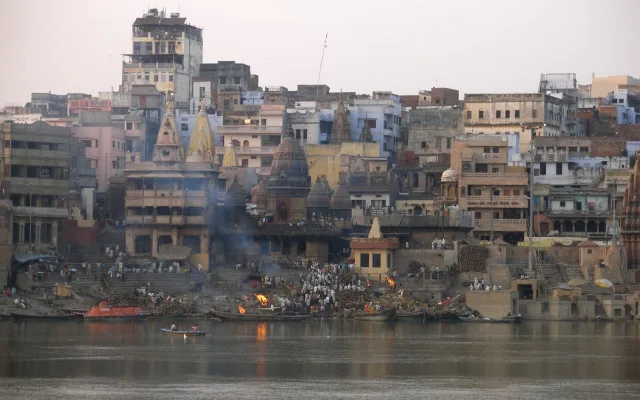
Varanasi
Varanasi is one of north India’s major centres of Hindu pilgrimage and a city whose daily life is closely tied to the Ganges. The old quarter runs through narrow lanes from the area around Kashi Vishwanath Temple down to a long sequence of stone ghats. These river steps serve many purposes: bathing, prayer, conversation, work and access to boats. Dashashwamedh Ghat draws visitors to the evening Ganga Aarti, while Assi Ghat marks a quieter southern stretch of the waterfront. Between them, the riverfront shifts between palaces, shrines, broad stairways and working landing places. Varanasi is best approached as a lived-in city rather than a checklist of monuments. A boat ride in the early morning shows how the streets and ghats face the river; walking through the lanes reveals temples and workshops, though the dense old quarter can be difficult to navigate. Some riverfront areas are associated with cremation rites. Keep a respectful distance, do not photograph people or ceremonies without permission, and follow local requests. Narrow streets and heavy pedestrian and two-wheeler traffic make short journeys slower than a map may suggest. Temples have their own security and dress requirements, which can change. In hot months, plan longer walks for early morning or evening, carry water and check current access rules before visiting religious sites. Varanasi has rail and air links with major Indian cities; reaching the old ghats from the station or airport usually requires a further taxi, auto-rickshaw or carefully chosen walk. The city rewards visitors who leave time to move slowly between the river, the lanes and the neighbourhood markets.
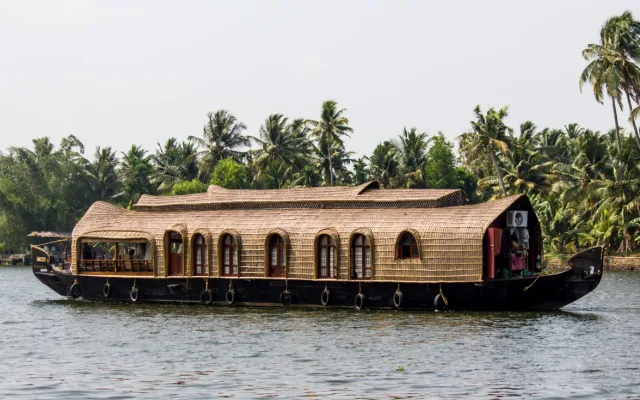
Kerala
Kerala is a state in India known for its backwaters, spices and elephants. You can cruise the canals at Alappuzha and visit the tea plantations of Munnar.
見どころ
#The Taj Mahal: The legendary mausoleum in Agra, which you want to see at dawn before the crowds and the heat arrive. Remember that it closes to visitors on Fridays.
Amber Fort: The magnificent fortress above Jaipur, worth the trip for the Mirror Hall alone. You can walk up rather than taking an elephant ride, which is the better choice anyway.
The ghats of Varanasi: The stone steps down to the Ganges, where the mesmerising Aarti ritual takes place every evening. It is free and it is the strongest single impression of the trip.
Qutub Minar: The brick minaret in Delhi with astonishing stone carving. The atmospheric ruins beside it are perfect for photographs without the usual scrum.
Hampi: The ruins of an ancient empire scattered among giant boulders, looking like another planet. Give it a couple of days to feel the place properly.
Hawa Mahal: Jaipur's famous "Palace of Winds" with its hundreds of latticed windows. The best view of the facade is from the café directly across the road.
物価
#Currency: The Indian rupee (INR) is the only means of payment. Reckoning prices is easy: divide rupees by roughly 90 for dollars.
Cards: Visa and Mastercard are accepted at hotels, chain cafés and larger shops, and Amex much less so. Everywhere else, from dhabas to rickshaws, is strictly cash, so never set out without notes in your pocket.
Apps: Foreigners can use the Cheq service to pay by QR code through India's UPI system. It is genuinely convenient and saves you carrying wads of small notes.
Tipping: Around ten percent in restaurants if no service charge is included. Fifty rupees is enough for a porter, and 200 to 500 for a driver who has worked all day.
Bargaining: This is part of the culture in markets and with rickshaw drivers. Halve the opening price without hesitation, but do it with a smile, because aggression gets you nowhere.
| Item | Price (USD) |
|---|---|
| Street samosa | 0.20 |
| Masala chai | 0.15 |
| Meal at a dhaba | 1.50 |
| Restaurant dinner | 7.00 |
| 1 litre of water | 0.25 |
| 0.65L beer | 3.50 |
| Hostel bed | 5.00 |
| Guesthouse night | 15.00 |
| Train 3AC, 200 km | 6.00 |
| Train 2AC, 200 km | 10.00 |
| Rickshaw, 3-5 km | 1.00 |
| Delhi metro | 0.50 |
| SIM card, one month | 4.00 |
| Taj Mahal entry | 14.00 |
移動手段
#Trains: This is the best way to see the country. For comfort choose 2AC or 3AC with air conditioning, and book ahead through Cleartrip or IRCTC.
Flights: Domestic low-cost carriers like IndiGo fly frequently and cost little booked a month out. That saves days on the Delhi to Mumbai or Goa runs.
Taxis: In the big cities, install Uber or Ola. It removes exhausting negotiation with drivers and guarantees a fair metered price.
Rickshaws: Three-wheeled auto rickshaws are nimble in traffic, but always agree the fare before getting in. If a driver will not use the app, wave him on and take the next one.
Buses: Sleeper coaches with berths run between cities as an alternative to trains, though bear in mind the chaotic driving on Indian roads.
Metro: Delhi has an excellent network that gets you under the gridlock quickly and cheaply. There are carriages reserved for women only.
宿泊
#Guesthouses: Small family-run hotels are the warmest option. In Delhi look around Karol Bagh, and in Agra choose Taj Ganj for proximity to the mausoleum.
Hostels: Chains like Zostel and Moustache deliver reliable cleanliness and a social scene. They are the easiest way to meet other travellers.
Havelis: In Rajasthan you can stay in old merchant mansions with carved balconies and courtyards. It costs a little more and feels like living in a palace.
Booking: Use Booking or local aggregators like MakeMyTrip. In low season you can turn up and negotiate on the spot, often getting up to thirty percent off.
Where to stay: In Delhi, Paharganj is extremely noisy, so Hauz Khas is the better pick. Mumbai is expensive, so aim for the historic Fort district.
Check first: Confirm there is a heater for northern winters and that the air conditioning works in summer. Hot water in budget places often runs on a schedule.
食事
#Thali: The universal Indian meal on a tray, with rice, breads and a set of curries. At a simple roadside dhaba it is the most filling and cheapest thing you can order.
Dosa: A thin crisp rice-flour pancake usually served at breakfast. Try the masala dosa with its potato filling and fragrant coconut chutney.
Hygiene: Never drink tap water and avoid ice in drinks. Use bottled water even for brushing your teeth, which is the single most effective way not to lose days to illness.
Heat: If you dislike chilli, always say "no spicy", though Indian definitions of that are elastic. Vegetarian food is generally the safer bet than meat.
Street food: Eat snacks like samosas where there is a queue of locals. That is your guarantee that nothing has been sitting around.
Chai: The national drink is masala chai with milk and spices. It is sold on every corner in small glasses and is the fastest way to revive yourself.
治安
#Scams: Be ready for lines like "the road is closed" or "your hotel burned down". These are always lies, designed to steer you into a particular travel agency or a different hotel, so keep walking and check for yourself.
Crowds: In busy places and on trains, watch your pockets. Do not leave valuables visible and use locks on your backpack during journeys.
Women travellers: Solo female travellers should avoid dark lanes alone in the evening. Dress modestly, covering shoulders and knees, which noticeably reduces unwanted attention.
Roads: Traffic is chaotic and pavements barely exist. To cross a street, simply move with the flow of local people and avoid sudden movements.
Animals: Cows on the road are sacred and must not be harmed. Monkeys around temples can be aggressive and will steal phones, so do not hold food in your hands.
Health: Get hepatitis and typhoid vaccinations before you travel. Take out good insurance, since decent care in private clinics is expensive.
マナーと文化
#Shoes: Always take them off before entering temples, mosques and even private homes. Leave them at the entrance or hand them in at a stand for a small coin.
The right hand: Use only the right hand for eating, passing money and shaking hands. The left is traditionally considered unclean, so respect the convention.
The head wobble: The famous side-to-side head movement can mean "yes" or "I understand you". It is not a refusal but a polite signal of attention.
Religion: India is saturated with spirituality, so keep quiet in sacred places. Photography is banned in some temples, so look for the signs.
Time: Indian time is famously elastic. Being late to meetings and trains running a couple of hours behind are simply how things work here.
Dress: However hot it gets, revealing clothes are not the thing to wear in cities. A modest appearance earns more trust and attracts fewer stares.
通信・インターネット
#SIM cards: Buying a physical SIM in a shop is a long quest involving photocopies. Get one at the airport instead, at the Airtel or Jio desks.
eSIM: A virtual plan through Yesim or Airalo is the simplest option of all. You have data the moment you land, with none of the bureaucracy.
Coverage: Signal is excellent in the big cities and at resorts, often 5G. In the mountains it drops out, so download offline maps in advance.
Messaging: All the usual apps work without restriction. Indians love WhatsApp, and you can often book a room or a guide through it.
Wi-Fi: In budget guesthouses the internet is often slow and works only in the lobby. If you need to work, always have a SIM as backup.
Apps: Download Uber for taxis, Zomato for food delivery and the official railways app for tracking your train's status.
English: English is very widely spoken, particularly in cities, hotels and transport, and most signage is bilingual, so you will rarely struggle to be understood.
会話集
#| English | Hindi | Pronunciation |
|---|---|---|
| Hello | नमस्ते | na-mas-TAY |
| Thank you | धन्यवाद | DHAN-ya-vaad |
| How are you? | क्या हाल है? | kya haal HAI |
| Yes | हाँ | haan |
| No | नहीं | na-HEEN |
| How much is it? | कितना है? | KIT-na hai |
| Too expensive | बहुत महँगा | ba-HUT MEHN-ga |
| Make it cheaper | कम करो | kam ka-RO |
| Water | पानी | PAA-nee |
| Very good | बहुत अच्छा | ba-HUT ACH-cha |
| Spicy | तीखा | TEE-kha |
| No spices | मसाला नहीं | ma-SAA-la na-HEEN |
| Where is the toilet? | टॉयलेट कहाँ है? | TOY-let ka-HAAN hai |
| Help me | मदद कीजिए | MA-dad KEE-ji-yay |
| Sorry | माफ कीजिए | maaf KEE-ji-yay |
| OK, fine | ठीक है | theek HAI |
| My friend | मेरा दोस्त | MAY-ra dost |
| Let's go | चलो | cha-LO |
| Stop | रोको | RO-ko |
| See you again | फिर मिलेंगे | phir mi-LEN-gay |
役立つ情報
#Visa site: Apply only through the official portal indianvisaonline.gov.in. Be wary of intermediaries who charge extra for a process you can do yourself.
Rail tickets: The irctc.co.in portal or the Cleartrip app will sell you train tickets. Remember the waiting list system: a high number means you probably will not travel.
Consular help: Most countries keep an embassy in Delhi's Chanakyapuri district and consulates in Mumbai. Note the numbers in case you lose your documents.
Weather: Plan your trip between October and March, when the heat eases. April brings brutal temperatures and from June the monsoon floods the tourist states.
Medicines: Bring rehydration salts and something for an upset stomach. Indian pharmacies are good, but brand names differ, so having your own kit is easier.
Plugs: India uses types C and D. Continental European plugs generally fit, while UK, US and Australian ones need an adapter, and laptop chargers may too.
よくある質問
#Almost every nationality does, and the simplest route is the e-Visa applied for through the official government portal, which takes up to 72 hours. Fees depend on your nationality and the length of stay. Note that an e-Visa is valid only for arrival at international airports and major seaports, never at land borders.
It varies by passport and duration. A one-year multiple-entry visa runs around 40 dollars and a five-year one around 80, both allowing stays of up to 90 days per visit. Shorter 30-day tourist e-Visas are cheaper and are free for some nationalities.
Book online through Cleartrip or the official IRCTC portal. Do it 30 to 60 days in advance, since seats in the comfortable air-conditioned classes disappear very quickly.
October through late March, when the weather is dry and comfortable. Avoid the summer months, both for the extreme heat and for the monsoon, which brings heavy and prolonged rain.
India is broadly safe but demands sensible precautions. Solo female travellers should dress modestly, avoid walking alone at night, and use the women-only carriages available on the metro and trains.
Bring cash dollars or euros, which are easy to exchange for rupees in any city, and a card for ATM withdrawals. Keep enough rupees on you at all times, because most everyday transactions are cash.
The main rule is bottled water only, and no ice in drinks. Eat at busy places with high turnover, wash your hands before eating, and at first avoid raw vegetables you cannot peel.
The Delhi, Agra and Jaipur route is an excellent first independent introduction to the country's architecture. It lets you see the Taj Mahal and the great forts in a short time using a well-developed transport network.
Effectively no — flying is banned or out of reach for tourists. Formally, drones over 250 g are registered on the DigitalSky portal and require a pilot certificate and insurance. In practice foreigners cannot fly: only Indian citizens or companies may register a drone, and private imports are banned — customs will seize it. Rules for other countries are in the drone ranking by country.
Yes — renting a car requires an international driving permit alongside your national licence. Traffic drives on the left. Car rental starts at 18. An IDP is required. Traffic drives on the left and is dense — not a place to learn. Rules for other countries are in the driving and rental table.
You can rent a bike, but you need an international driving permit. Crucially, your licence must include category A. Category B is not enough — this is what catches most riders out. A helmet is compulsory. Bike rental usually starts at 18. Rules for other countries are in the driving and rental table.
Middling: tourist areas are calm, but some districts are best avoided. Intentional homicides: 2.716 per 100,000 a year (UNODC, 2023 data). The main threat here is not violence but pickpockets: stations, metro and queues at the sights. Do not drink tap water — stick to bottled. The general emergency number is 112. Ratings for other countries are in the safety table.
更新日
The data on this page goes out of date. Visa rules and permitted stays, border requirements, prices and budgets, transport and local conditions all change fast, and we do not re-check every page every day. We show the date of our last check where we have one, but before you travel, verify with official sources: the country’s consulate, its immigration service, its e-visa portal and your carrier.