Description
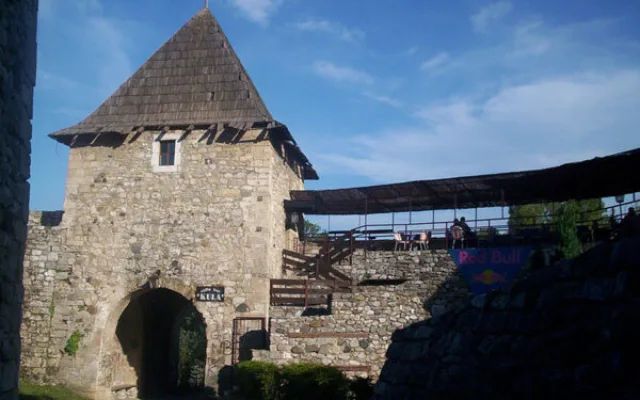
Banja Luka — the capital of Republika Srpska, known for its Kastel fortress, whitewater rafting on the Vrbas river, and leafy parks.
Wiki
Banja Luka is the second-largest city in Bosnia and Herzegovina and the administrative centre of Republika Srpska. It is a relaxed, green city on the Vrbas river, visited mainly for rafting, the fortress, and a break from tourist crowds — one full day is enough to get a real feel for it.
Is it worth visiting, and for how long?
Banja Luka is not a museum city but a working regional centre without a long list of must-see sights. One day is enough to cover the centre, the fortress and the riverside. If you plan to raft or canyon the Vrbas, build in a second day — the run itself takes half a day plus transfer time to the put-in point. As a stand-alone destination it is a little thin, but it fits perfectly into a route between Zagreb/Plitvice and Sarajevo, or as a stopover heading south.
What to see
- Kastel Fortress — the main draw. It sits right on the bank of the Vrbas; entry is usually free, you can walk the walls, and there are a café and event spaces inside. Good river views and a useful way to get a sense of the old city's scale.
- Pedestrian zone and centre — compact, built mainly during the Austro-Hungarian and socialist periods. The main axis runs around the Cathedral of Christ the Saviour (a large Orthodox cathedral) and the central square.
- Vrbas riverbanks and parks — the city is genuinely green, with many small parks. A pleasant walk along the water.
- Rafting and the Vrbas canyon — the reason active travellers come here. Runs of varying difficulty, season runs through the warmer months. Arranged by local operators; book online in advance.
Half a day covers the centre and fortress on foot; save the other half for the river.
Getting there
- By air. Banja Luka has a small airport, but services are limited. Most visitors fly into Zagreb (Croatia) or Sarajevo and continue overland.
- By bus. The most practical option. Regular services connect Banja Luka with Sarajevo, Zagreb, Belgrade and other cities in the region. The bus station is the main transport hub; the journey from Zagreb is noticeably shorter than from Sarajevo.
- By car. Convenient if you are travelling around the region: parking in the city is straightforward and the roads are decent. Bear in mind that this crossing is an EU–BiH border — keep your passport and vehicle documents handy.
Getting around
The centre is small and entirely walkable — the bus station to the fortress is an easy stroll. City buses exist but are barely needed for sightseeing. For rafting, operators usually organise a transfer to the put-in; if you are making your own way, you will need a car or taxi, as the canyon is outside town.
Where to stay
Stay in the centre or near the pedestrian zone — everything is then within walking distance, including cafés and the riverside. The accommodation choice is more limited than in major tourist cities: a handful of hotels plus apartments and guesthouses. Prices are moderate by regional standards and noticeably cheaper than the Croatian coast.
Money, food and prices
The currency is the Convertible Mark (BAM/KM), pegged to the euro. Cards are accepted at hotels and larger venues, but always carry cash — markets, small cafés and local transport often take cash only. There are plenty of ATMs in the centre.
Food is one of the city's strong suits, and it is cheap:
- Ćevapi (grilled minced-meat sausages in flatbread with onion) — the classic; filling and inexpensive.
- Burek and other filled pastries — ideal for a quick, budget lunch.
- Grilled meats, river fish, Balkan salads.
Eating out is noticeably cheaper than in the EU; a full meal at a simple restaurant comes to a modest sum. Coffee culture is strong — there are many cafés and people linger.
When to go
- Late spring and early autumn — the sweet spot: warm, green and comfortable for walking.
- Summer — hot, but this is the rafting and water-activities season.
- Winter — quiet and cool; much of the outdoor life winds down.
Safety and things to note
The city is calm, street crime is low, and the centre feels comfortable in the evening. A few things to be aware of:
- Language and politics. This is Republika Srpska — Cyrillic script is used and Serbian flags and symbols are prominent. The 1990s war and the constitutional structure of BiH are sensitive topics; it is best to avoid political arguments.
- Mobile data. Check your roaming situation: BiH is not in the EU and rates may differ. A local SIM is the cheaper option.
- Rafting — use operators with proper equipment and a solid reputation.
Common mistakes
- Coming to Banja Luka expecting a multi-day destination — you will run out of things to do. Think of it as a stopover or a base for activities.
- Relying entirely on a card — without cash in marks you will find life inconvenient.
- Skipping the river: visiting and never getting down to the Vrbas means missing what sets this city apart from its neighbours.