 Города и дороги
Description
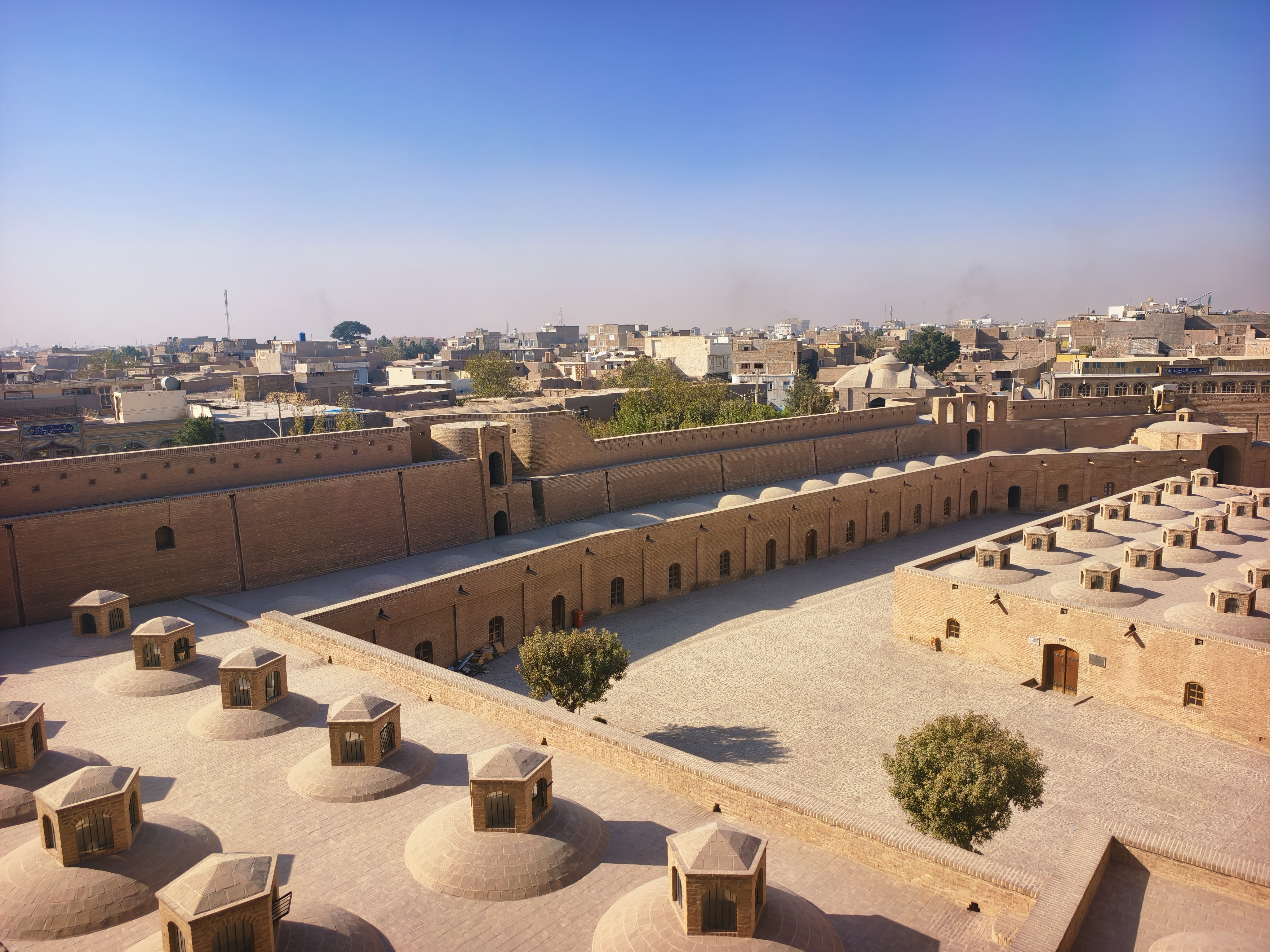
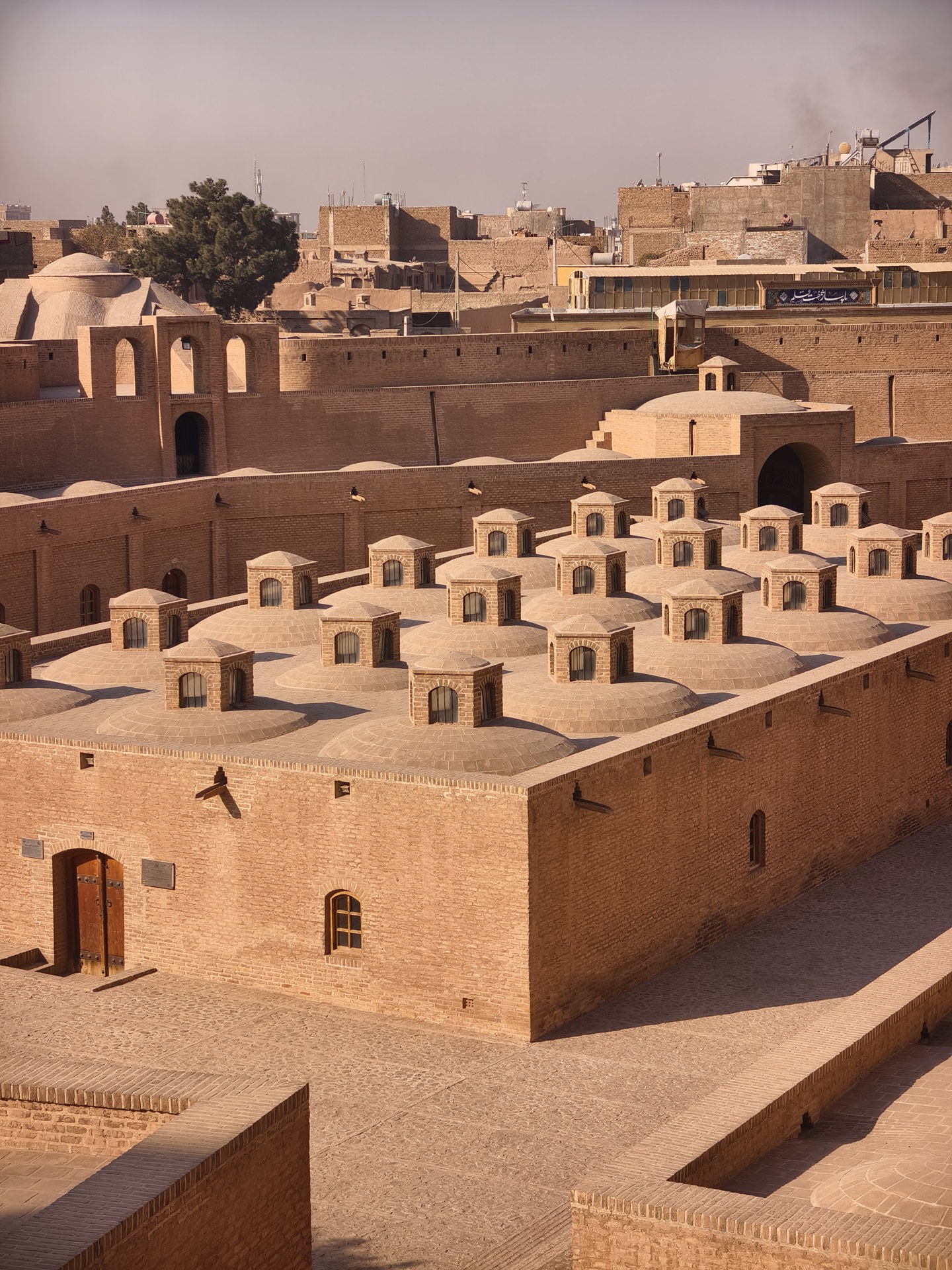
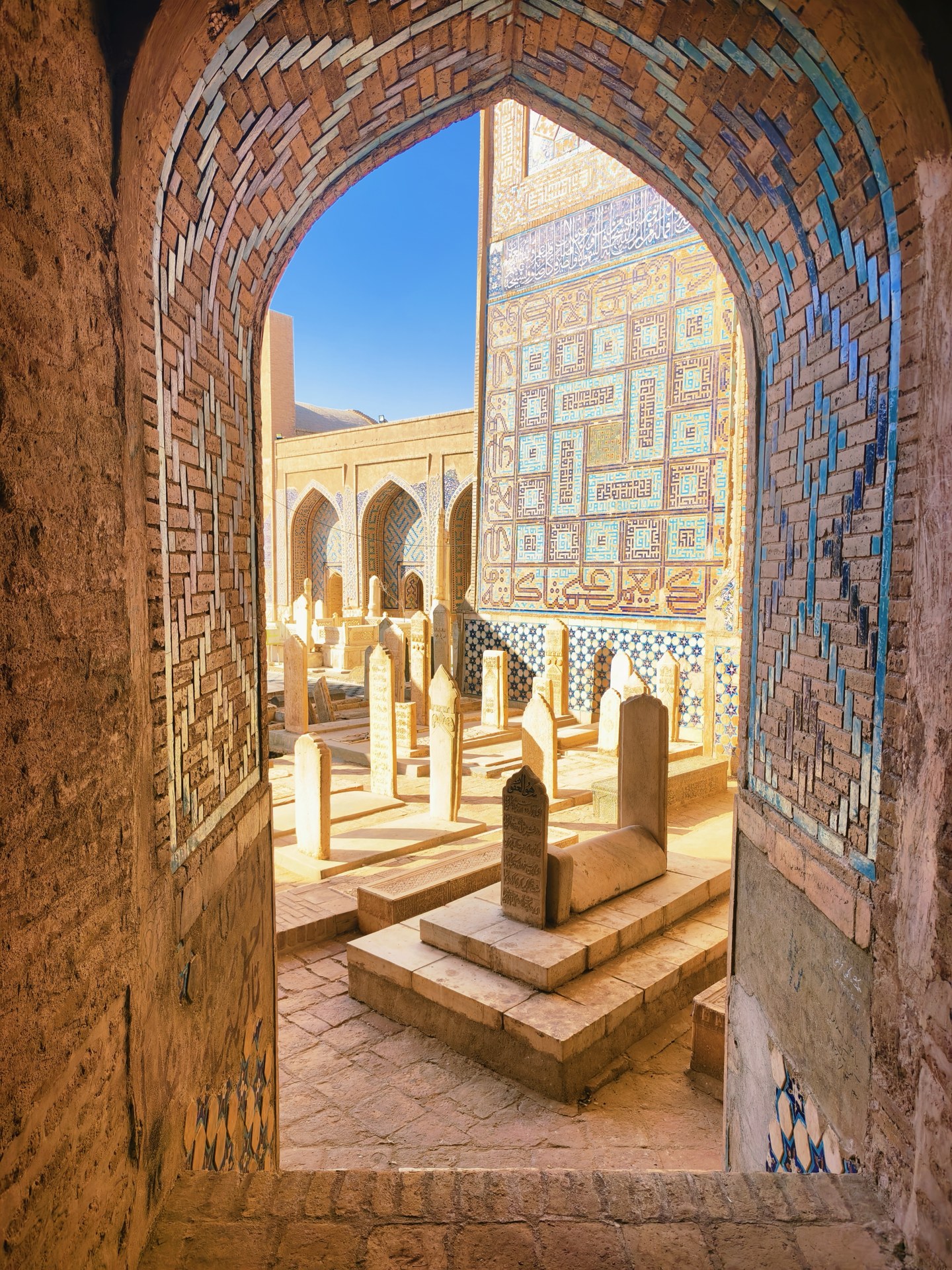
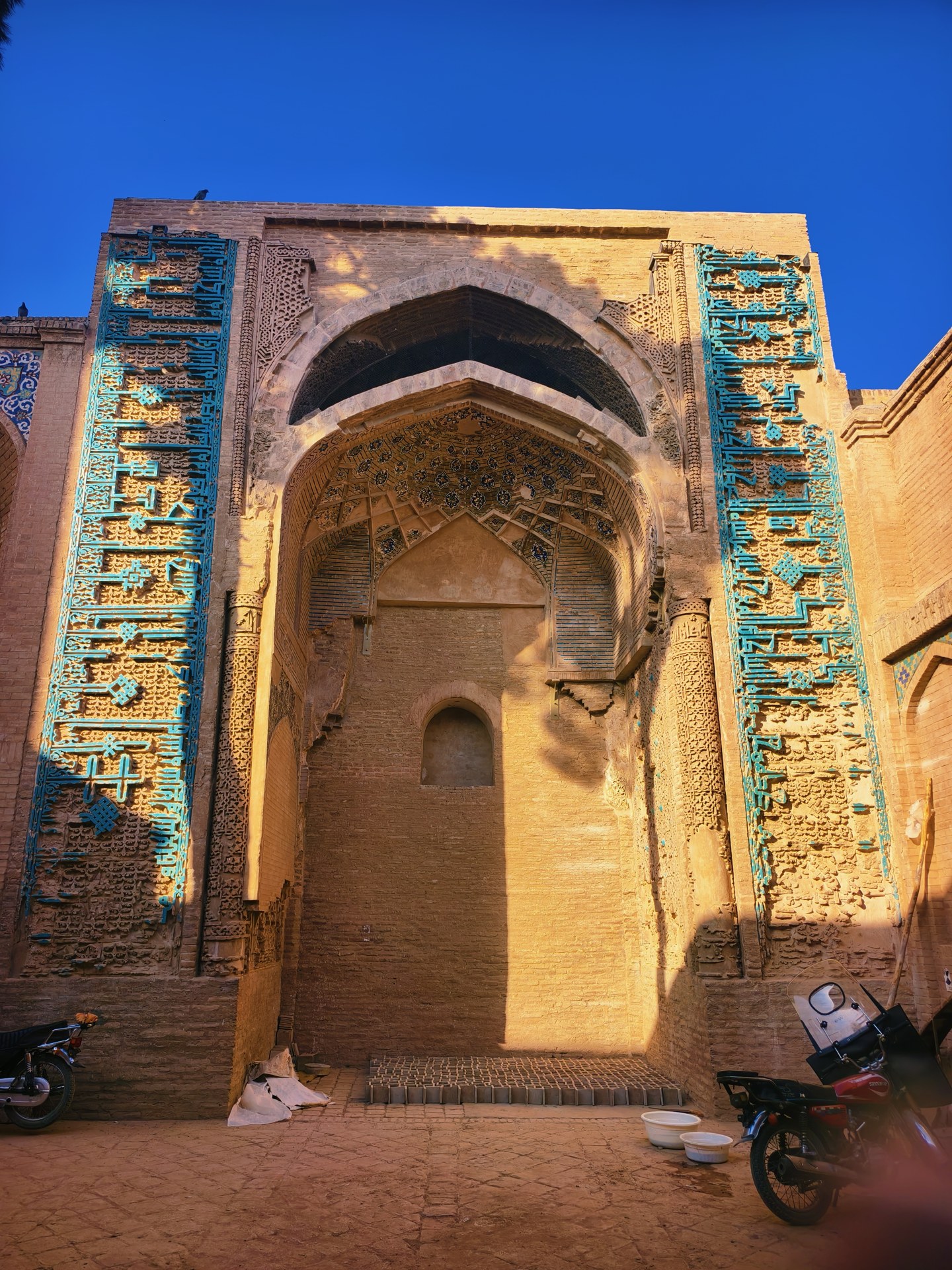
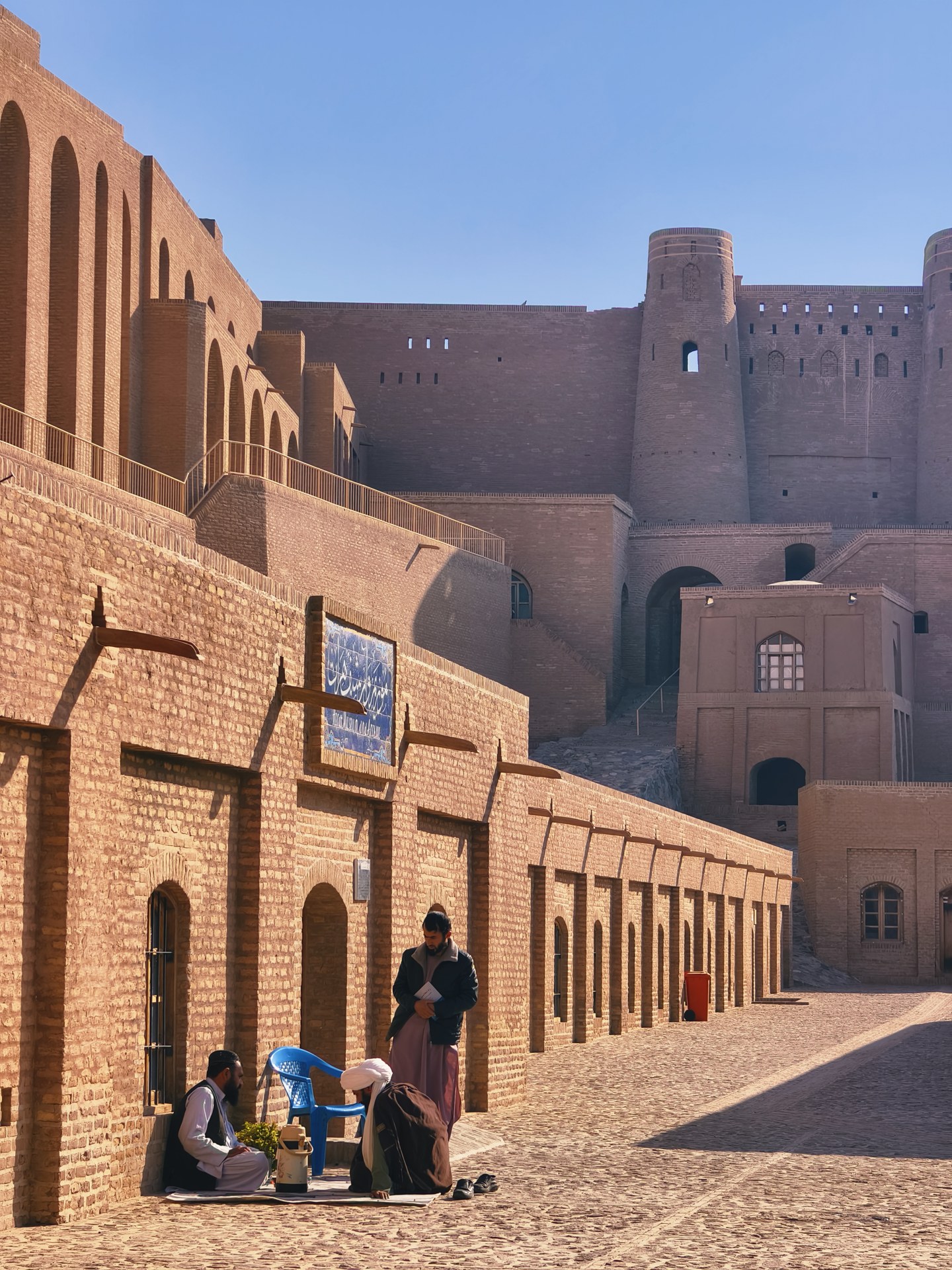
Herat is an ancient Silk Road city in western Afghanistan: the Friday Mosque under turquoise tile, the Ikhtiyaruddin Citadel, and the leaning minarets of the Musalla complex.
Wiki
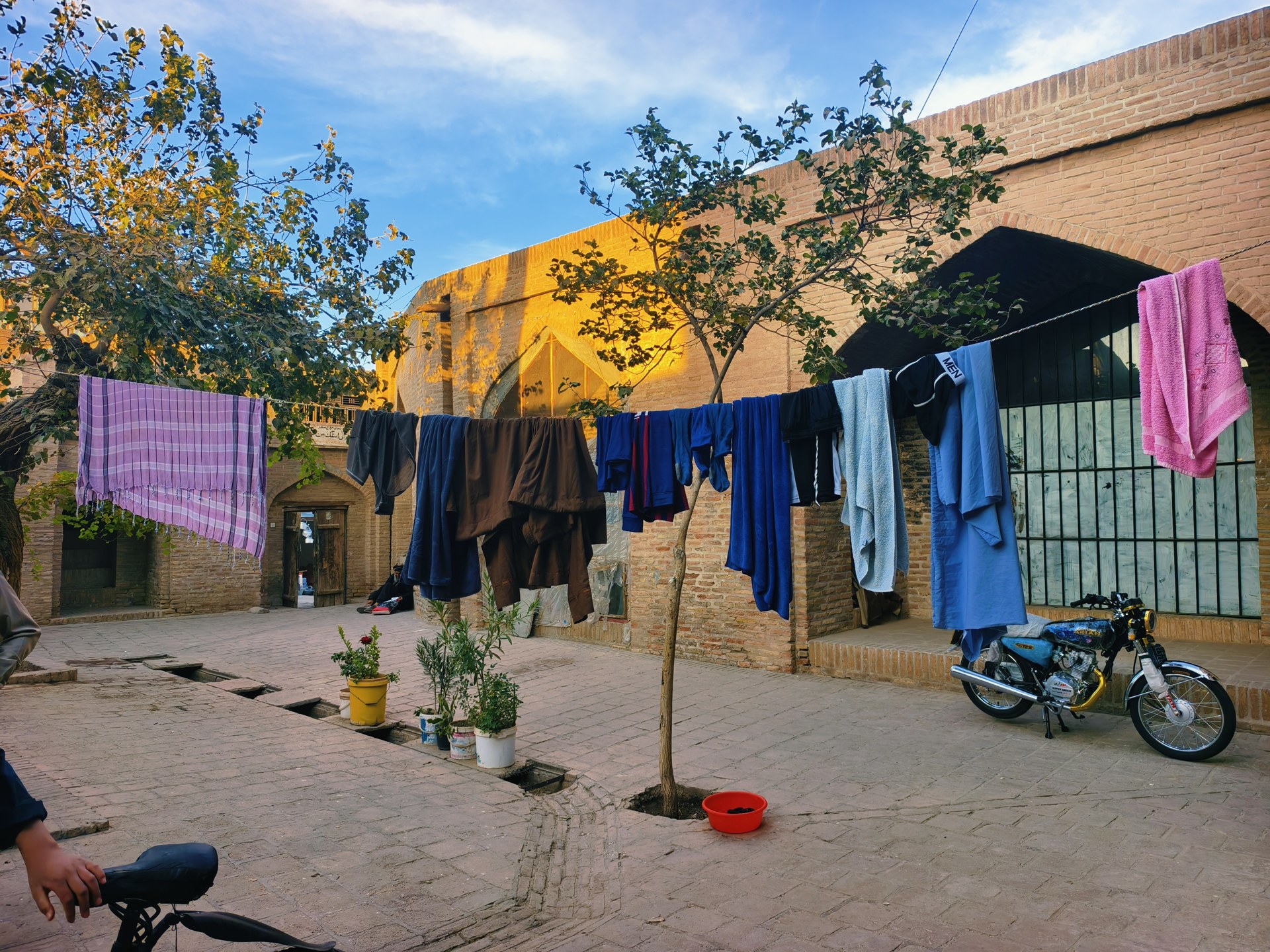
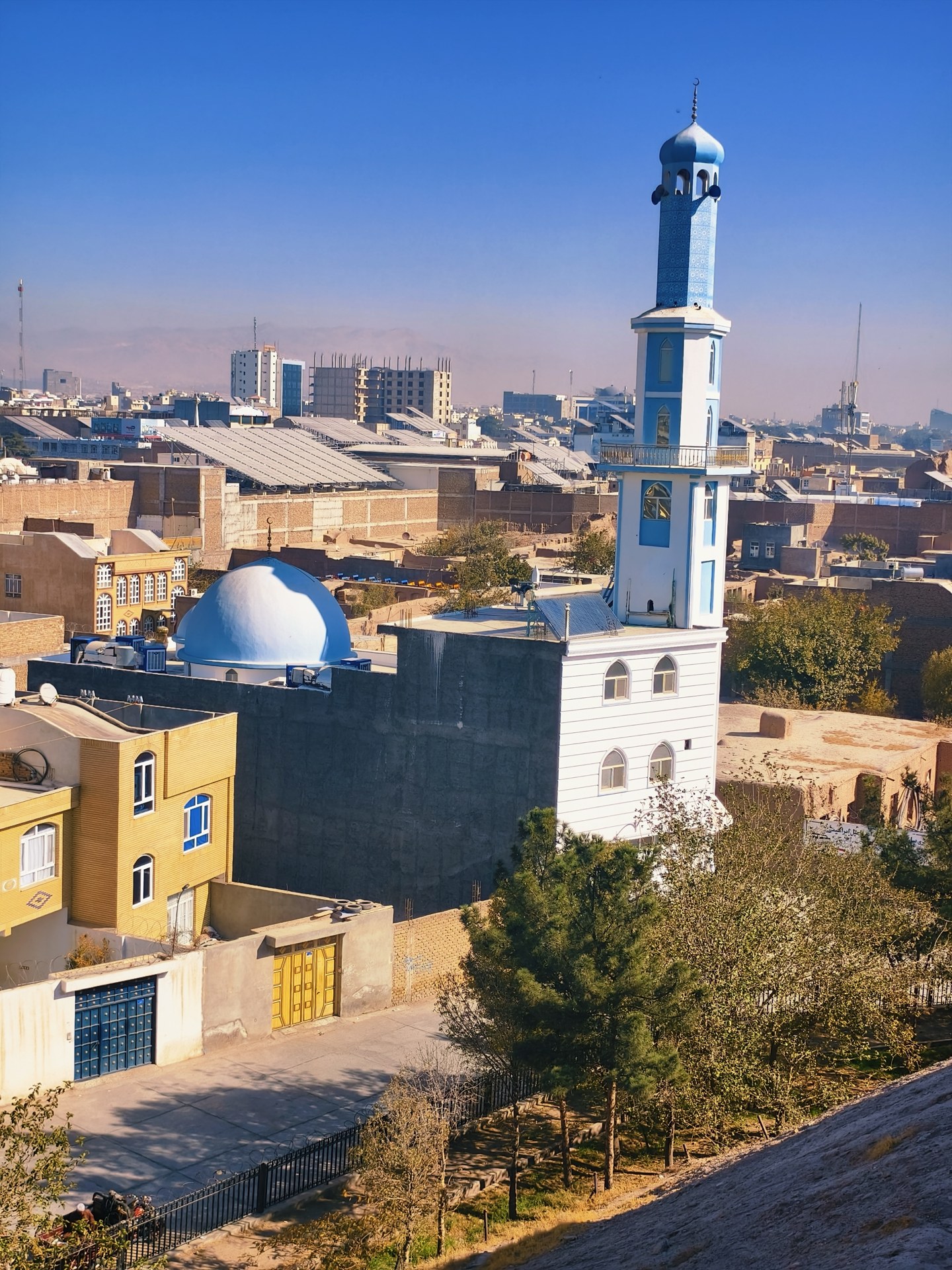
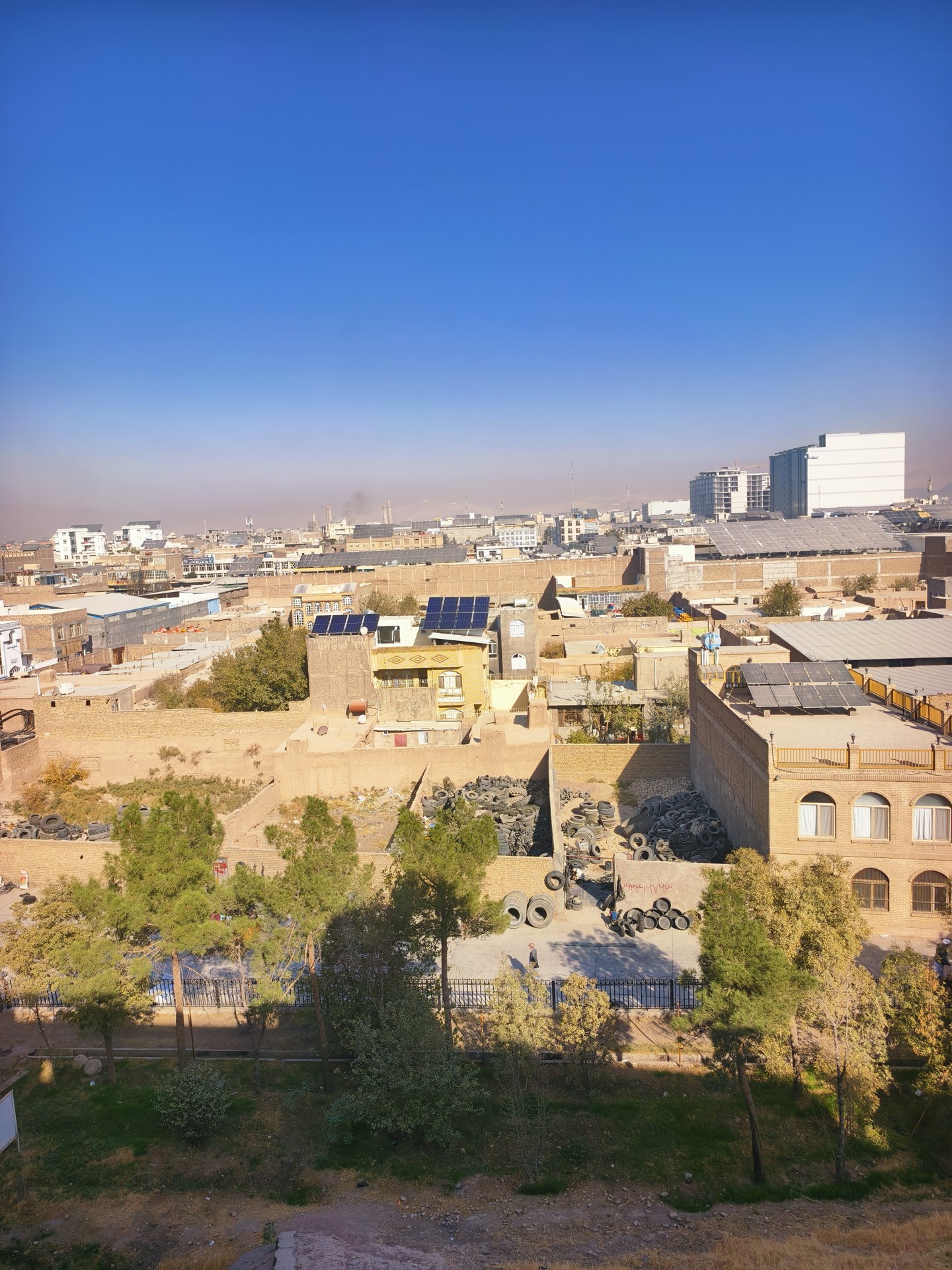
Herat is one of the most intact historic cities in Afghanistan, lying in the west of the country near the Iranian border. Here the turquoise mosaic of 15th-century mosques stands beside a fortress whose walls remember the age of Alexander, and the atmosphere feels noticeably closer to Persia than to the rest of Afghanistan.
Should you go: an honest word on safety
Afghanistan under Taliban rule is a destination for the very experienced, not for a first independent trip. Important points before you start planning:
- Visas are arranged in advance — usually through an embassy in a third country (Islamabad, Dushanbe and Tehran are often mentioned). Check the current conditions for your own passport immediately before travelling; the rules change.
- Registration and permits. On the ground you may be required to check in, and some movements have to be cleared in advance. Carrying copies of your documents and sticking to a comprehensible itinerary is the norm.
- Dress code and behaviour. For women, covered clothing and a headscarf are effectively obligatory, and in many situations it is difficult to move around without a male companion. For men: long trousers and a modest appearance.
- Photography. Do not photograph checkpoints, soldiers, government buildings or people without asking. It is a sensitive subject.
- Check your own government's travel advisories — most states advise against all travel. Insurance that covers Afghanistan is rare; look for a specialist provider.
Herat is considered relatively calm by local standards, but "calm" here is a relative concept. Assess the risk soberly.
Getting there and getting around
Herat is a major hub in the west of the country:
- By air. The city has an airport with domestic flights (above all from Kabul and Mazar-i-Sharif). International connections are unstable — check what is actually operating.
- Overland. The highway from Iran runs through Herat (via the Islam Qala border crossing), as does the road to Kandahar and Kabul. Many travellers come in from the Iranian side — it is logistically closer.
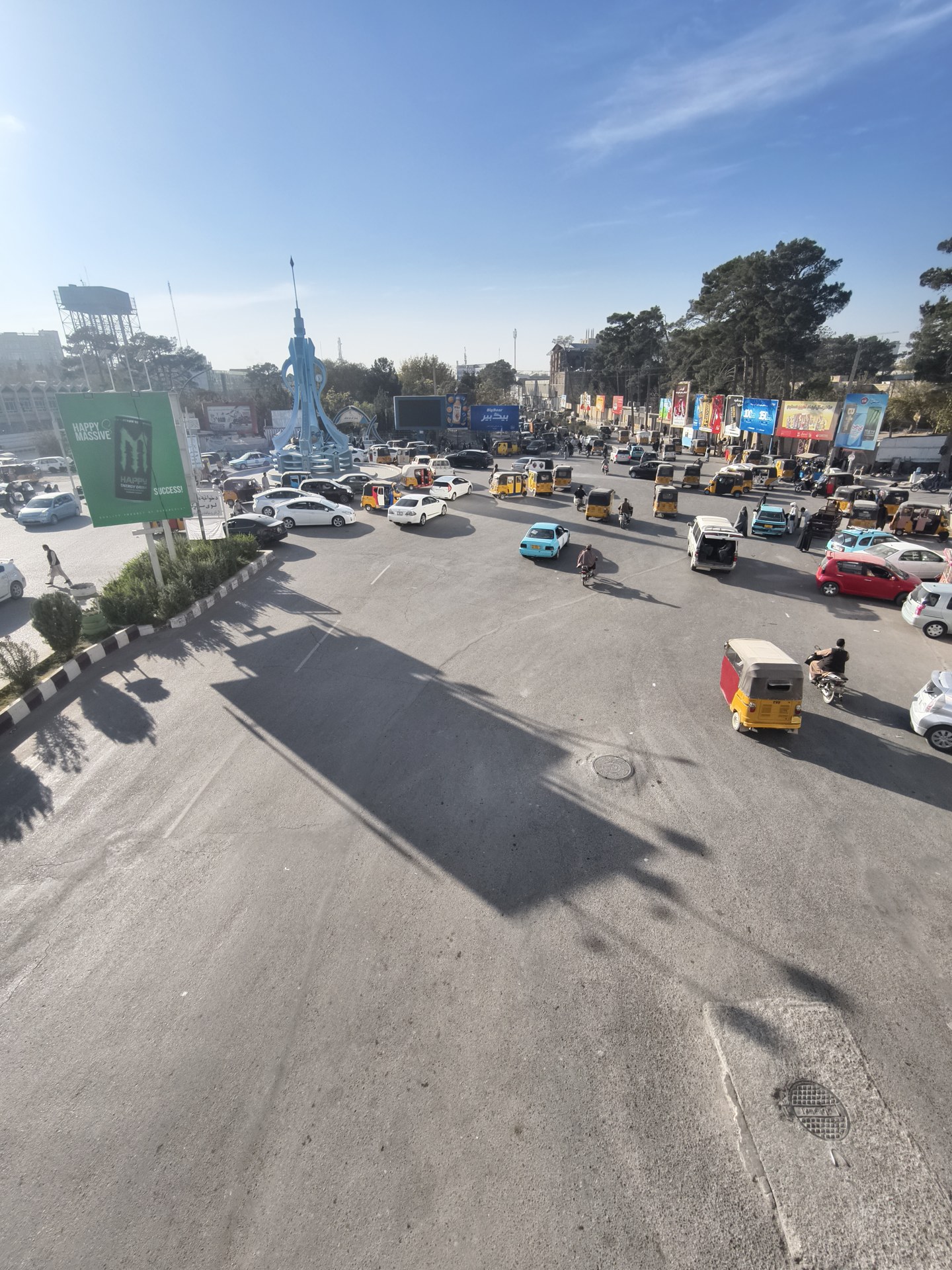
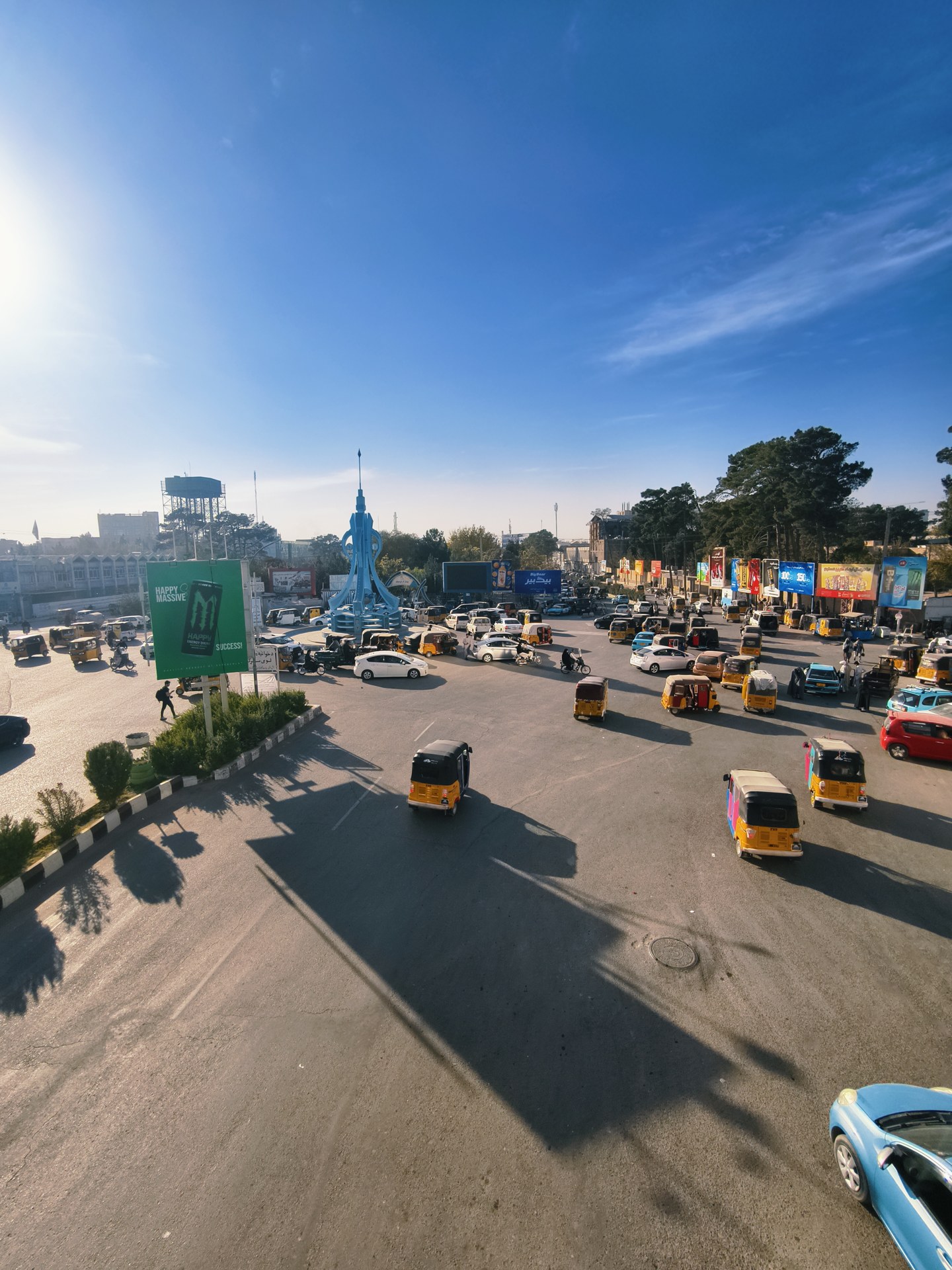
- Within the city. The historic core is compact, and the key monuments can be covered on foot with short taxi hops. Agree the fare in advance — there are no meters. For more distant points people hire a car with a driver for the day; it is convenient and removes part of the organisational burden.
What is actually worth seeing
A day and a half to two days without rushing is enough for the main things:
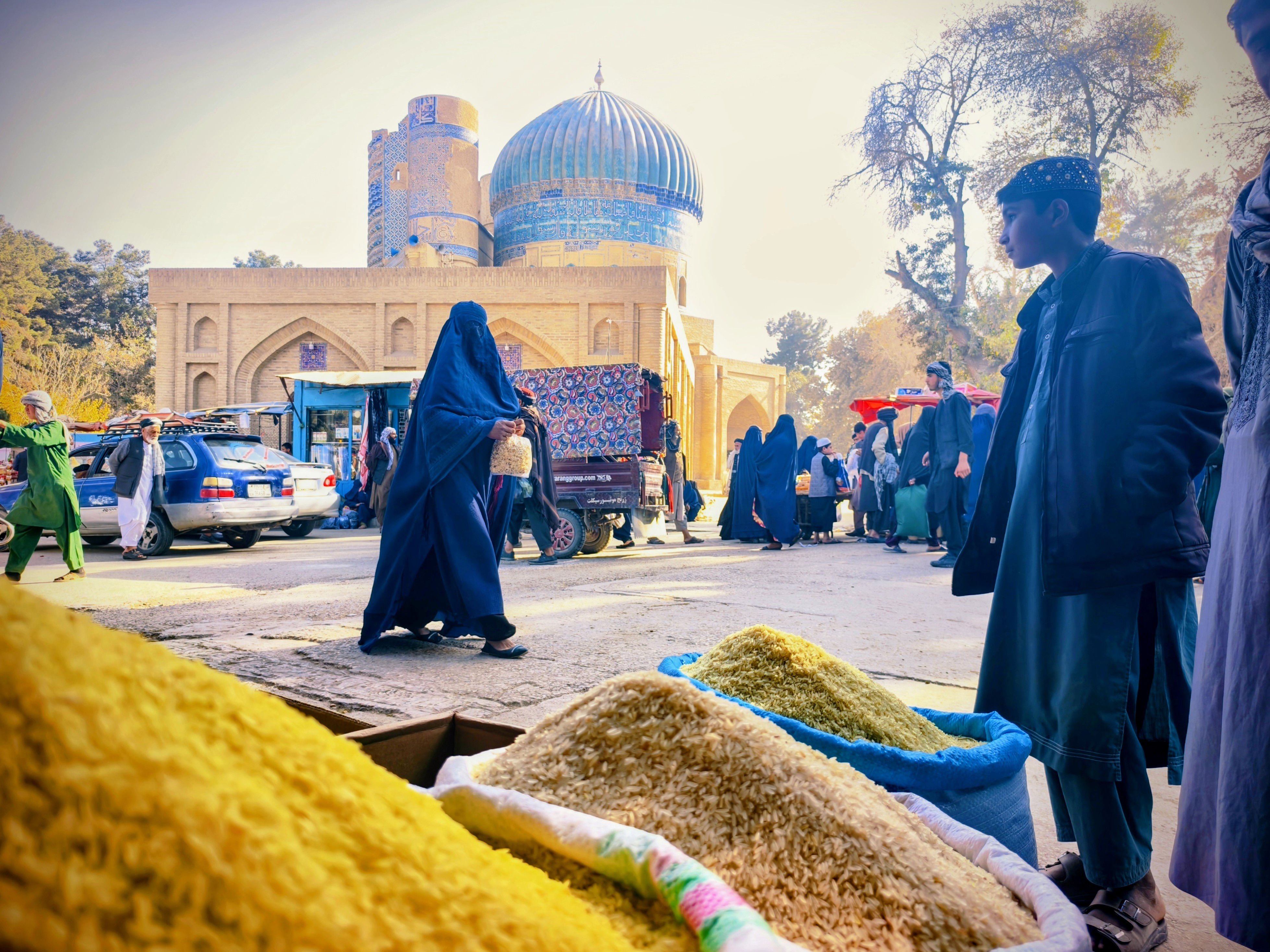
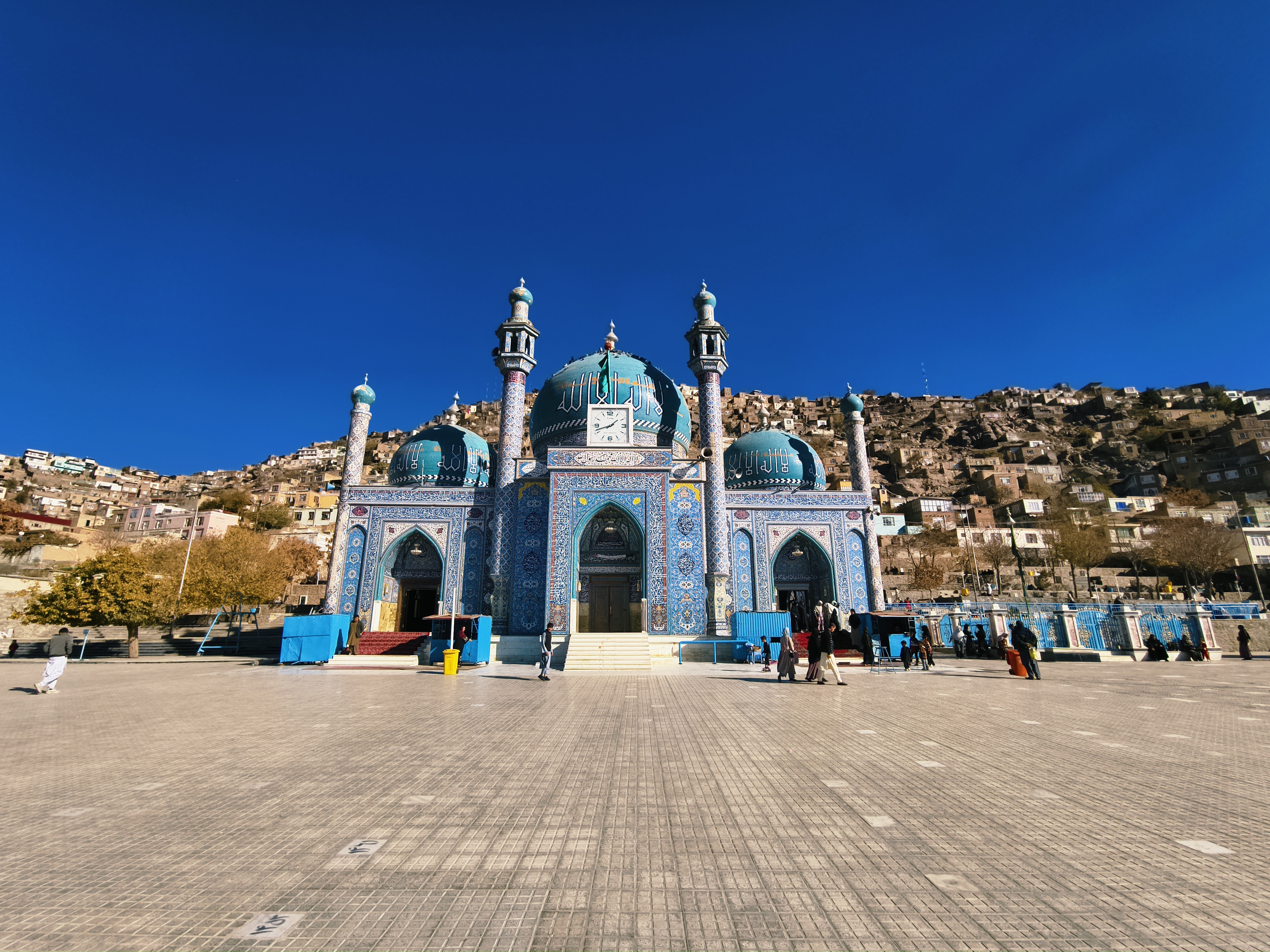
- The Friday (Congregational) Mosque. The heart of the city, clad in turquoise and blue mosaic. It was founded by the Ghurids in 1200, and the tilework it wears today took shape under the Timurids in the 15th century and was added to later. It is a working mosque — enter respectfully, outside prayer times, in modest clothing. Next to it is a workshop where the tilework is restored, and you can watch the tiles being assembled by hand.
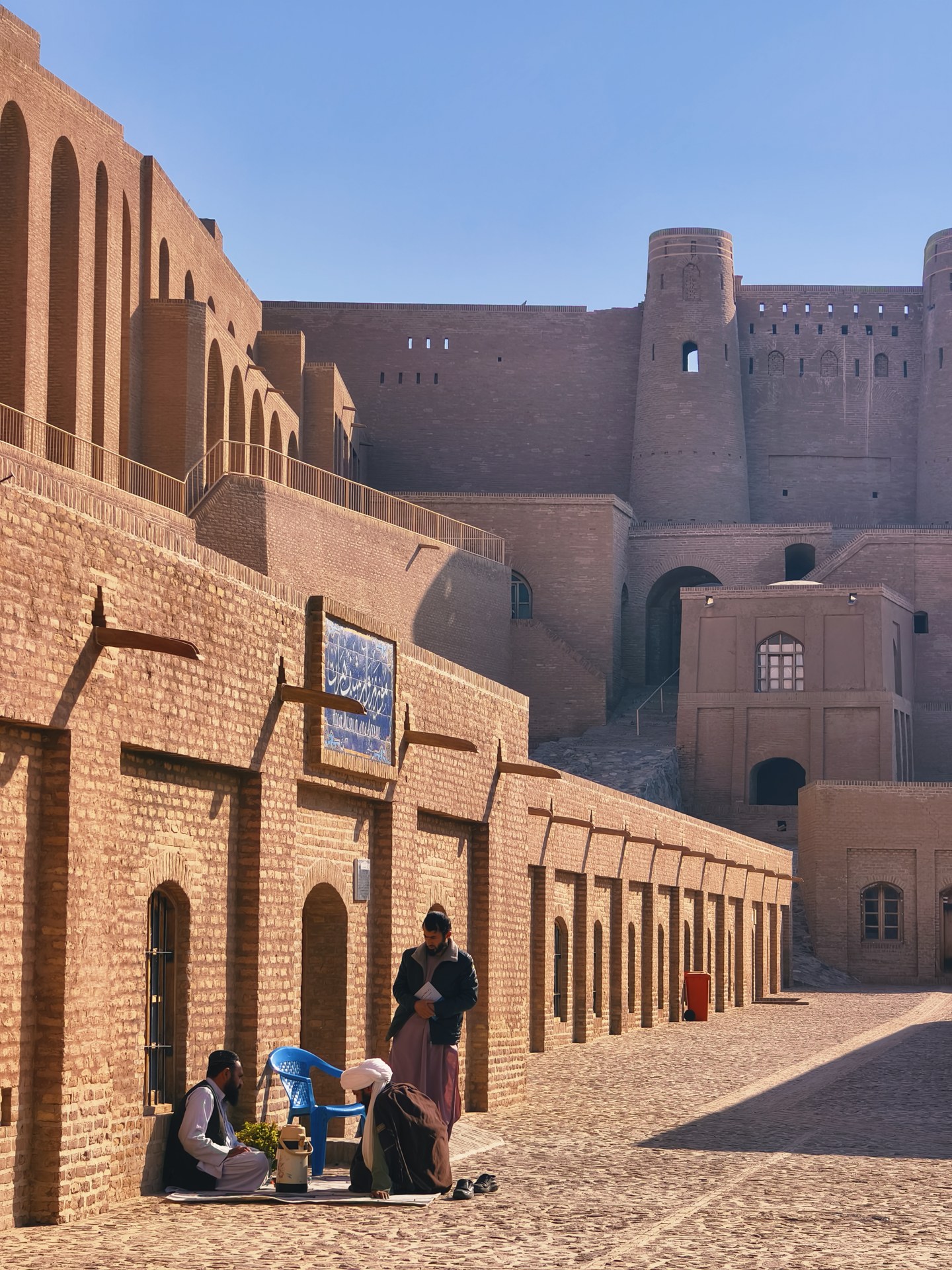
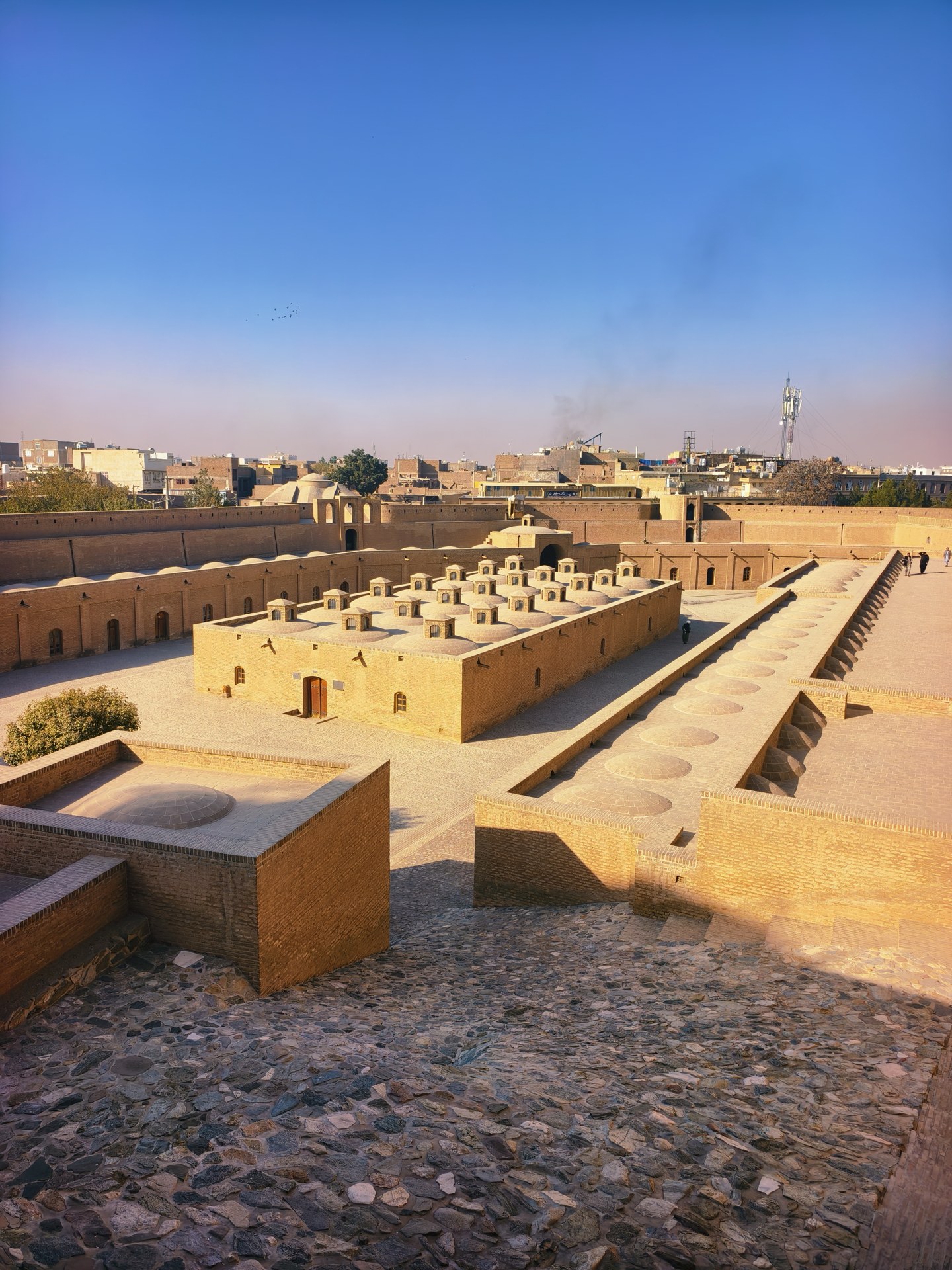
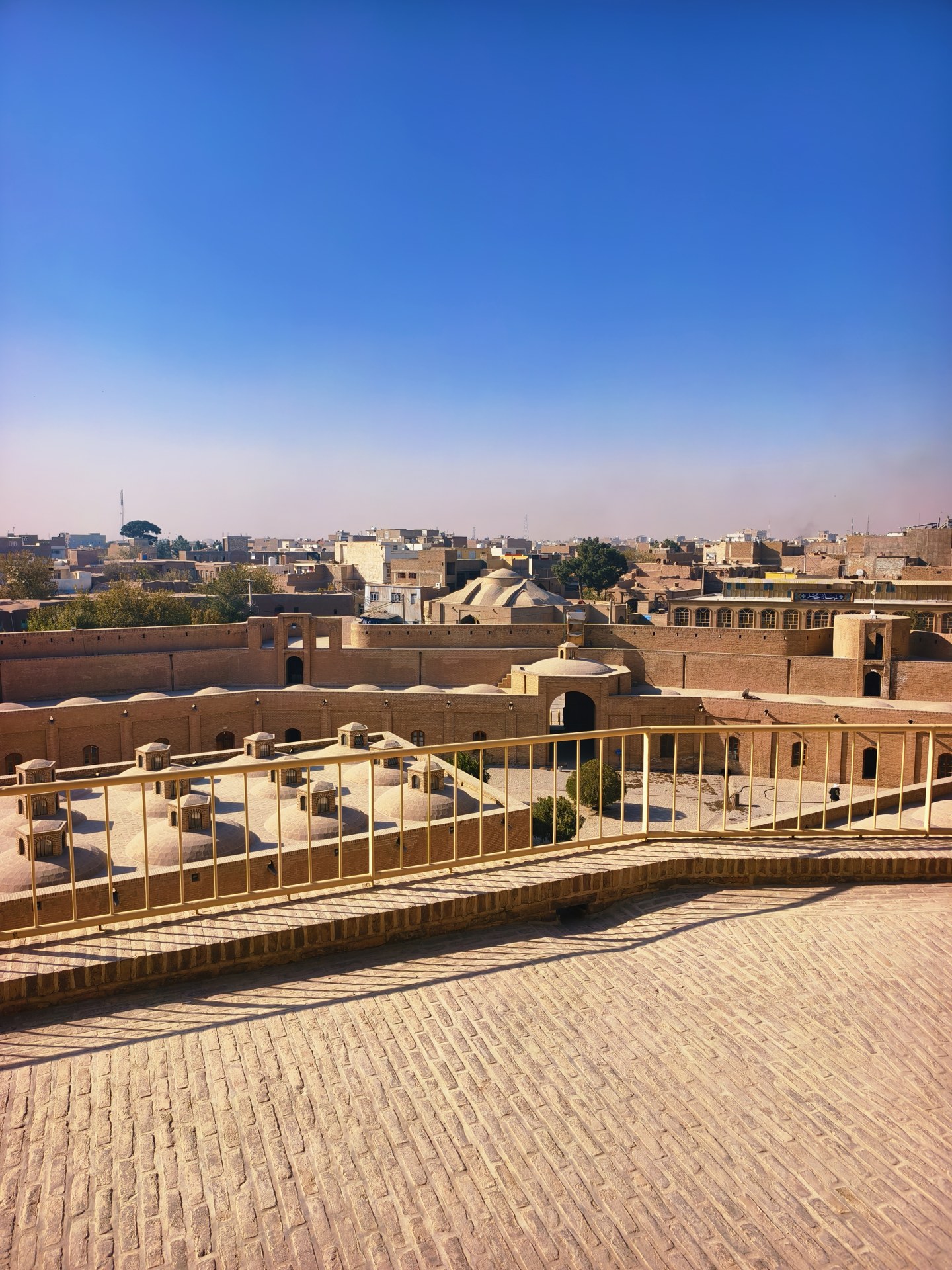
- The Ikhtiyaruddin Citadel. A massive fortress on high ground whose foundations are linked to Alexander's campaign. Inside there is a small exhibition, and the walls give good views over the city.
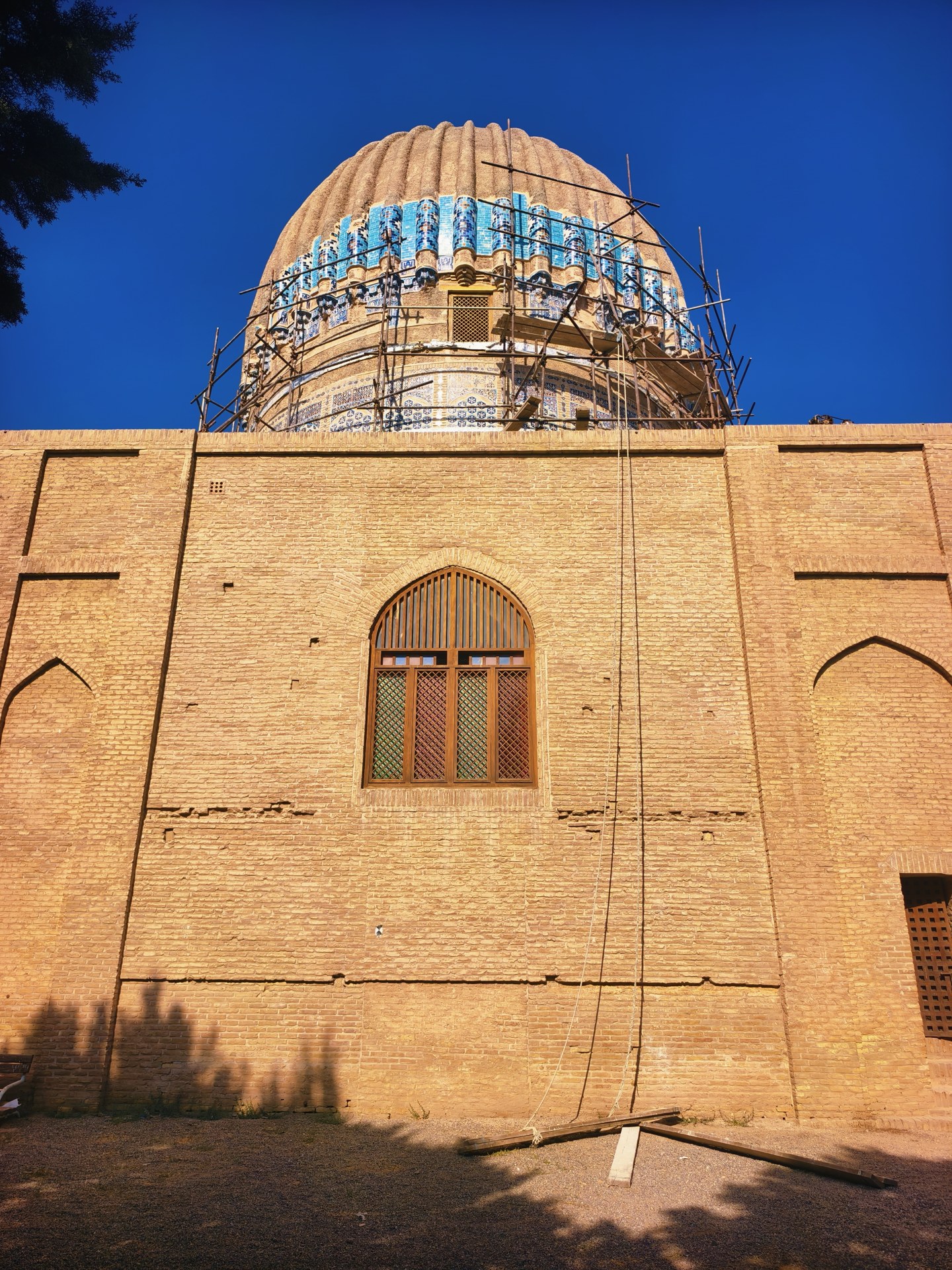
- The Musalla complex and minarets. The remains of the grand madrasa and mosque founded by Queen Gawharshad in the early 15th century. Of the complex's twenty minarets, five are still standing, and all of them lean noticeably; the tallest, some 55 metres, is held up by steel cables. The sight is both majestic and unsettling. Nearby stands the mausoleum of Gawharshad herself.
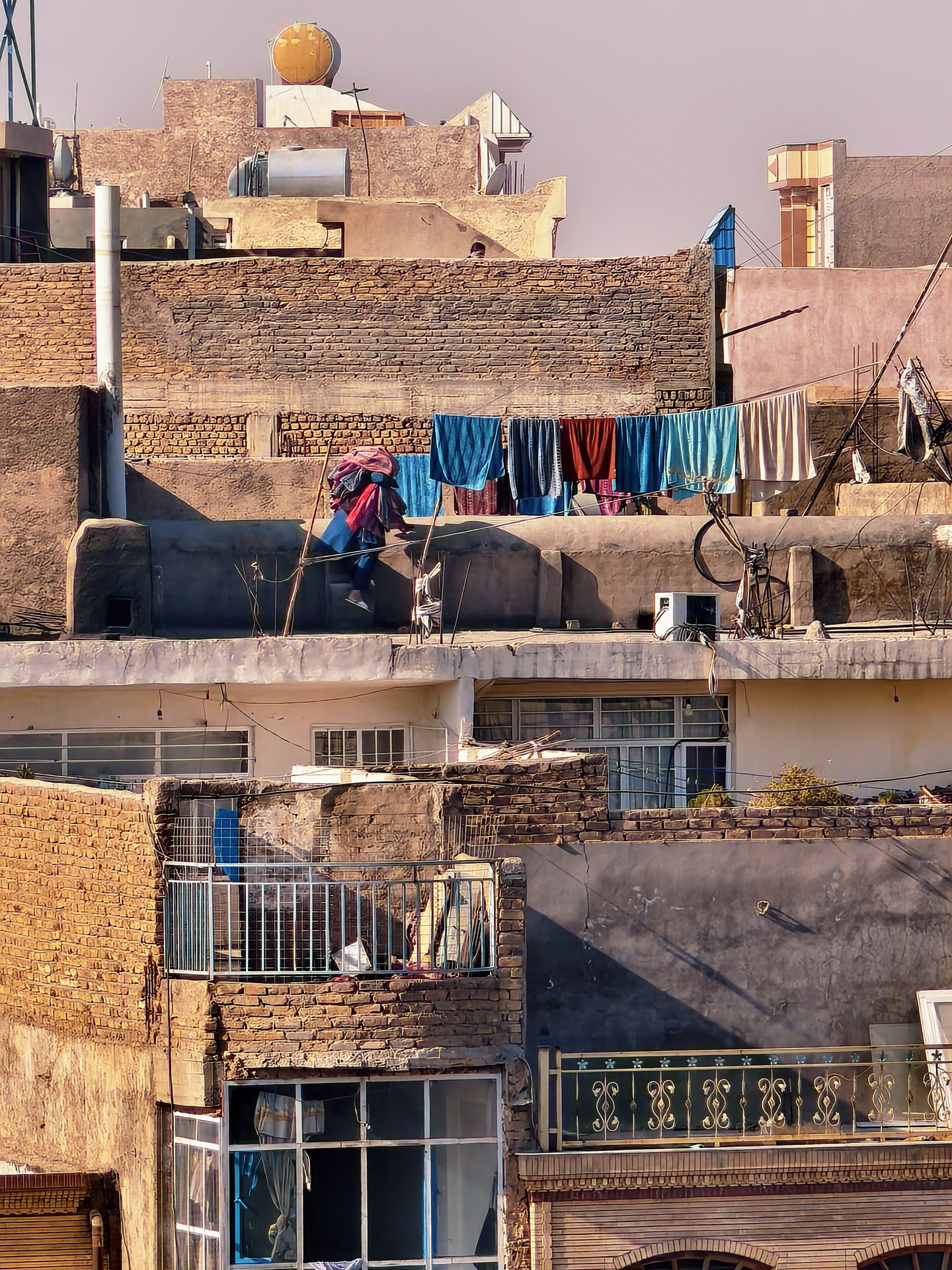
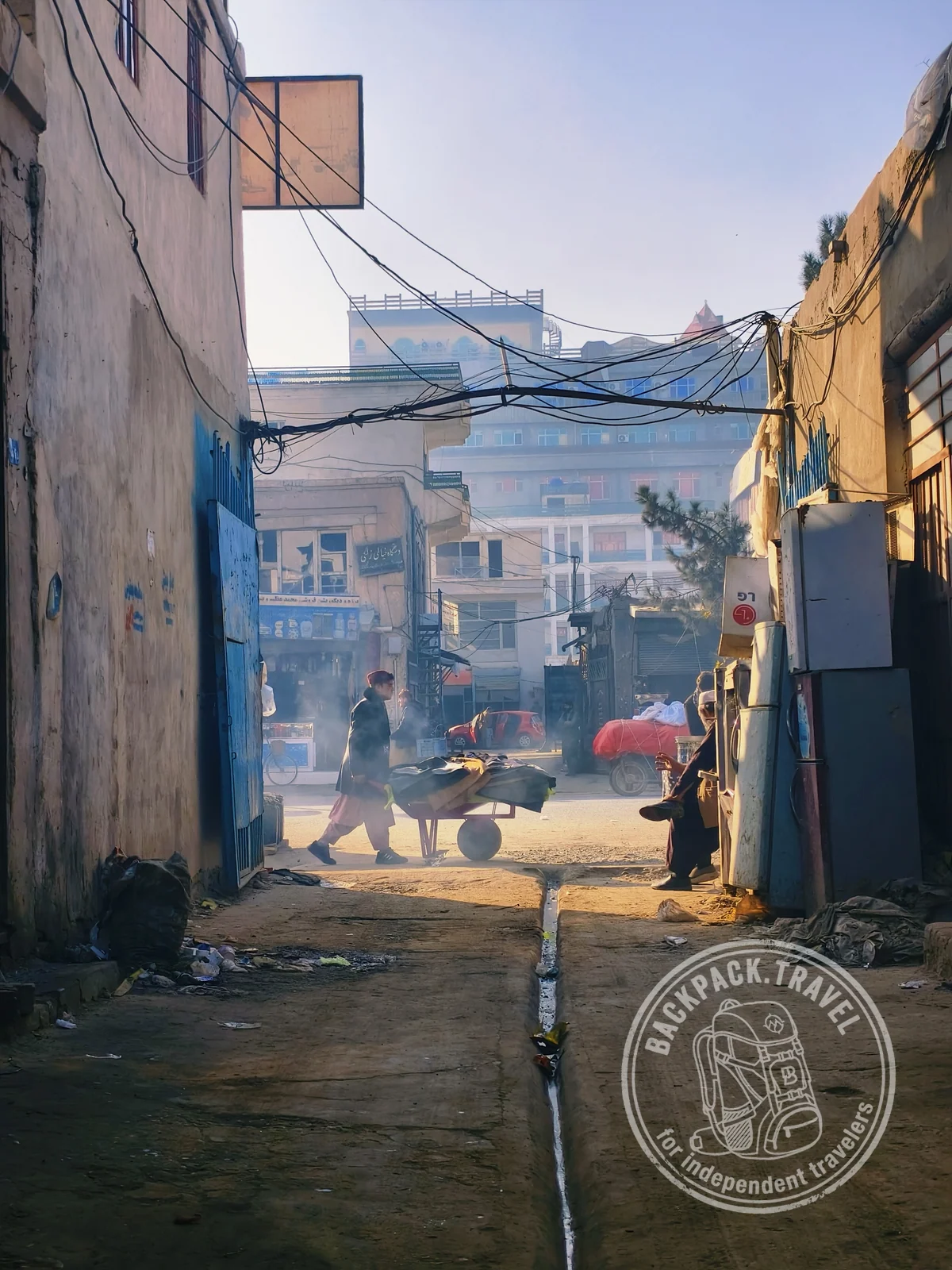
- The bazaars of the old city. Not a souvenir stage set but living trade: dried fruit, spices, the famous blue-tinted Herat glass, carpets. A good place to feel the rhythm of the city.
How many days, and when
Two days are enough for the city: one for the mosque, the citadel and the bazaars, a second for the Musalla and an unhurried walk. If you are passing through from Iran, Herat is a logical first or last stop.
As for the season, western Afghanistan is very hot and dry in summer and cool in winter. Spring and autumn are the most comfortable (roughly March–May and September–November). Bear Ramadan in mind — much is closed during the day and the rhythm of life changes.
Food, money and practical details
- The cuisine is close to Persian and Central Asian: pilaf (palau), kebabs, fresh tandoor bread, tea with almost every meal. Portions are large and the food feels filling and inexpensive.
- Cash. Cards essentially do not work and there are no usable ATMs for foreigners. Bring cash (local afghanis, plus dollars to exchange) and change money with trusted dealers at the bazaar. Keep small denominations.
- Connectivity. Buy a local SIM; the internet is slow and unstable. Download offline maps and documents in advance.
- Alcohol is prohibited — do not look for it and do not bring it in.
Common mistakes
- Travelling without spare time for bureaucracy — visas, registrations and checkpoints eat up hours.
- Counting on cards and online booking — everything here runs on cash and face-to-face arrangements.
- Photographing at random — a single frame can cause serious trouble.
- Underestimating the dress code and local norms — modesty and calm remove most friction.
- Planning a solo trip with no local contact — a reliable driver or fixer here is not a luxury but a basic part of the logistics.
Photos