Description
The former German Königsberg, the world's largest source of amber and the gateway to the UNESCO-listed Curonian Spit. Gothic architecture, the grave of Immanuel Kant and a scenic Baltic coastline.
Wiki
Kaliningrad was, until 1945, the German city of Königsberg, capital of East Prussia; after the Second World War it passed to the Soviet Union and was renamed in 1946. It is now the only Russian region completely cut off from the rest of the country, wedged between Poland and Lithuania. German Gothic stands next to Soviet prefabricated housing, the Baltic Sea is half an hour away by suburban train, and the Curonian Spit next door is well worth building into your route.
Getting there and getting into the city
Kaliningrad is an exclave, and the overland route through Lithuania requires transit documents, so most people fly. Khrabrovo Airport is about 25 km north of the centre. A city bus runs from there to the Yuzhny (Southern) railway station — the cheap option if you have luggage, taking about an hour. A taxi is noticeably more expensive but makes sense for a late flight or a group; order through an app rather than at the desk.
You can also come by train from the Russian mainland (through Lithuania, with simplified transit paperwork arranged in advance), but on time and hassle the plane almost always wins.
Getting around
The centre is compact — the key points (the cathedral, the Fish Village, Victory Square) can genuinely be walked in a day. For longer hops there are buses, trolleybuses and shared minibuses; of the once extensive tram network only a single route has survived since 2019. Payment is usually by card to the driver or at a validator.
For trips beyond the city, the suburban trains and buses from the Yuzhny station are convenient — they serve Svetlogorsk, Zelenogradsk and the Curonian Spit. If you plan to do the spit and the coast independently, hiring a car saves a lot of time but is not essential: public transport to the resorts runs regularly.
What is genuinely worth seeing
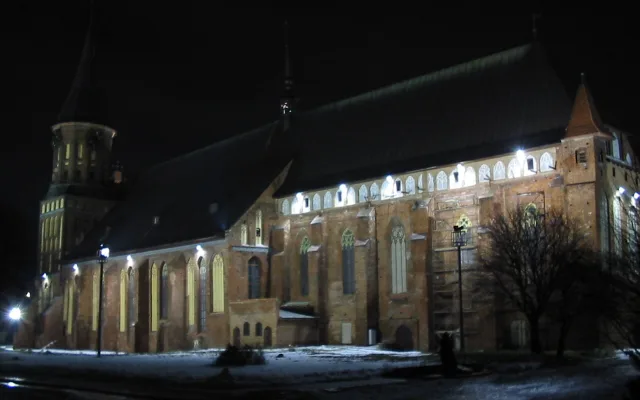
- The cathedral on Kant Island — restored Gothic, with a museum and an organ inside. By the north wall is the grave of Immanuel Kant, who spent his entire life in the city. It is worth catching an organ recital inside.
- The Fish Village — a modern development built in a historicist "old" style on the waterfront. Do not expect atmospheric ruins, but the views of the cathedral and the river from here are good, and there is a viewing tower.
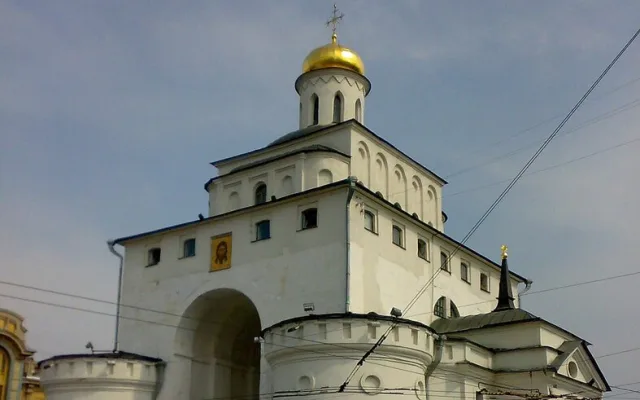
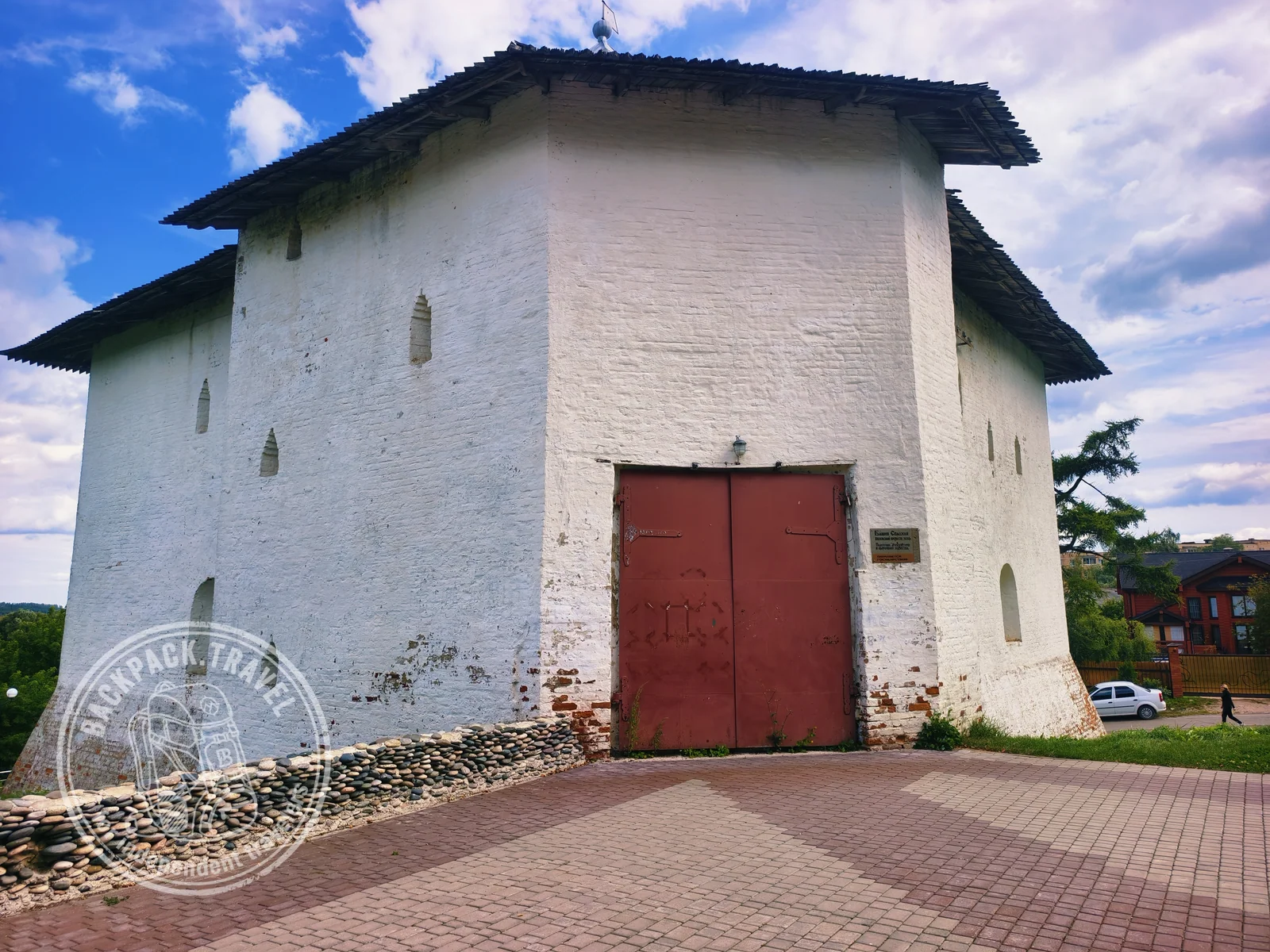
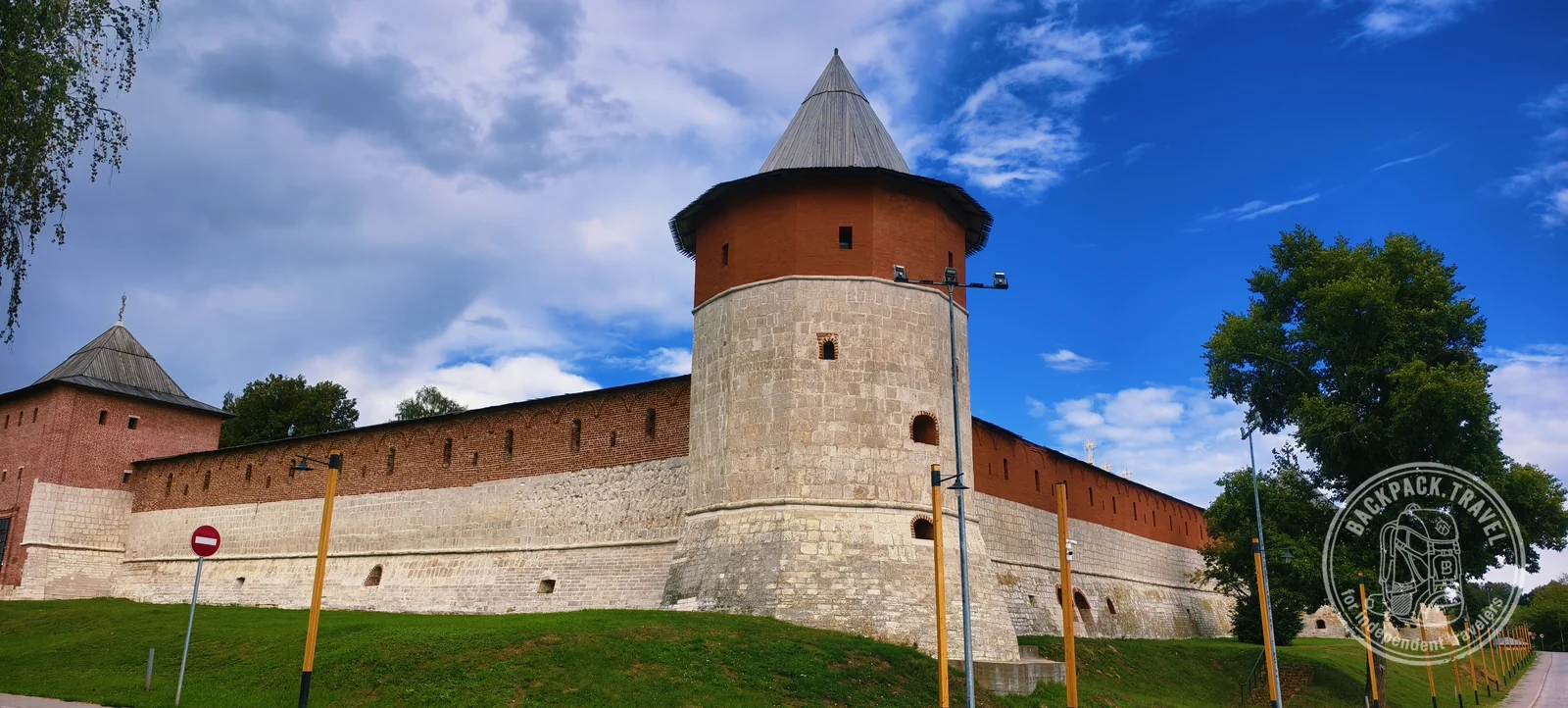
- The forts and city gates — surviving German defensive works (the King's Gate, the Friedland Gate and others), some with museums. They give a good sense of what Königsberg was like.
- The Museum of the World Ocean — a waterfront with real museum ships and a submarine. One of the liveliest places for anyone travelling with children or keen on engineering.
- The Amber Museum in the Dohna Tower by the Upper Pond — the region accounts for most of the world's amber extraction, so the subject is treated here in real depth.
- The Curonian Spit — a narrow strip of sand under UNESCO protection: the "dancing forest", high dunes, birds. A full day in its own right.
The coast and the spit
Three main directions out of the city:
- Zelenogradsk — the closest, the entry point to the Curonian Spit, with a wide beach and a level promenade. A convenient base if you want to combine the sea and the spit.
- Svetlogorsk — a former German spa town with villas, pine trees and a promenade on the cliff. More atmospheric, but the descent to the water goes via terraces and a lift or cable car.
- The Curonian Spit — a nature reserve with a paid entry charge; the routes are laid out on wooden boardwalks, and you may not step off them.
Allow more time for the spit and the resorts than you think you need: transport runs to a timetable and connections eat up hours.
When to go and for how long
The best time is from late spring to early autumn: a sea that is warm by Baltic standards, greenery on the spit and long daylight. The Baltic is capricious — wind and rain are possible even in summer, so bring a windproof jacket in any season. In winter the city functions, but the coast empties and it gets dark early.
Two days are enough for Kaliningrad itself. Add a day for the Curonian Spit and a day for the Zelenogradsk–Svetlogorsk pairing, and 4–5 days is comfortable.
Where to stay
- The centre (by the cathedral, Leninsky Avenue, Victory Square) — everything within walking distance, the best choice for a short trip.
- Amalienau — a quiet district with surviving German villas, pleasant for an unhurried pace.
- The resorts — if the sea is your priority you can base yourself in Zelenogradsk or Svetlogorsk and travel into the city unencumbered.
Food, prices, money
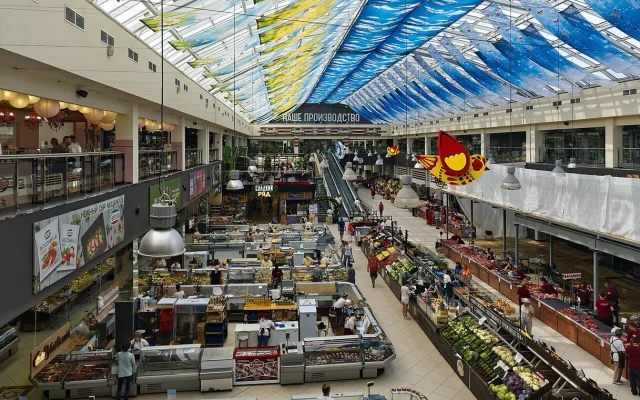
Kaliningrad feels cheaper than Moscow and St Petersburg. Look for local fish and seafood and dishes with a regional accent. In the centre by the cathedral prices are touristy — walk a couple of blocks away. The markets are good for a snack and for fruit. As a guide: lunch in a cafe is 500-900 roubles (about $6-11), dinner with fish 1,200-2,000 roubles ($15-24), and entry to the Curonian Spit 450 roubles per person plus the same again for a car. Prices are as of 2026.
Keep some cash just in case, though cards are accepted almost everywhere. Note that foreign-issued cards do not work in Russia — plan your money in advance.
Common mistakes
- Travelling without allowing for transit through Lithuania — check the document requirements in advance if you are not flying.
- Underestimating the weather: the Baltic is windy and sun turns to rain within an hour.
- Trying to fit the city, the spit and both resorts into one or two days — it becomes a gallop.
- Expecting "old Königsberg" on every corner: the city was heavily rebuilt and the historic fabric survives in fragments — forts, gates, individual quarters.
- Stepping off the boardwalks on the Curonian Spit — it is a nature reserve, there are fines, and the dunes are damaged.